Sunday, December 5, 2010

Ring Road Day 2: Journey to the Center of the Earth
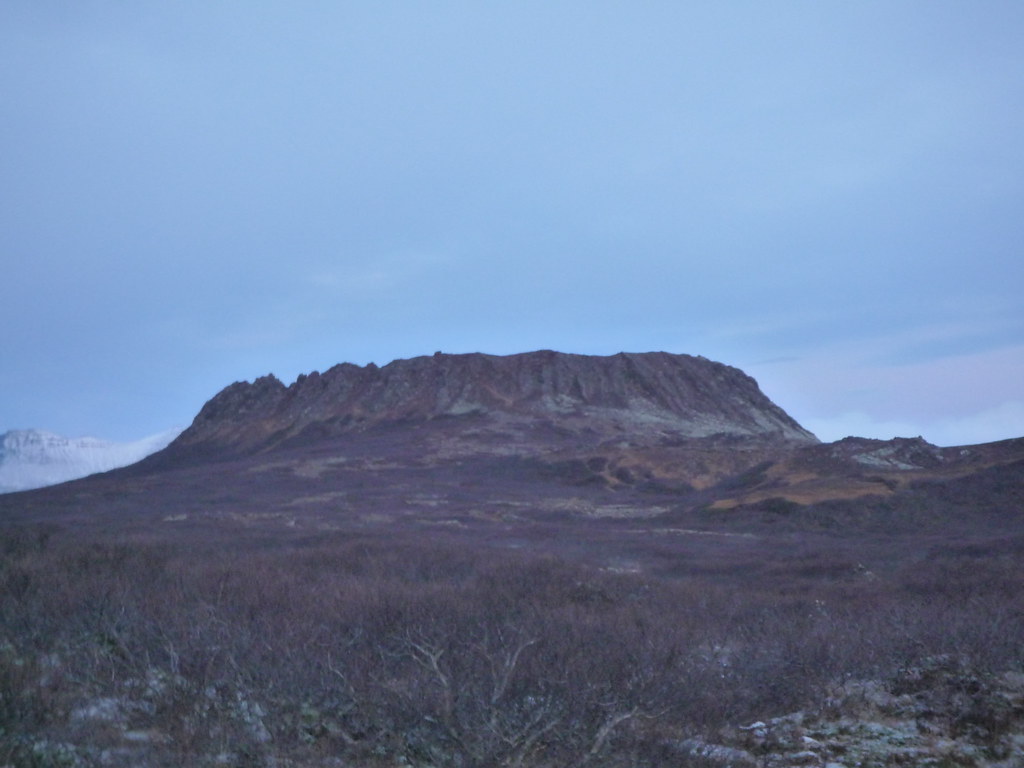

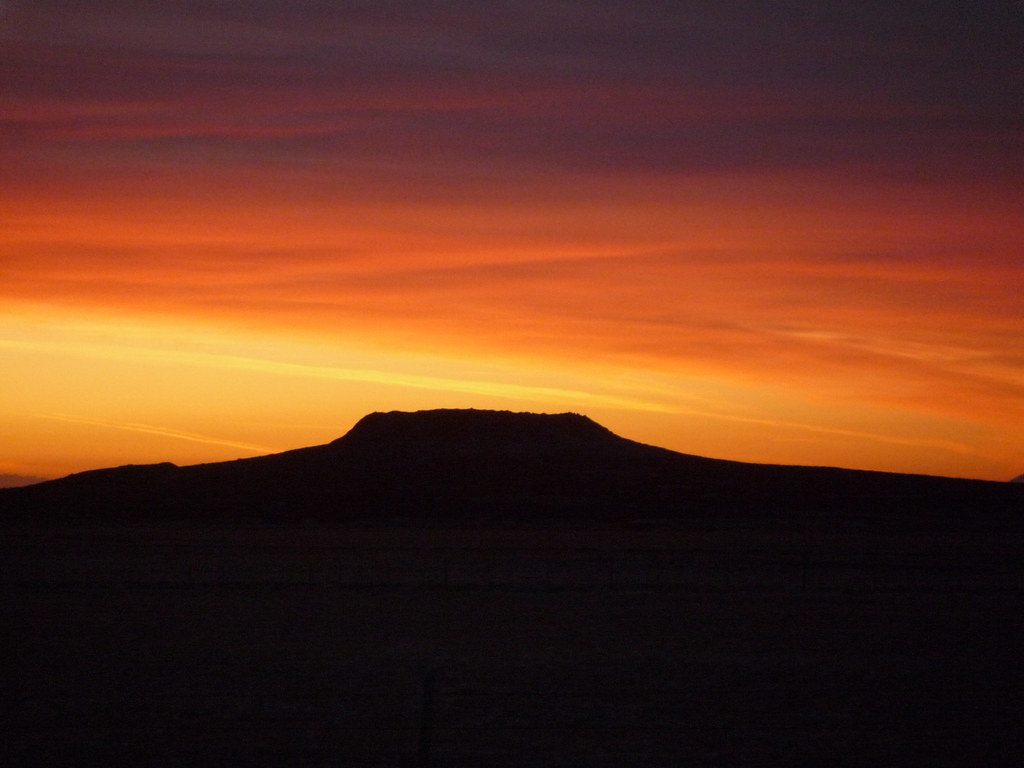
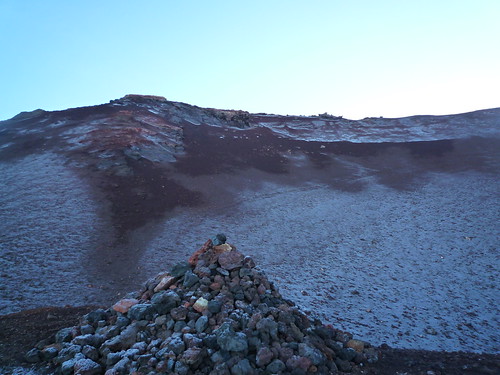
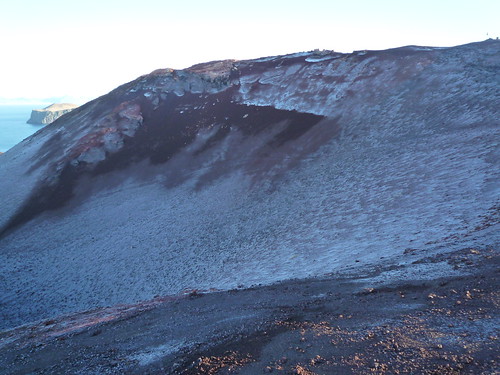
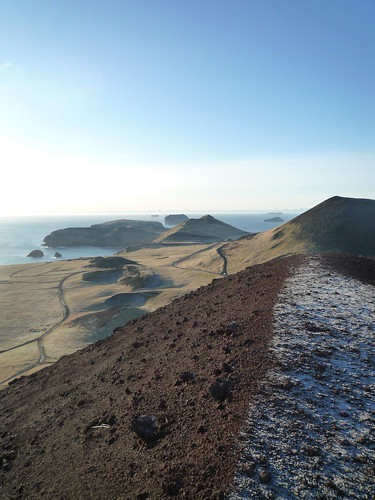
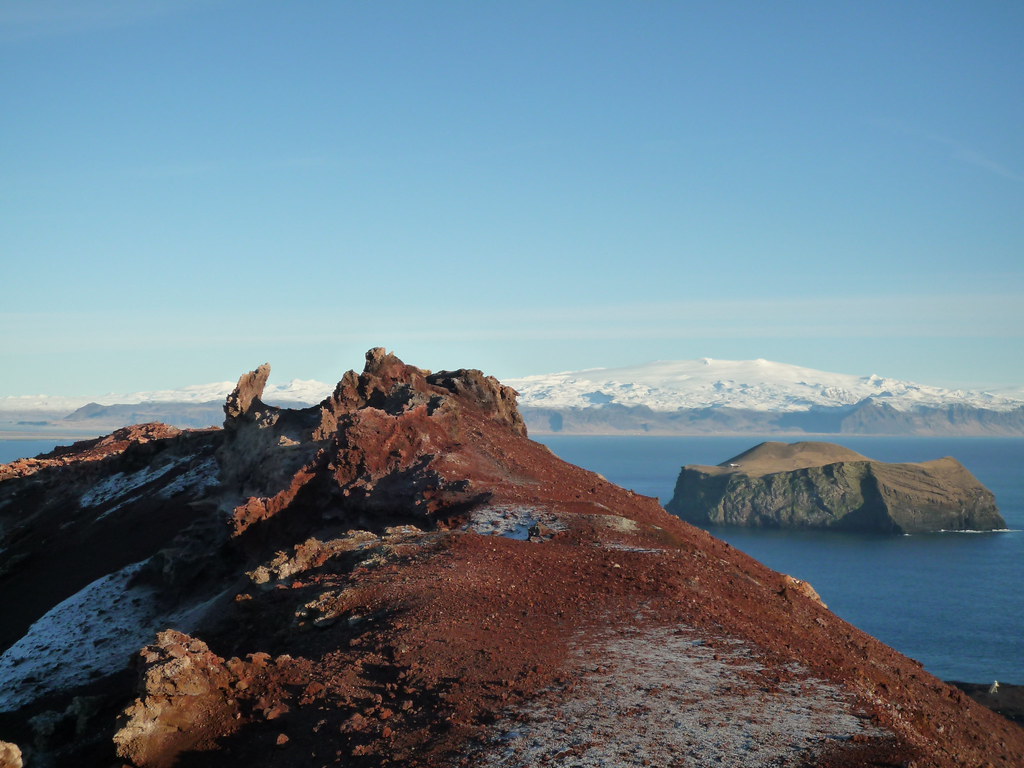
I began hiking in the predawn glow and reached the ridge of Eldborg's crater in time to see another spectacular sunrise.
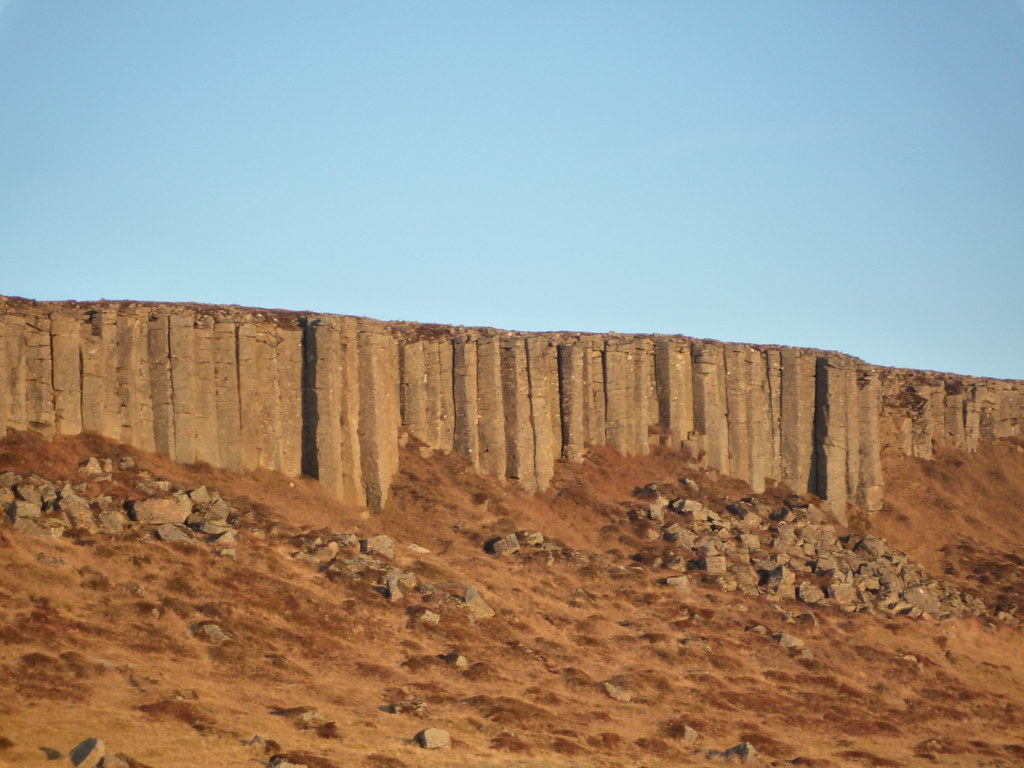
 

My pictures don't really do justice to how steep Eldborg is, inside and out. Lonely Planet compares it to an egg-cup, and I suppose that is about right. After hiking back along the frozen dirt paths I drove a tiny way to a cliff of basalt jutting up from the landscape like a natural quarry. I was blown away by basalt when I first saw the hexagonal columns on Jeju island, but by the time I finished traveling across Iceland they almost seemed commonplace.


From there I took a much longer drive out along the south coast of the Snaefellsnes peninsula (a name that amuses me, having lived for years on Sneffels street). Snaefellsnes looks like a finger bone stretched out to the West of Iceland.

I stopped by some little towns, mostly to see the lava formations near them and their coasts. It's funny that every little group of more than twenty houses gets put on the map as a town since the total Icelandic population is so tiny. There was a path through the lava to a crater that is said to be home to more little people. The path did have a Tolkienesque feeling to it, especially with Snæfellsjökull looming in the background.
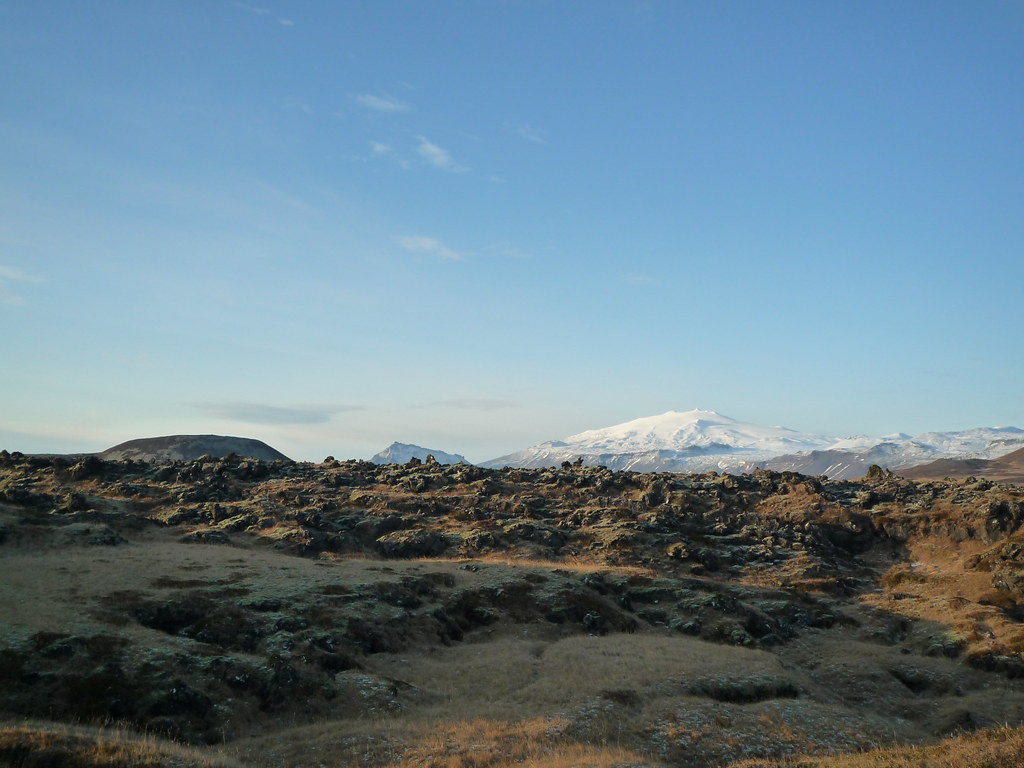

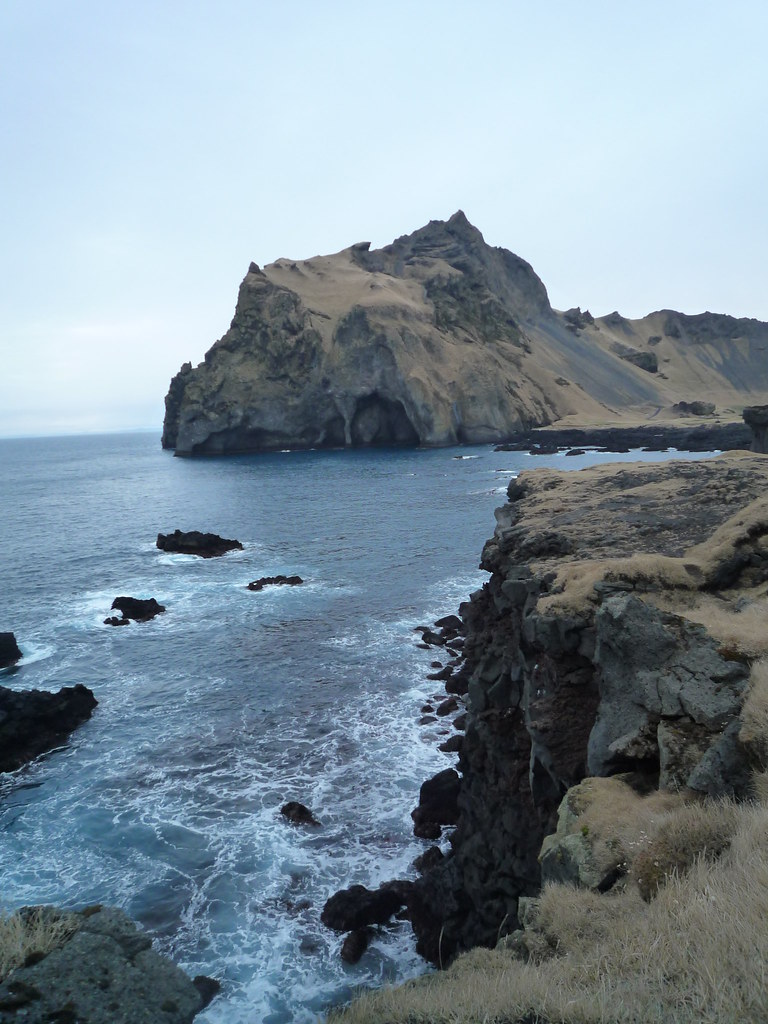
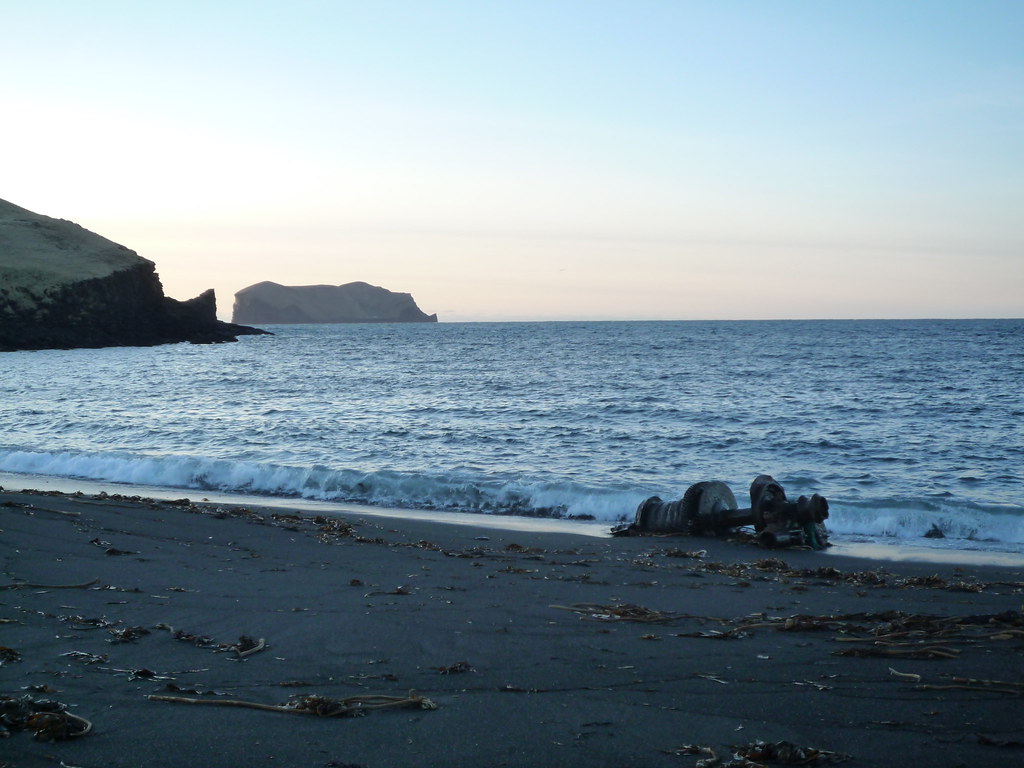
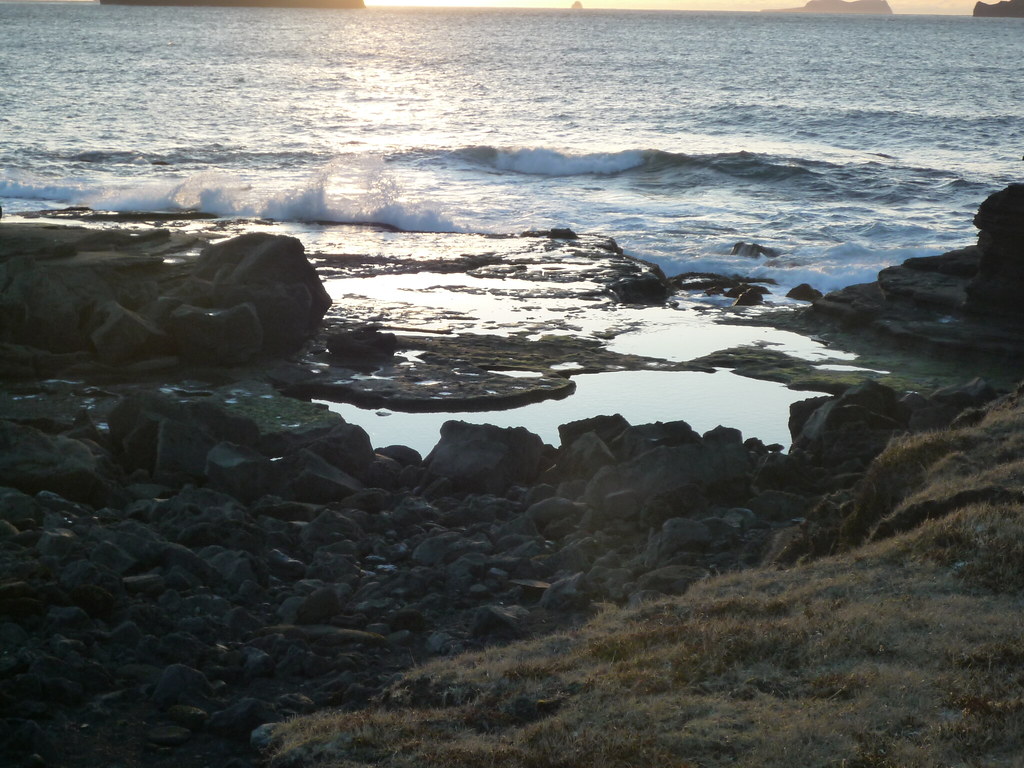
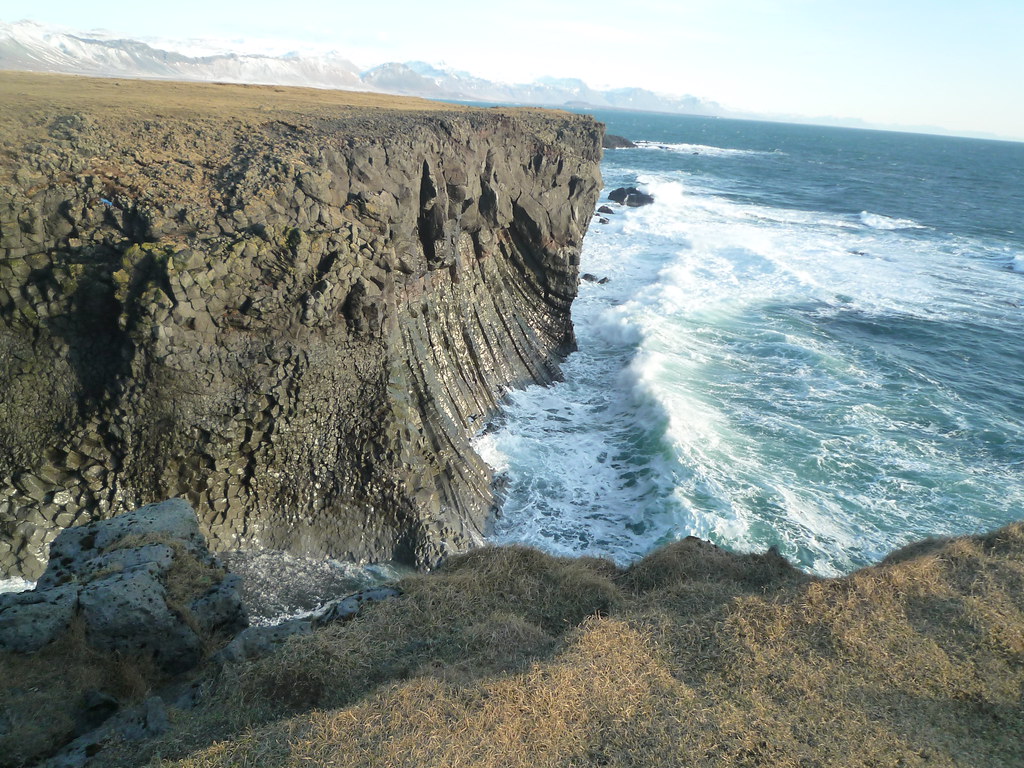
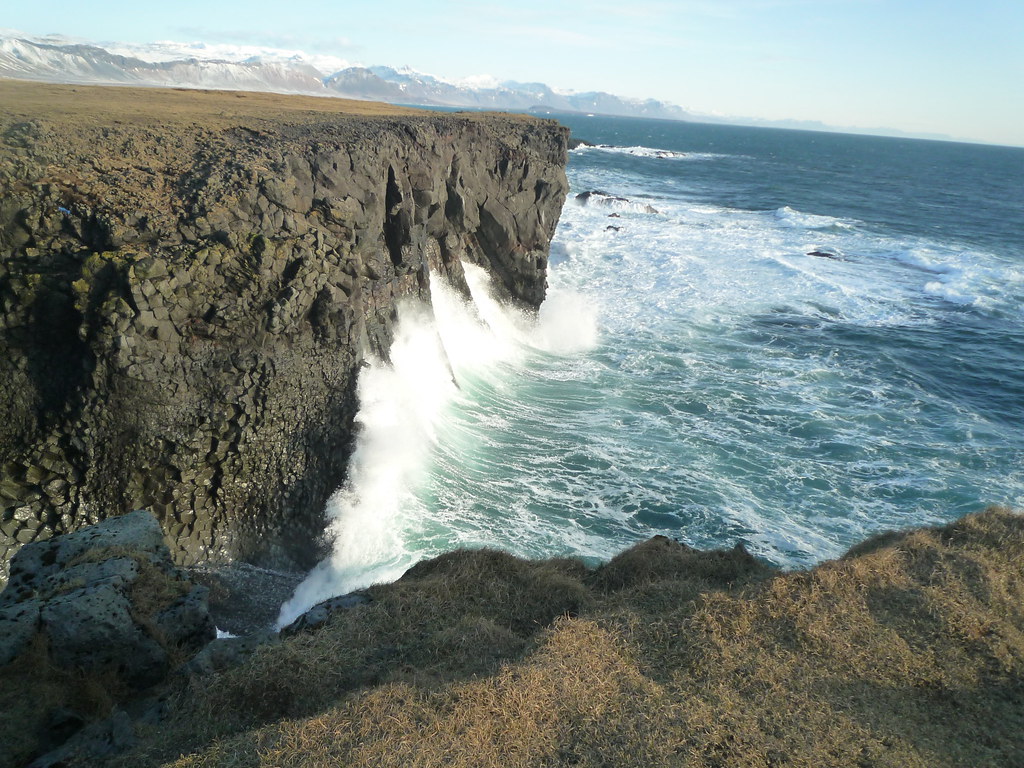
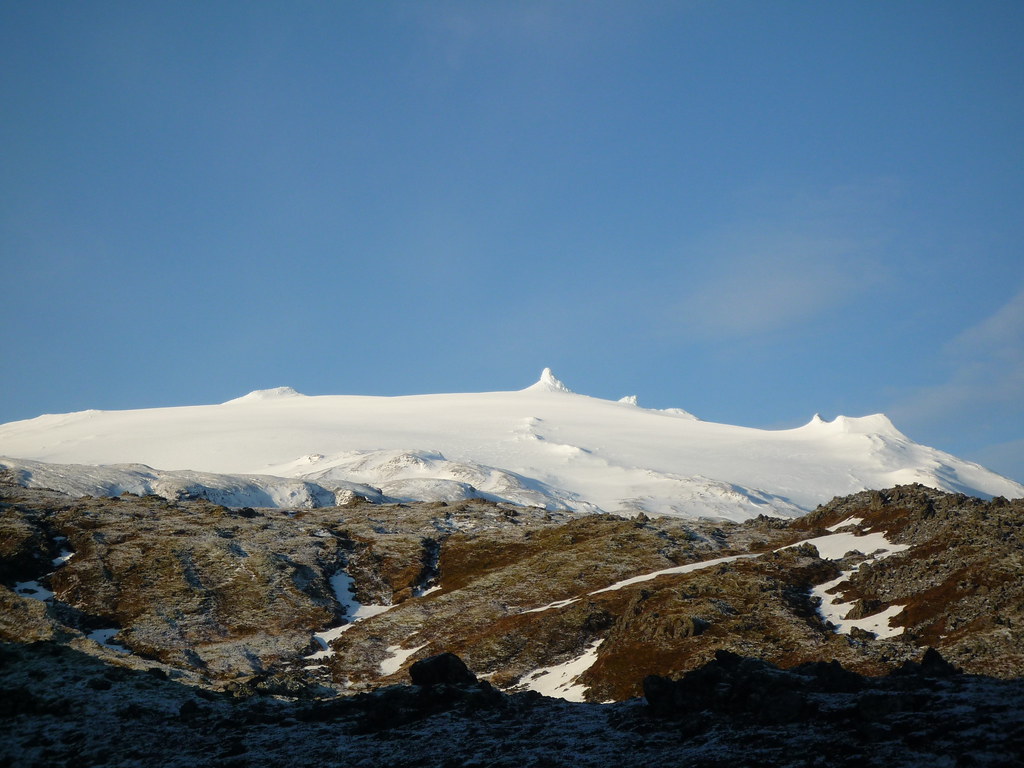
The giant volcano Snæfellsjökull was used as the entrance to the Earth's core in Jules Verne's Journey to the Center of the Earth. I was  tempted to try it, of course, but it is a serious and dangerous hike even in summer with proper gear and a group, so I didn't consider it too seriously. The coast here had some amazing waves.

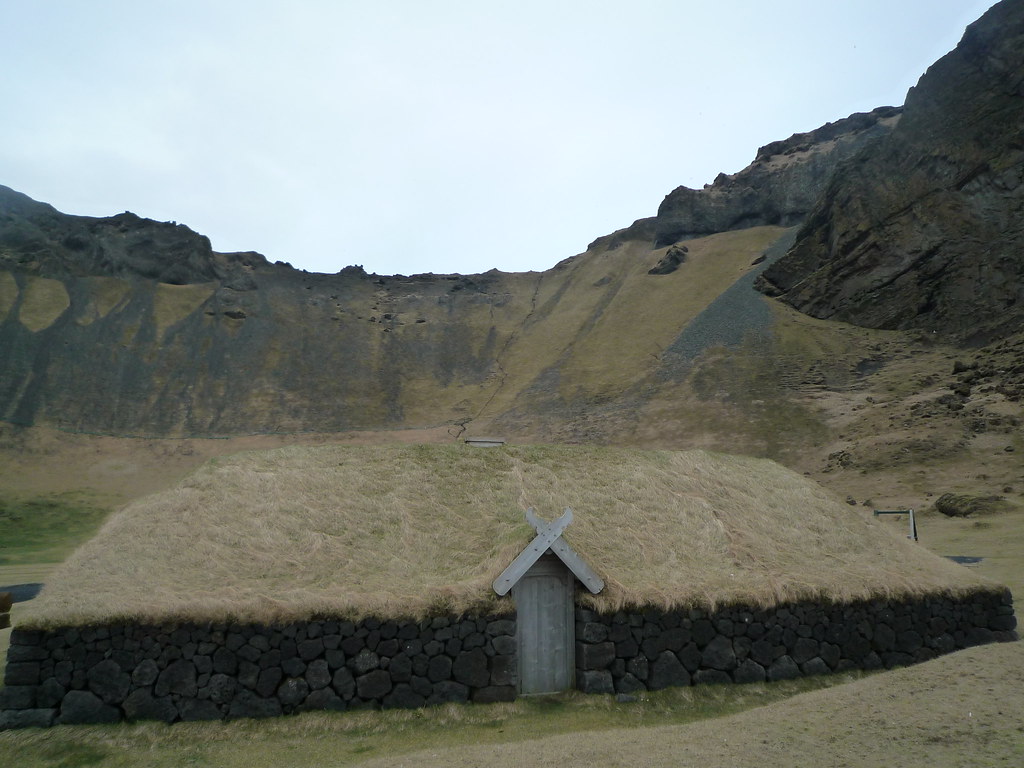
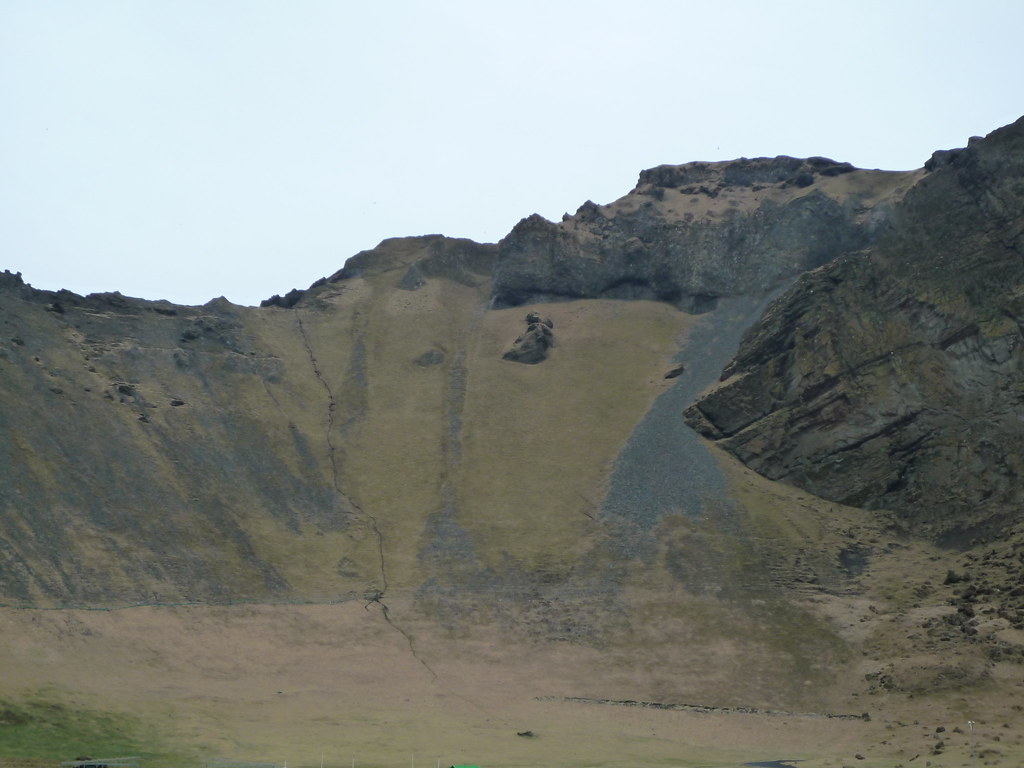
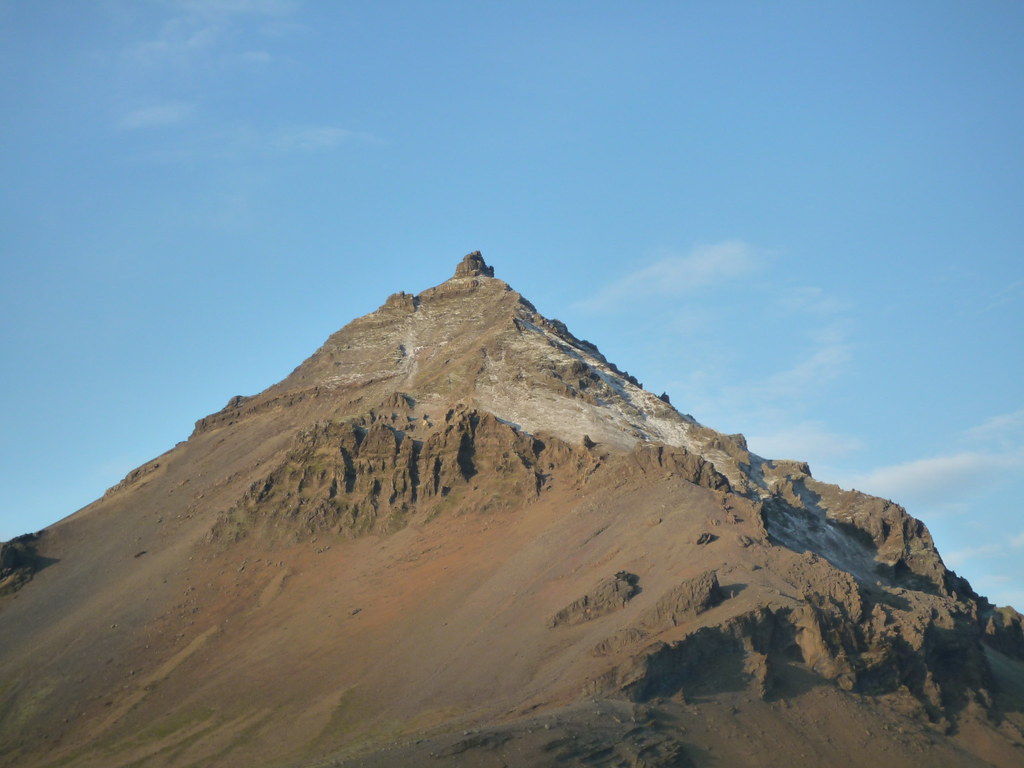
 My next stop was a quaint little collection of houses with a smaller but closer elf-inhabited mountain Strapafell as the backdrop.

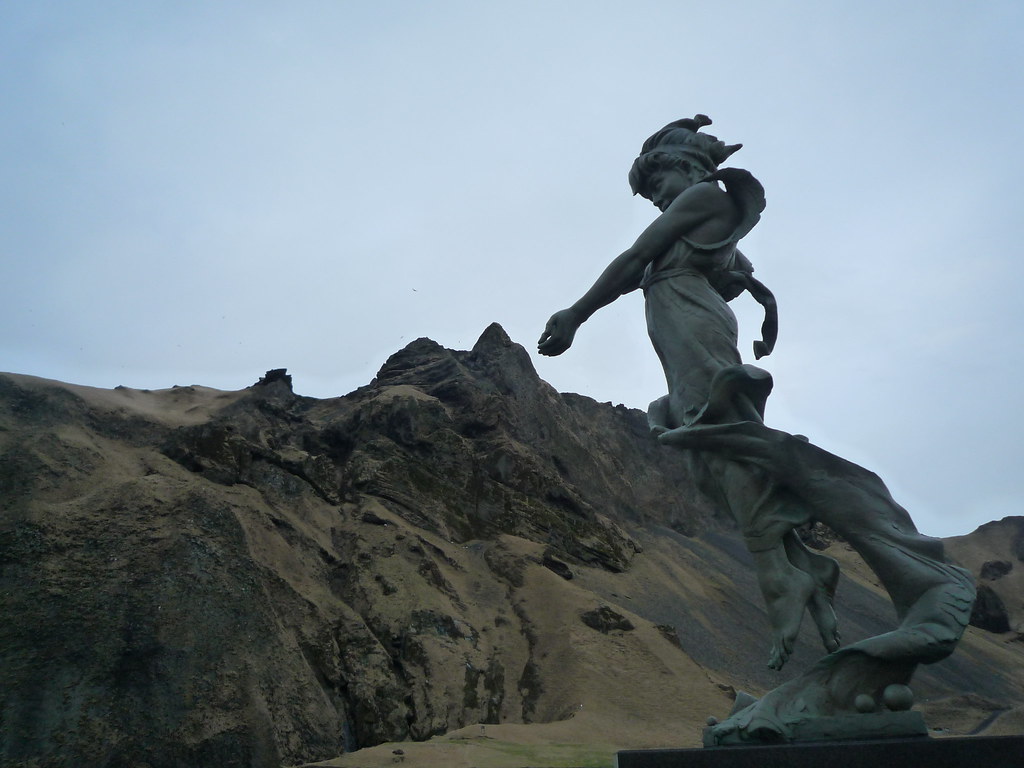
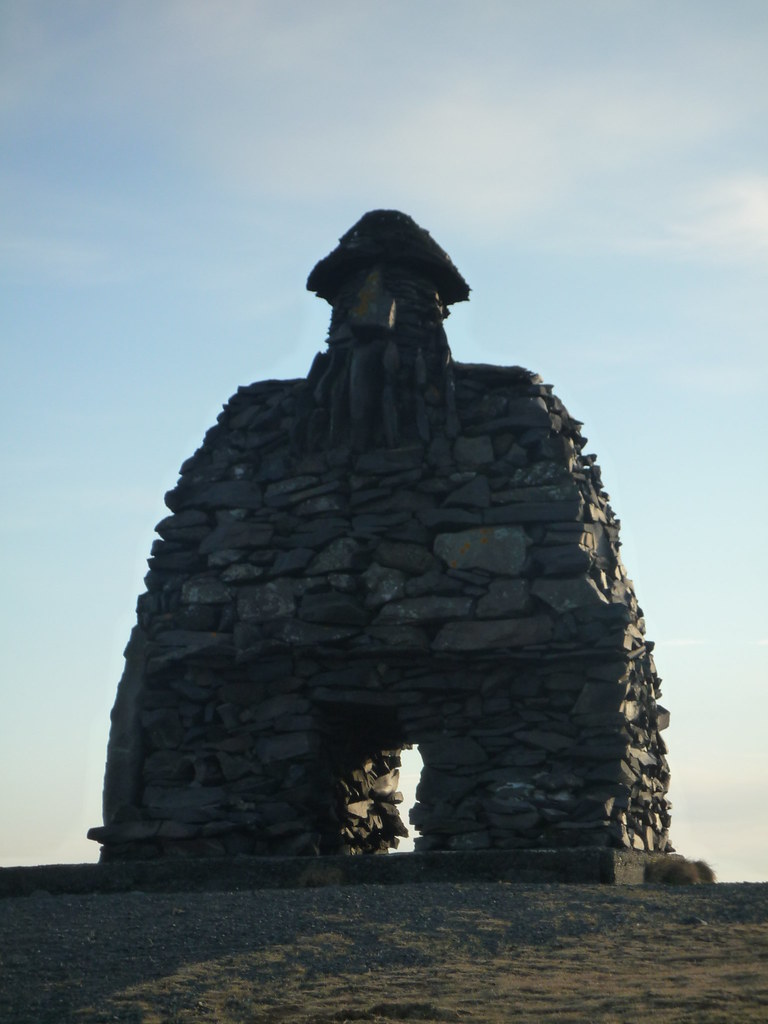
 The village is the setting for an Icelandic sage about Bárður, a half human and half ogre. Naturally, there was a statue of him:


Partway up Strapafell was a cave where one is supposed to be able to hear dwarfs hammering.  The cave really didn't look like much, though I did see some very old graffiti and got a better view of Snæfellsjökull.


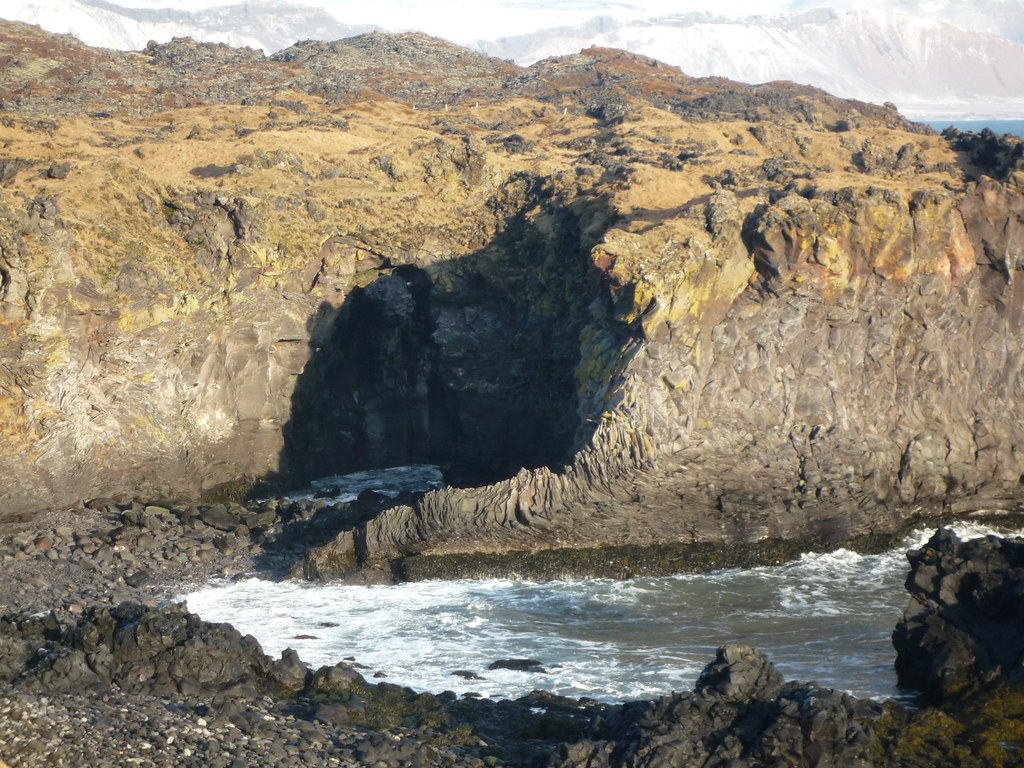
From the village there is a path through lava fields along the coast that I wish I could have walked, but I would have had to walk back as well and didn't really have time. Instead I drove to the little fishing village on the other end of the lava trail. I walked for a while along the coast where I saw some natural arches and some oddly organic-looking lava formations.

From there I drove to the West end of the peninsula to a series of craters, one of which I drove into.
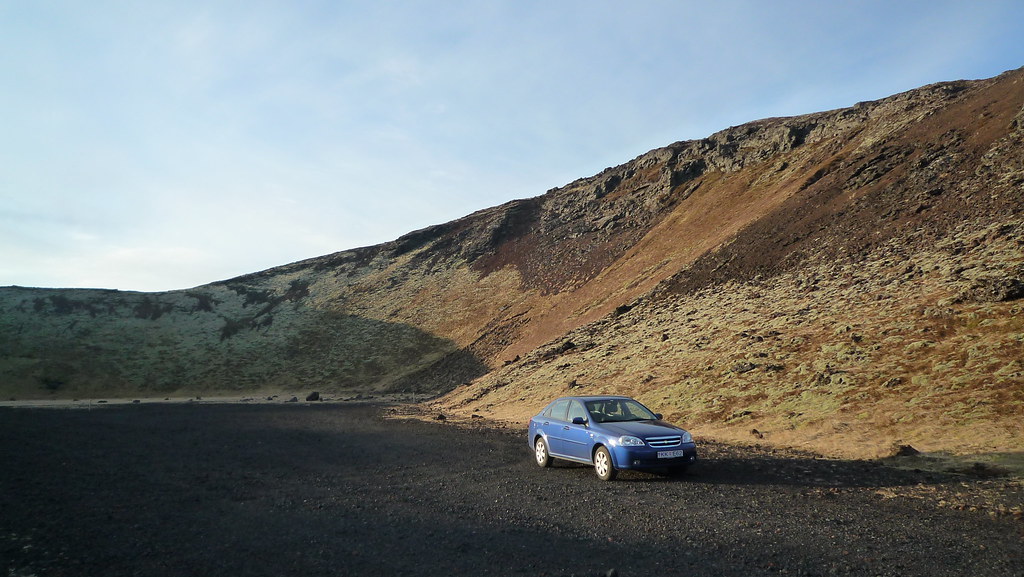
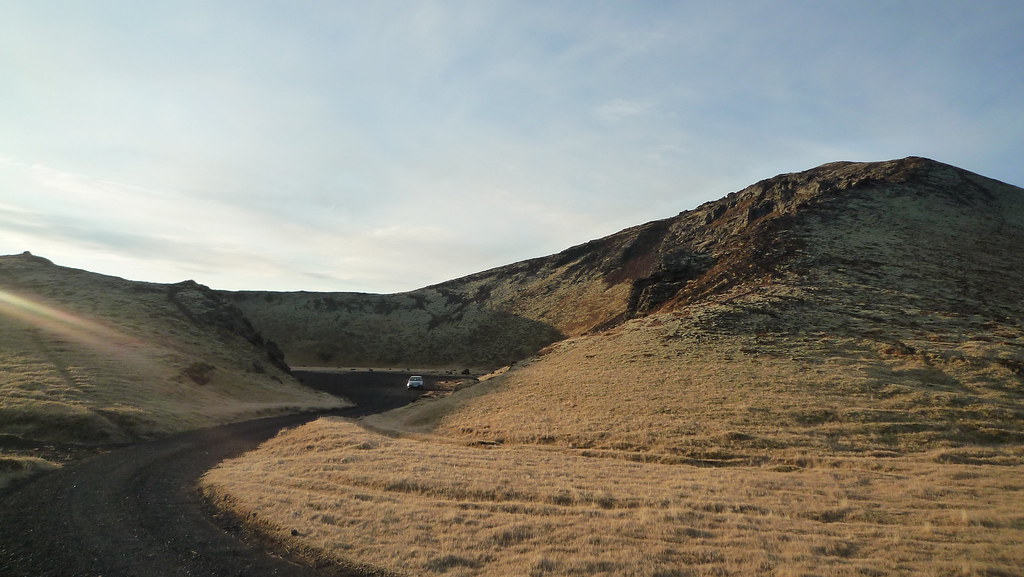

My reliable little blue two wheel drive car seen here did remarkably well on Iceland's barely negotiable terrain.

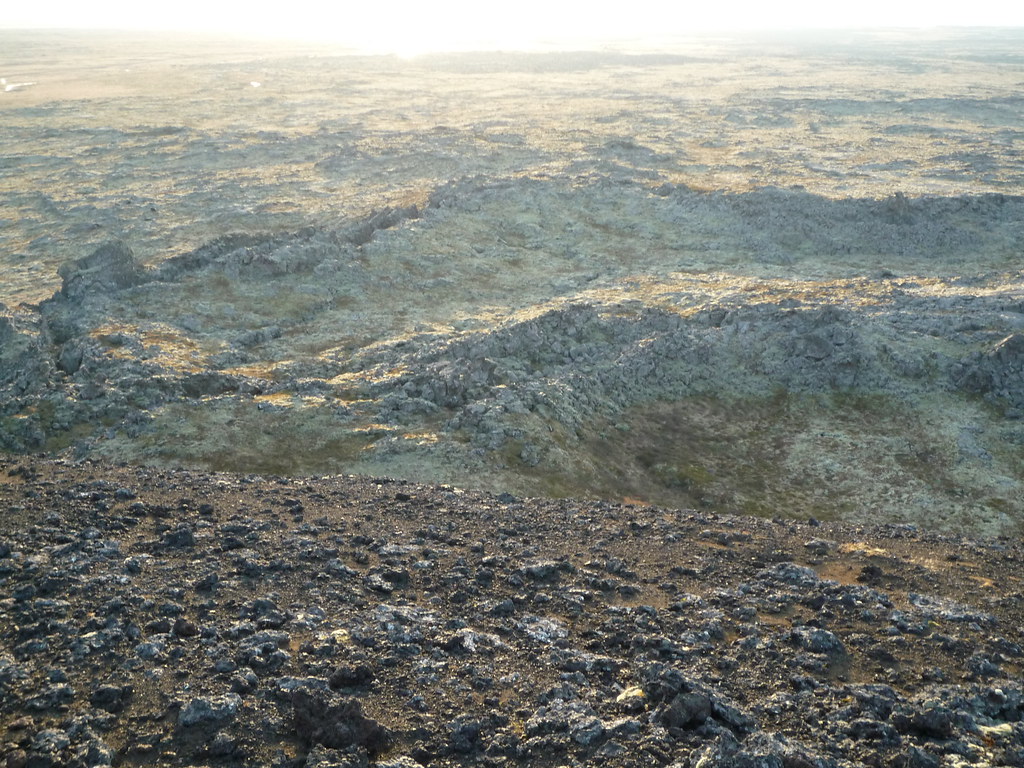
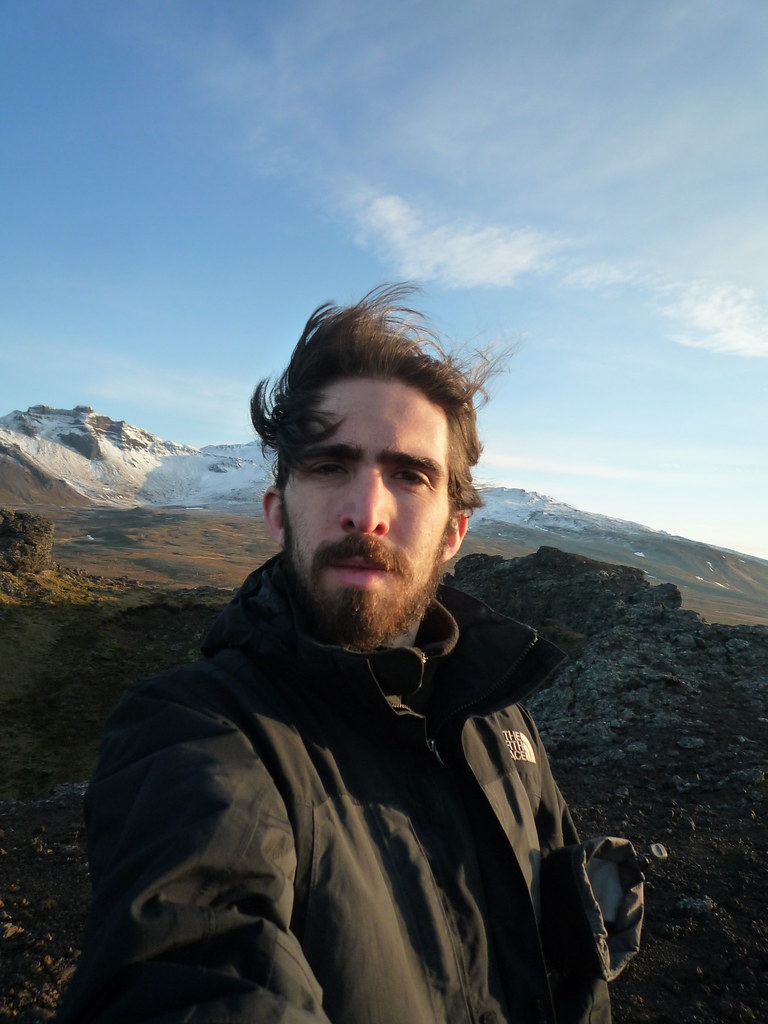
Further along I climbed a steep volcanic cone with great views of the area, including the sea, Snæfellsjökull, and the rift alongside the volcano I was standing on. It was windy.

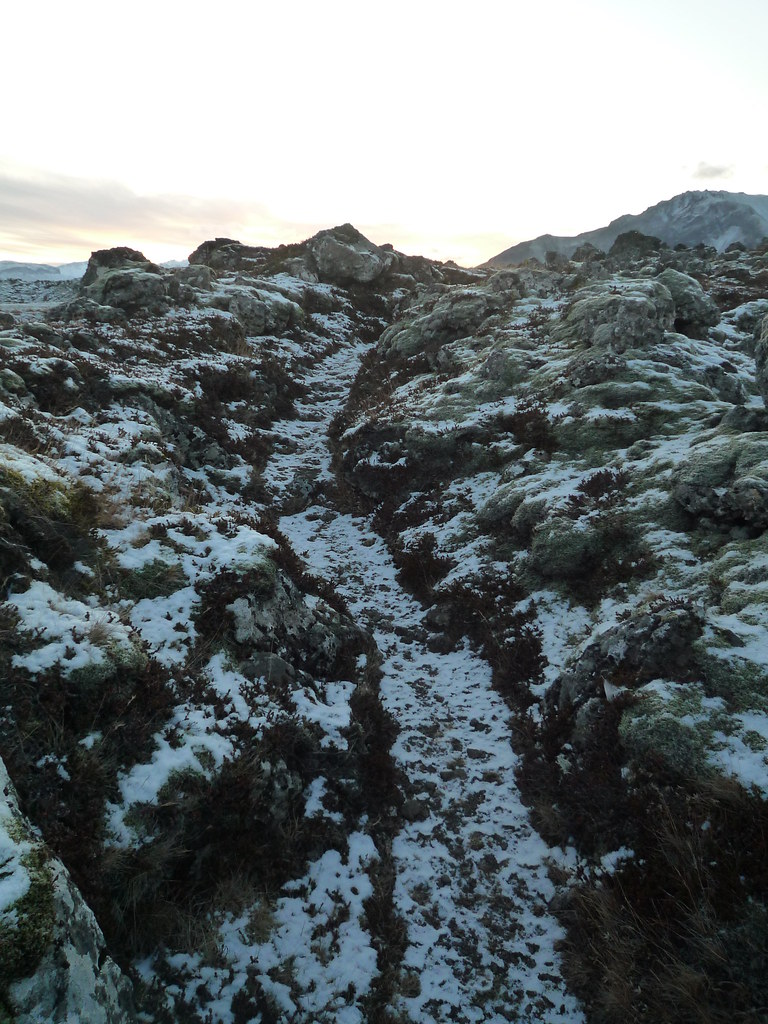
I passed Iceland's tallest structure, a radio tower, and some modern churches with interesting architecture as I turned the corner and began heading along the North side of the peninsula, which was much shadier. The mountains and the angle of the sun means that for much of the winter these areas do not see any direct sunlight at all. I raced the daylight as I drove along cliffs and beside mountains until I reached Berserkjahraun, halfway across the peninsula. Berserkjahraun is a path through lava fields. Like many viking tales, it cuts out any lesson or moral to leave more room for awesome. A farmer hired two viking warriors to work on his farm (Icelandic sagas seem full of warrior farmers). The farmer's daughter and one of the vikings fell in love and the viking asked permission to marry her. The farmer didn't want this but didn't want to outright refuse what was presumably a pretty scary guy, so he instead have the viking an impossible task: make a path through the lava field to the farmer's brother's farm, so the farmer didn't have to walk around the lava field anymore. The two vikings use their berserker strength to start tossing boulders out of the way and make a path. The farmer is incredulous, and instead of being true to his word he tricks the two berserkers into  getting locked in a sauna and then has them both killed. The path through the lava field remains to this day.

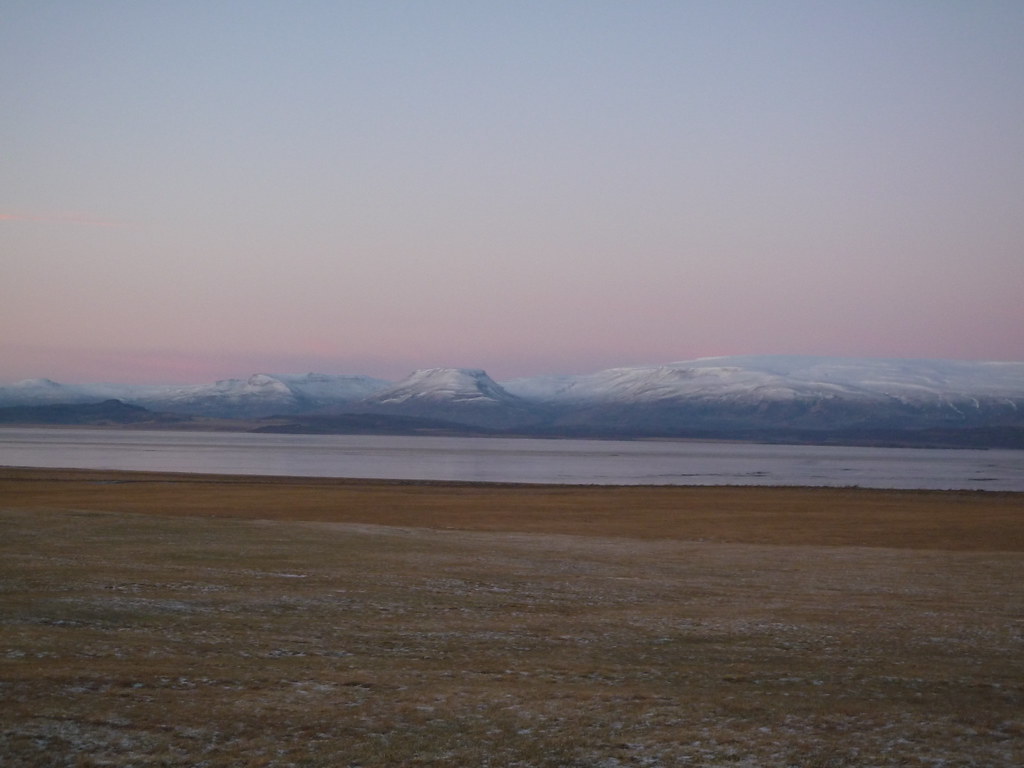
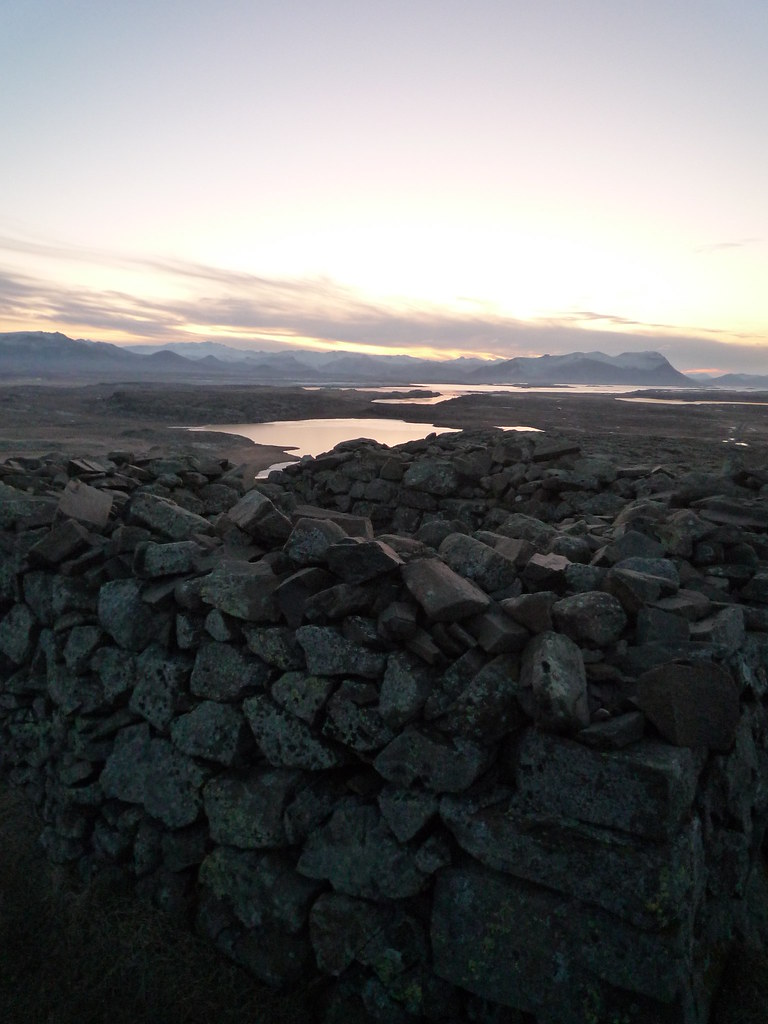
As the sun was setting and after a wrong turn and some backtracking, I finally arrived at Helgafell, a mountain that was sacred to Thor and was the site of the first assembly meeting in Iceland. A temple to Thor once sat on the mountain's top, and more recently a church was there. The stone foundation of the latter still stands. I absolutely love Norse mythology, and if I could manage to make myself believe in any religion it would be this one, full of stories simultaneously epic and hilarious and set in a world that was the inspiration behind Middle Earth in the Lord of the Rings, and hence the entire fantasy genre. As I surveyed the sunset causing the mountains to glow and creating reflections in shimmering lakes, I actually saw two ravens circling the mount, and I gave a shouting prayer to Odin, the All Father.

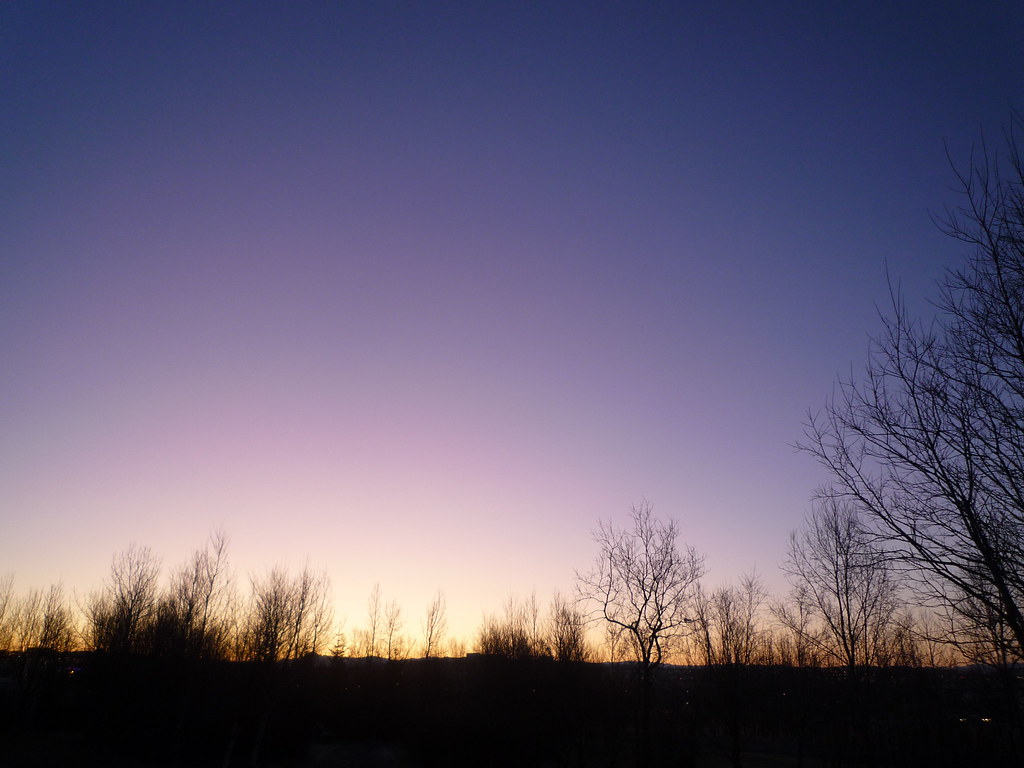
Bidding farewell to Huginn and Muninn (thought and memory, Odin's raven scouts), I jaunted down the mountain and continued my journey in the dark. I planned my trip so that I could end each day driving past stretches of areas where I wasn't planning to stop so that I could maximize my sightseeing during daylight hours. I ended the day in Reykir, where I planned to stay in the hostel. I was discouraged to see the building completely dark, but the door proved to be unlocked and there was a note saying to call. The proprietor was surprised that anyone was traveling around the island at this time of year, but was kind enough to let me stay for free because they were remodeling and it wasn't in top condition. This is a good example of the  kindness I experienced from the Icelandic people on my trip.
Sunday, November 14, 2010

Ring Road Day 1: The Saga Begins


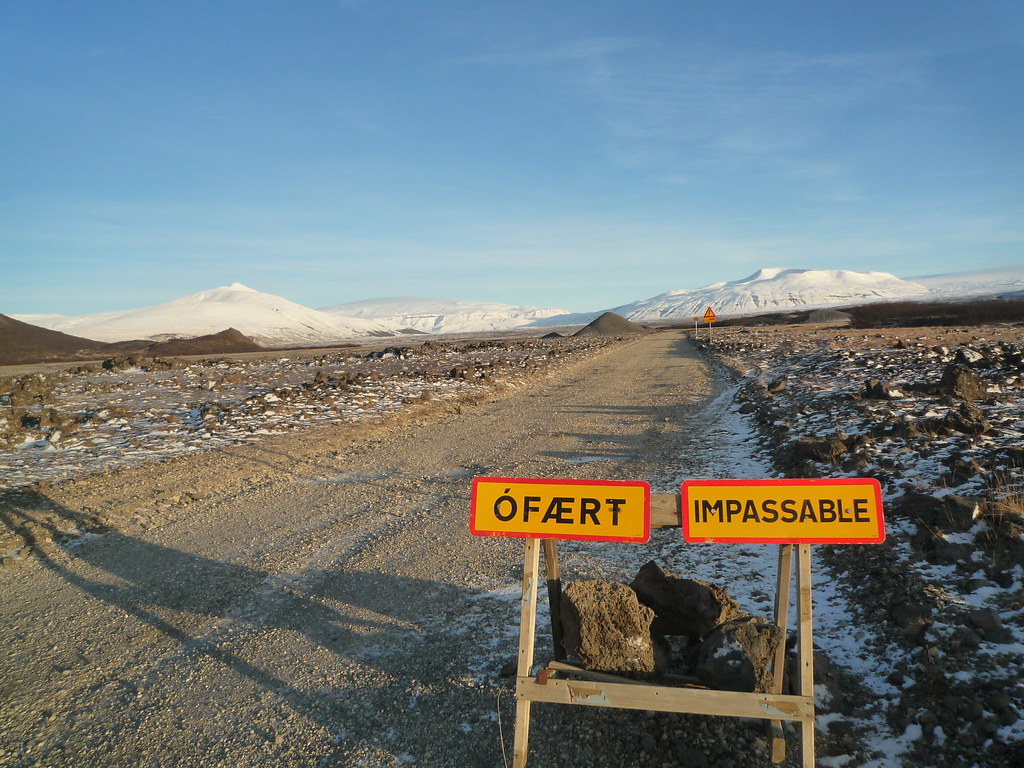
The day began with a pre-dawn walk a couple miles out to pick up the car I'd rented. I'd originally planned to travel around the country by bus, but when Lonely Planet said that buses were less frequent in winter, what they really meant was 'buses go to about three places in the country and do so incredibly infrequently.' Travel in Iceland really demands four wheel drive, but my little two wheel drive was cheaper. Actually, to go on grade F roads, all terrain vehicles aren't really enough. Many roads involve fording rivers and using winches to get your vehicle over boulders. I assured the rental place I would stick to the ring road, Iceland's one highway that makes a loop around the entire country's perimeter.

My first stop of the day was Akranes, an hour North plus a quick drive under a fjord from Reykjavik. I went there for the museum, but discovered that it was closed for the winter. This was to become a theme for my trip, along with racing against the six hours of daylight to see everything before returning the car. So it goes. I was still able to see an interesting church and the outdoor exhibits of old fishing boats, as well as some nice old wooden buildings elsewhere in town.

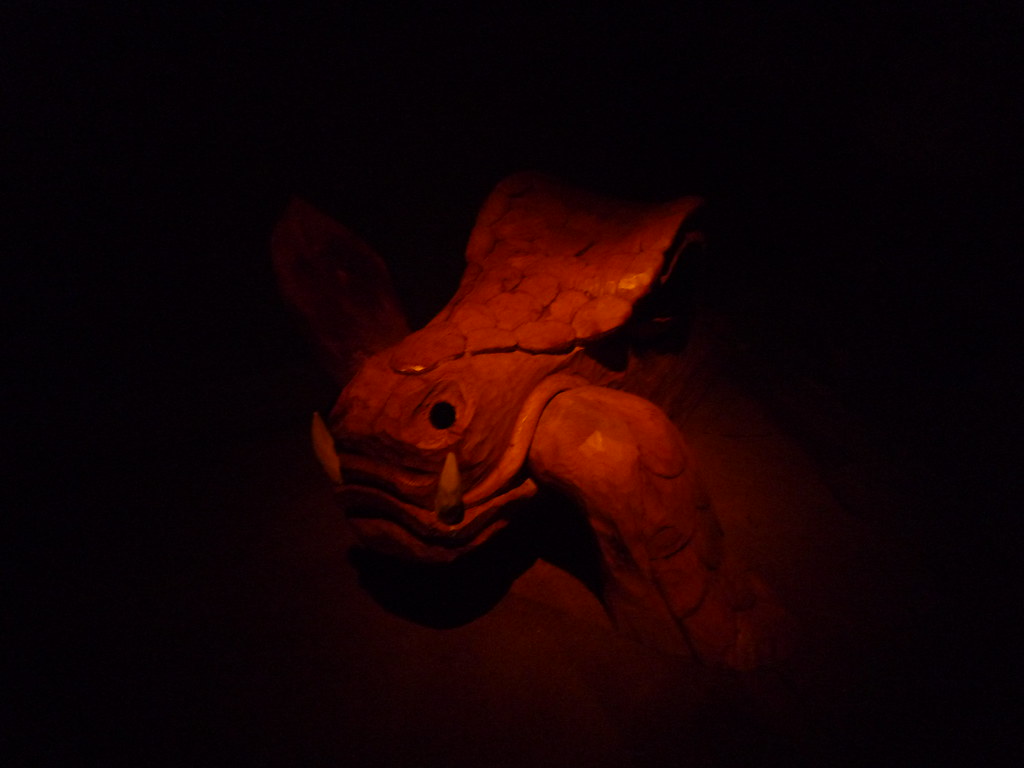
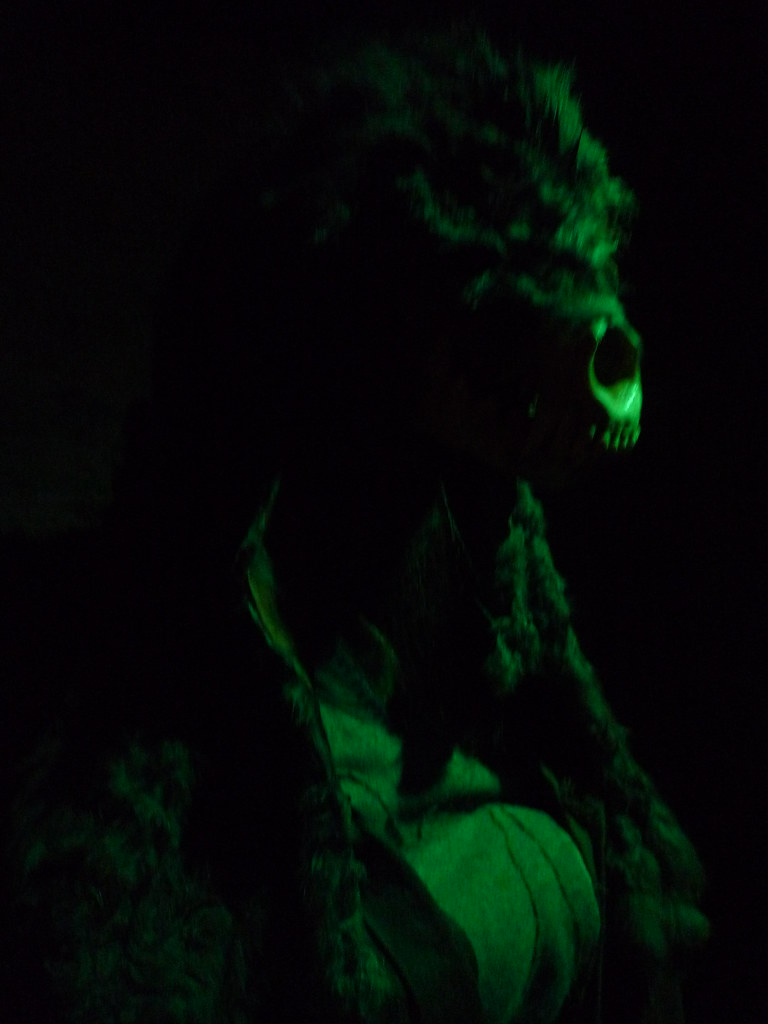
Next up was Borgarnes, where I went to the Saga museum. The saga features here was that of Egill a poet warrior who made his first kill at the age of seven, and the sites where it took place are all nearby in case one wants to try to find the gold buried by Egill's father, Skallagrímur Kveldúlfsson. The epic does not have a traditional structure and it is very clear how foreign their mindset was to our modern ideas. For example, after loosing a game similar to hockey, Egill's father kills the boy's best friend. In retaliation, the seven year old Egill killed his father's favorite servant. The saga dryly states "Relations between father and son became more strained after this." Egil Skallagrimson goes on to become an enemy (then ally, then enemy again) of the Eirik Bloodaxe, viking king of Norway and Northumbria, and had various other adventures to show off his prowess as a berserker and a wordsmith. The museum had various diorama, carvings, and creepy statues to illustrate the highlights of the story.


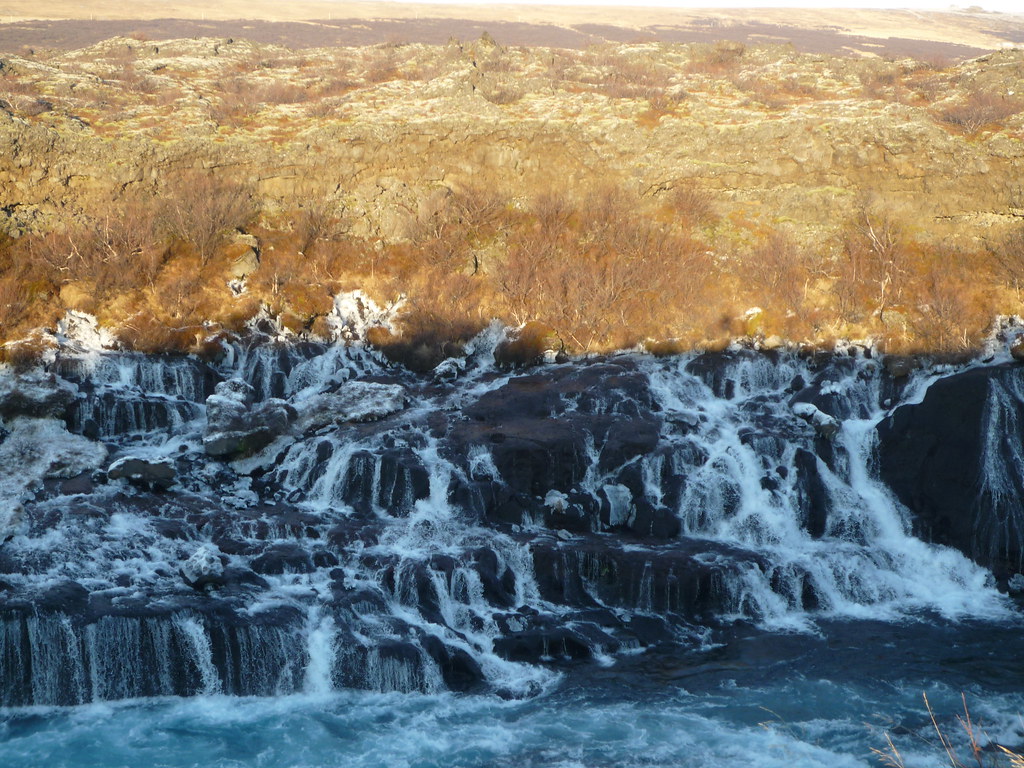
At this point I took a largish detour to go see some waterfalls and lava tubes. I passed by geothermal areas where steam poured out of the ground. The heat and water pressure are harnessed and used to power Iceland. The first waterfall was a wide cascade that appears from nowhere to join a river. The water flows underground for a ways then suddenly surfaces here.


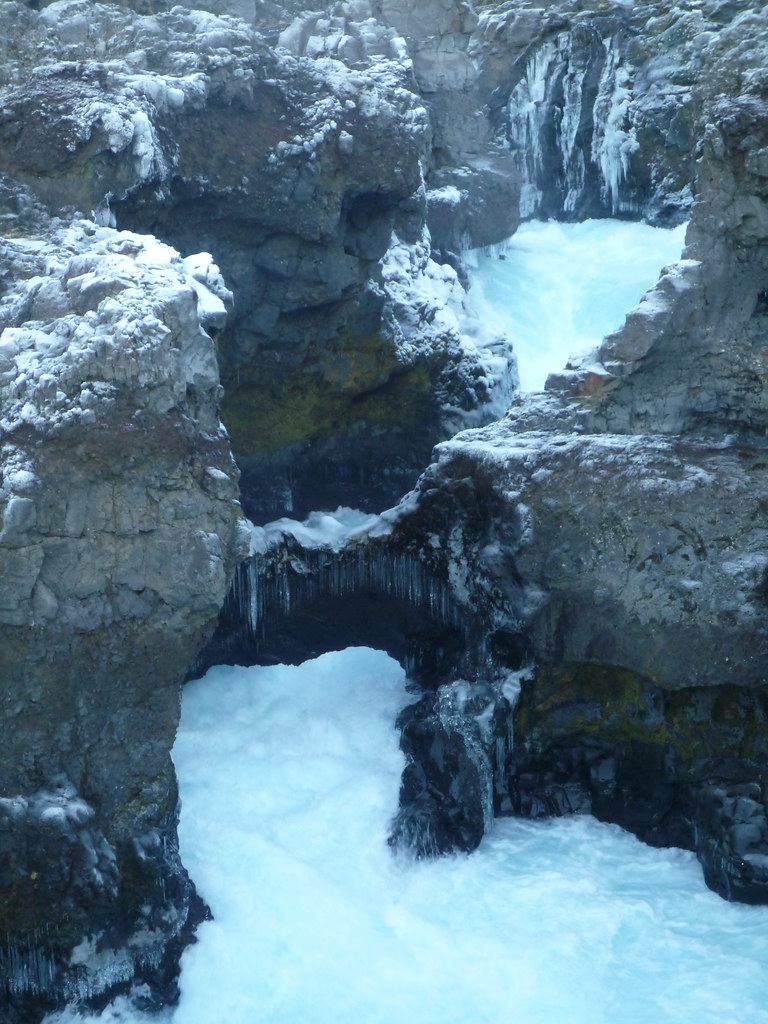
The second set looked like the liquid cold as a torrent of churning white water spilled under a stone arch. A larger stone bridge once spanned the river here, but one day it collapsed beneath two local children, sweeping them away:


I was unable to get to the caves due to the roads being terrifying:


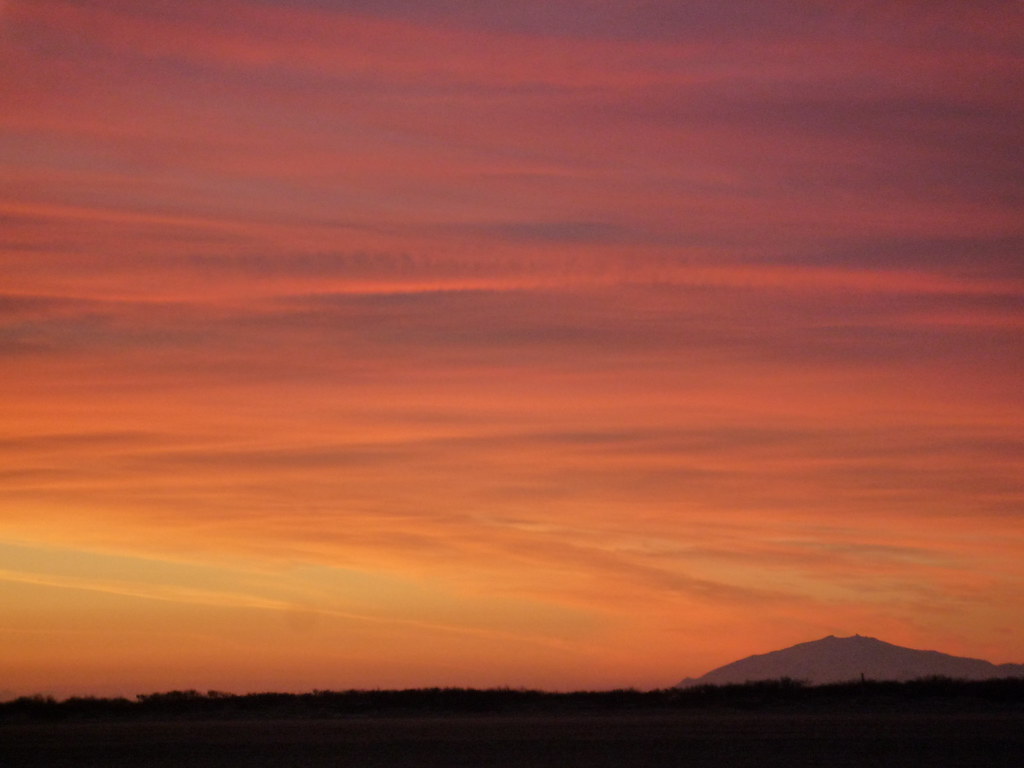
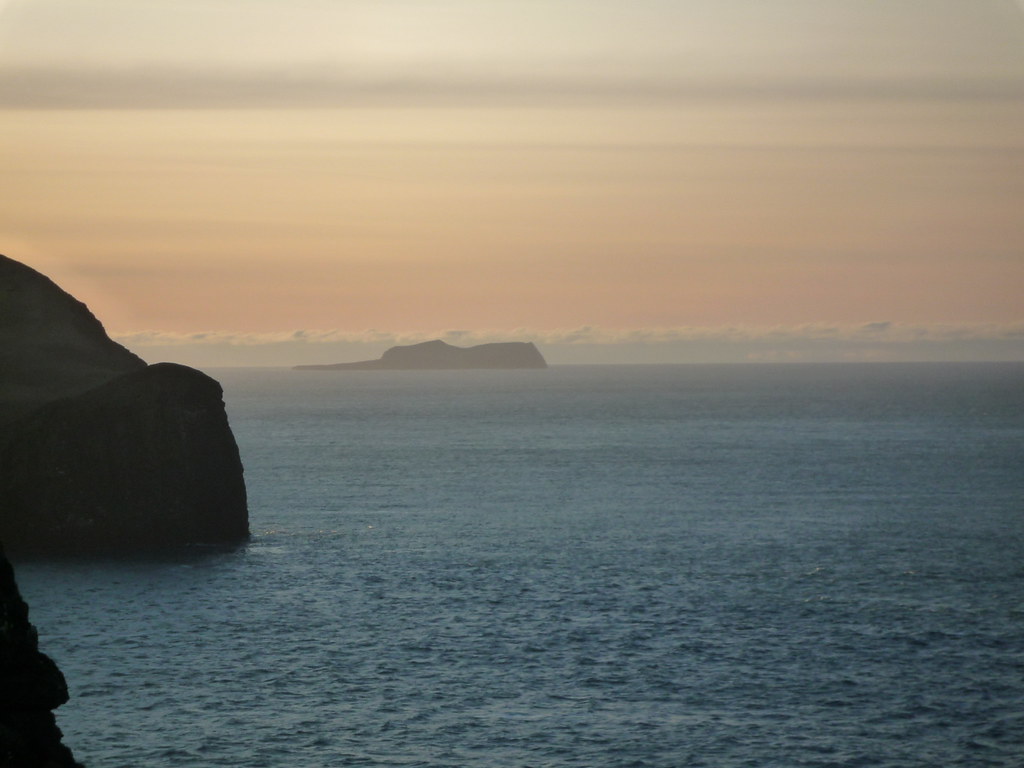
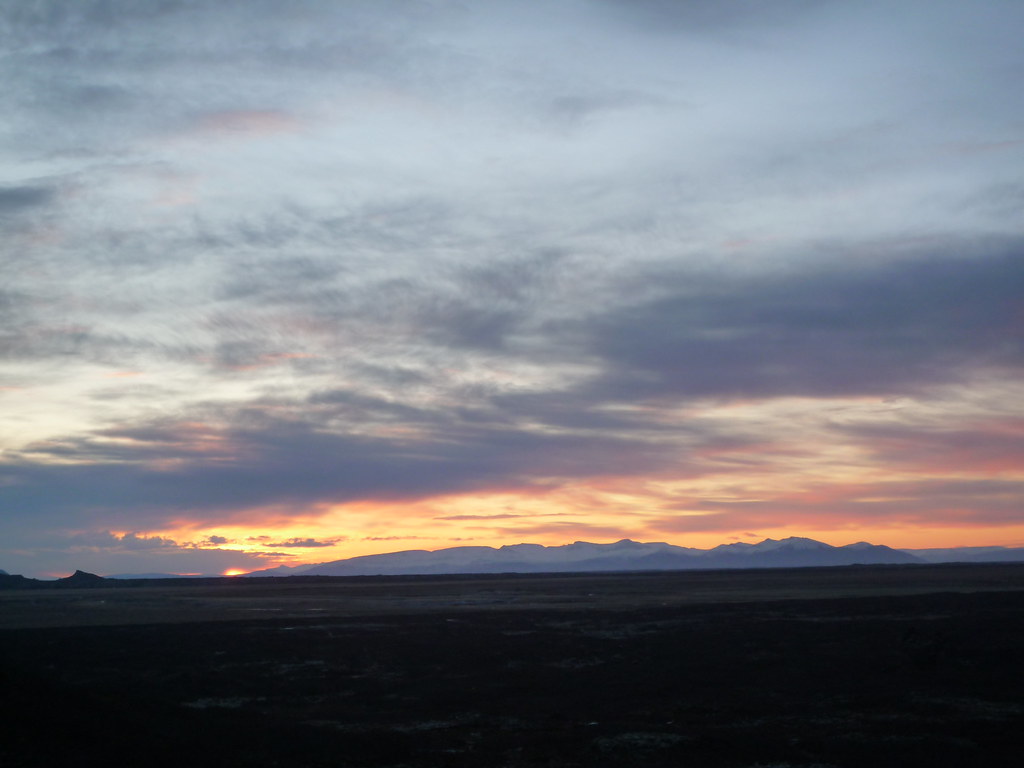
I backtracked to the Ring Road and pressed onward to the Snaefell Peninsula. I got my first glimpse of Snaefell, the large volcano at the peninsula's end, as the sky and sea seemed to turn to fire around me.


I stayed in a huge guesthouse all to myself (after the one I had intended to stay in proved to be closed for the season). It sat at the head of a trail to Eldborg, the morning's first destination.


Lots more sunset pictures here.

Þorrablót and Reykjavik miscellanea

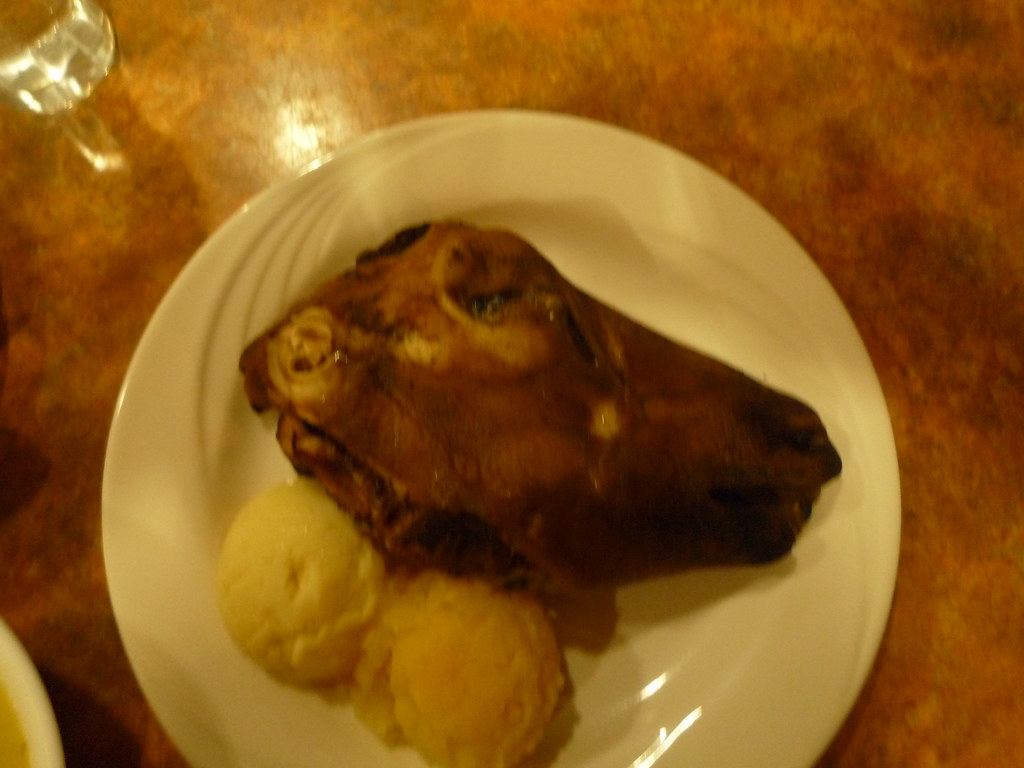
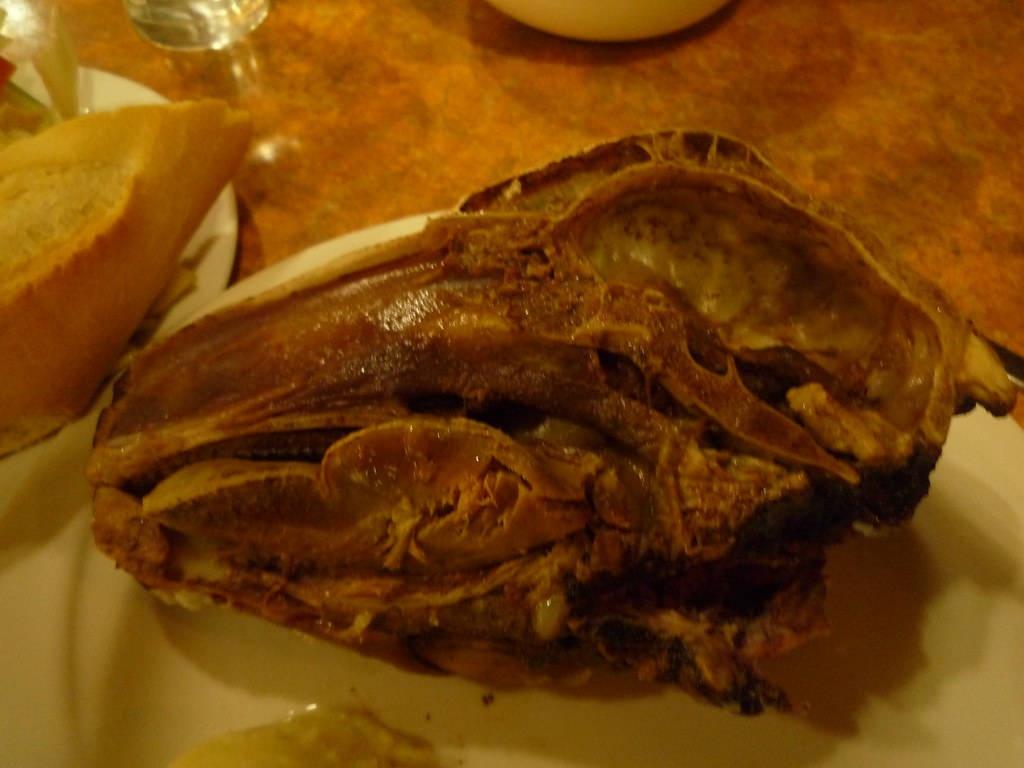
I was in Iceland for the Þorrablót, a pagan feast for Thor, which means I--as a Nordic mythology enthusiast--felt the need to participate despite the feast's contents. As with many traditional foods from formerly poor nations, these foods were winter feasts because they were the only thing left to eat and had been cured to last longer than they really should. I  was (luckily, really) unable to locate a restaurant that gave the full feast with kæstur hákarl--putrid shark's flesh left underground for months until it has decayed enough that it isn't too tough for humans to digest, only too tough to stomach--súrsaðir hrútspungar, the testicles of rams pressed in blocks, boiled and cured in lactic acid--and other (shudder) delicacies. However, I did eat Svið: singed and boiled sheep heads. Or, in my case, half a sheep's head:


It tasted about as good as it looks. The boiled skin was rubbery and definitely not edible. Most of the meat (and there's more than you'd think) was in the cheeks and gums, and was gamy even for mutton. I was able to eat it all by mixing it in with the mashed potatoes, though I nearly made myself sick even so. My compulsion against wasting food is a curse at times.

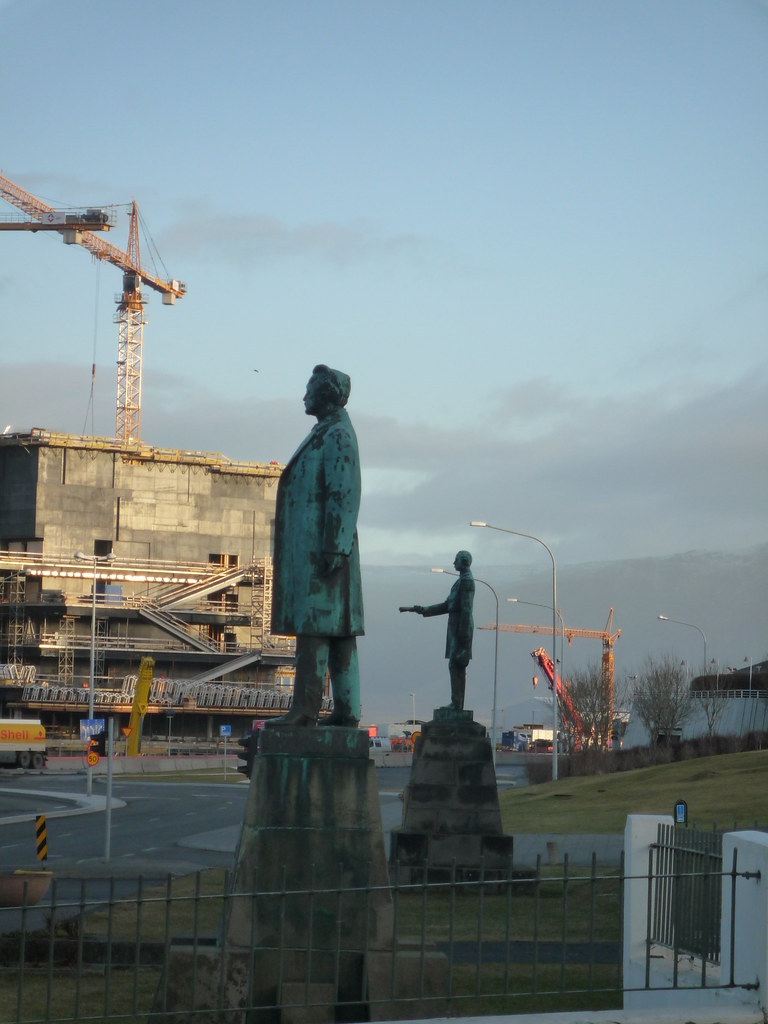
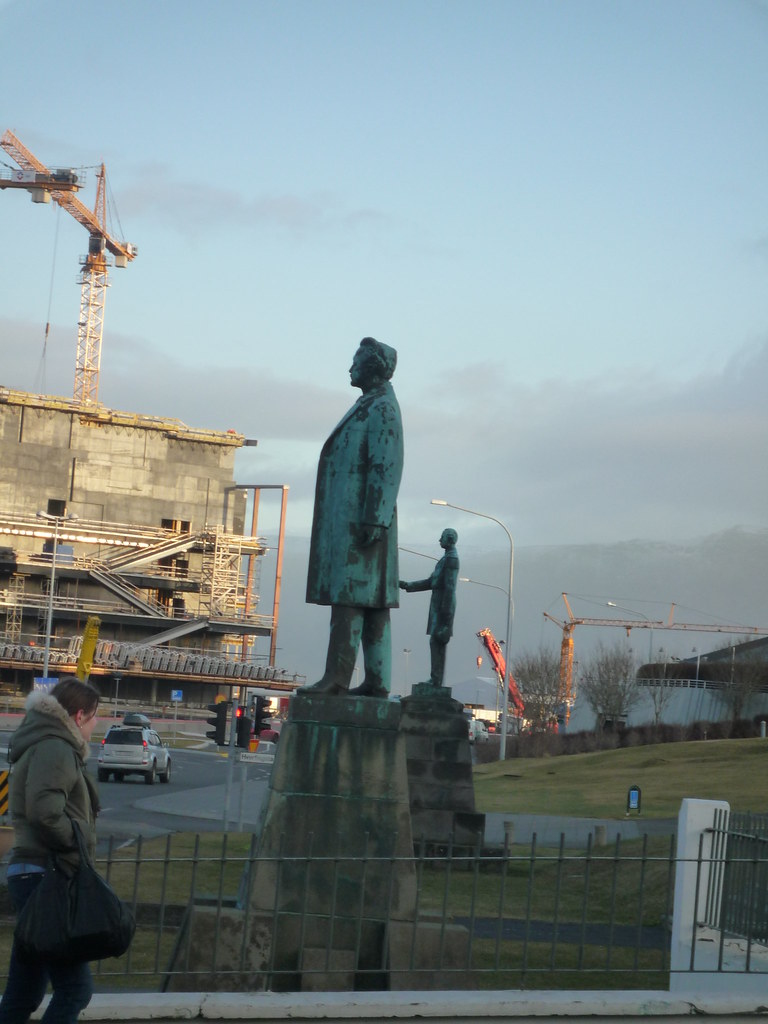
As long as we're on the subject of bad taste, here's a visual joke recreated from the cult film Reykjavik 101:


Kink Christian IX is the man presenting the constitution, and Hannes Hafstein is the one who, from this perspective albeit not historically, is receiving it.

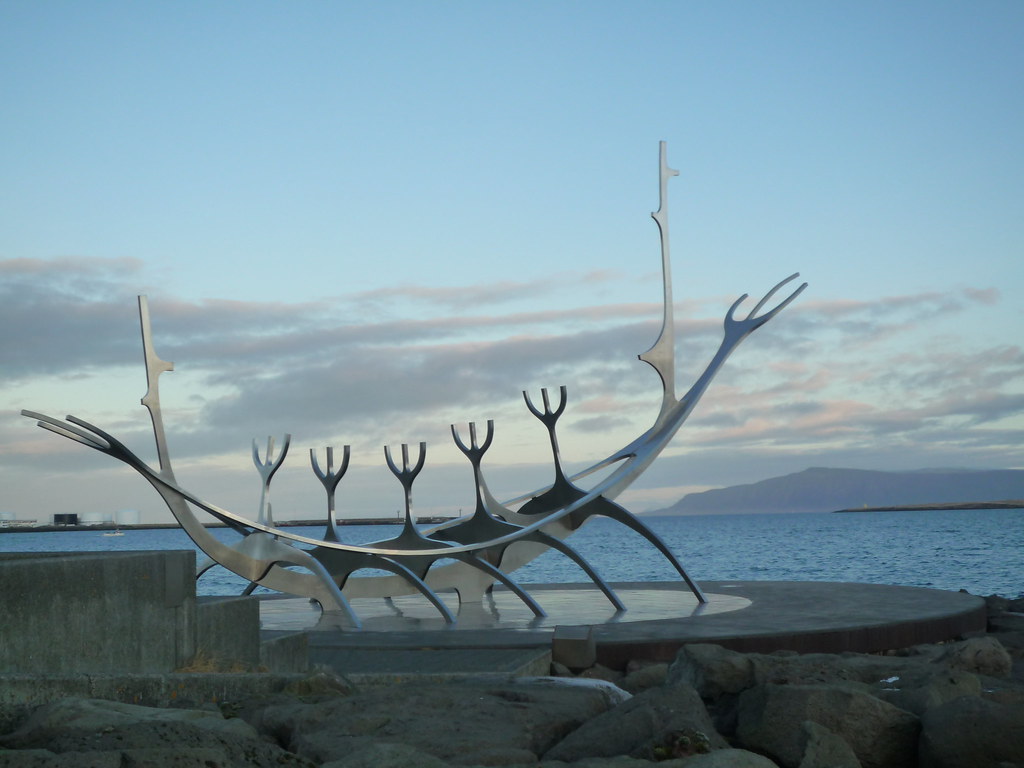
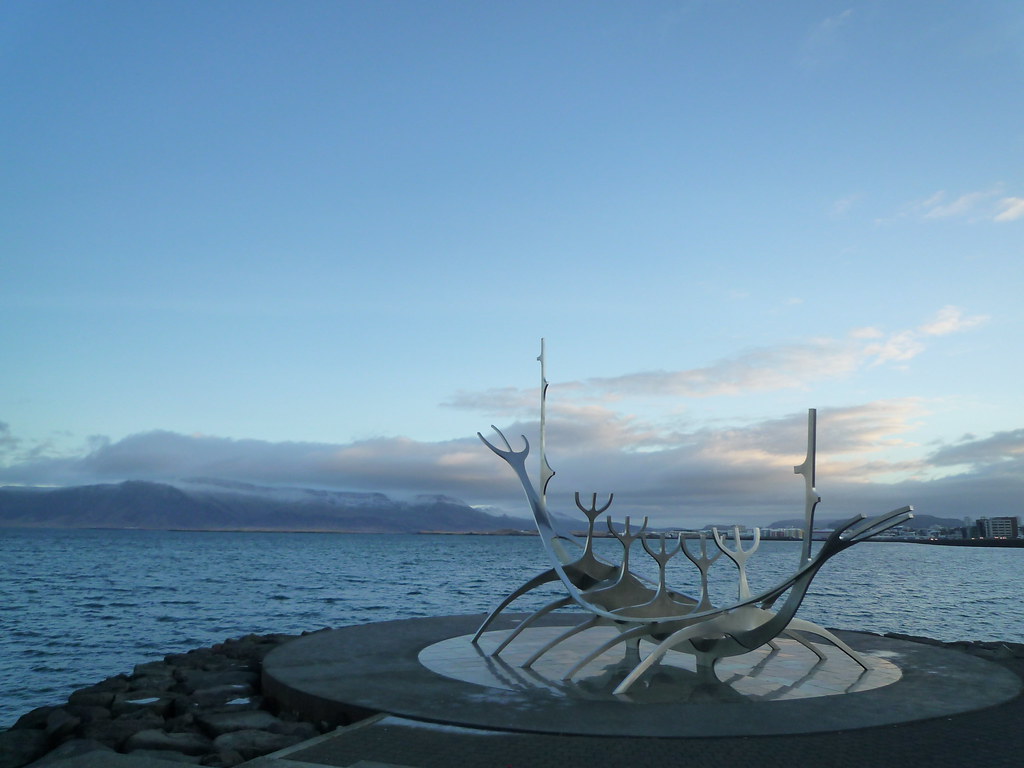
To end on a better note than Hafstein's end, here's the Suncraft, a lovely statue by Jón Gunnar Árnason.


Heimaey Days 3 and 4

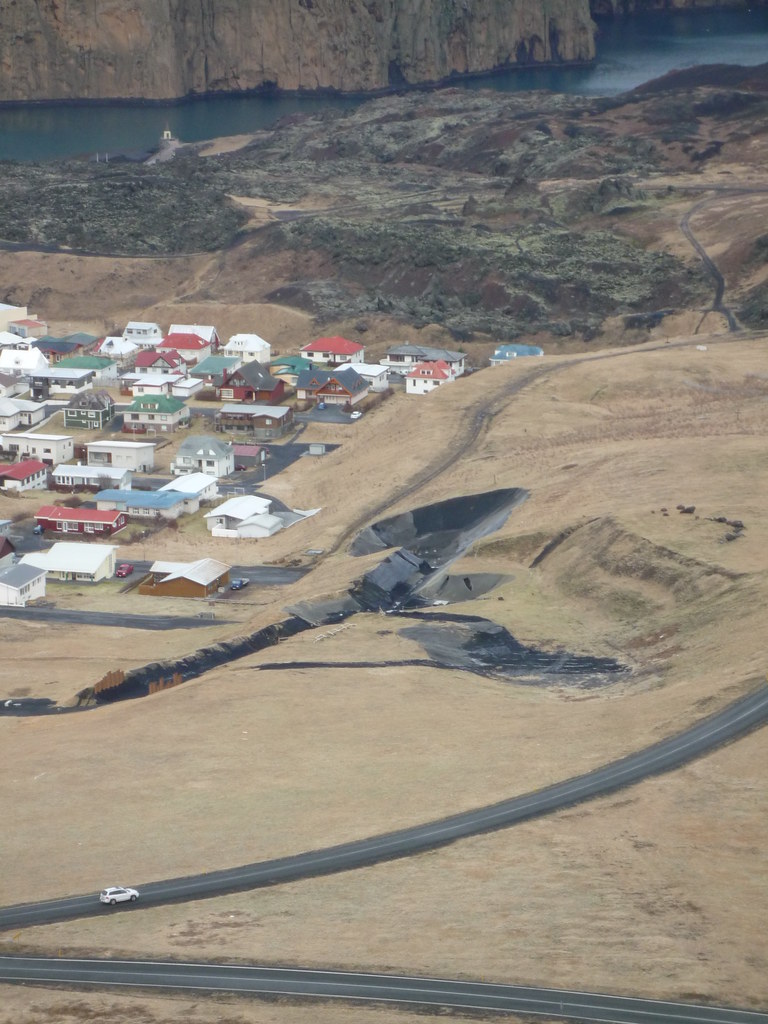
Having seen Heimaey's parimeter, I decided to explore what little of the interior I had not yet seen. I began with the graveyard, which has some interesting statues nearby. There were some fantastic shots of ash falling around the angel statue during the 1973 eruption.

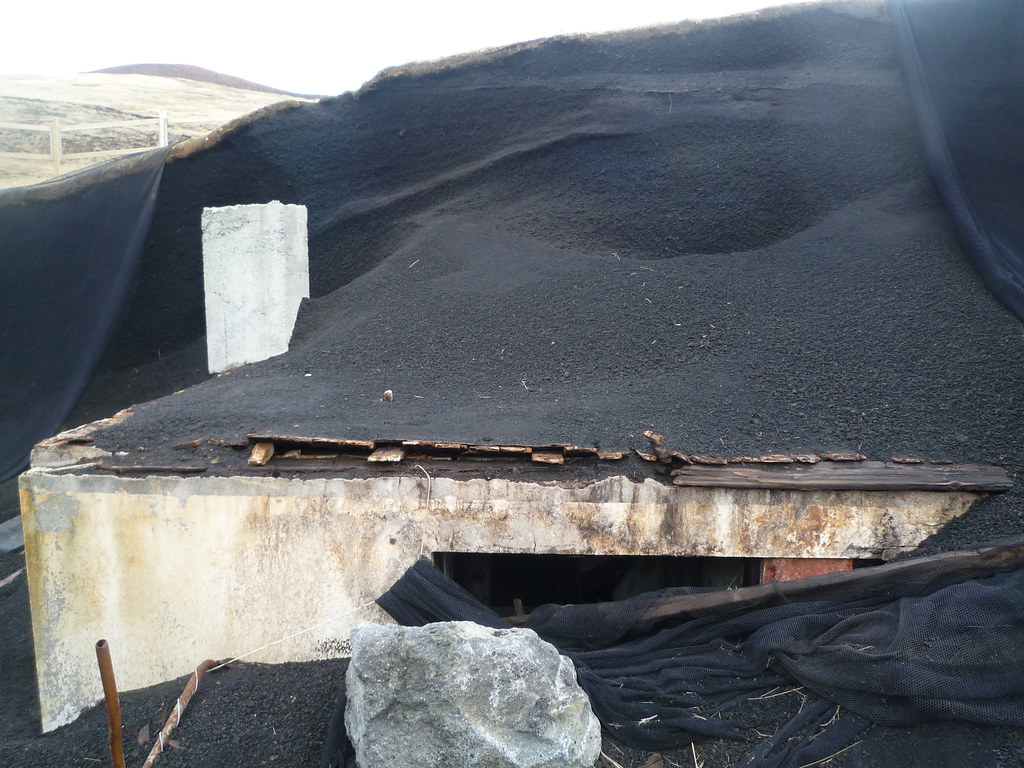
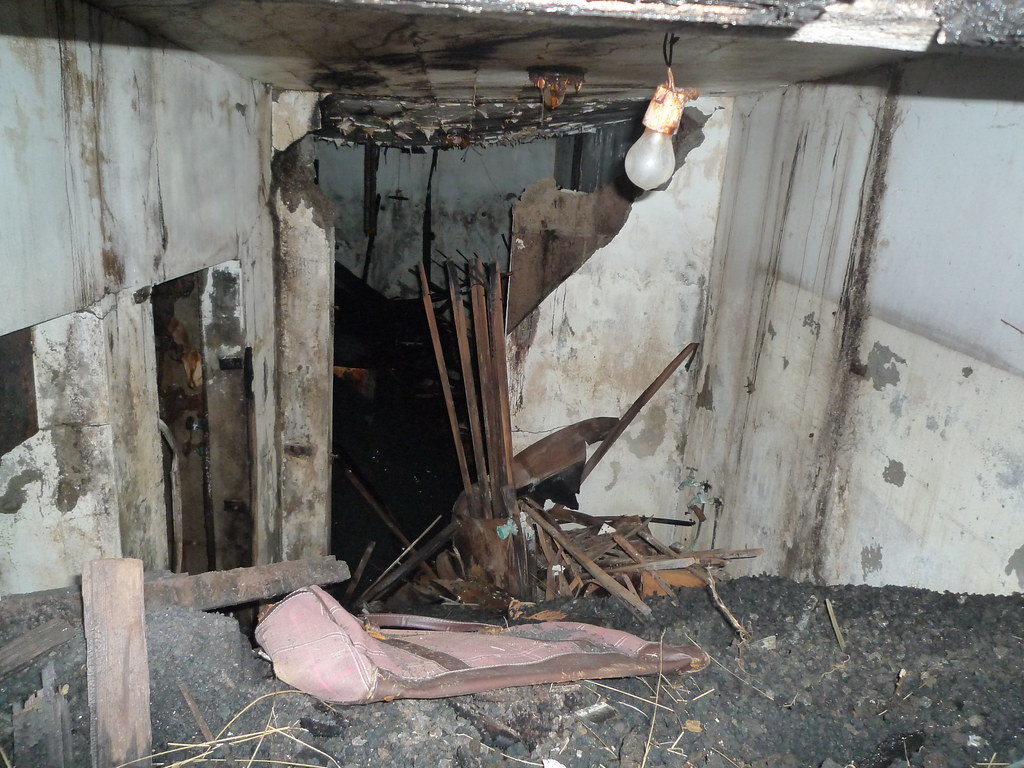
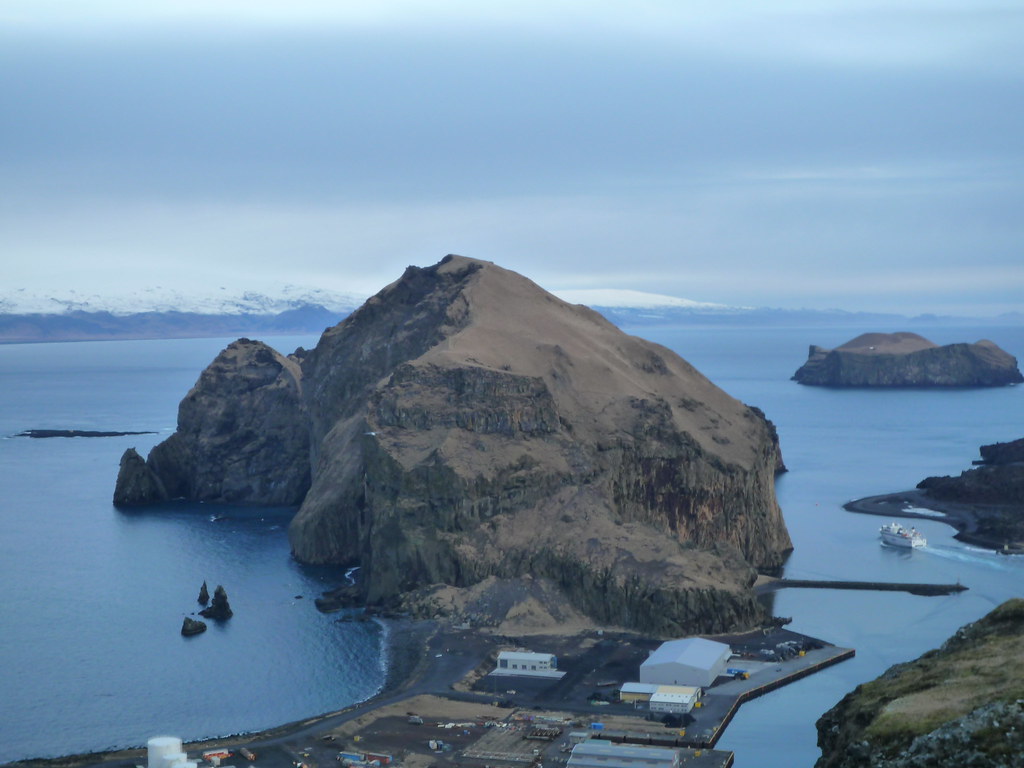
From there I went up to Helgafell, the island's central volcano. Once again I had spectacular view of the entire island. I could clearly see my next stop, the pompously-titled Pompeii of the North, an excavation of several of the buried houses.


While a fine layer of hot ash of Vesuvius perfectly preserved the Roman town of Pompeii, Eldfell was not as gentle to the houses (though far kinder to the people).


I then proceeded to pick up where I had left off at sunset on my perimeter perambulation by going across the Northwest coast of the island. The coastal path goes across a golf course, which of course was not in use in the winter.

  Beyond that was the fairgrounds of the festival I mentioned, which lie at the base of precipitous cliffs, which, naturally, I walked up.


(If you look closely you can see the trail up, though I actually took a parallel one.)


The views were breathtaking, and the vertigo I got switching between my camera and my eyes were even more so.
 The day before I had thought that Heimaey might be the location for Sigur Rós' Glósóli, the most beautiful music video I've ever seen and which still gives me goosebumps.


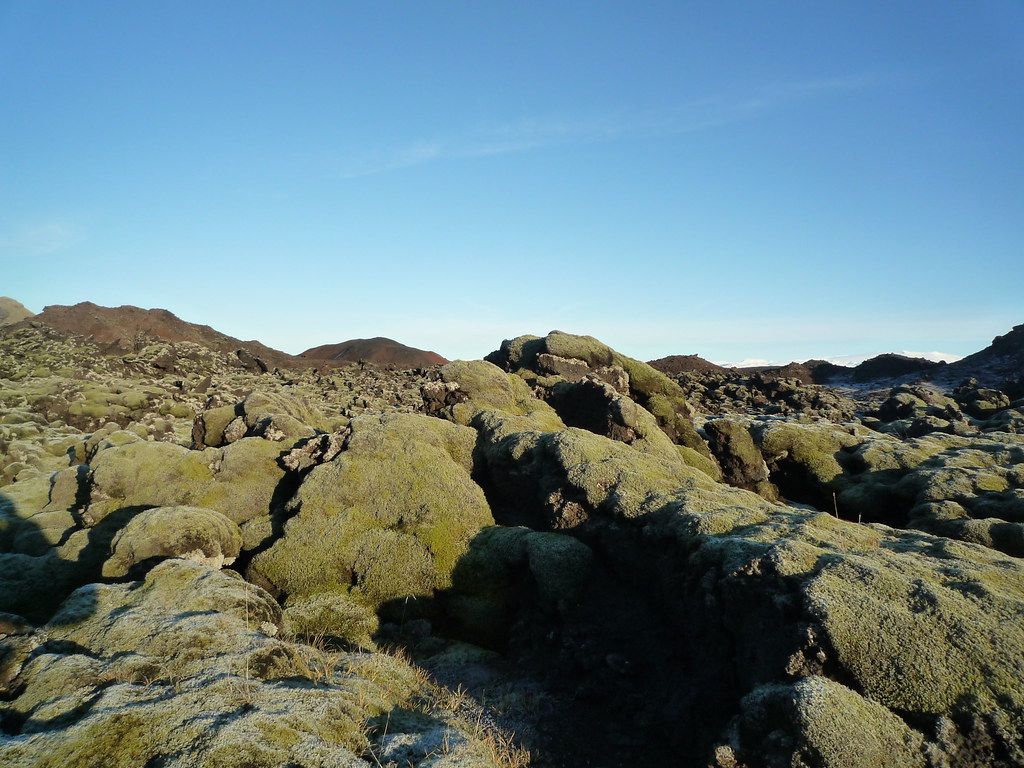
These cliffs made me think so even more, but after watching the video again it became clear that it was actually filmed on the mainland of Iceland. It turns out that moss covered lava fields and imposing cliffs are actually fairly common in Iceland.

I made my way along the narrow path and was actually not the only one out on the heights on that blustery day. I went the wrong way around a rock outcropping, though, hoping to get a better view of the festival grounds, and... well, let's put it this way: I was honestly afraid for my life at a couple points scrambling across scree fields with nothing to stop me from rolling down the embankment for hundreds of feet. My foolhardy choice did let me see these icicles on an overhanging section of the outcropping and that view I was hoping for with another awe inspiring Icelandic sunset in the background.


I smelled sulfur in the air as I trudged on. It took me some time to pick my way across the jagged hills and back down to town, so I missed the ferry. So it goes.


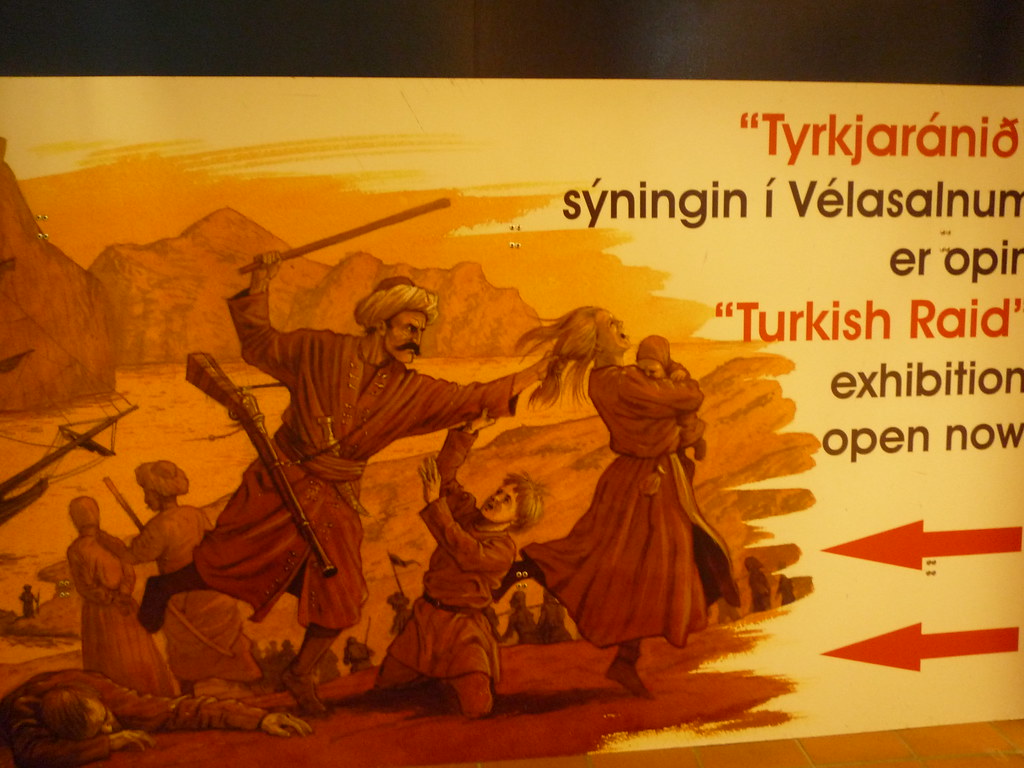
On the first of February I slept in then went to the town's museum, which was mostly about the pirate attack of 1627 and what happened to those taken, especially those who managed to travel back to Iceland from the far end of the Mediterranean (the pirates were mistakenly thought to be Turkish but were actually Algerian).

.

I made my own journey back along the ferry and bus to Reykjavik.

Heimaey Day 2

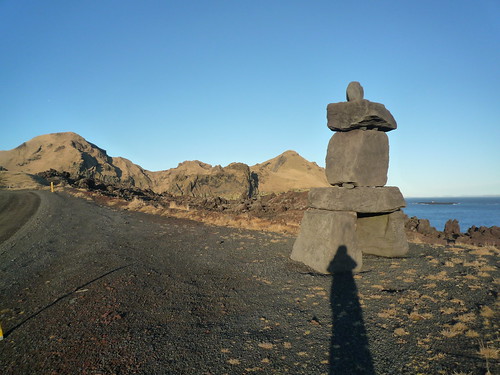
I decided to walk the entire perimeter of the island on my second day. I began by passing the house graveyard again and continuing on around the East coast where the ground is considerably younger than my parents. About a square mile of land was added by the '73 eruption, and it is just beginning to be developed. As I looked at new construction to one side of me and the impressively eroded cliffs of the islands on the other, I was amused by the length of my noonday shadow:


I cut inland and scrambled up hillsides and across fields of beautiful moss (and frost) covered lava formations to reach Eldfell, the volcano that caused all the trouble for the islanders.


Eldfell was was actually still hot. Lonely Planet talked about the locals still using it to bake bread, though I saw no evidence of such. I did, however, see steam coming from a vent in the crater and many spots where the frost had melted from the heat emanating from below.


The rocks near the mountain still look like they are flaming:


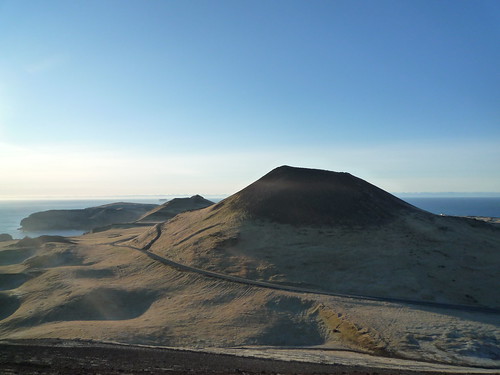
None of this, of course, kept me from walking in the crater or along the ridge of the side of the cone that didn't collapse. I ascended along the line between the frost covered interior of the mountain and the sunlit slope.


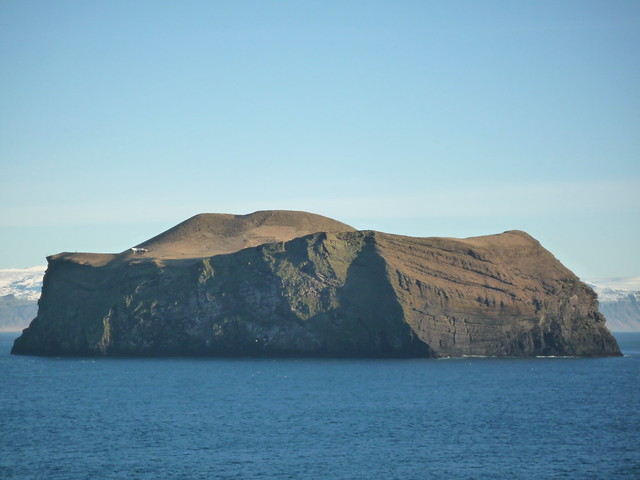
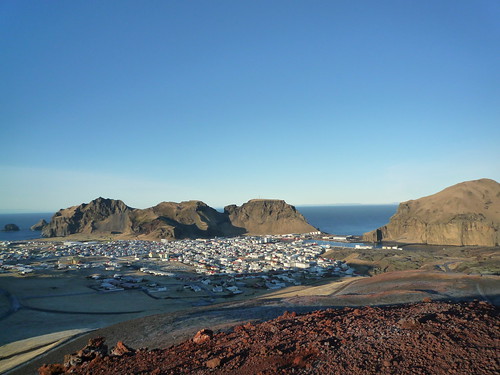
The top gave a wonderful view of the whole island as well as other islands and the glaciated mountains across the water. I could clearly see the new land, the town, and Helgafell, the island's original volcano.


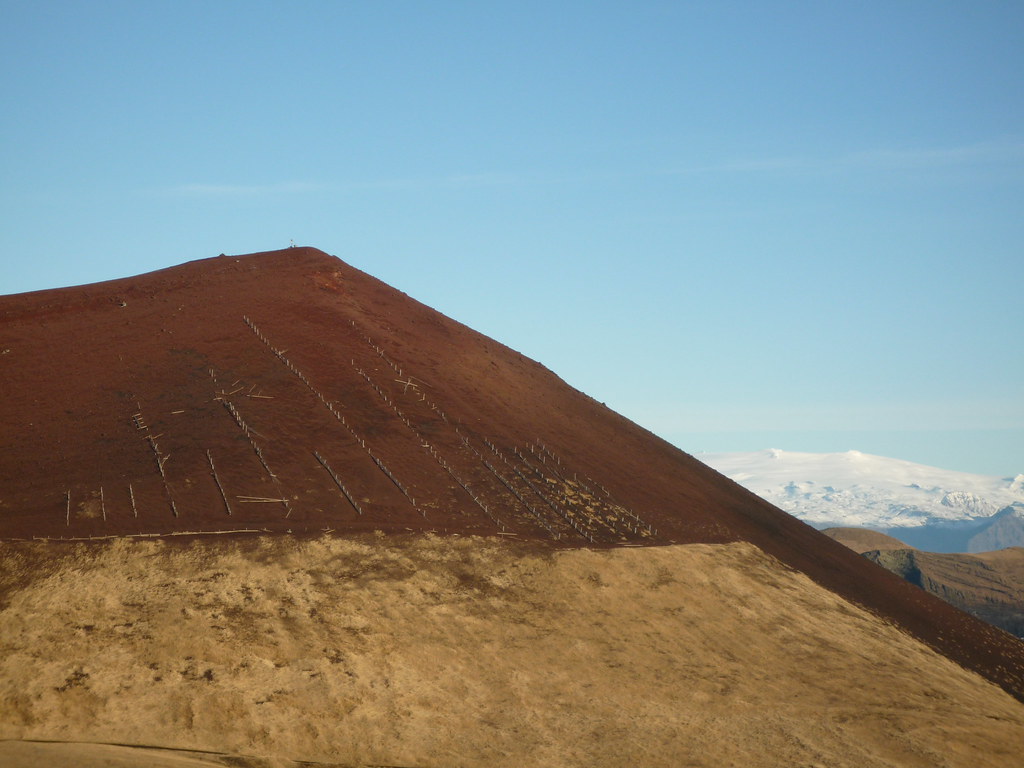
I descended alongside some wonderfully weathered fences down to where grass had been planted to keep the new land from eroding too badly. At about that point I realize I shouldn't be walking there because I was contributing to erosion myself. When I had the chance to look back the line between the grass and the top of the cindercone is striking. I remember thinking to myself "oh, I get it: the fence is to keep the grass out," and then laughing to myself. Traveling alone makes one slightly mad...


At the volcano's base, I saw a pile of bread laying on the frosty grass, and I had seen a similar pile in the house graveyard the day before. It would be perfectly reasonable to assume that it was left there because someone accidentally dropped it or happened to be standing there when they noticed it was stale. However, I prefer to believe that it was an offering, perhaps to the huldufólk -- hidden people or elves -- that are a part of Icelandic folklore. The average Icelandic person now typically doesn't believe in the hidden folk, but isn't willing to say that they don't exist either. The locals I talked to thought it was probably a coincidence, and they are probably right, though that isn't as fun. In any case, I moved on along the visible ridge of where the island split open From Eldfell on South. On the way I saw a bathtub with quite the story behind it. A fishing vessel sank off the island's coast, and one of the crew managed to swim the six kilometers to shore, where, exhausted and thirsty, he found this tub left to collect water for sheep, broke the ice on its surface, drank, and thereby regained enough strength to keep walking across lava fields to the nearest house. For the full story check out the pictures (in case there just weren't enough in this post already).

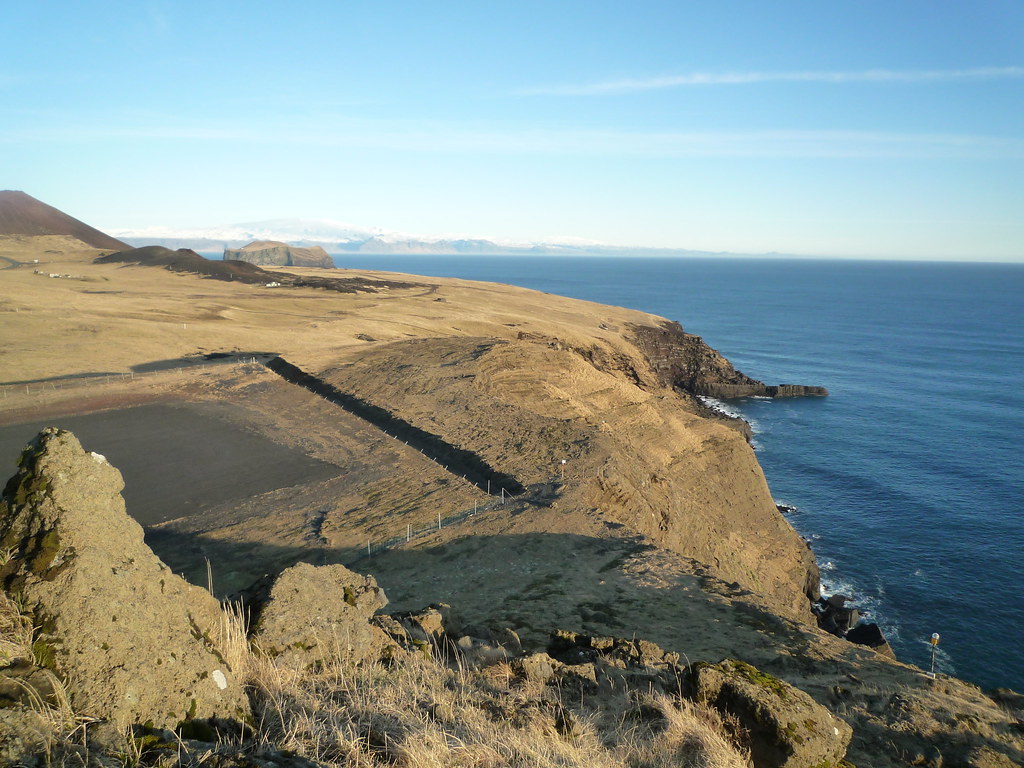
I wandered by some sheep ranches, and actually had to cut through a couple to go around the airport, which takes up a fairly big percentage of the tiny island. The runways are a little too close to the plumeting cliffs for my taste, but then again I was the one walking between the runway and said cliffs, so who am I to complain about safety?


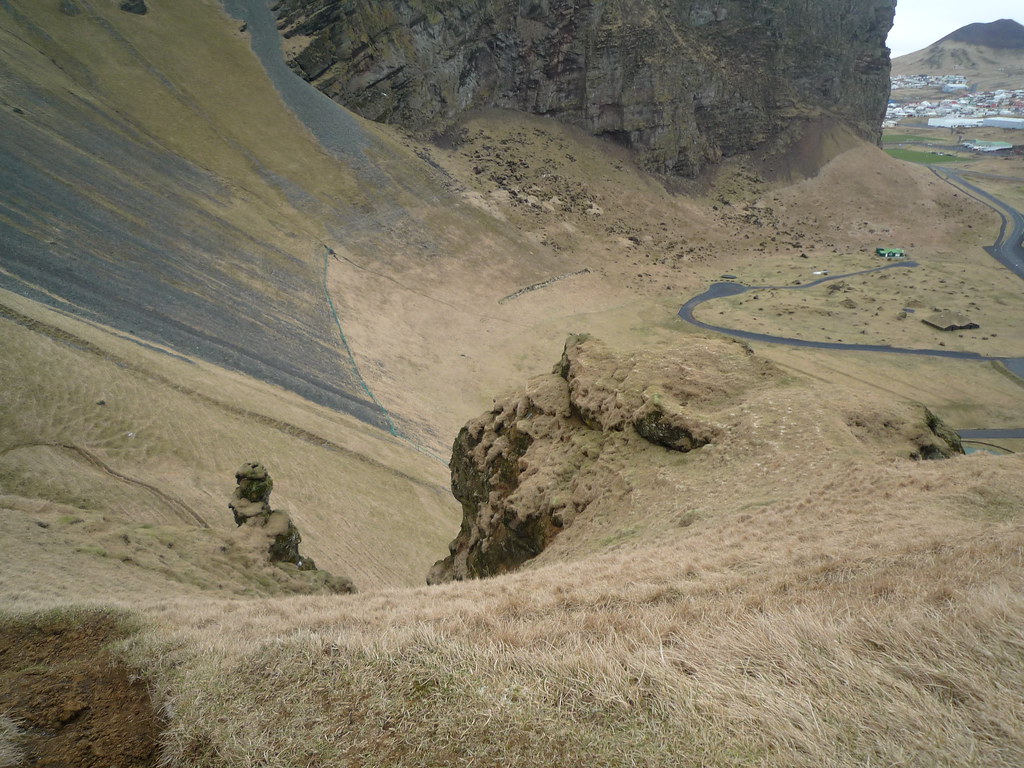
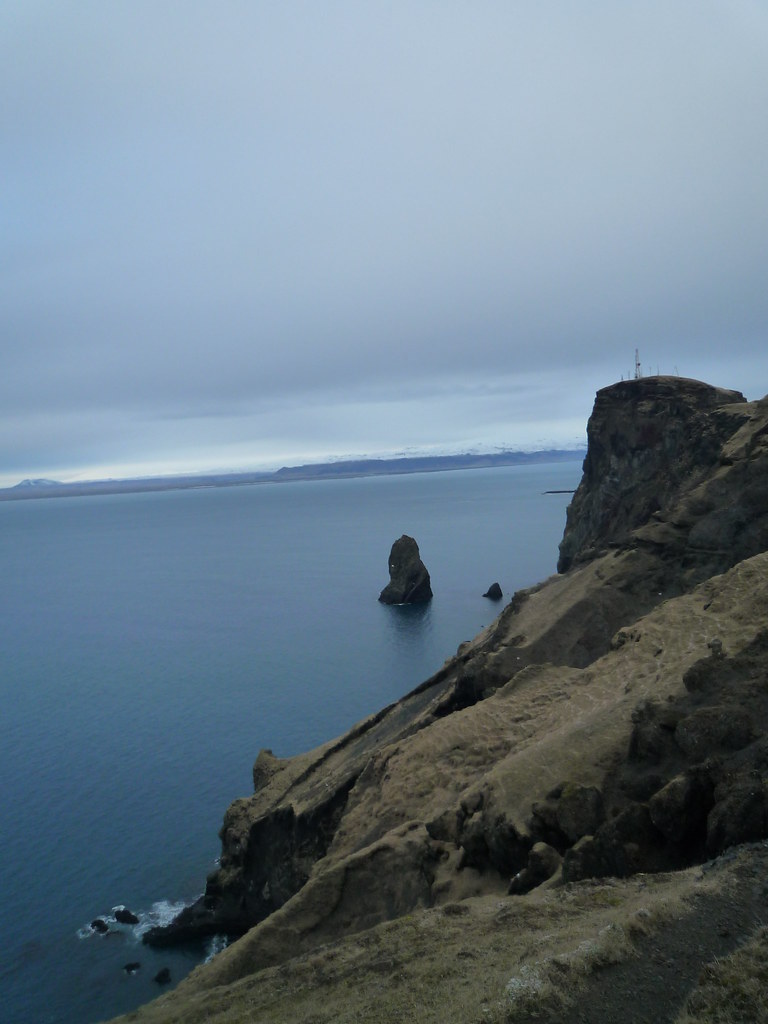
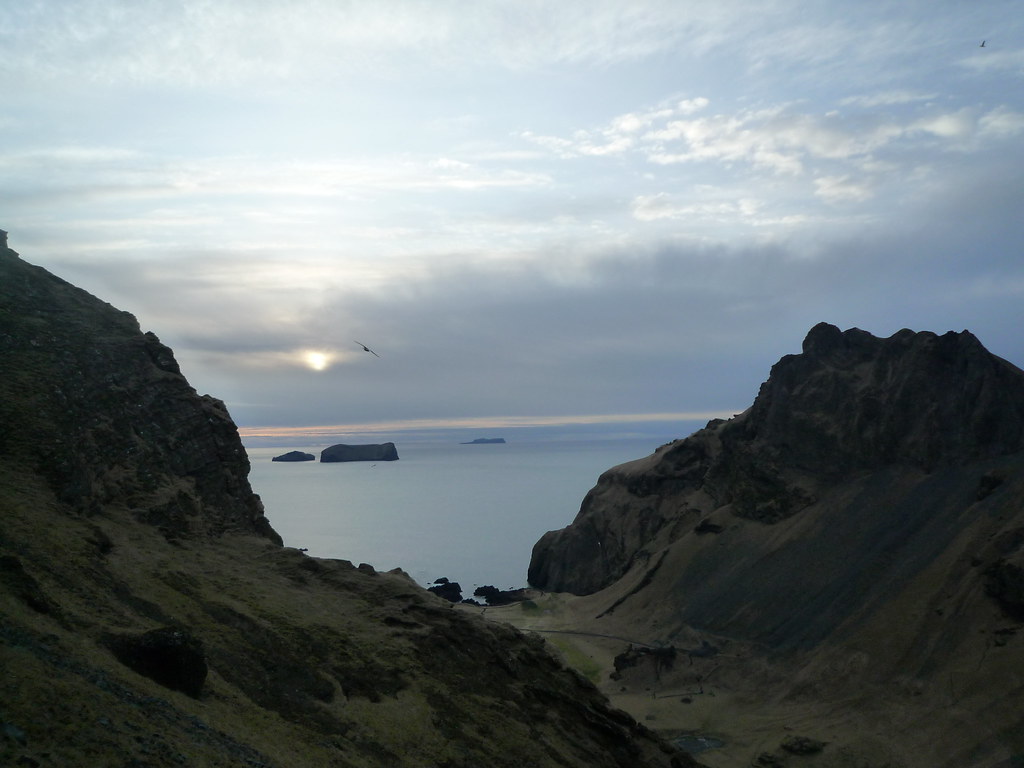
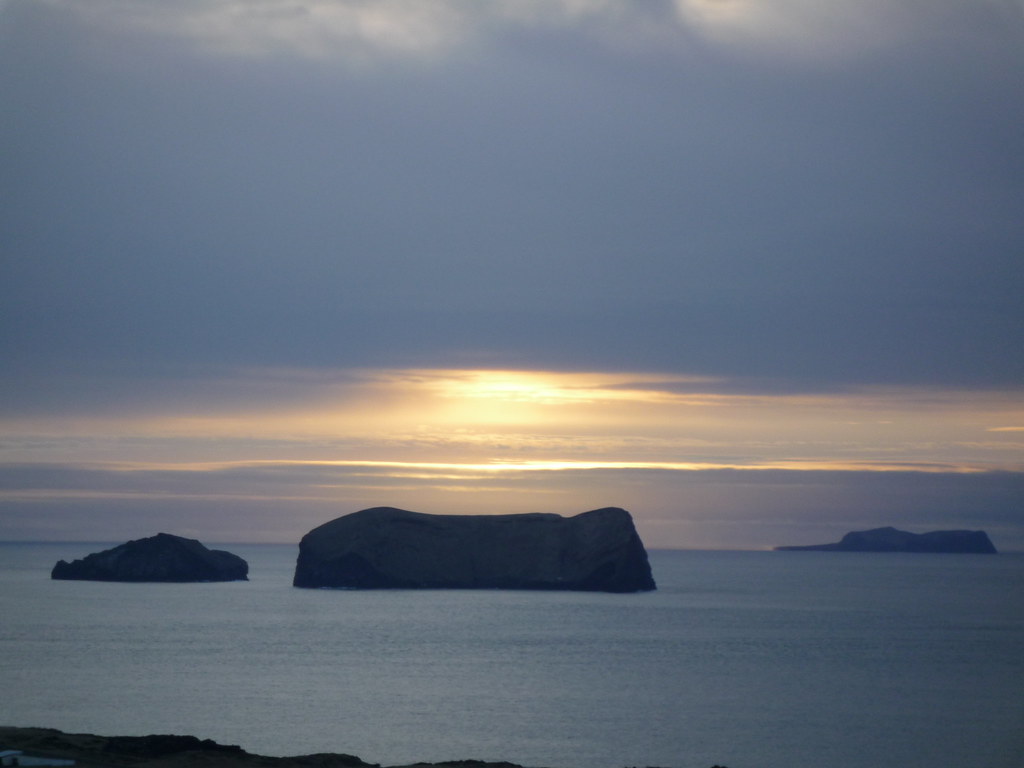
The walk across the narrow Southern part of Heimaey was windy, which in combination with the presence of steep cliffs made for an interesting jaunt. I took a quick stop at Pirate Cove, where Algerian pirates landed and conquered the island, taking many prisoners back with them as slaves. The stone fort at the entrance to the bay was made to repel these same pirates, but the pirates captured some fishermen whose information let them avoid the defended area and land at this unprotected point. The land rose back up to steep cliffs again for the Southermost tip, where I went to get some pictures of Surtsey and other small Vestmannaeyjar islands.


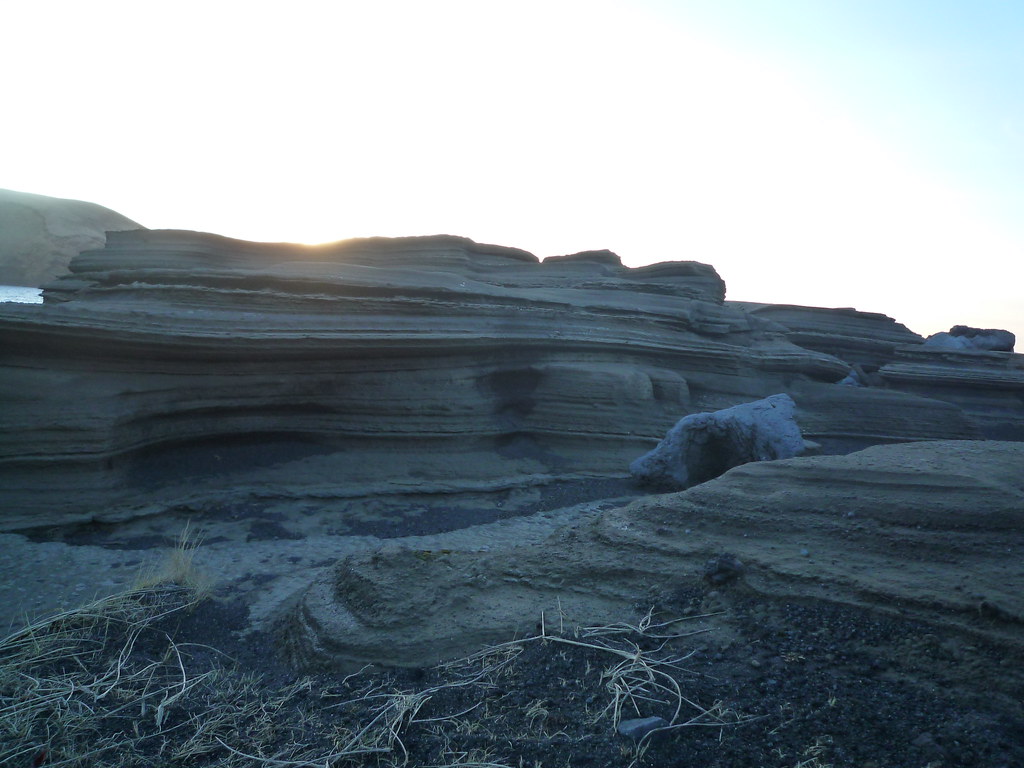
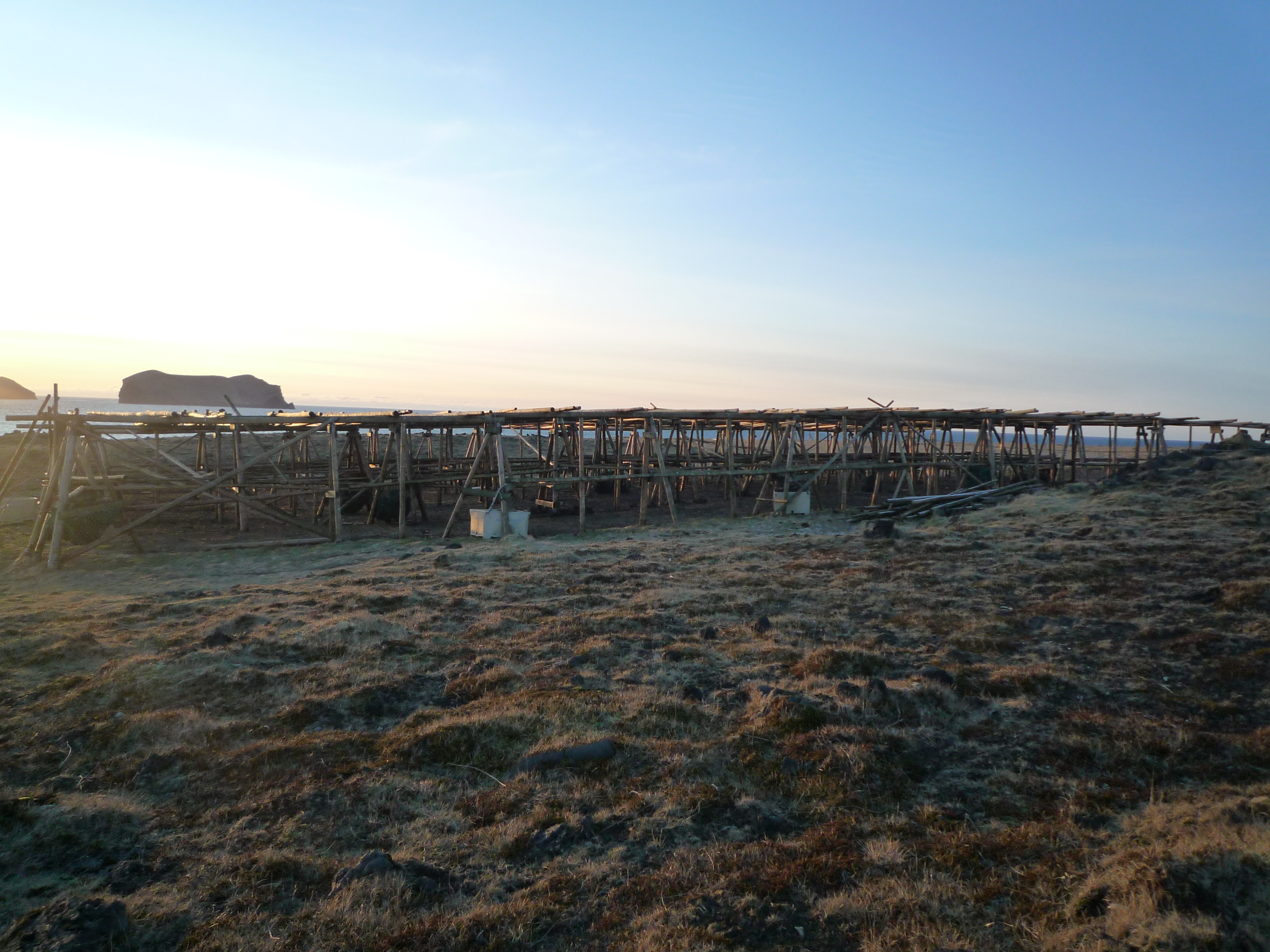
 I tread along sheep paths that were a bit too steep for my liking, especially with the strong winds, before heading back North. I found myself keeping pace just ahead of a man with a large camera who stopped to take (much better) pictures in pretty much the same places that I did. We walked by beaches, basalt columns, weirdly eroded volcanic rock, and nets full of rocks that had inexplicably been hung up on a wooden structure.


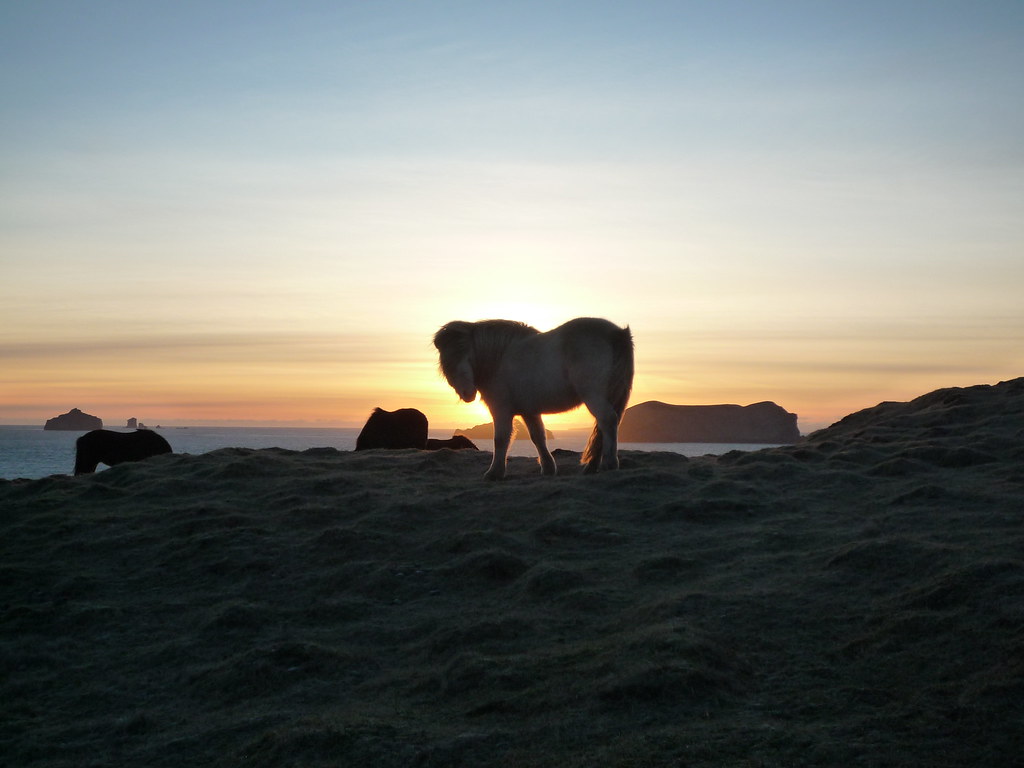
I stopped at one point, confused as to where the trail went next, and the man caught up with me and was kind enough to be my guide for the rest of my walk. The 60 year old had witnessed both the eruption of Surtsey and Eldfell and told me stories of hunting puffins on the islands we had just photographed. He also takes his photography pretty seriously and advised me of good angles to take, so I can thank him for this shot of Icelandic fuzzy horses: 


 He took me to his home, where I met his wife and young son. They were all incredibly generous hosts. His wife gave me hot chocolate and cookies w/ black licorice inside, while he showed pictures of the island. He had some wonderful shots from the cliffs above of the yearly festival that takes place on the island, which is supposed to get pretty wild with sex, inebriation, and rock and roll. It is apparently a rite of passage for Icelandic teens and temporarily doubles Haimaey's population. If I ever get back to Iceland in summer (which I'd love to do) I'll be sure to attend. As I left, he gave me his hat with an Icelandic logo on it as a keepsake, which I found rather touching. He offered to drive me back to the hostel, which I accepted mostly because I wanted to talk a little more (it's not exactly a long walk across town). In his car he had a stuffed puffin head as a rear mirror decoration. 

After we parted I had a succulent meal of monkfish and prawns in garlic butter. Monkfish may be horribly ugly, but they are as melt-in-your-mouth delicious as any lobster. 

Wednesday, November 3, 2010

Site changes

I felt it was about time for a new picture montage on the top bar. Here's the old one for posterity:


Also, a reminder that if you can figure out at least five of the quotes from the Babel Fish quotation challenge and email them to me then I will send you weird socks/ties/t-shirts/whatever from Korea.

Update: Wow, that new photo set looks pretty damned narcissistic in retrospect. Oh well. I guess having a blog all about yourself is already narcissistic, I might as well be open about it.

  © Blogger template 'Minimalist G' by Ourblogtemplates.com 2008

Back to TOP