My plane from Seoul landed in Osaka, and I found my worries of being illiterate were unfounded because all of the signs were also in English. Thus I was able to buy a train ticket at an automated kiosk and head out past Kobe - of beef fame - to Himeji. I was happy to note that people tunneled properly when entering and exiting the train, whereas in Korea there were arrows on the ground to show people how to efficiently have rows of people embarking and debarking at the same time yet no one followed the instructions. The seats on the train had a brilliant design where the backs could be moved to change which way the seat was facing. Thus two or four friends could sit facing each other, or everyone could change their seats to face forward even after the train reversed course. I loved everything about the trains in Japan except the price tag, which seemed bloody high after the mass transit in Korea.
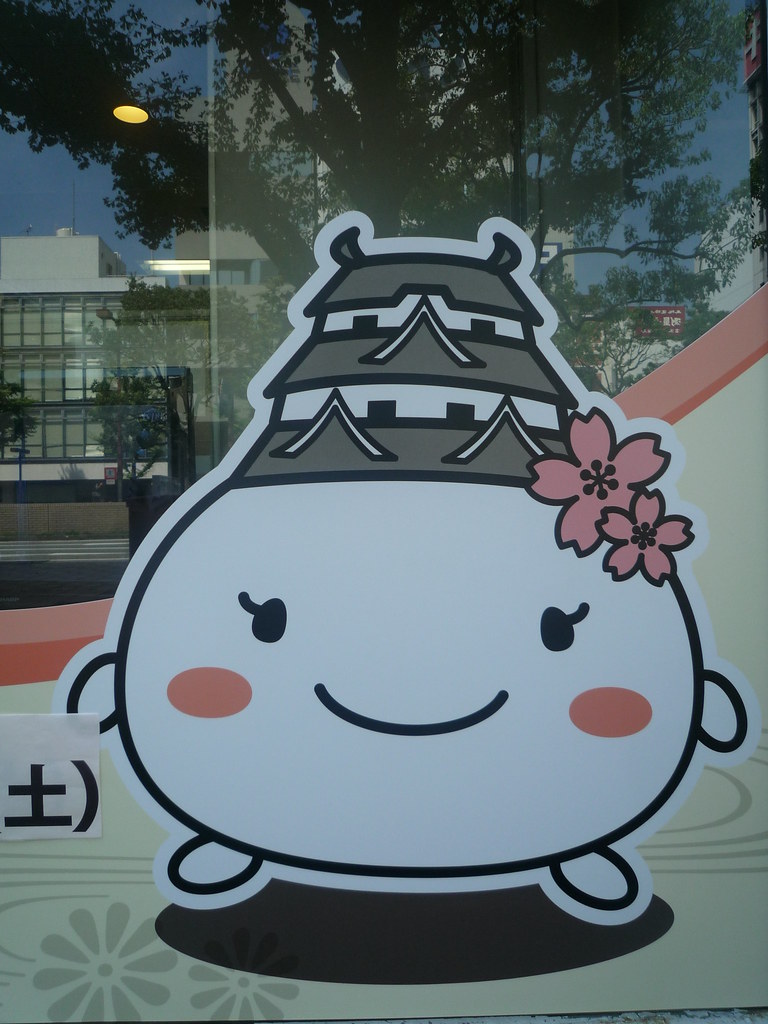
In Himeji I found that the tendency to anthropomorphize everything extends across East Asia. Even an ancient castle has to be cute.
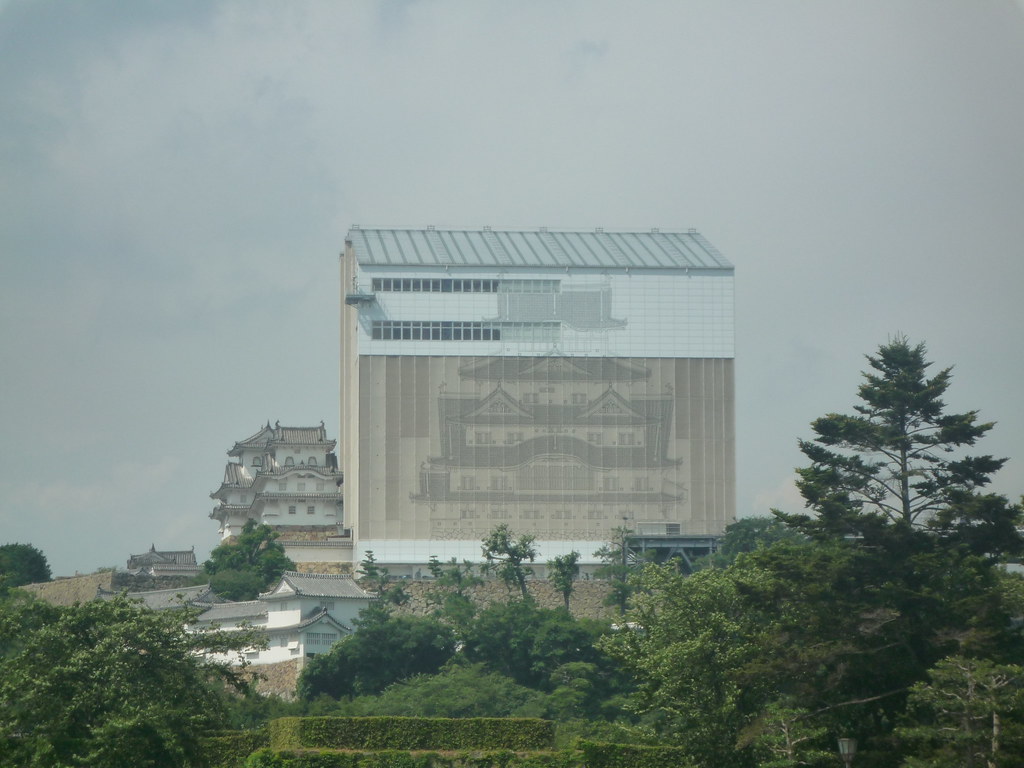
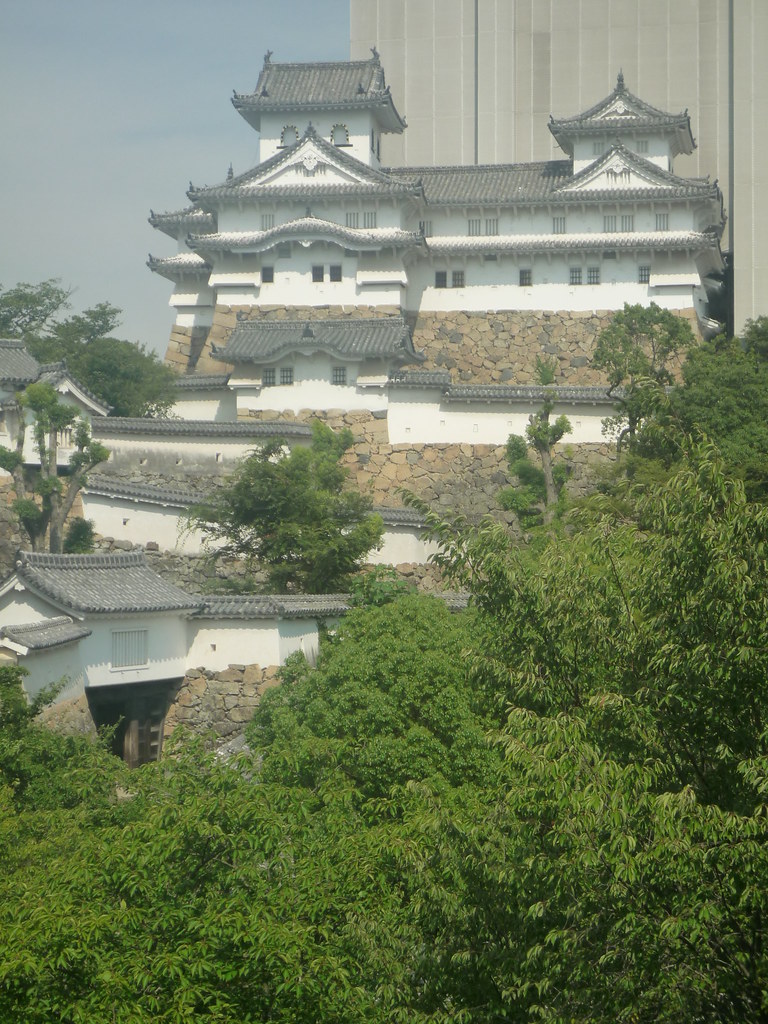
I knew that Himeji was under renovation and that there would be scaffolding, but I didn't realize how covered it would be. I admit I was rather disappointed that none of Japan's most impressive castle was visible at a distance, though I understand the need to protect the old building from the elements.
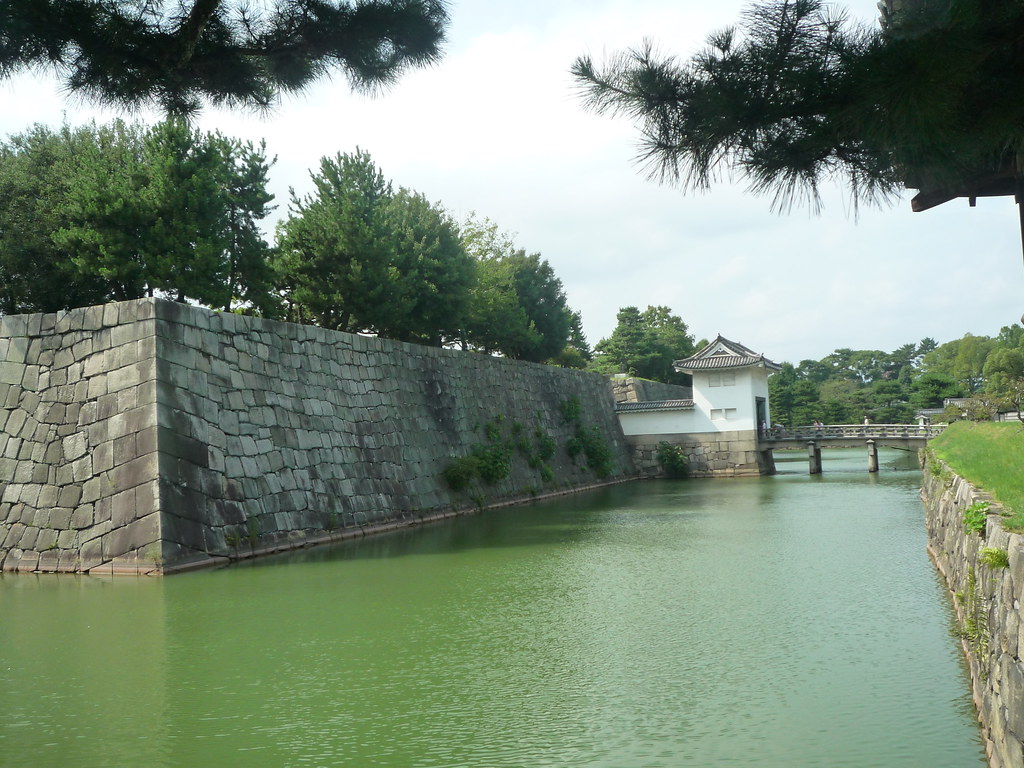
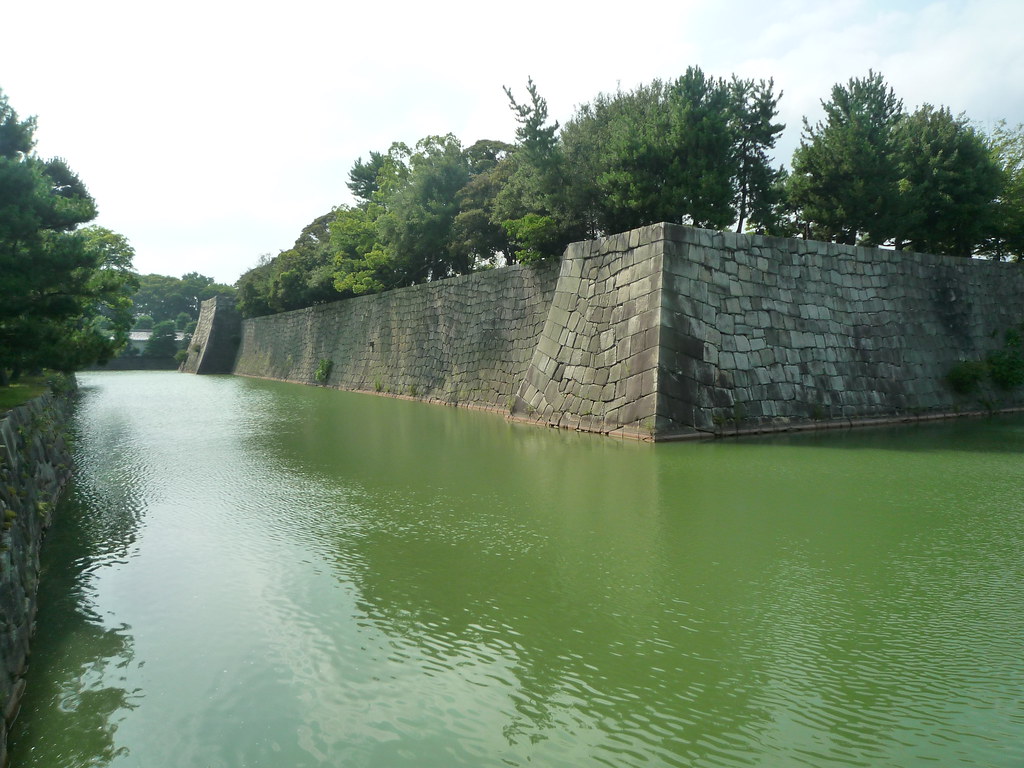
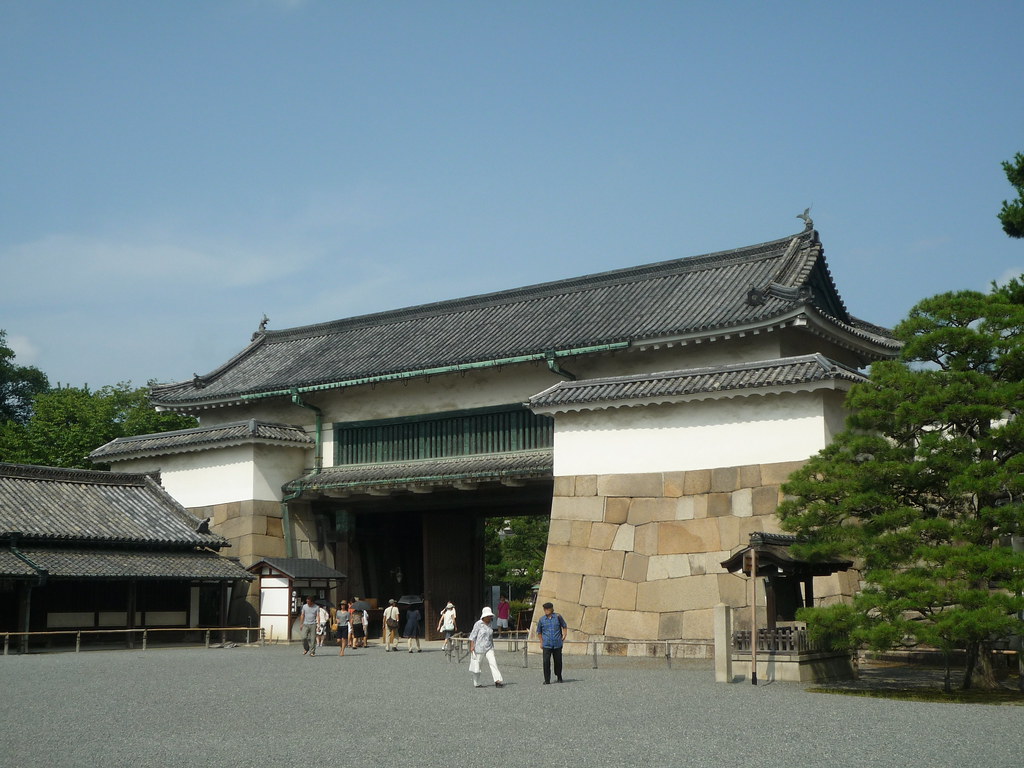
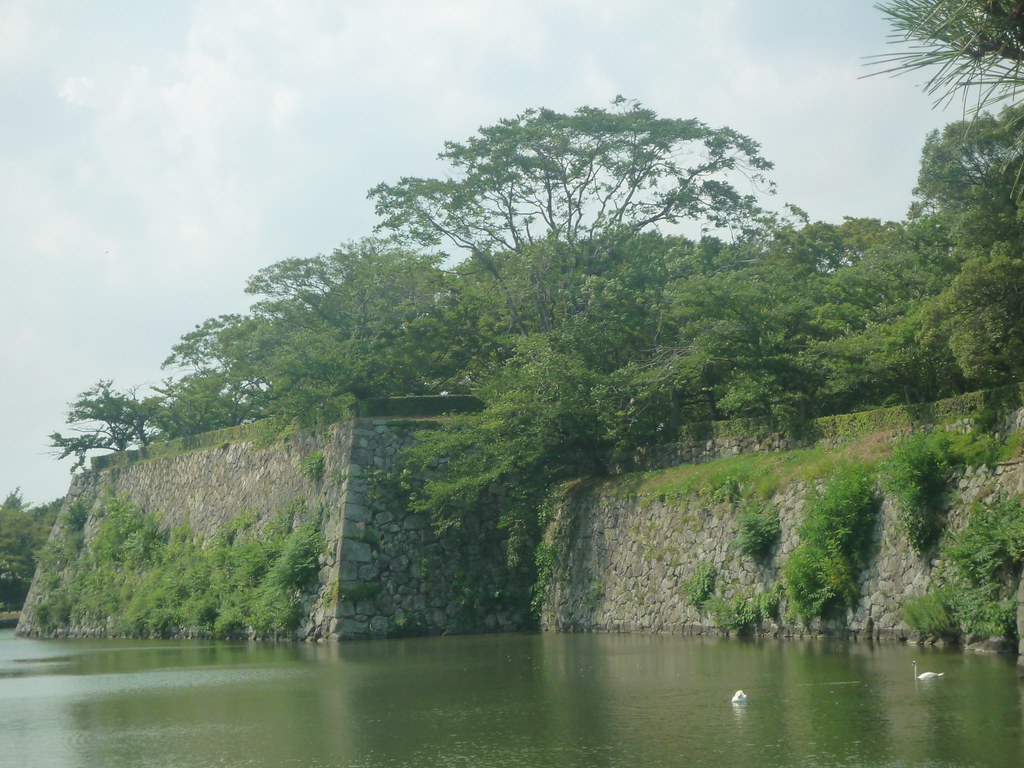
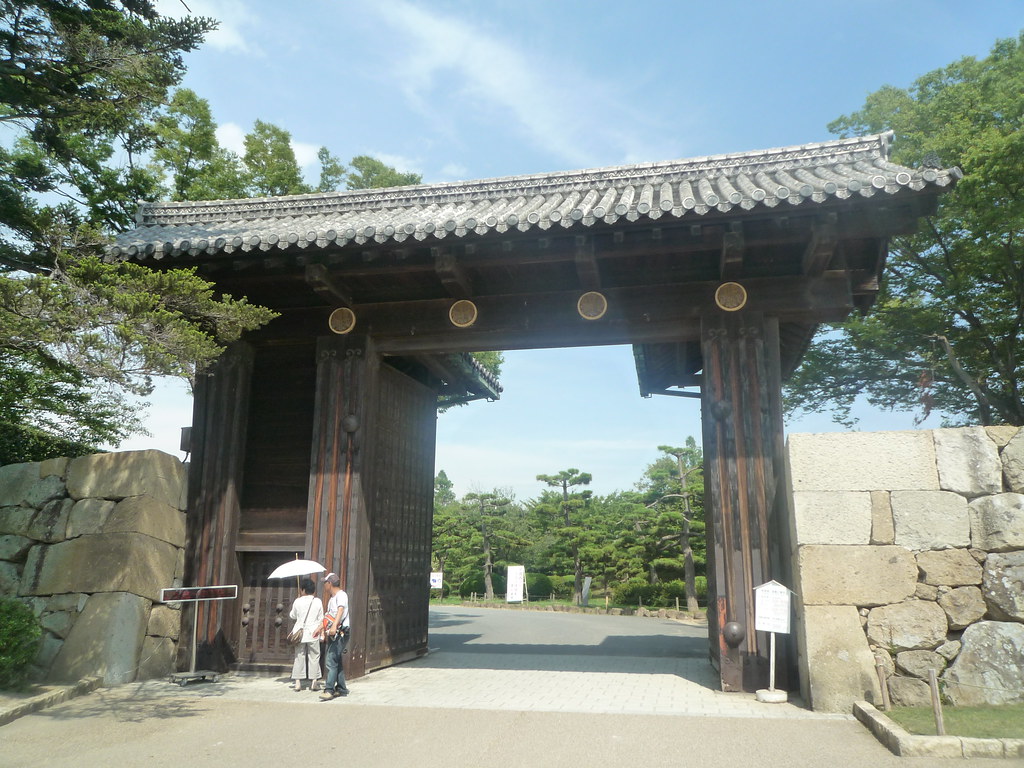
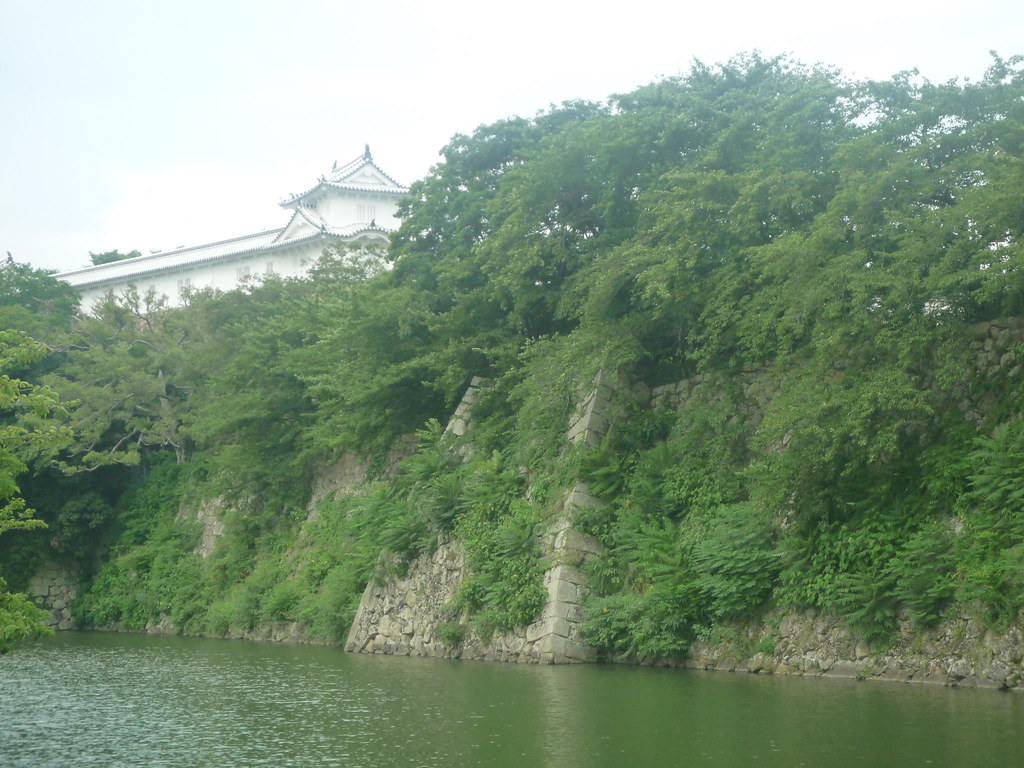
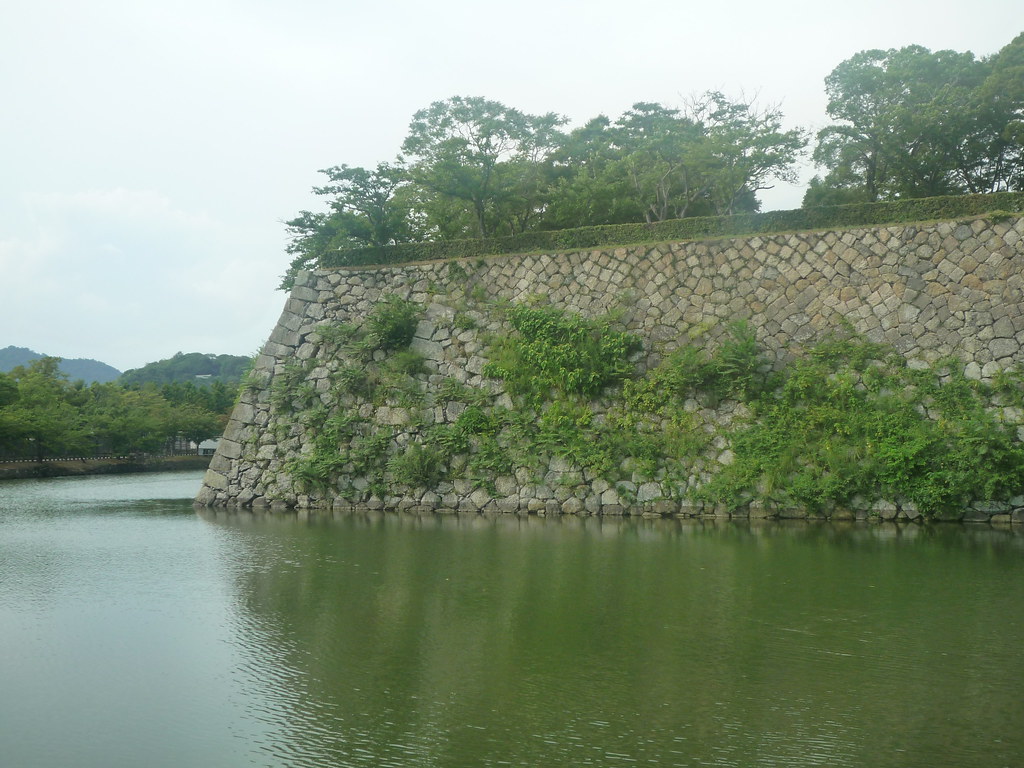
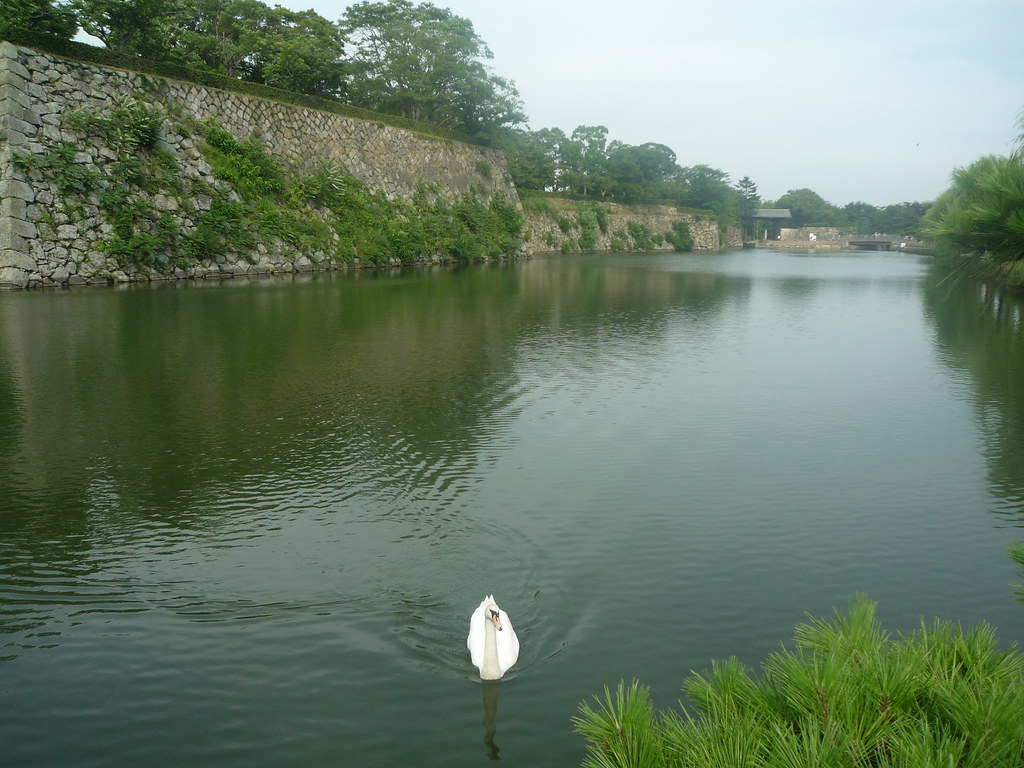
I still enjoyed seeing the outer fortifications. The moat, outer wall, and gate were impressively defensible.
The tour of the out buildings included an image of what the castle would have looked like during the feudal period. I always love maps like this.
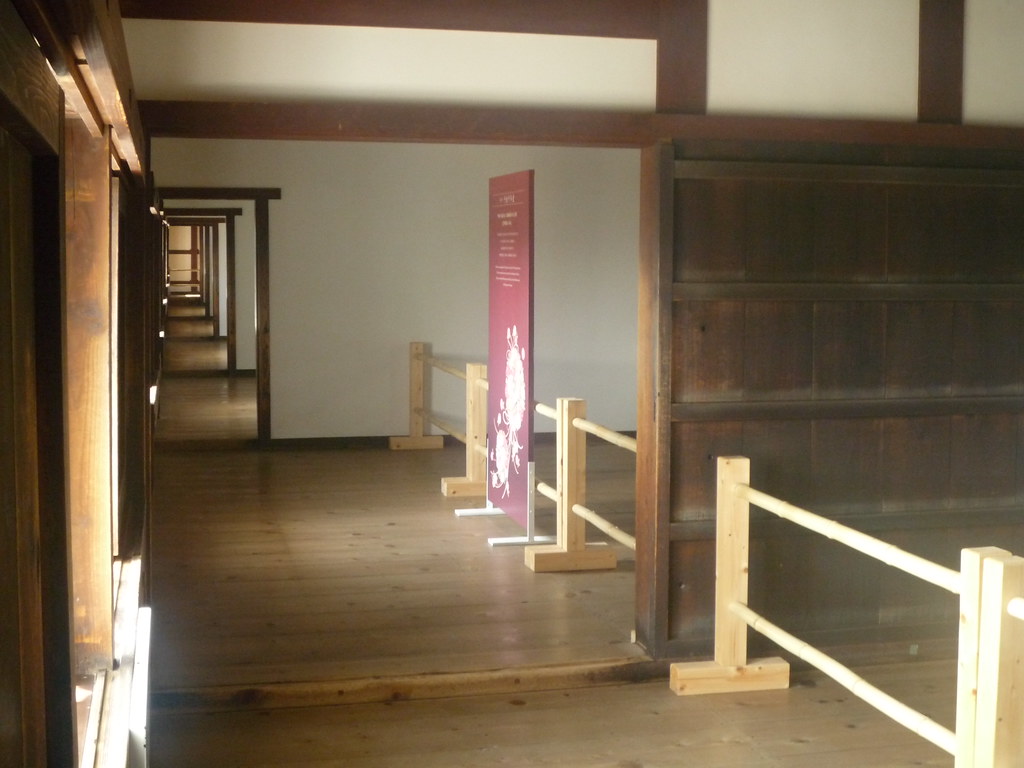
The outer buildings were mostly empty corridors of wooden rooms, sometimes with signs telling of a princess who had lived there and some of the other history of the castle.
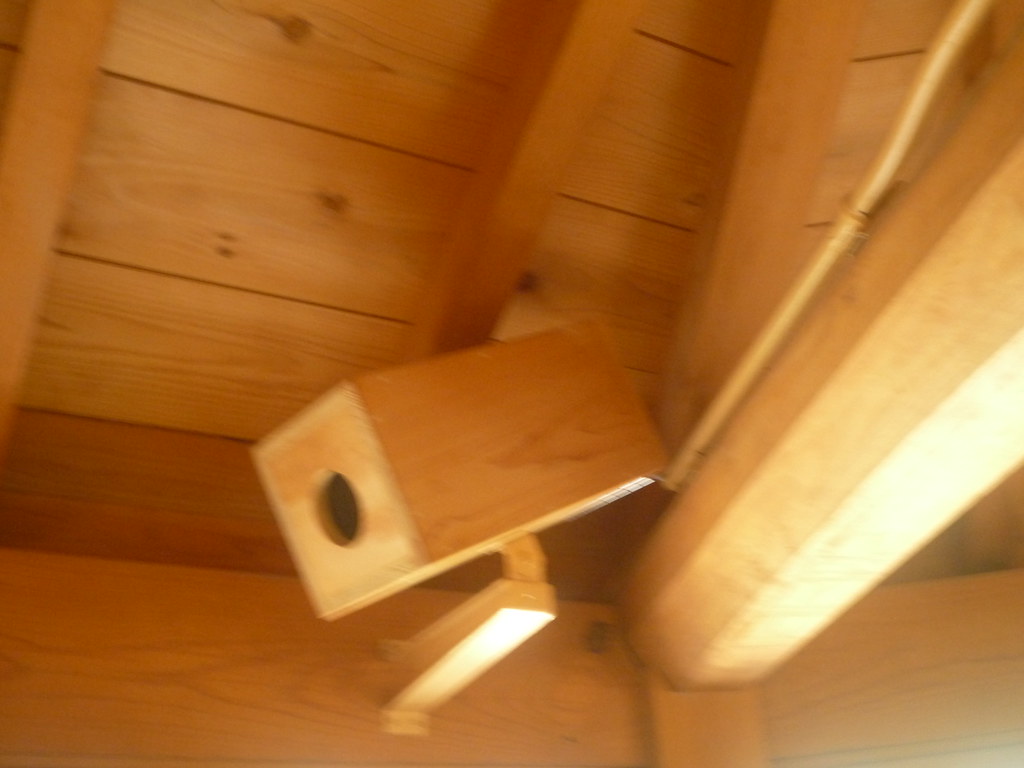
I was amused by the security cameras masked in wood casings.
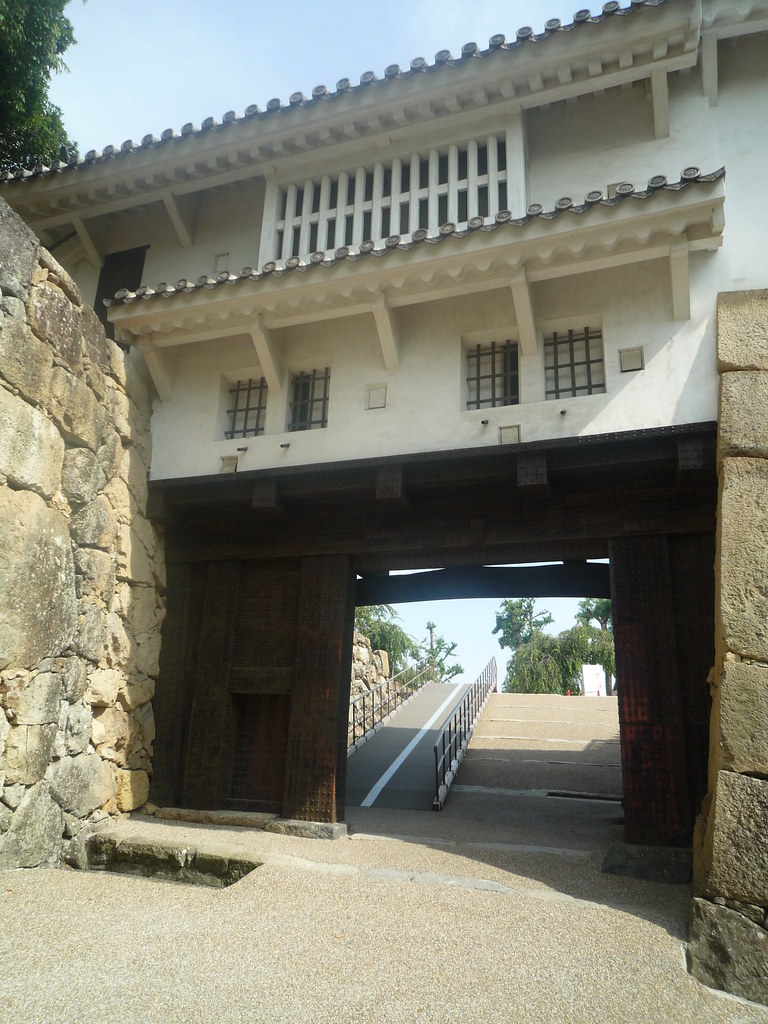
The gatehouse looked like a miniature version of the castle, and was impressive in its own right.
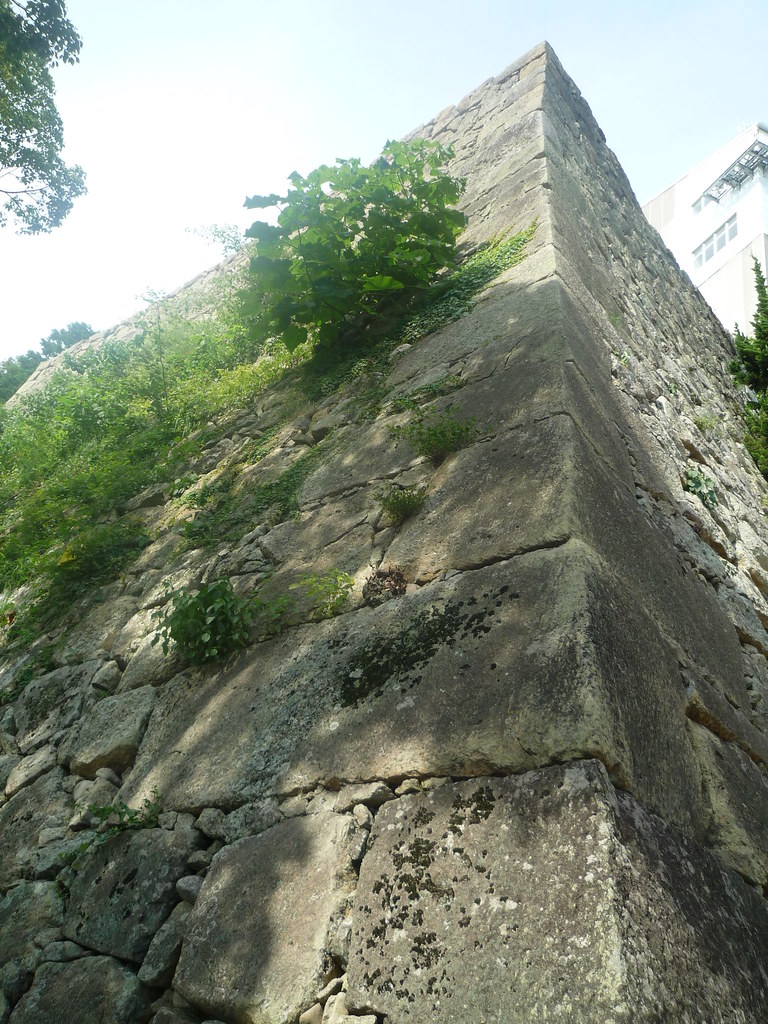
The massive stone walls looked unmortared, held together by being carefully selected to fit together well, with tiny rocks filling in any gaps. Perhaps this is why so much vegetation was able to grow on the wall's face.
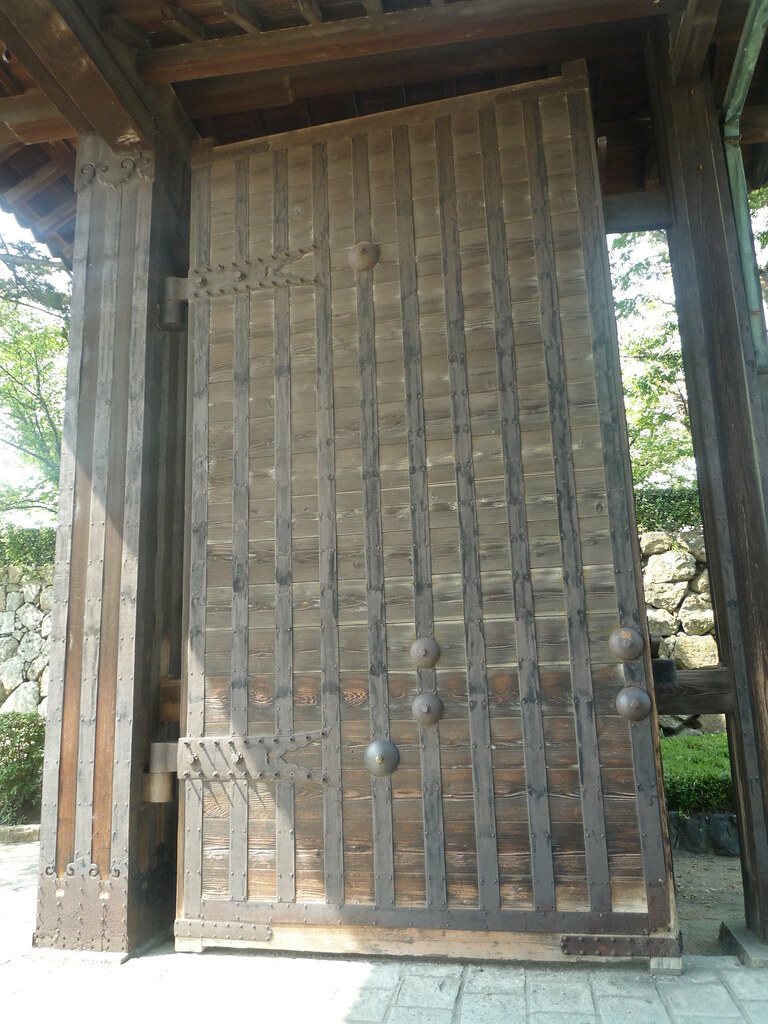
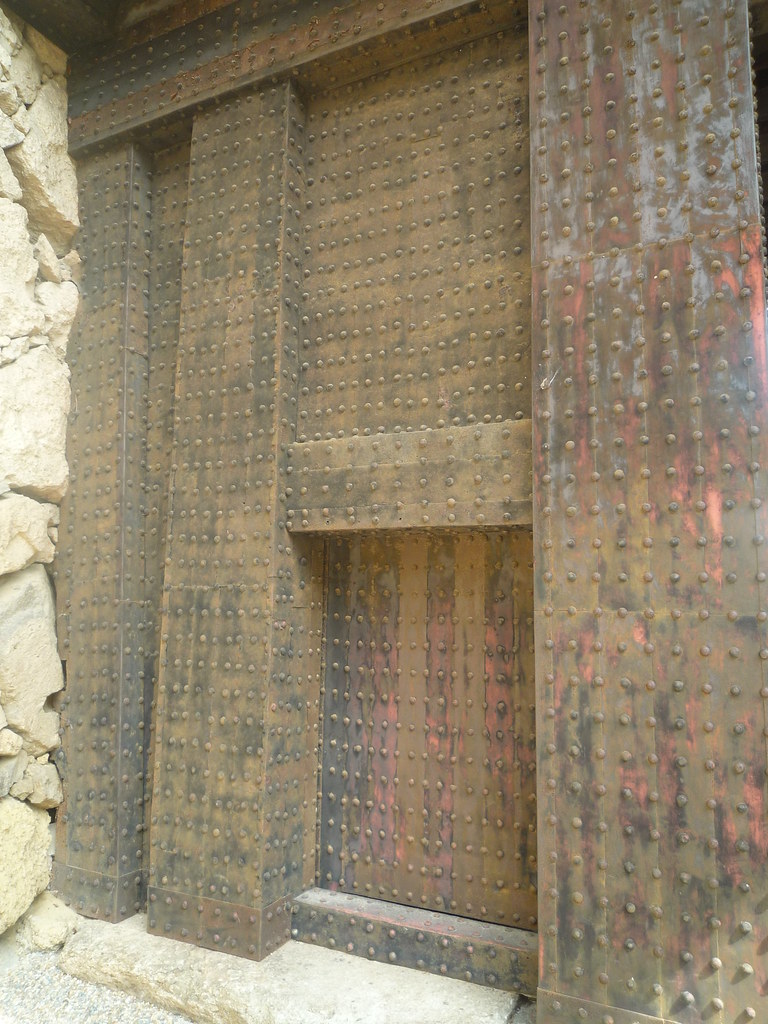
The thick wooden gate door was studded with metal.
It was no portcullis, but I wouldn't want to try to storm the place.
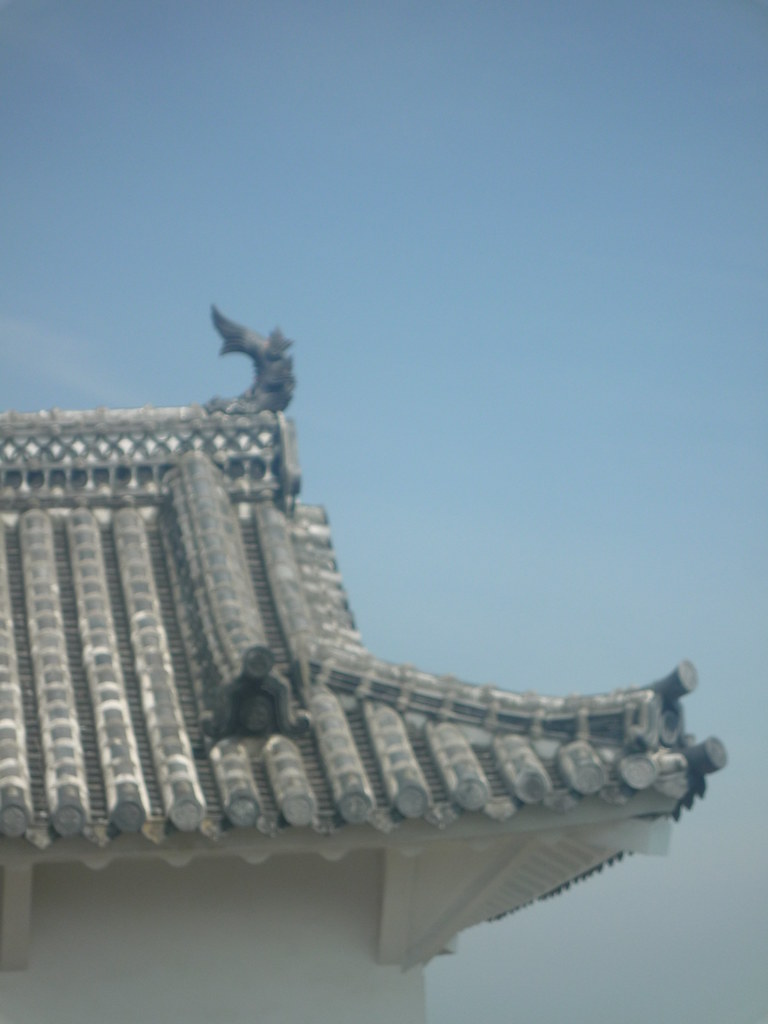
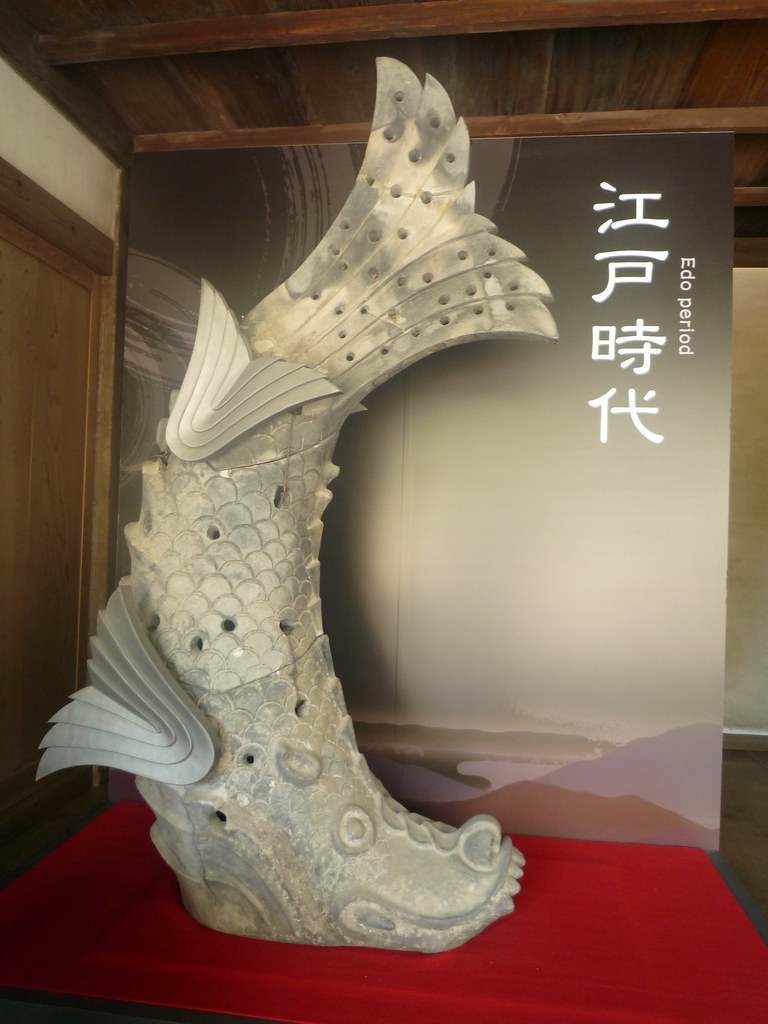
The ends of the roofs were decorated with fish made from the same ceramic as the roof tiles. I wonder if the reasoning was the same as for Korean temples having similarly placed water dragons: hope that symbols of water would protect the wooden buildings from their archenemy, fire.
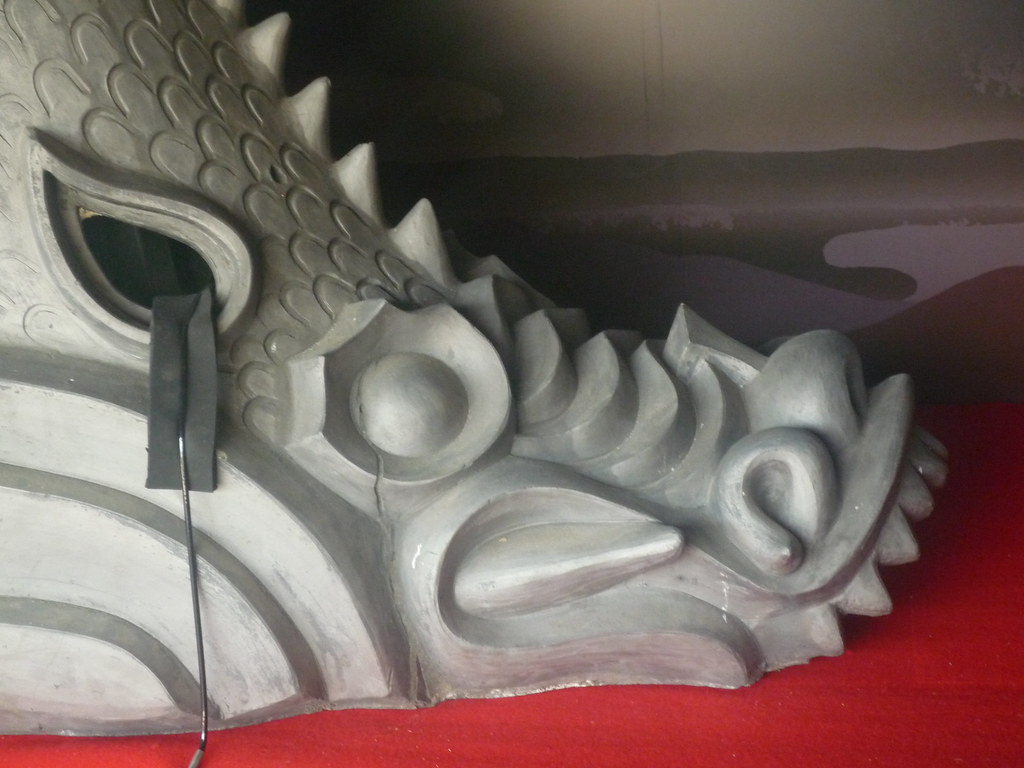
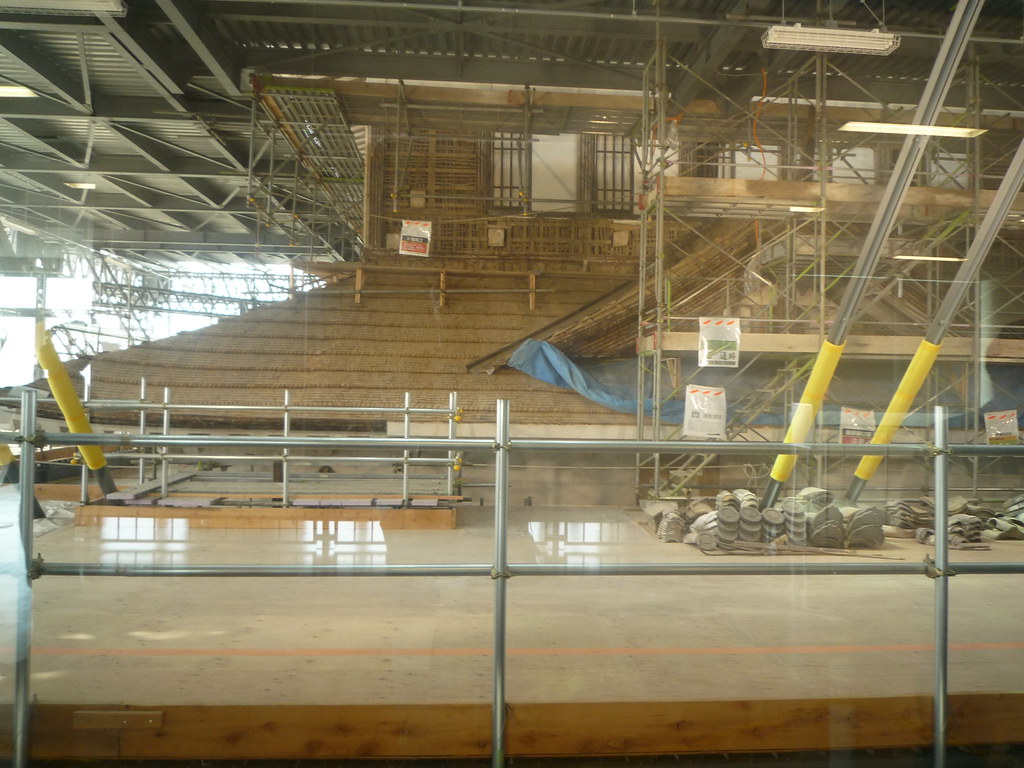
Inside the scaffolding building, I saw one of the fish close up, which both gave me an appreciation for the scale of the buildings I was seeing and for the level of detail work that went into them.
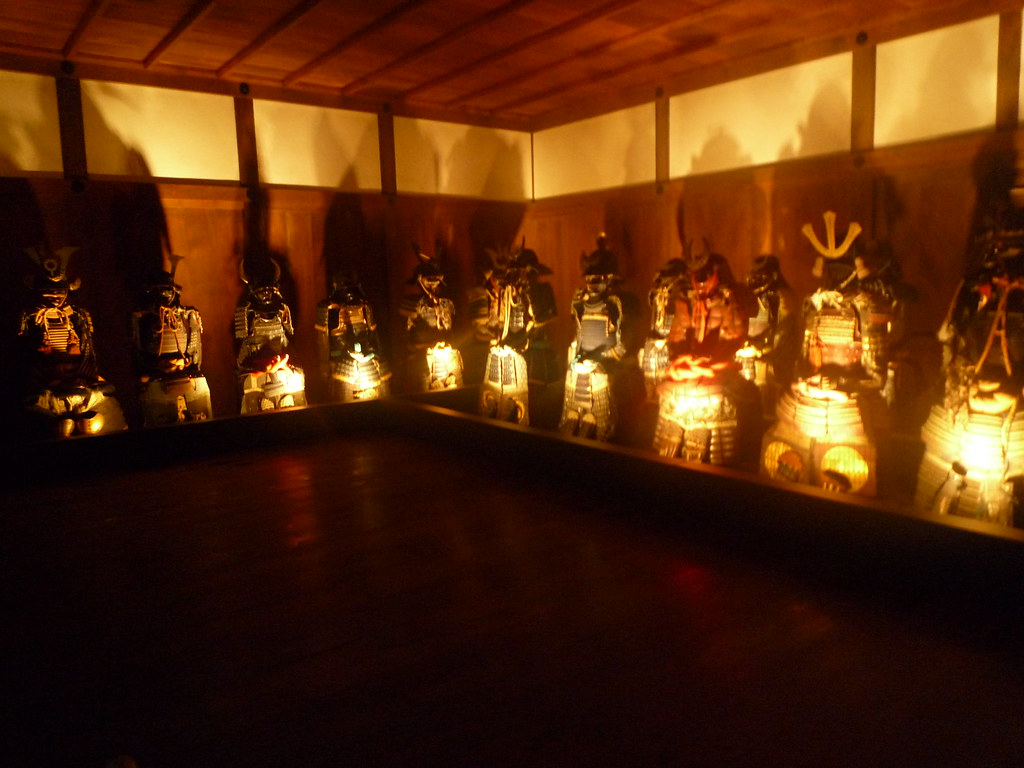
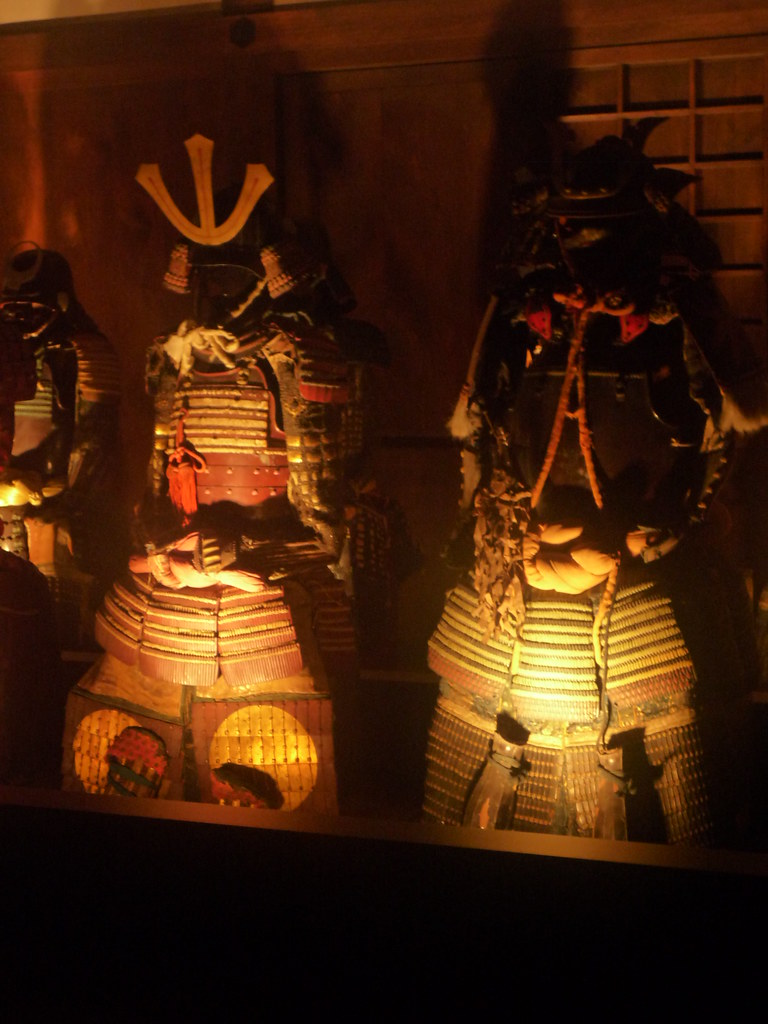
A highlight was a room full of samurai armor.
The renovations looked fairly major. All of the tiles had been removed, which explained the need for the shell of a building surrounding it, and the wood underneath was being repaired or replaced.
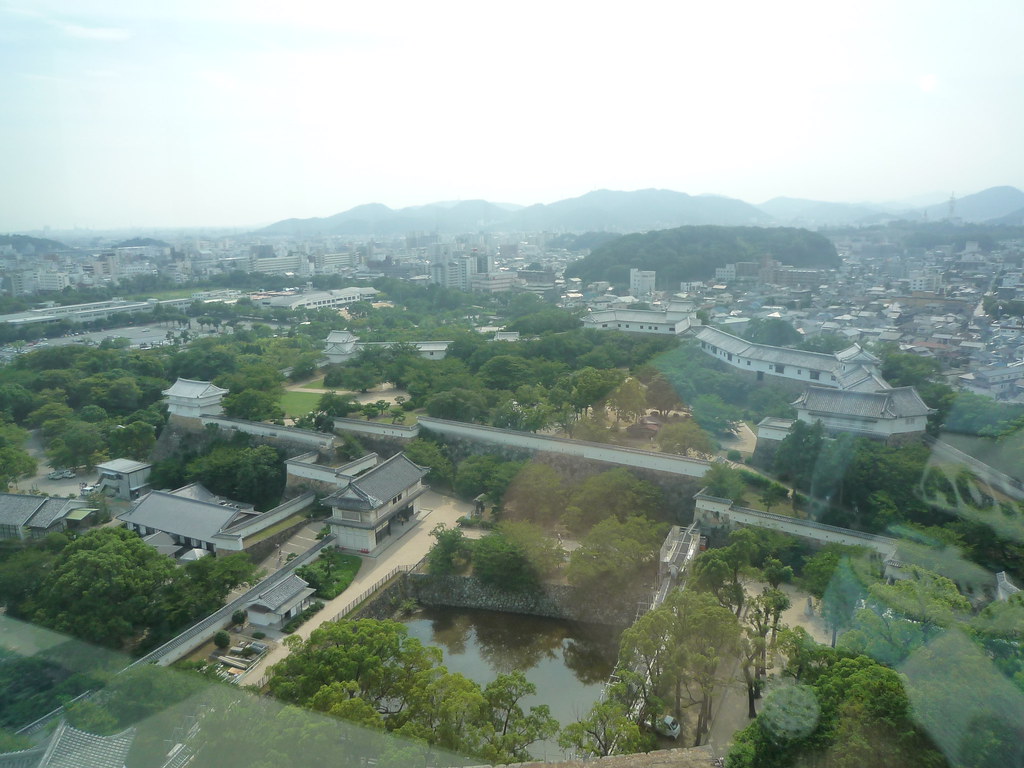
There wasn't much to see of the castle, but the view from the observation deck was worth the price of admission.
Back outside, I admired the plant-covered outer walls again, and watched the swans in the moat.
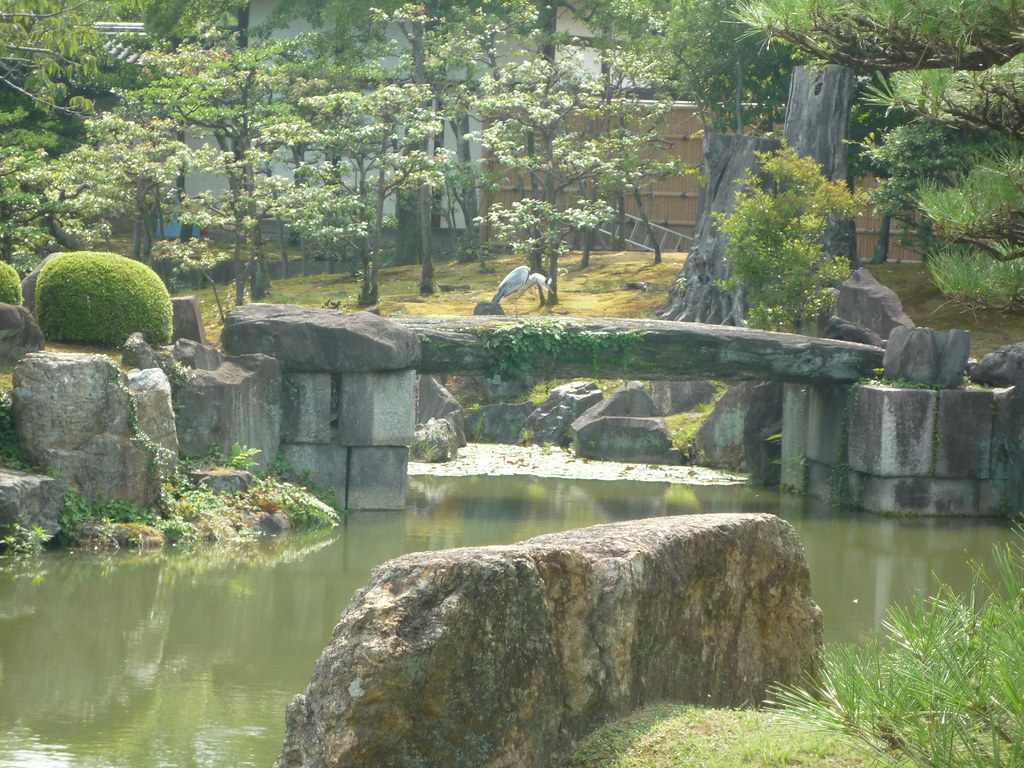
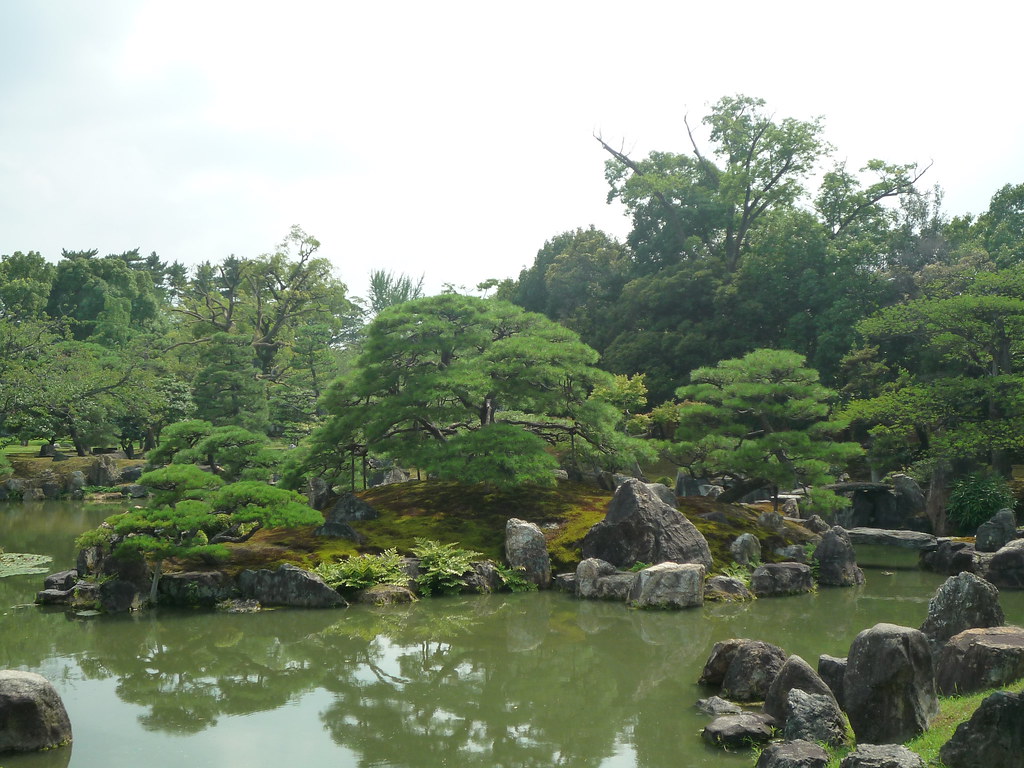
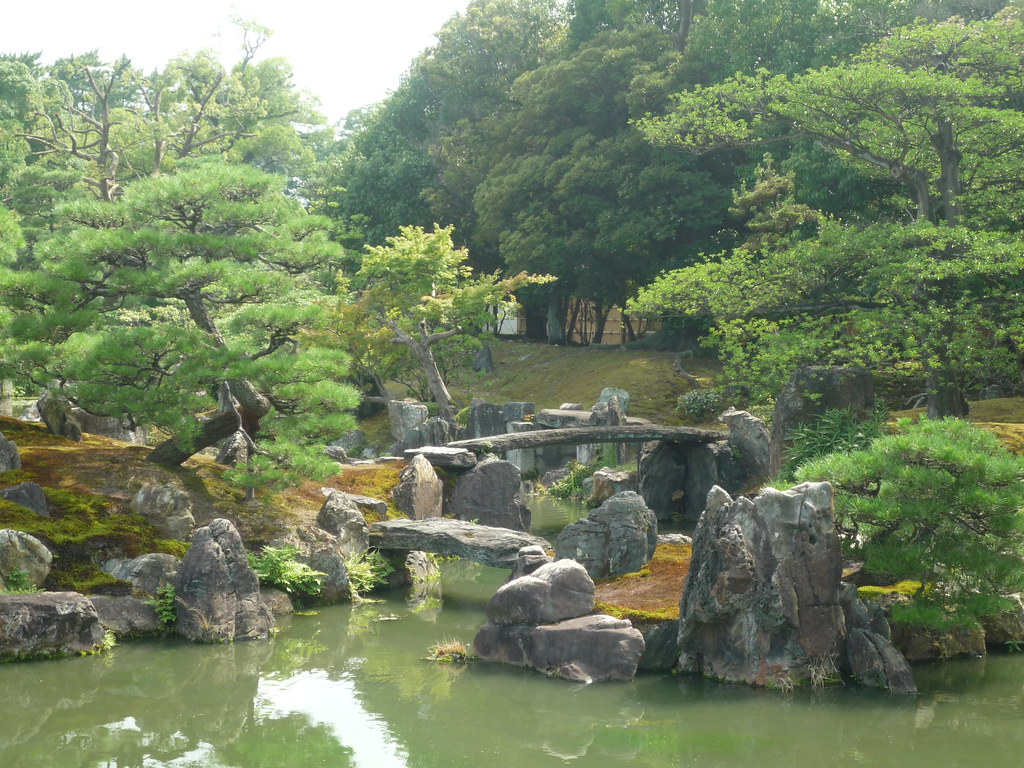
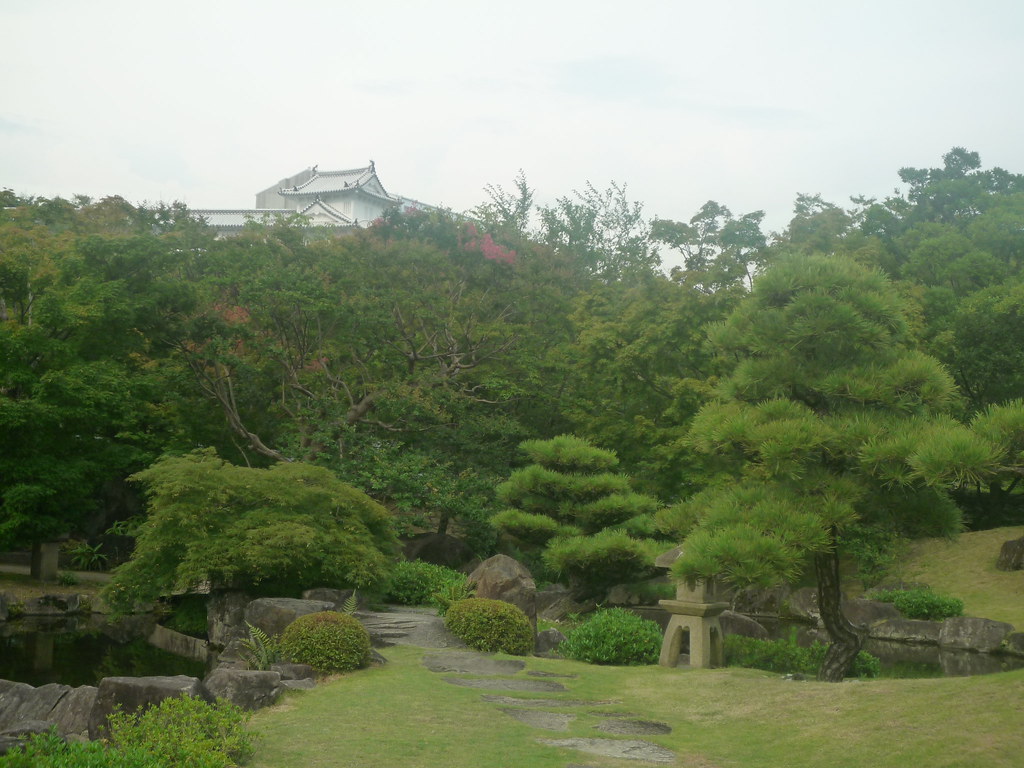
I was feeling disappointed, but felt much better after meandering through the large gardens beside the castle. I enjoyed crossing stepping stones and stone bridged between areas of sculpted plants.
At points, the gardens even had views of the castle.
From Himeji I took a train to Kyoto, where I checked into a hostel and then enjoyed a dinner of chicken cooked various ways. I got a free appetizer of shrimp and squash - which I think was gifted to me because they didn't understand when I tried to order Lonely Planet's recommendation of chicken cooked in bamboo. I was quite happy with chicken meatballs, heart, and skewers.