Showing posts with label places of worship. Show all posts

Tuesday, September 2, 2014

Haeinsa Labyrinth

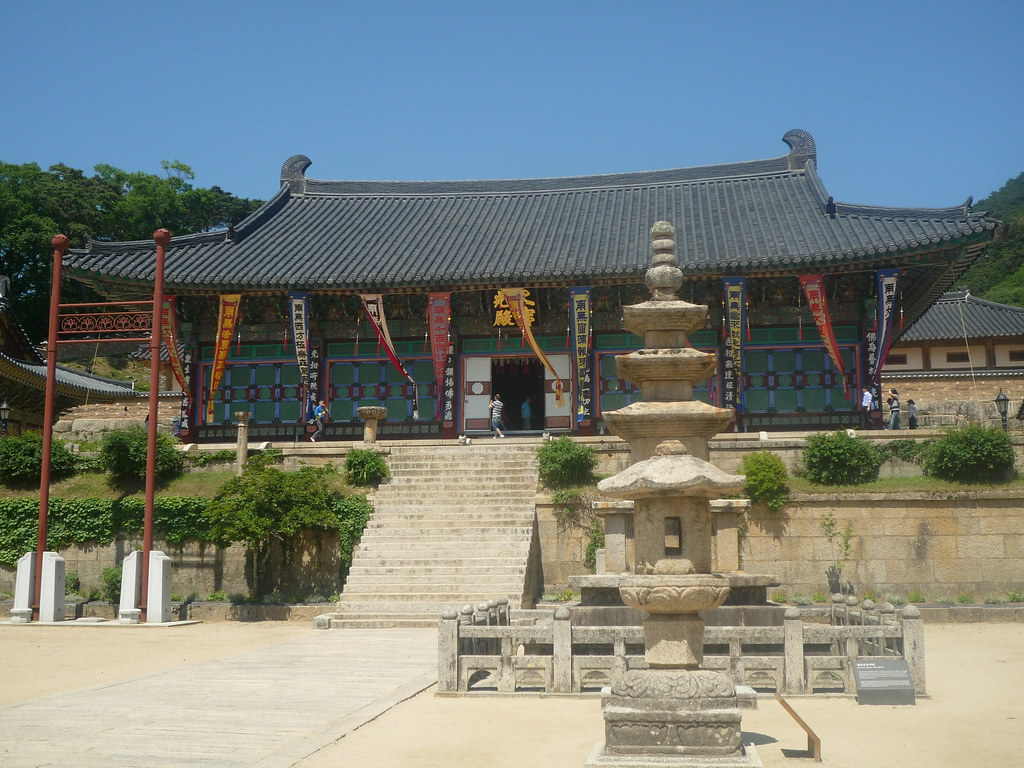
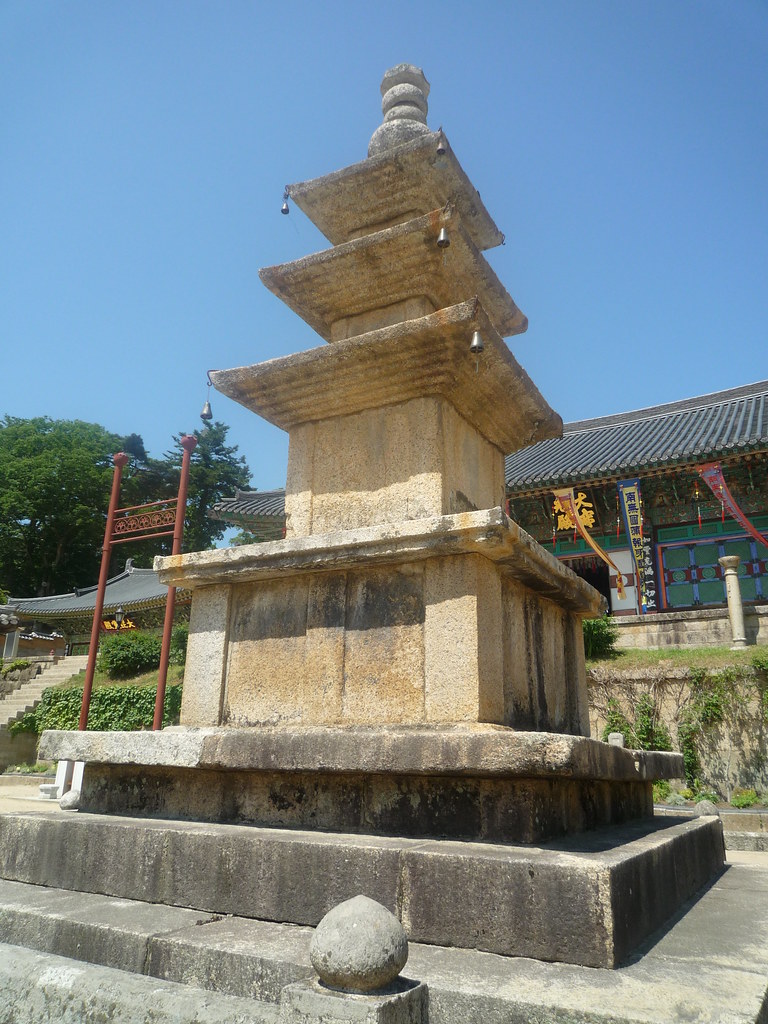
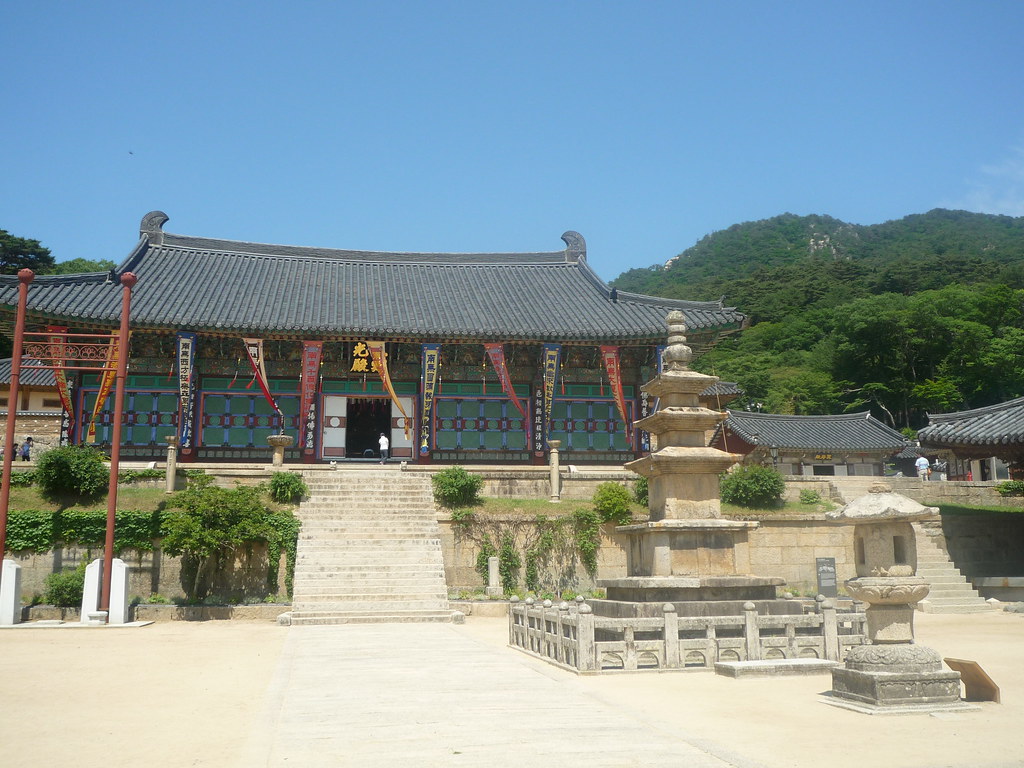
I forgot to write up one last trip I took in Korea: I returned to Haeinsa Temple, one of Korea's most important historical sites. It is most famous as the home of the The Tripitaka Koreana, a Buddhist cannon that Koreans claim to be the first book in the world to be printed with movable type. Since it is printed in Chinese characters, I can see why the technology didn't spread from there and only became popular once it was reinvented in a country that uses an alphabet. I discussed the Tripitaka Koreana more took lots of pictures on my first visit, back in 2009. 

This return trip was at the invitation of Kyungrae, the man who we met at Bongamsa Temple on Buddha's Birthday, and who became our unofficial guide as well as our generous ride. Barbara and I took him up on his offer to show us around Daegu and to go visit Haeinsa together. 

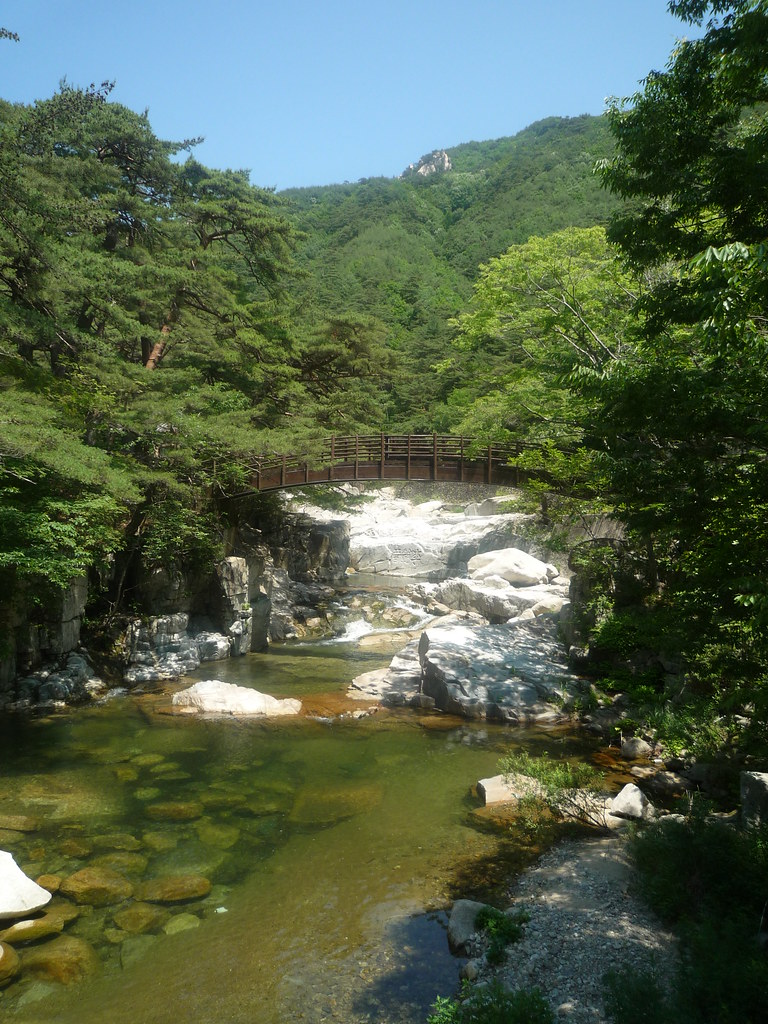
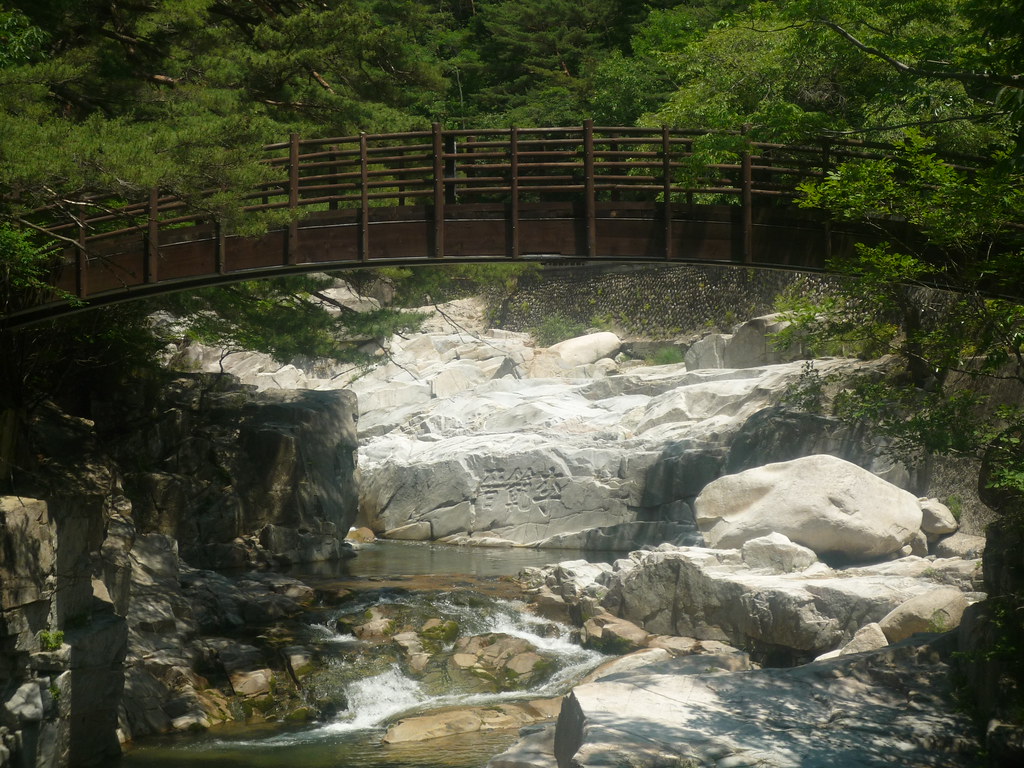
My first visit was by bus, so I unknowingly passed right by a pavilion that was famed as a monk philosopher's favorite meditation grounds. The river there really was quite peaceful.

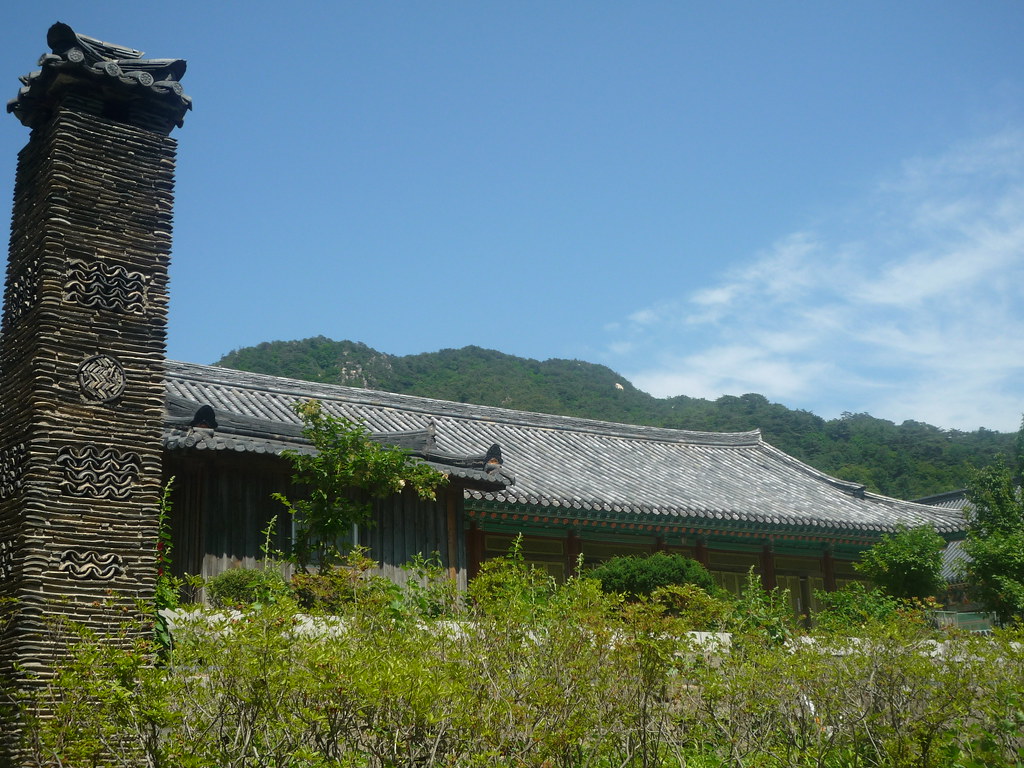
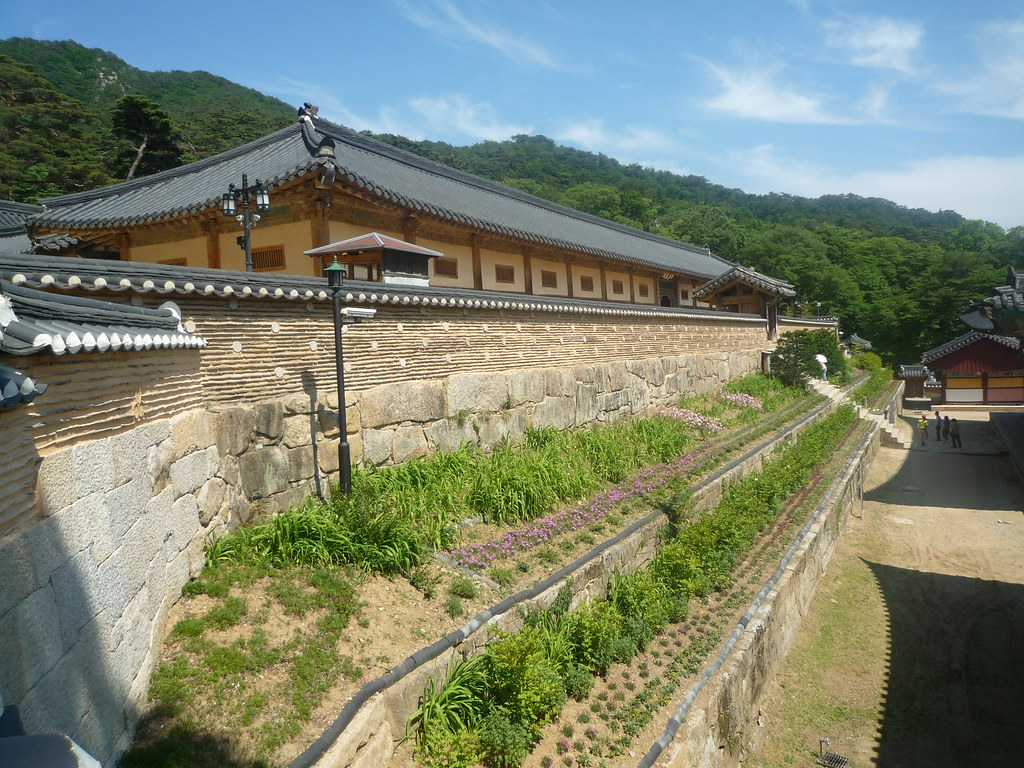
I once again noticed the chimney made entirely of roof tiles. 

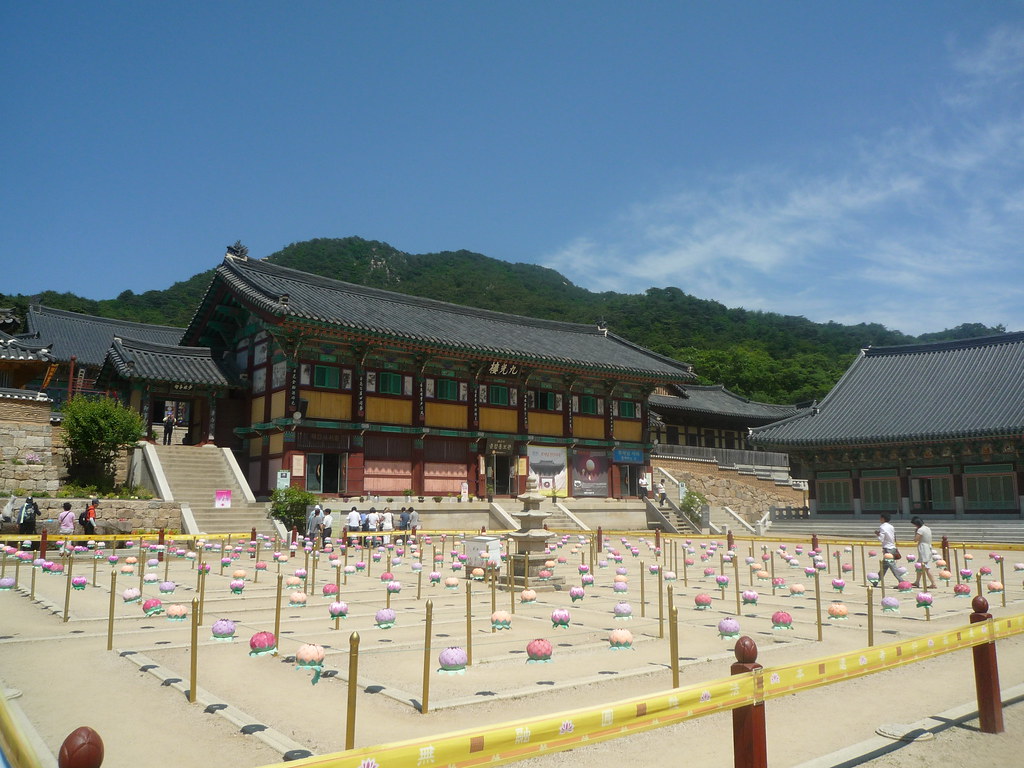
It seems that the labyrinth was set up year round and not just for the special event that I witnessed on my previous visit. 


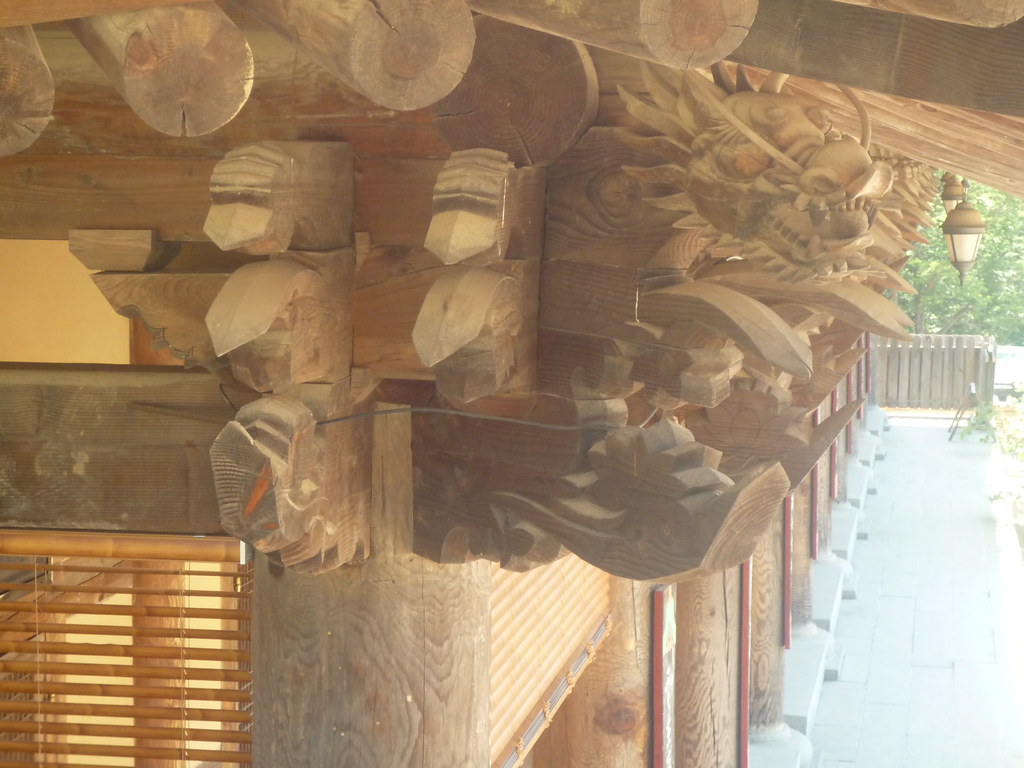
I do always admire the ornate and effective joinery of Korean temples. 

Some of the imagery in the paintings on the outside of temple walls were fascinating, such as the tree growing from this giant fish:


Some was horrifically gruesome, such as the praying man wearing necklaces made of fingers. 
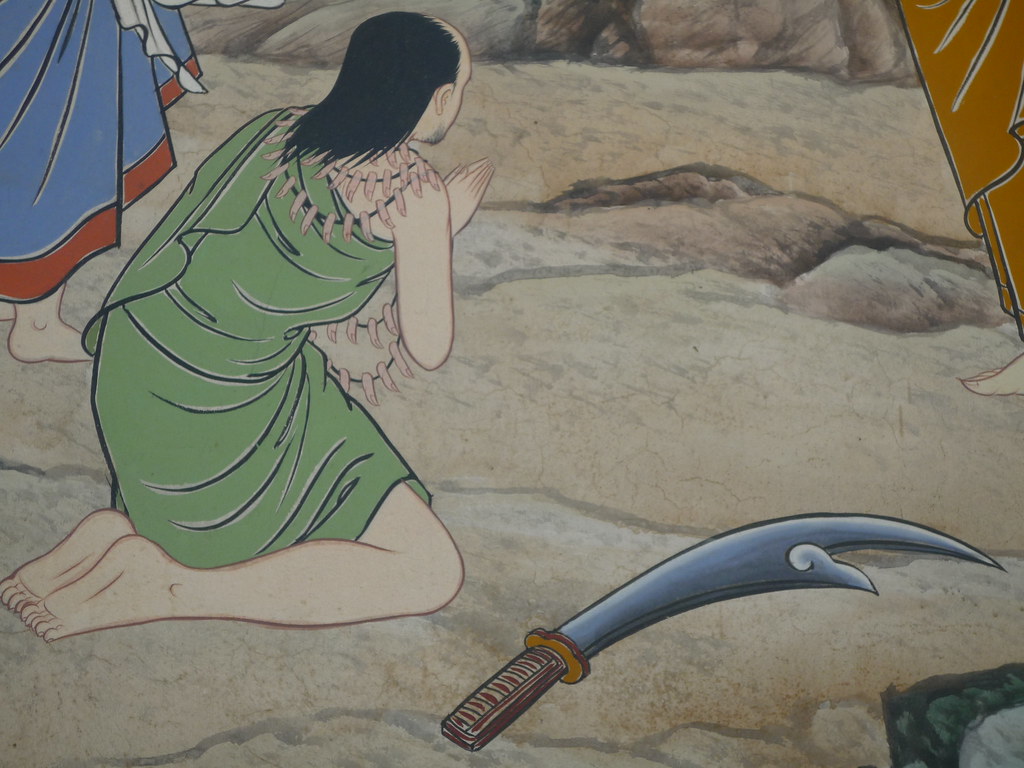

Kyungrae was able to provide a lot more background of Buddhist stories and iconography, but writing three years later I can't remember any of the specifics.

Tuesday, July 29, 2014

Japan Day 7, Part 6: The Stone Lanterns of Kasuga Taisha Shrine

I had a pleasant, though hot, walk across the Eastern side of Nara park.


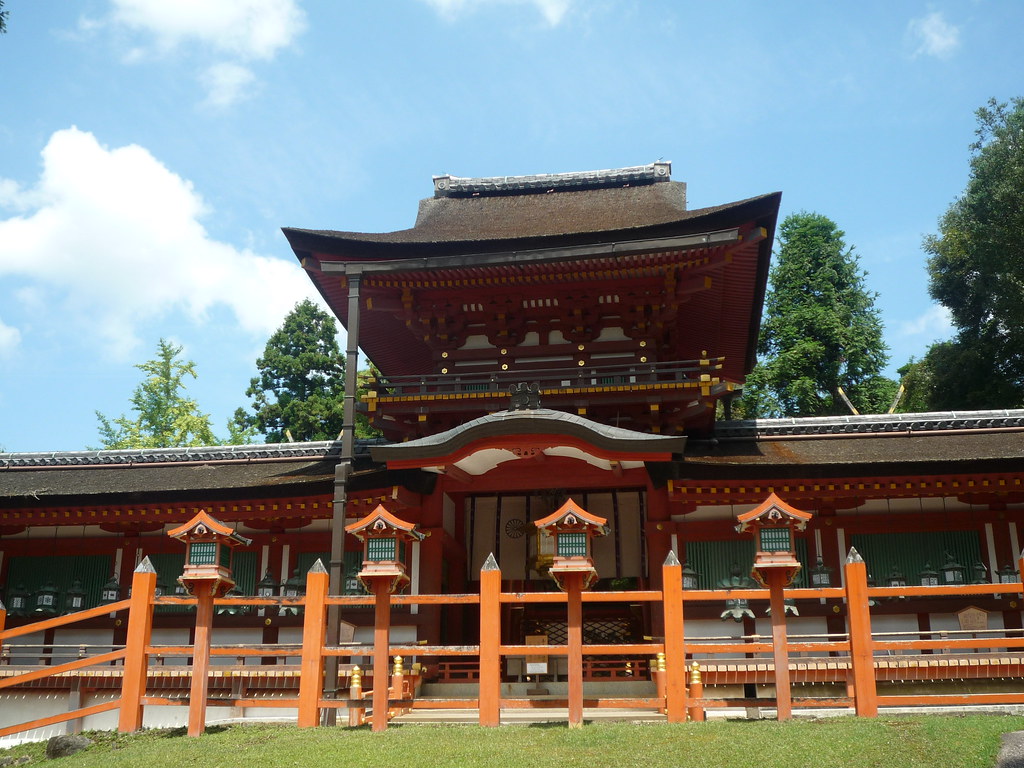
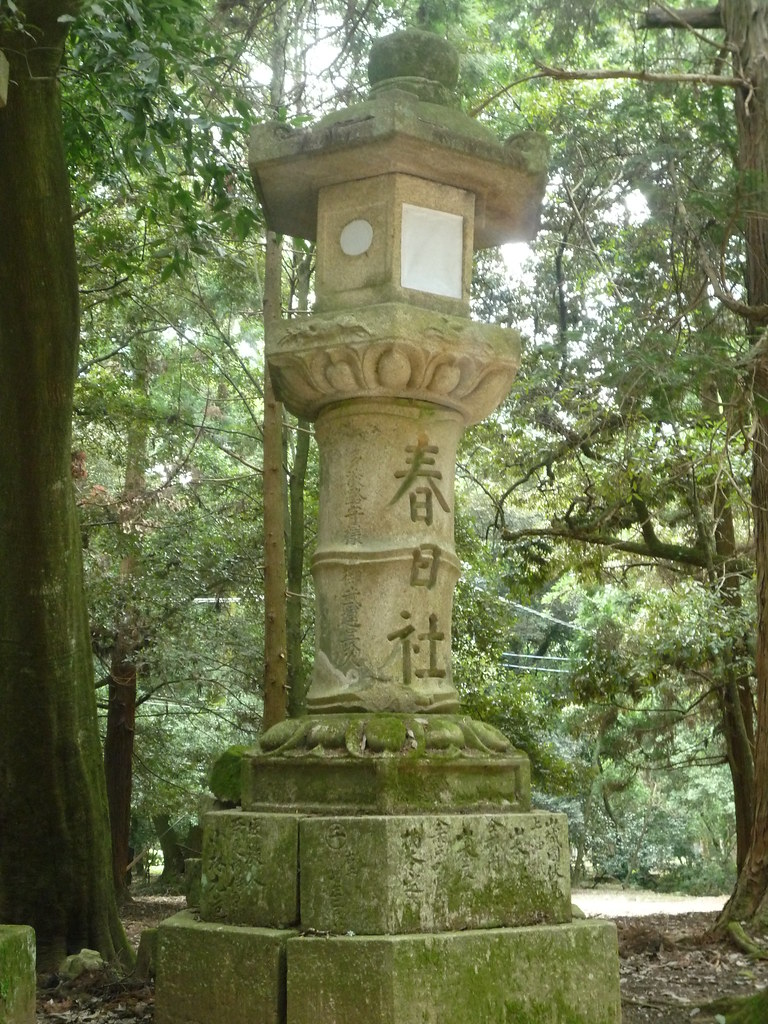
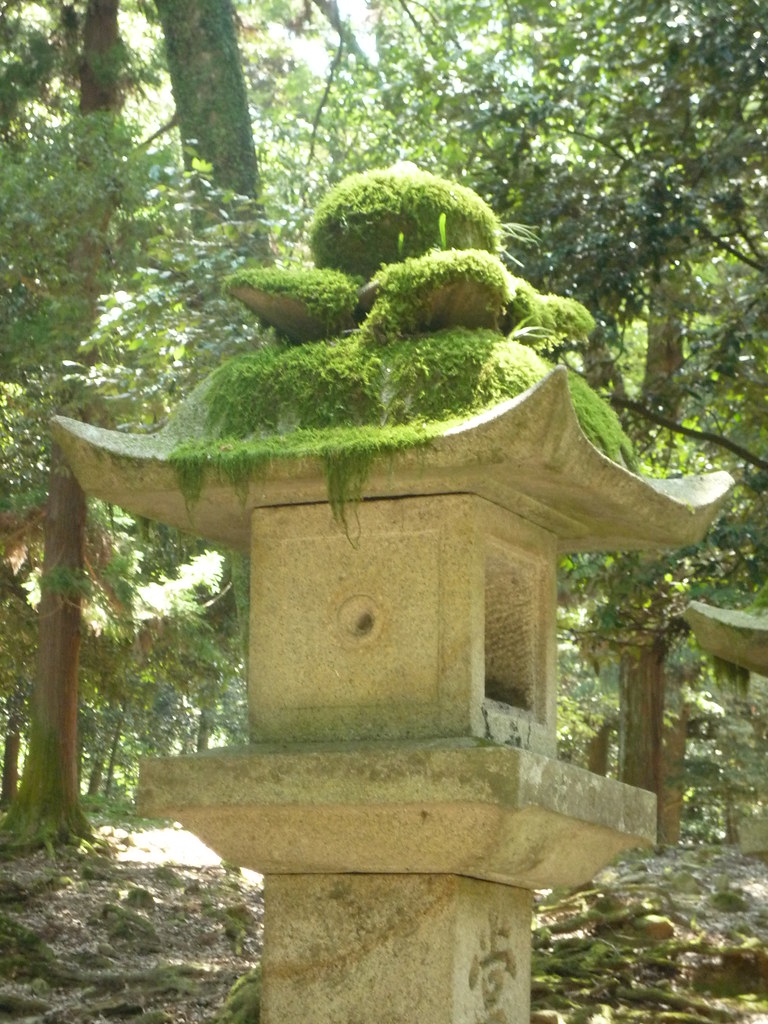
In the Southeastern part stood a Shinto shrine. The area around it is filled with stone or cement lanterns, covered in moss and surrounded by large trees.

The hall of Kasuga Taisha was founded in the 700s replaced every twenty years in accordance with Shinto traditions, though the current building is about 100 years old. As I had come to expect with a Shinto shrine, it is very orange. 

It would be amazing to visit during one of the lantern festivals to see them all lit, but I enjoyed the lanterns even during the daylight. 


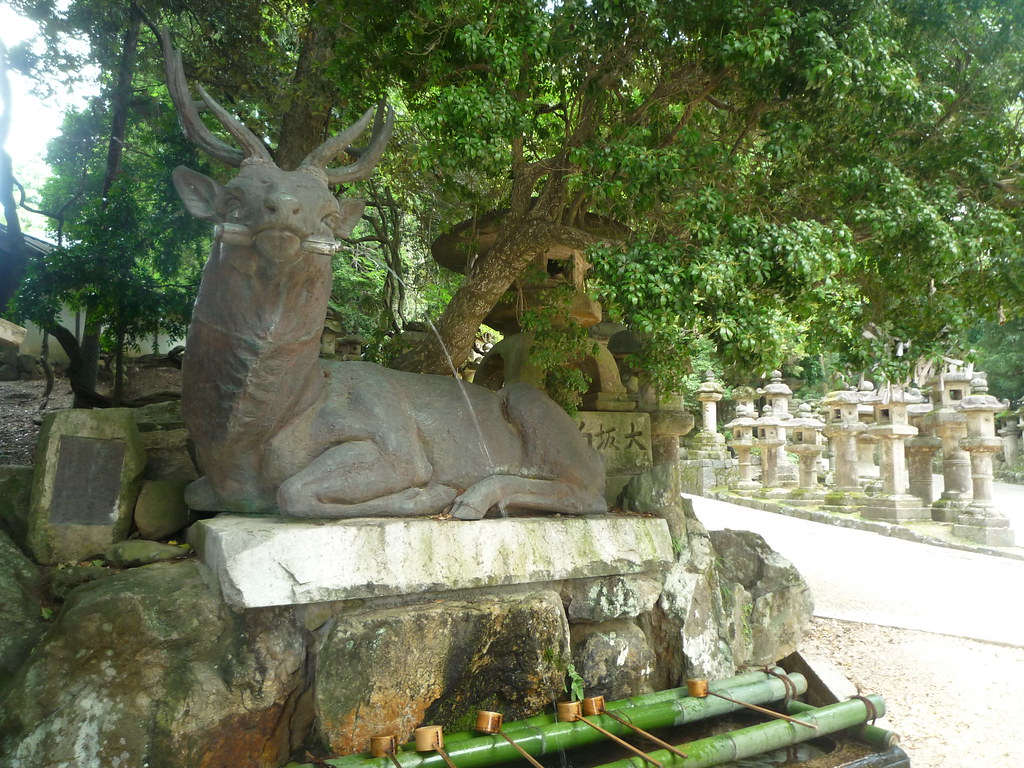
A fountain paid tribute to the deer residents. 


The bamboo base must be more modern than most of the lanterns, but I liked it nonetheless.


I then visited the Nara National Museum. My favorite part was the Buddha hall, filled with statues of Buddhas, Bodhisattvas, and guardian spirits carved from stone, wood, or clay.

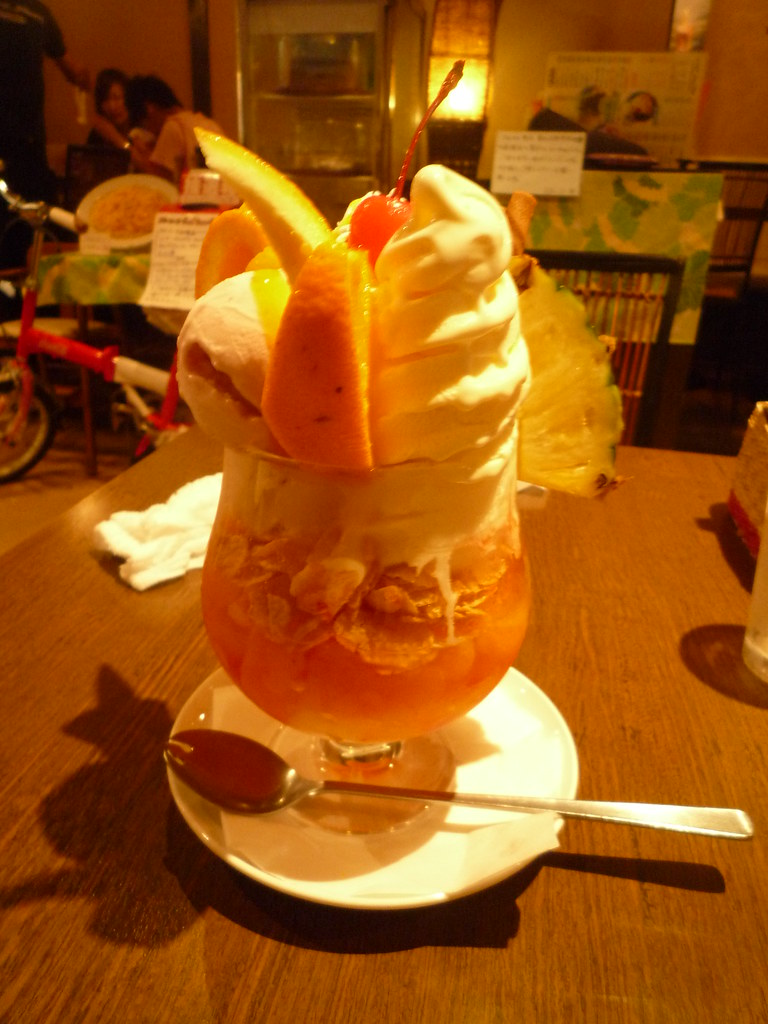
I had a little time left before my bus to Osaka. I meant to spend my last 1370 Yen on a Japanese meal, but I ended up ordering ice cream with fruit instead. A cherry, orange slices, pineapple, and whipped cream sat above chocolate, vanilla, and berry ice cream (which I was pleasantly surprised to find to be actual ice cream instead of the soft serve that I'd come to expect in lactose intolerant East Asia), layered above peach, pineapple, mandarin orange slices mixed with cornflakes. I have no regrets.


I bumped into the poetry guy again in front of the pagoda on my way to the park. I was even less impressed this time as we went on about god and humility. Beyond the fact that he was obviously not humble himself, he had no response when I asked why being humble was at all valuable. 

In the park, I sat and wrote in my journal, which is good because otherwise there's no way I'd remember half of these details three years later. The deer kept me company as I wrote.


I was early to the airport bus and the airport. I wrote a little before boarding the plane. 

The airline was obviously operated by Koreans because the map of the route prominently labeled "Dokdo" island and "The East Sea". Japan would have labeled Dokdo their name for it since they (on flimsy pretext) claim the island themselves, and everyone in the world besides Korea calls the body of water separating the two countries "The Sea of Japan." The pilot spoke Korean, English, and Japanese with a distinct French accent. I returned for one final week in Korea before heading home.

Monday, July 28, 2014

Japan Day 7, Part 5: Lizards, Dragons, Eagles, and Deer at Nigats-do and Sangatsu-do

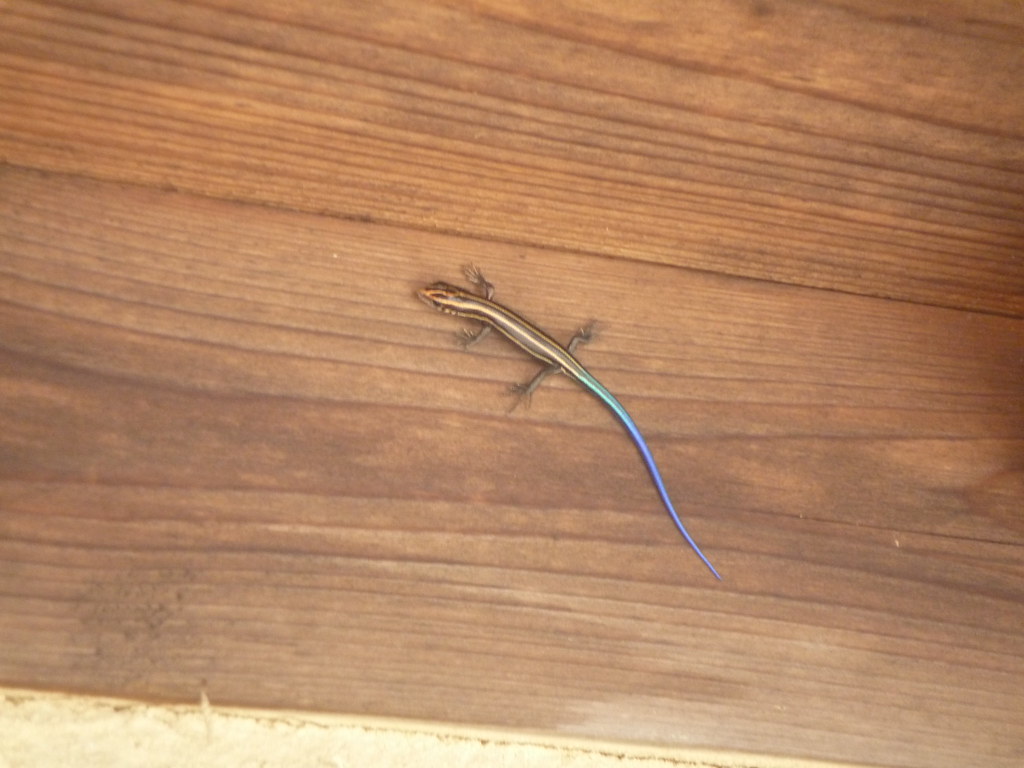
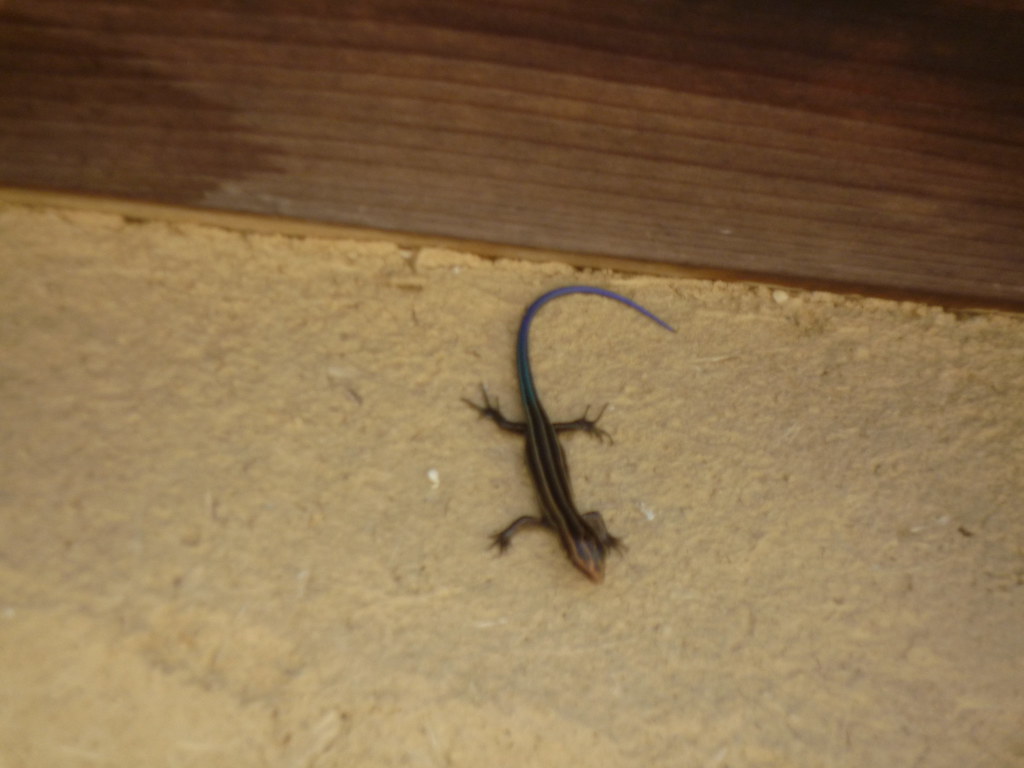
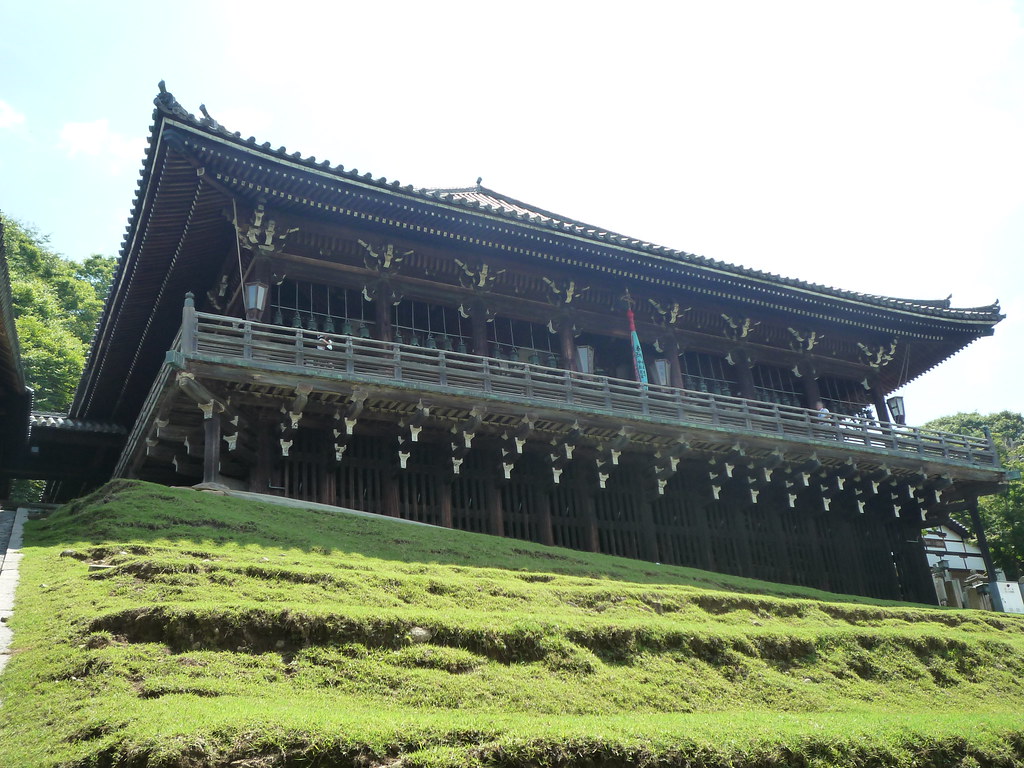
The grounds of Todai-ji stretch out for some ways, and I wandered to some of the sub-temples. First up was Nigatso-do hall. On the way I noticed a brightly tailed lizard a temple wall. 


Nigatso-do hall sits on a hill and has a nice large balcony.


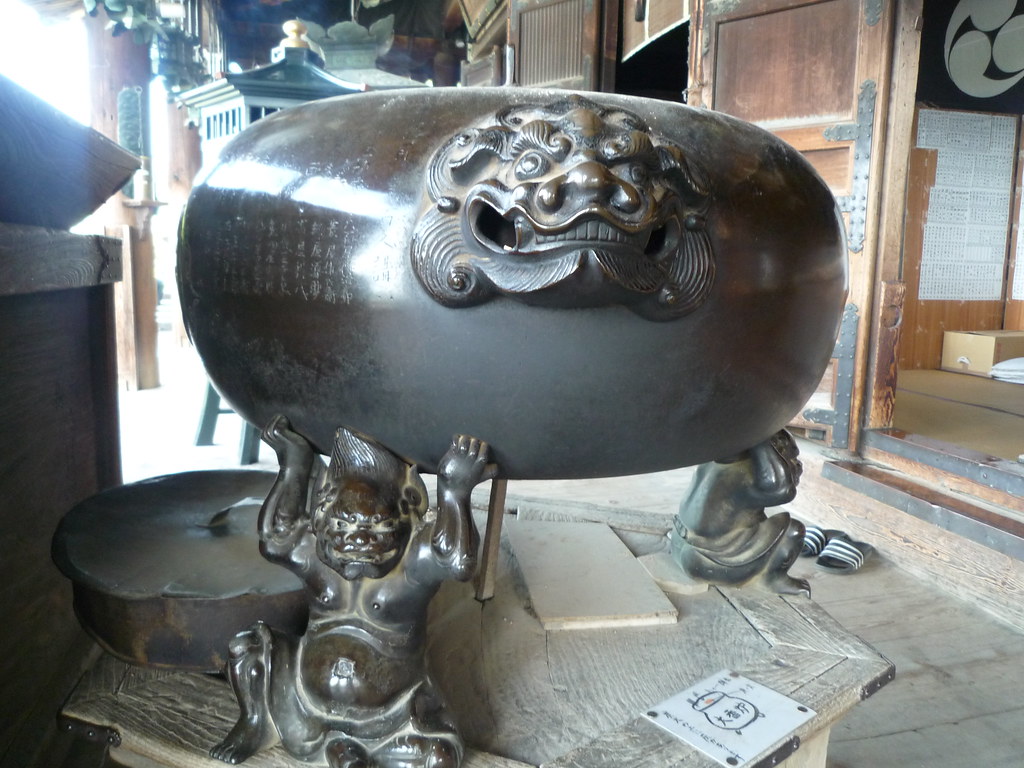
The balcony had a nice tripod on it, with demons for legs holding it up.


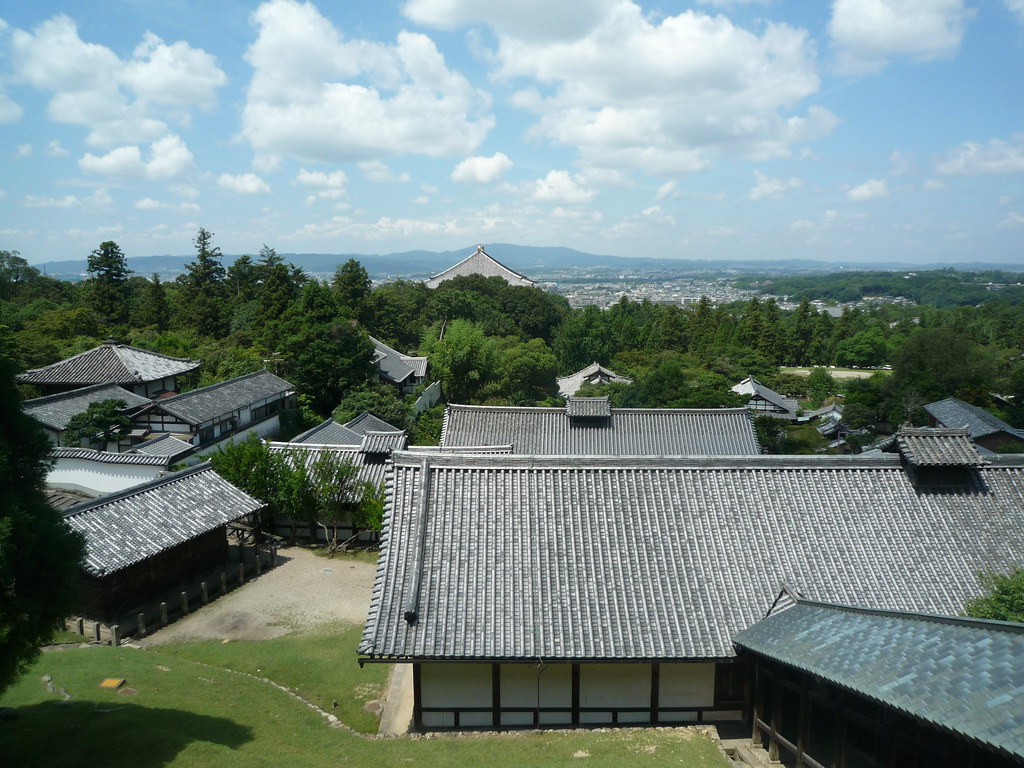
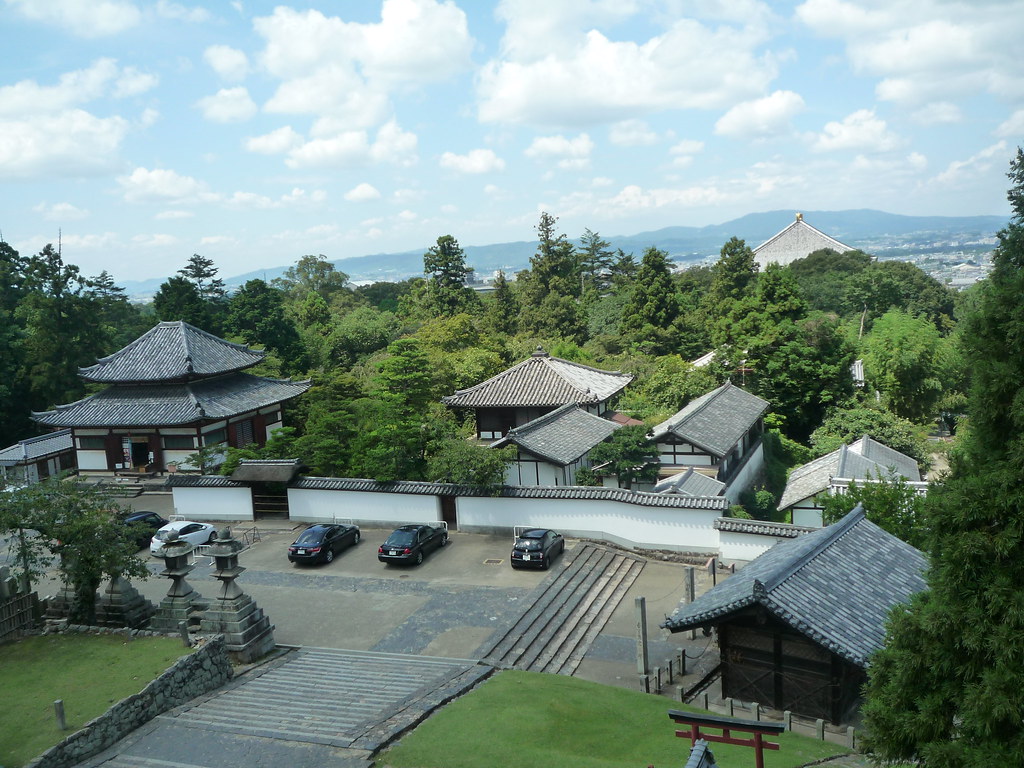
The hall's balcony was well situated. I've noticed that most Buddhist temples are placed on hilltops or mountain sides that make them more impressive and beautiful. People give up a lot to become monks, but at least they usually get a nice view.


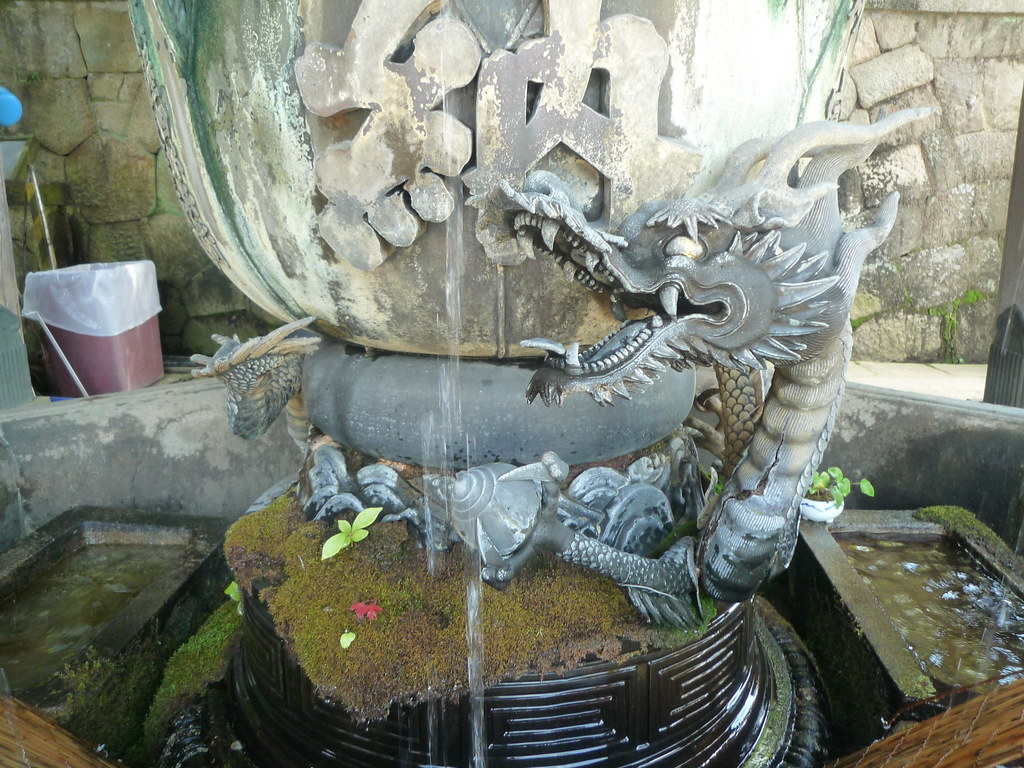
There was a lot of dragon iconography in the hall. The fountain is one of the coolest dragon sculptures I've seen.


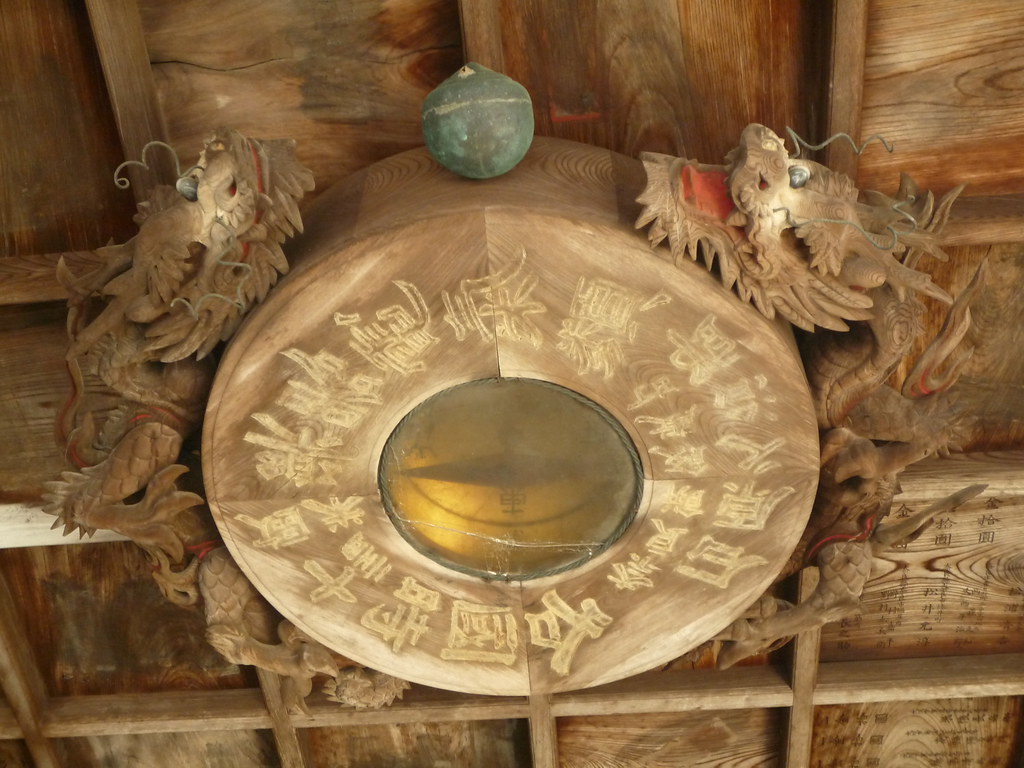
The ones on the ceiling were't bad either.


Some of the next buildings over were closed, and at first I thought the main hall of Sangatsu-do was among them. I was annoyed at myself for not going to Nara first, as I had originally planned, and then saw that the hall was in fact open, so it all worked out well. 

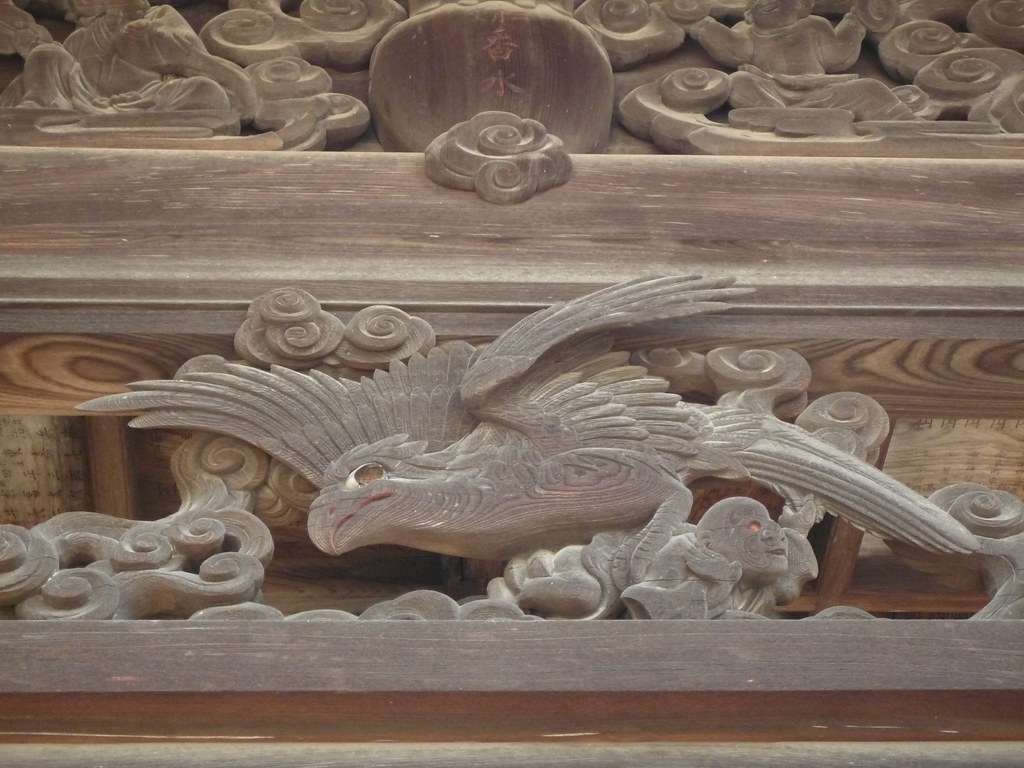
The hall had some nice wooden carvings. Even when being saved from certain death, no one in The Lord of the Rings looked half as serene while being carried off by giant eagles as this monk carved into the rafters, not even Gandalf.


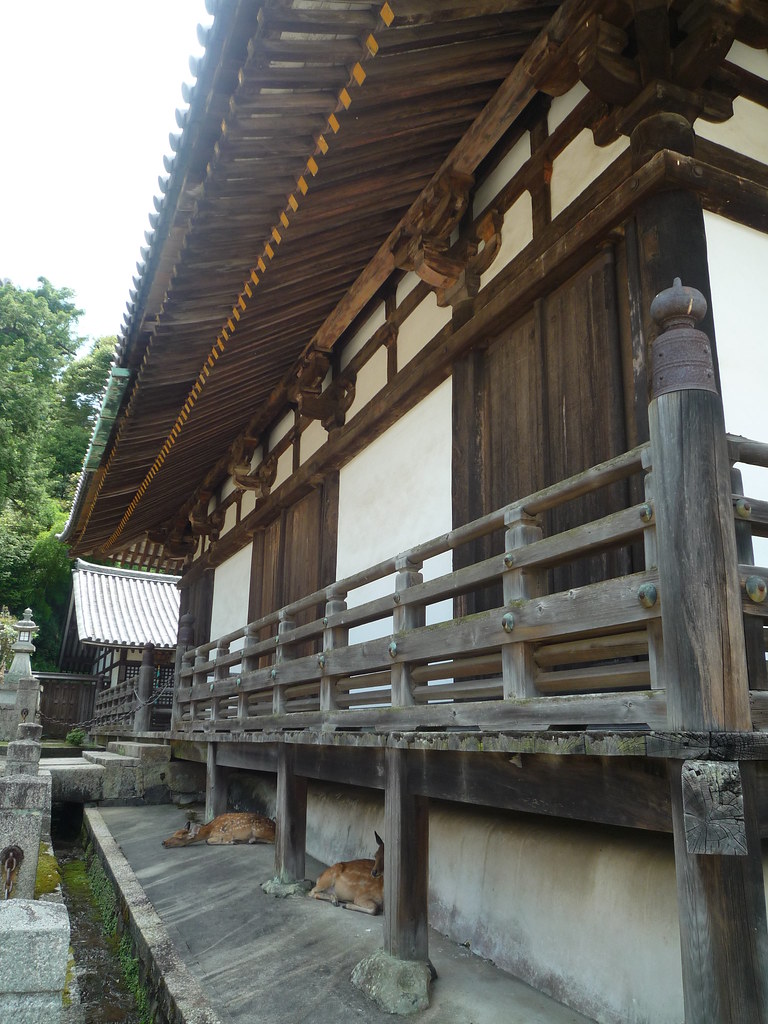
Nara's deer know the temples well enough to take shelter from the sun in their eves. 

Saturday, July 26, 2014

Japan Day 7, Part 4: The World's Largest Wooden Building, Todai-ji's Daibutsu-den

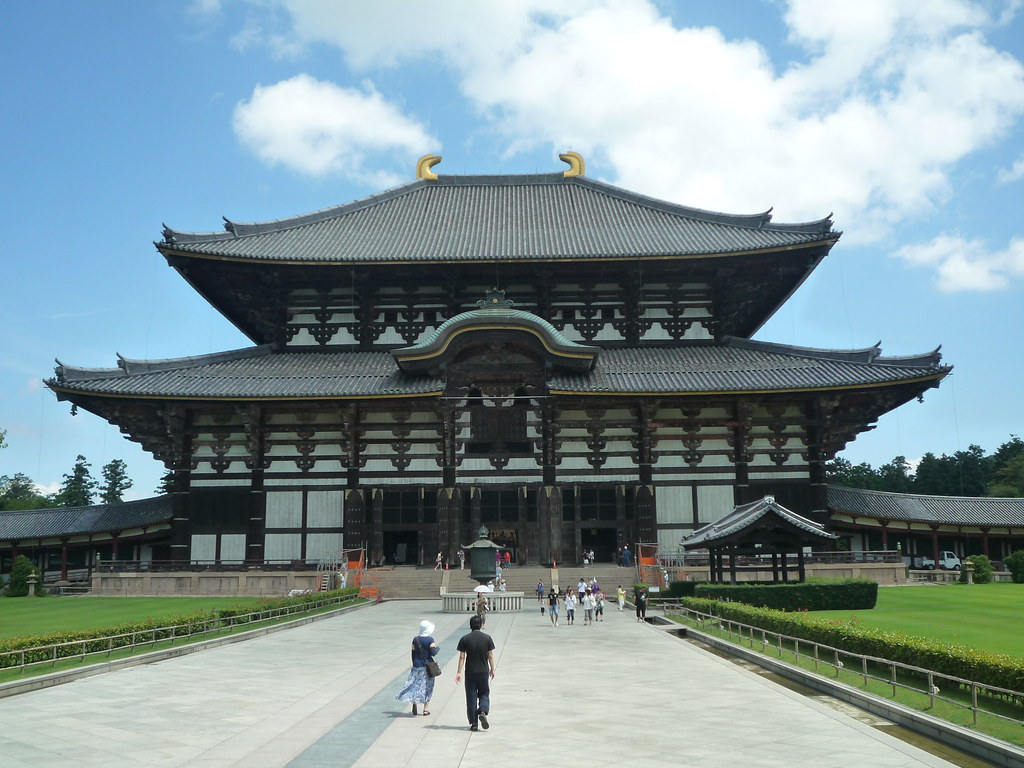
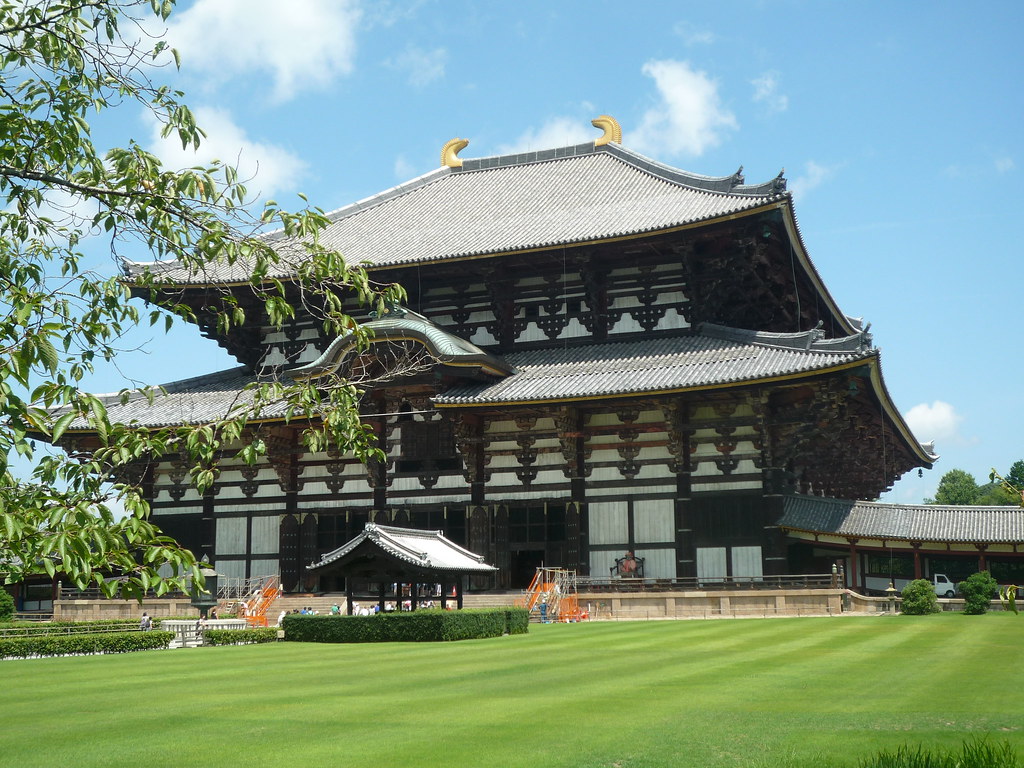
It is fitting that the largest wooden statues I've ever seen guard the largest wooden building in the world: Todai-ji's main hall, Daibutsu-den. The building is set in an enormous courtyard, and dominates the view from every part of it.


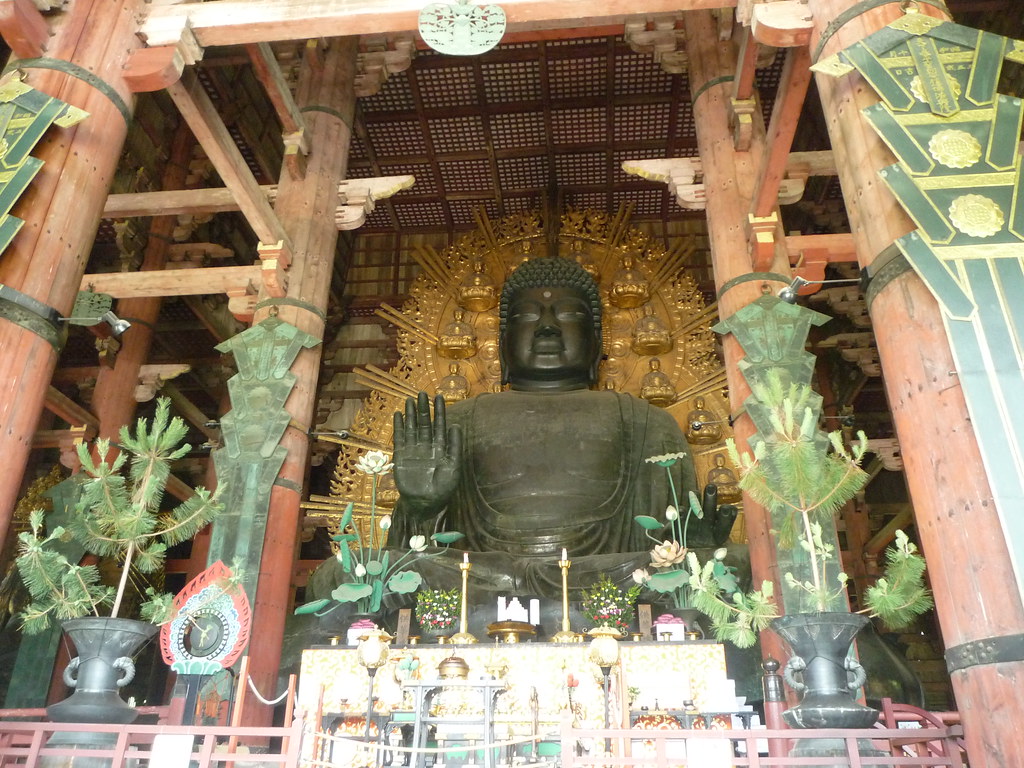
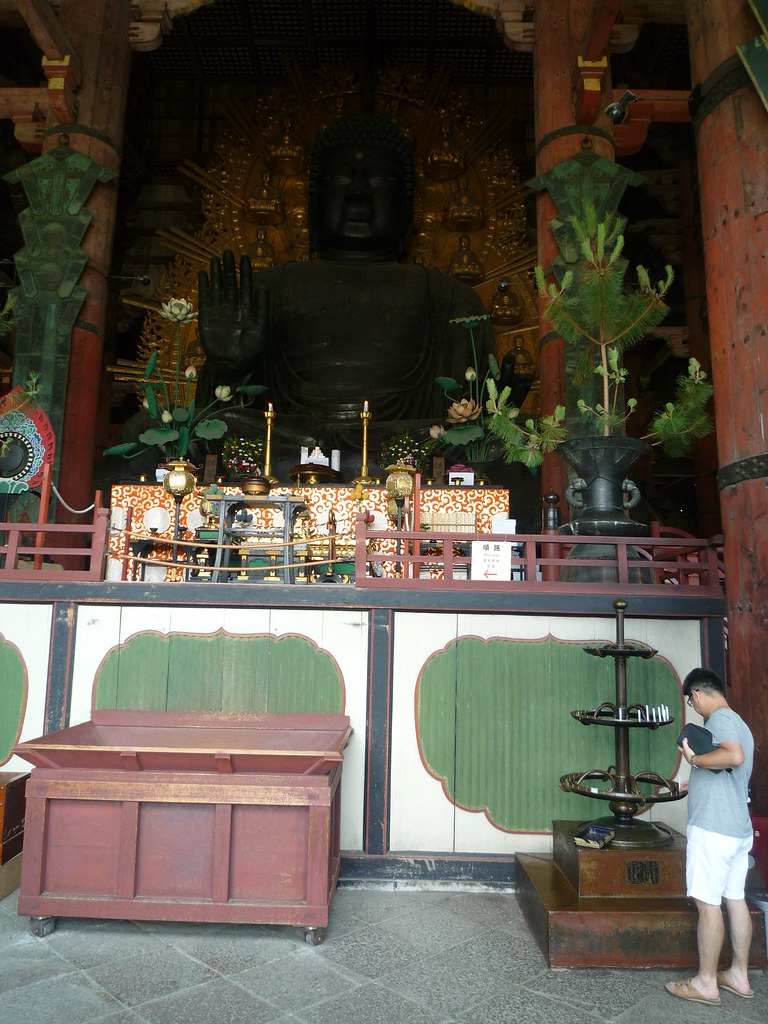
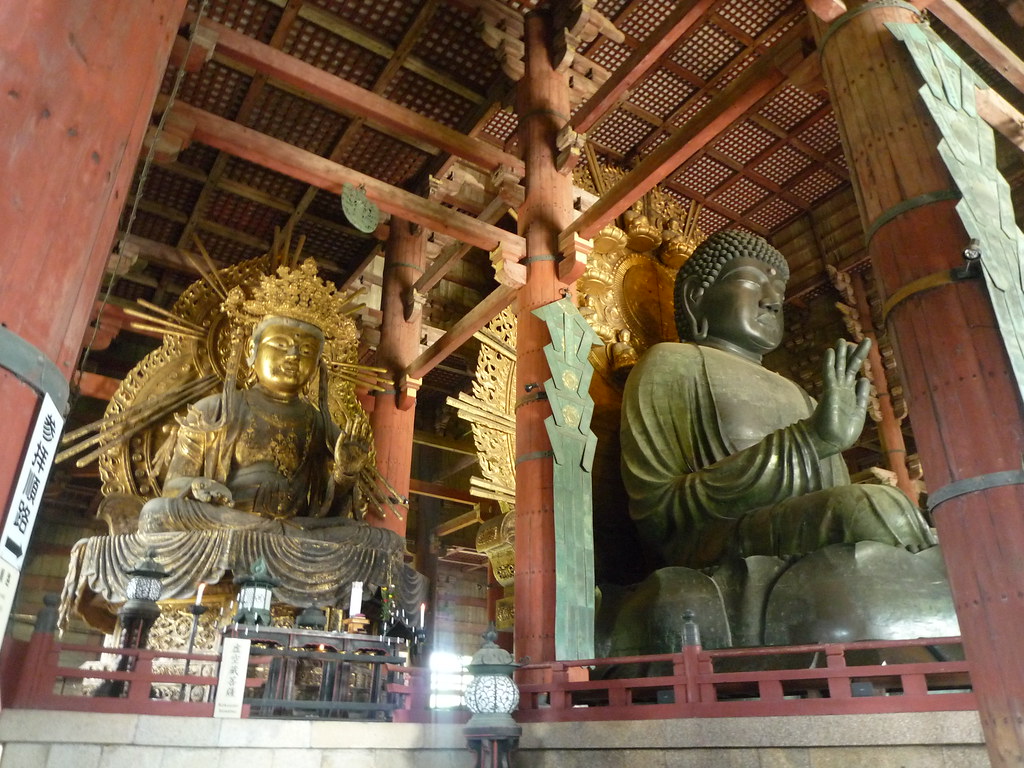
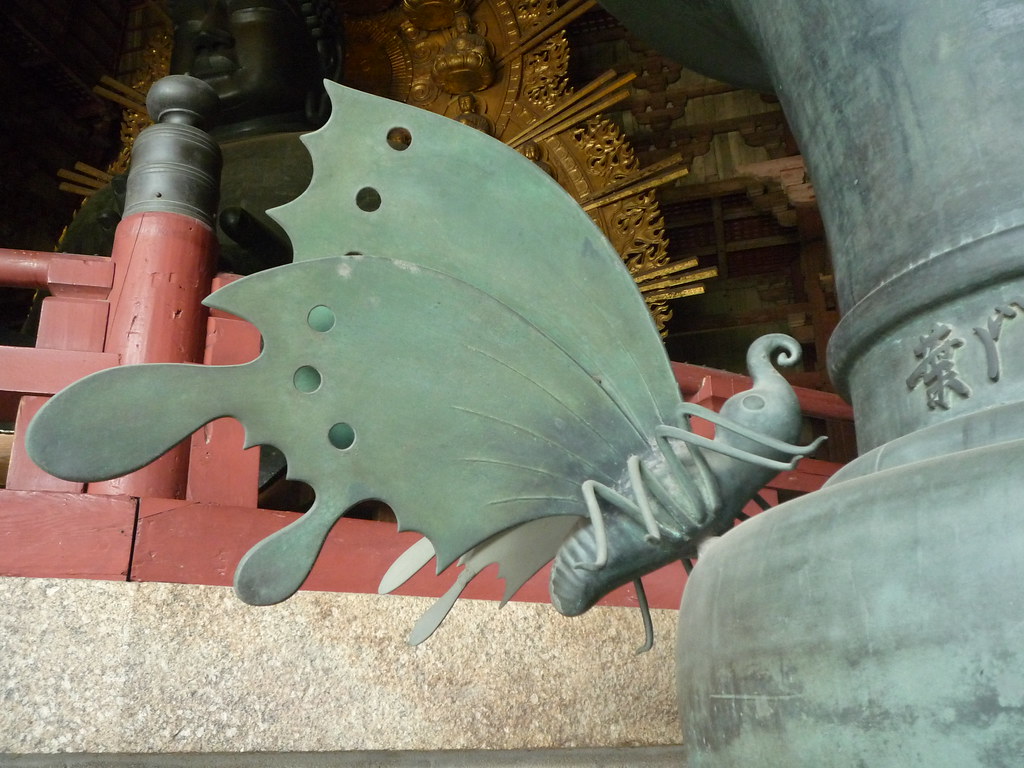
Inside is a bronze Buddha that itself is not particularly small. 


In fact, it is one of the largest bronze statues in the world. Lonely Planet says it weighs in at 437 tonnes and 130 kg of gold. 


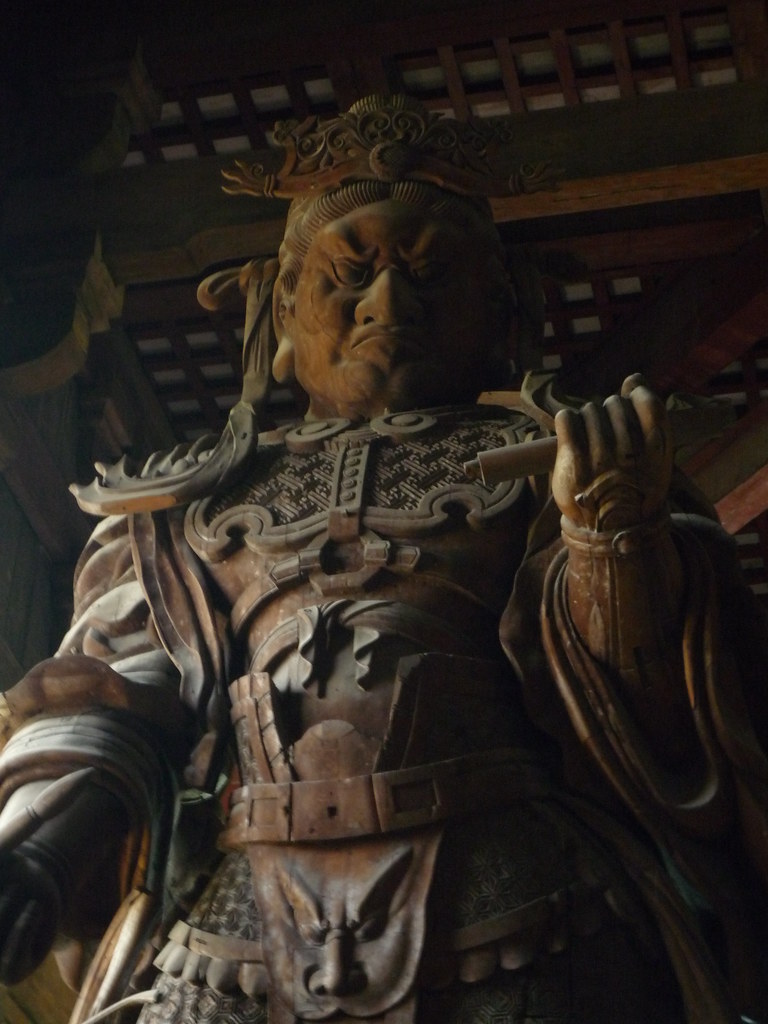
There are guardian statues in the hall as well, and they are just as expressive as the ones at the gates, if about an eighth the size, which is to say human sized.


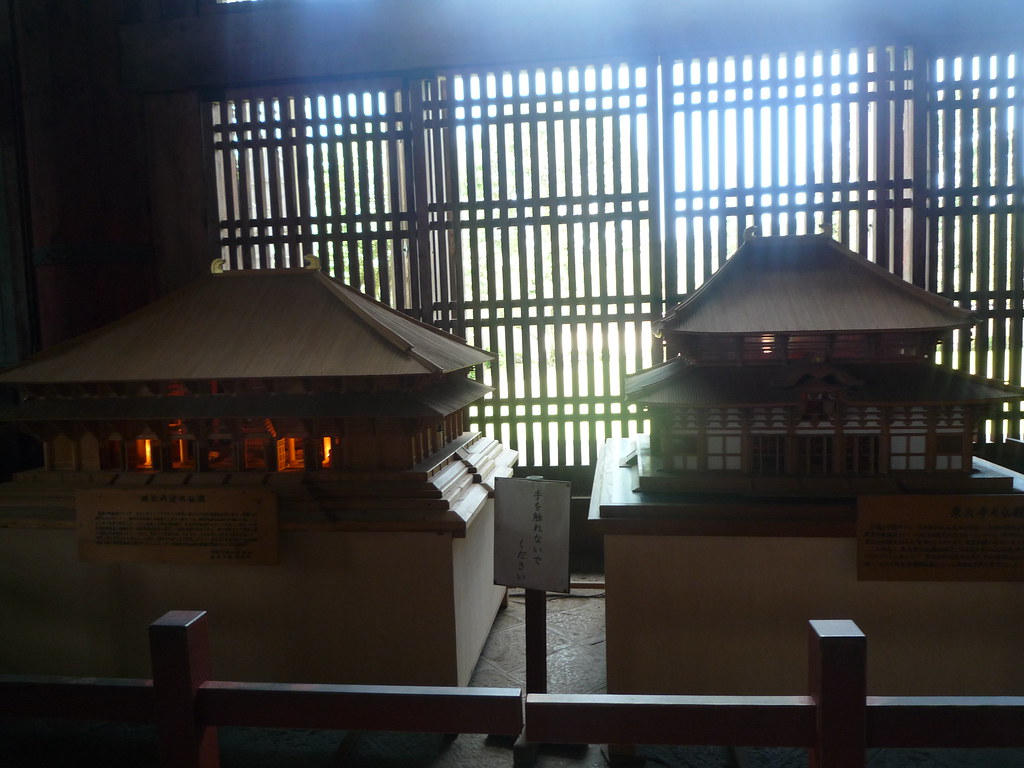
Apparently the world's largest building is merely a two-thirds the size replica of the original hall. It looks fancier than its larger predecessor, though, judging by the models:


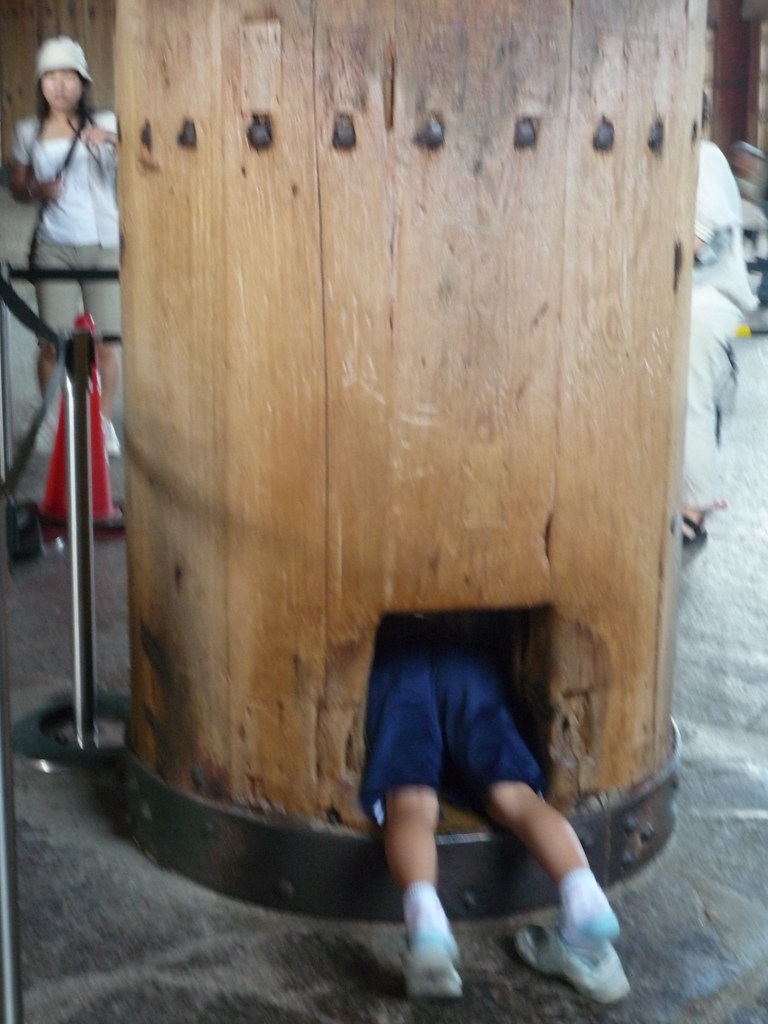
A hole in a pillar is the size of one of the giant Buddha statues nostrils, and it is supposed to be good luck if a child can crawl through it. I wouldn't consider the ability to crawl into a nostril lucky, but to each their own.


Also, it seems that an ancient version of Dr. Seuss was allowed to do some of the decorations.


The hall was just as big and imposing after I walked out of it. 


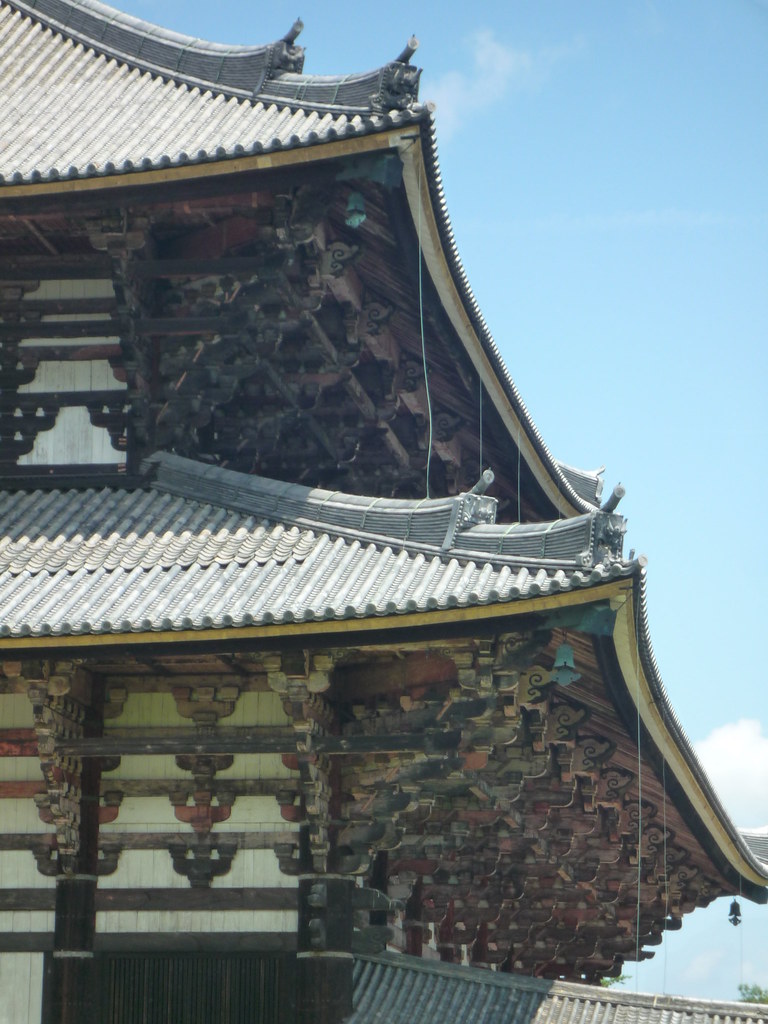
Standing in the hall's shadow, I could see the gorgeous lattice of wooden eaves was required to hold up the enormous roof. 


Daibutsu-den is a hard building to walk away from, but with only a single day to tour Nara I pressed onward.

Friday, July 25, 2014

Japan Day 7, Part 3: The Giant Gate Guardians of Todai-ji Nanai-mon

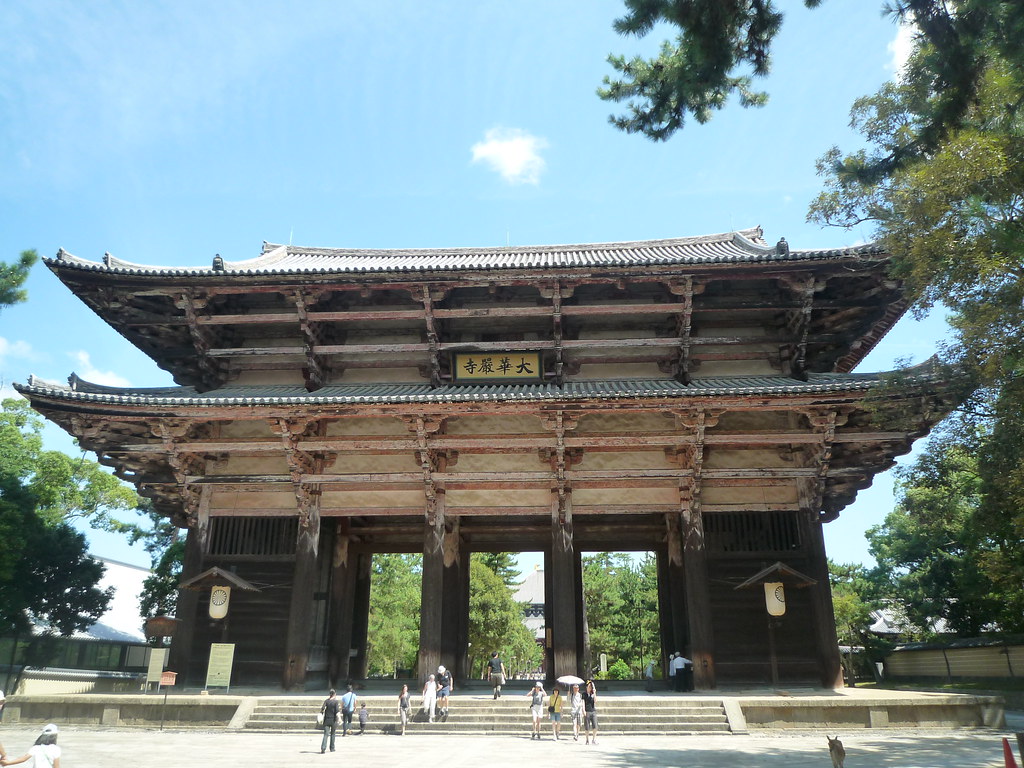
Todai-ji is an enormous temple, so it is fitting that it have a similarly gigantic gate. 


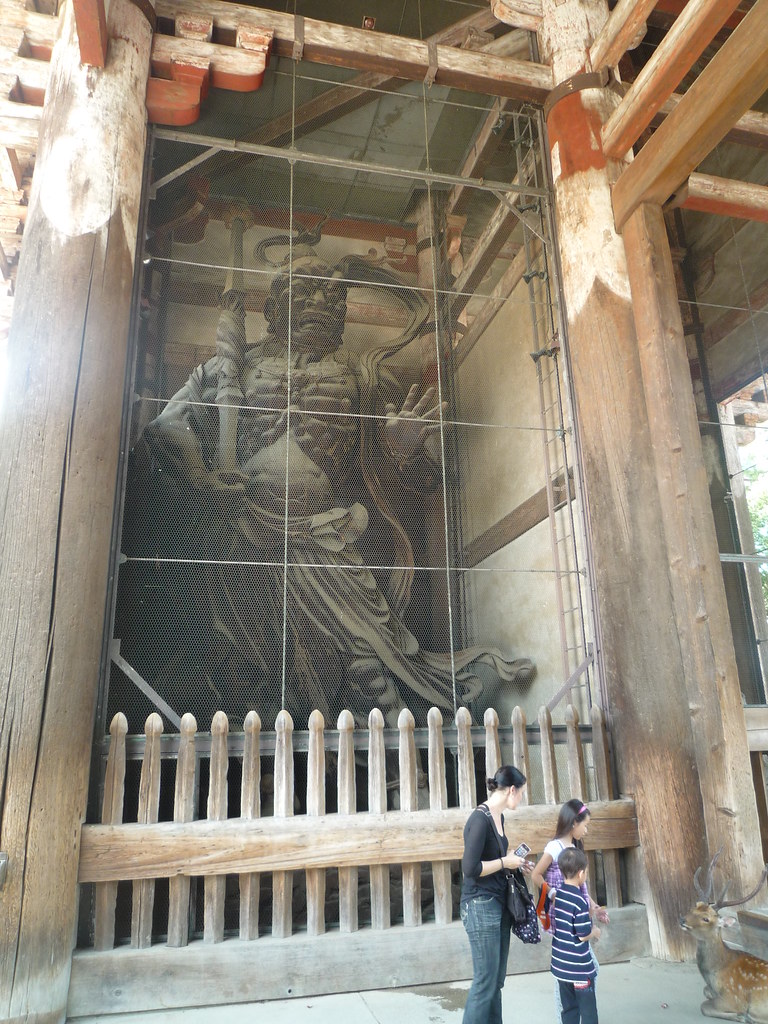
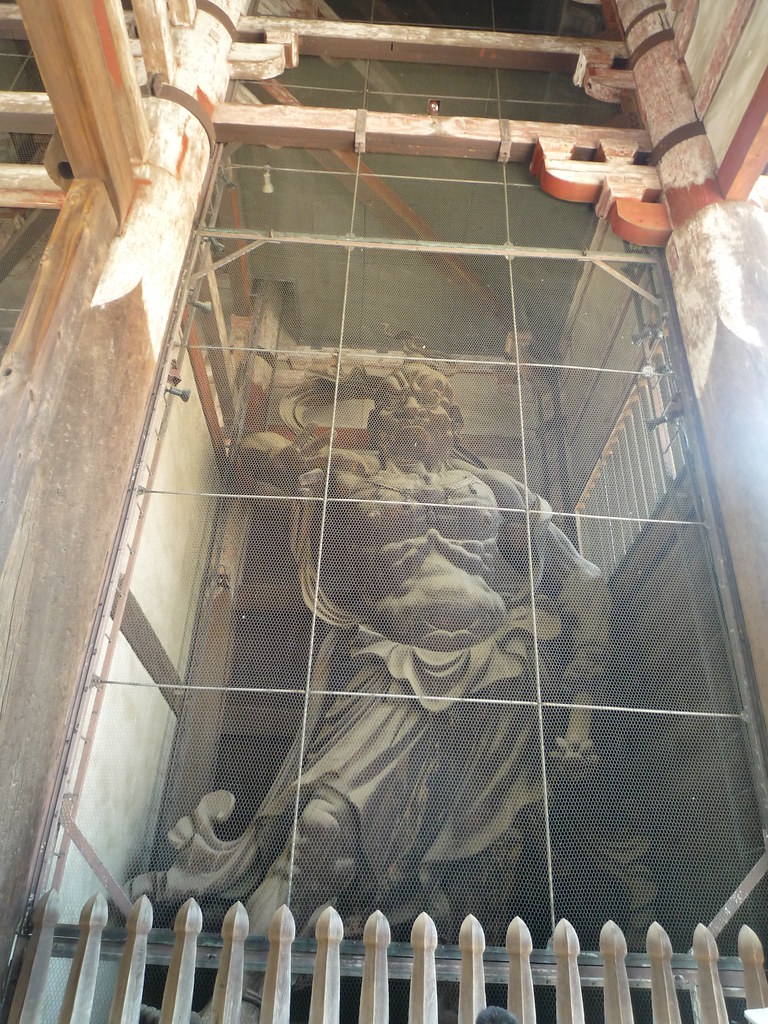
The guardians in the gatehouse were of a similarly colossal scale. 


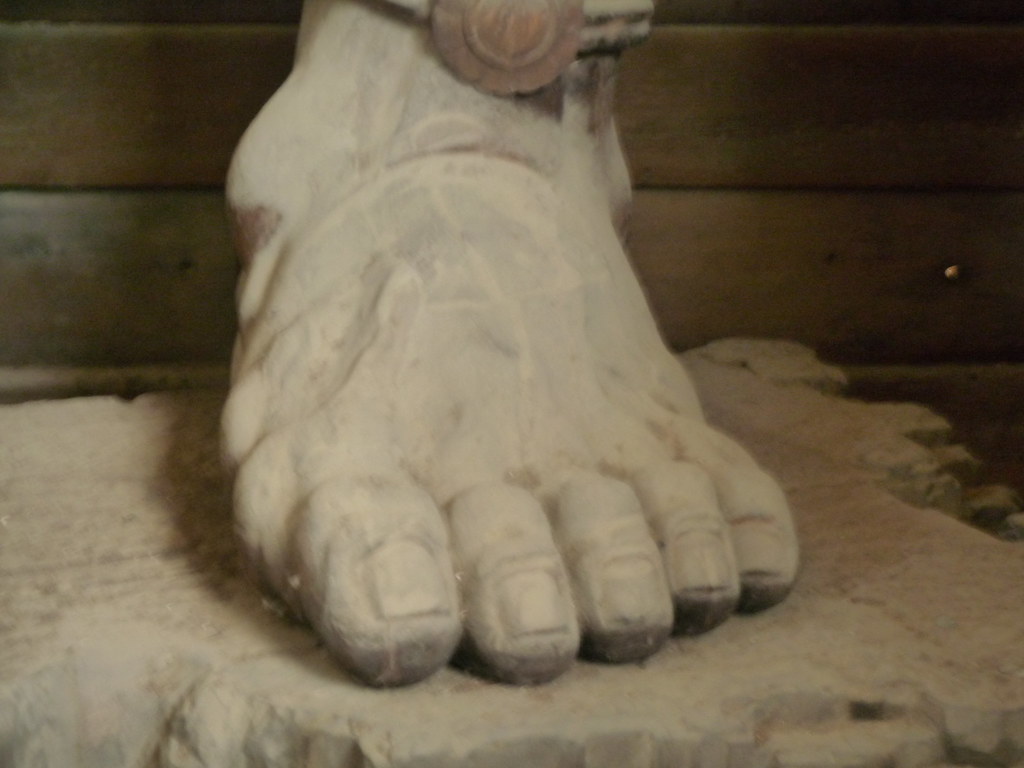
These amazing wooden statues were carved about eight hundred years ago and have been recently restored. They are some of the best wood carving I have seen anywhere. The guardian gods are as lifelike as they are huge, and are forever what I'll use for a mental reference when I think of giants.


A single foot was large enough to crush me, and was so detailed you could practically see the muscles flexing under the skin. 


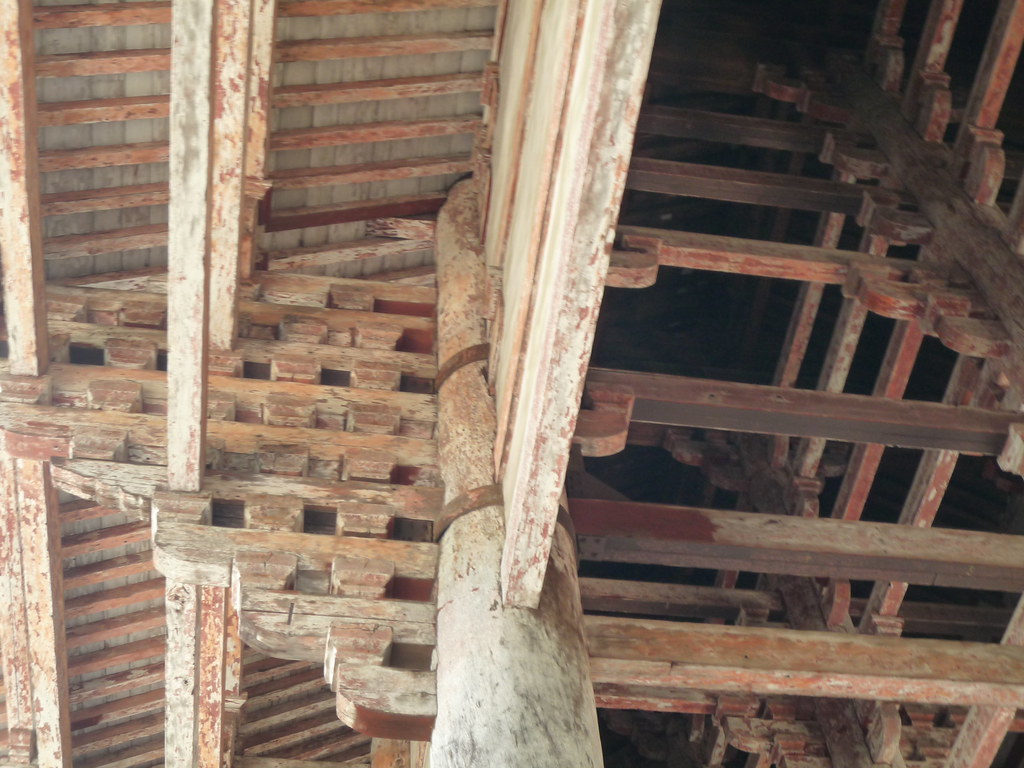
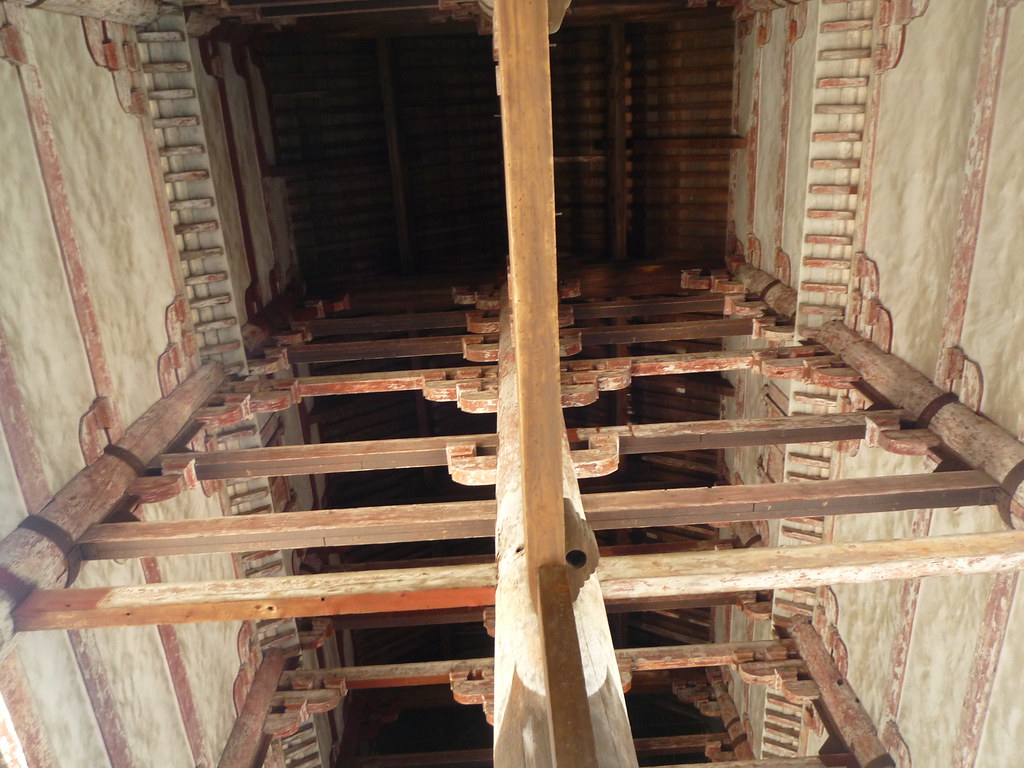
Being around giants causes one to look up, and the rest of the gatehouse was not disappointing. One of the many things I love about Japanese temples is that even the rafters are elegant.


  © Blogger template 'Minimalist G' by Ourblogtemplates.com 2008

Back to TOP