Thursday, February 9, 2012

Hereford, Great Malvern, and Worcester

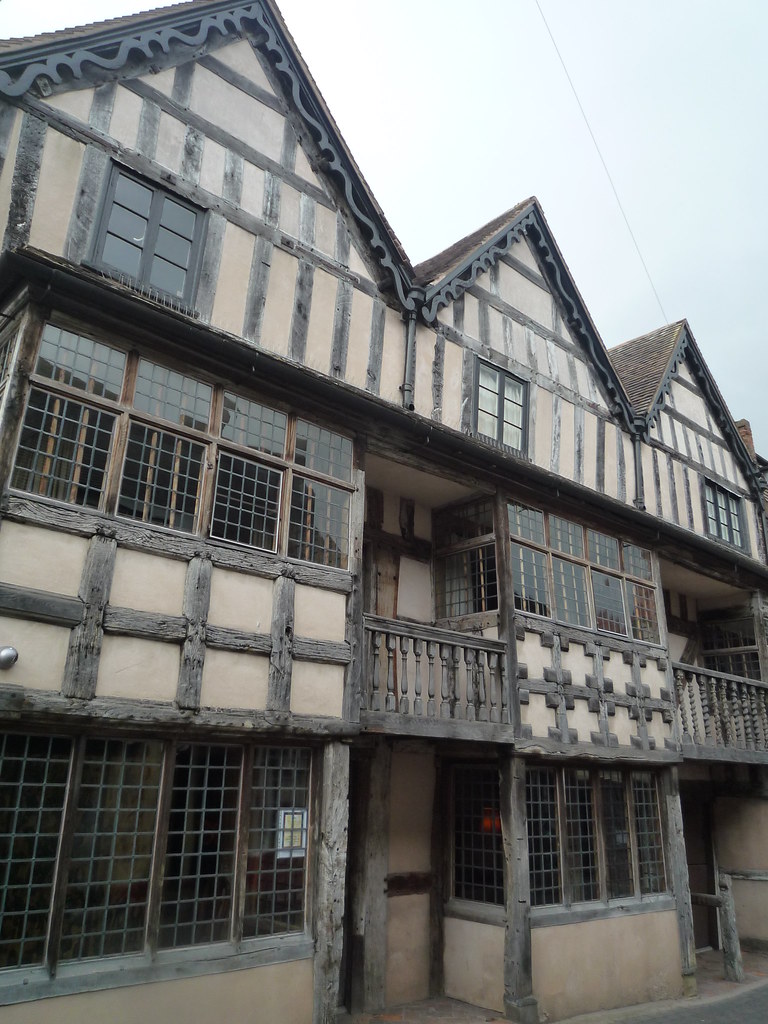
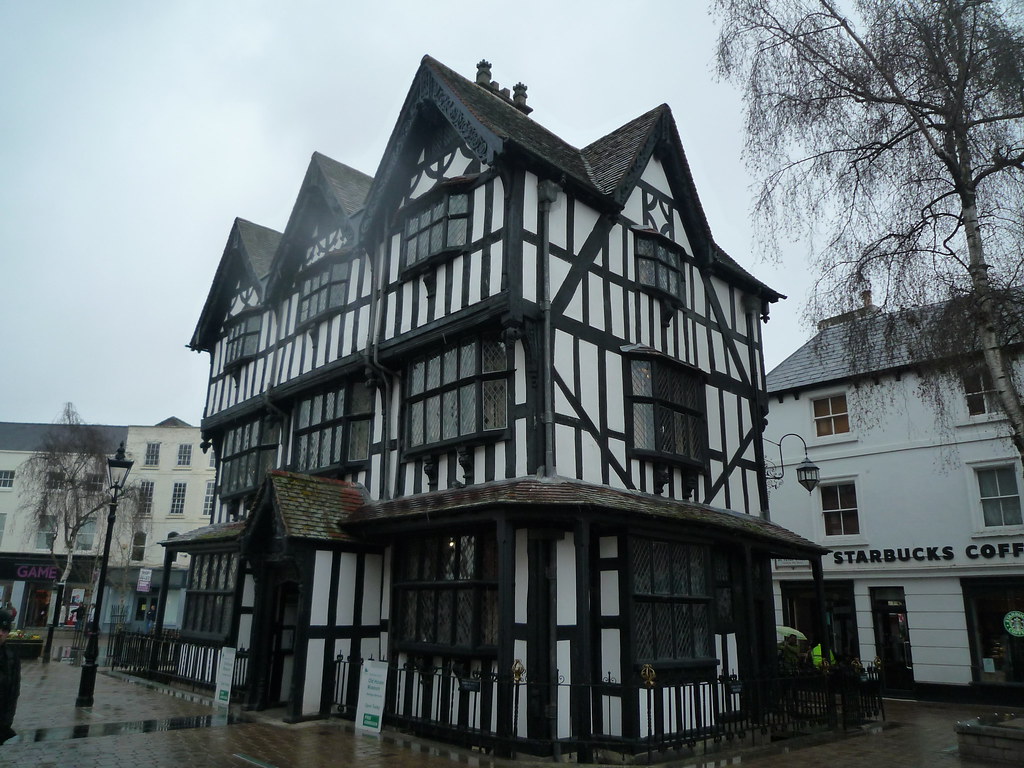
Hereford's main draw is its cathedral. There is an idyllic old house, appropriately named The Old House, standing alone in the pedestrian market streets that lead to the cathedral. 

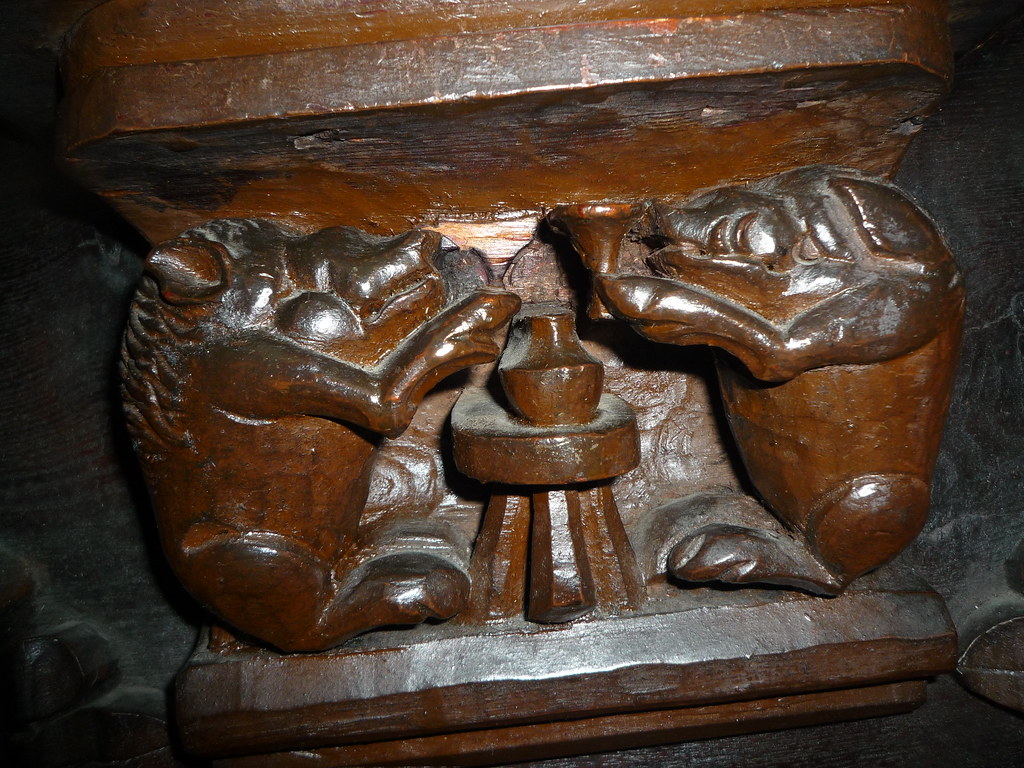
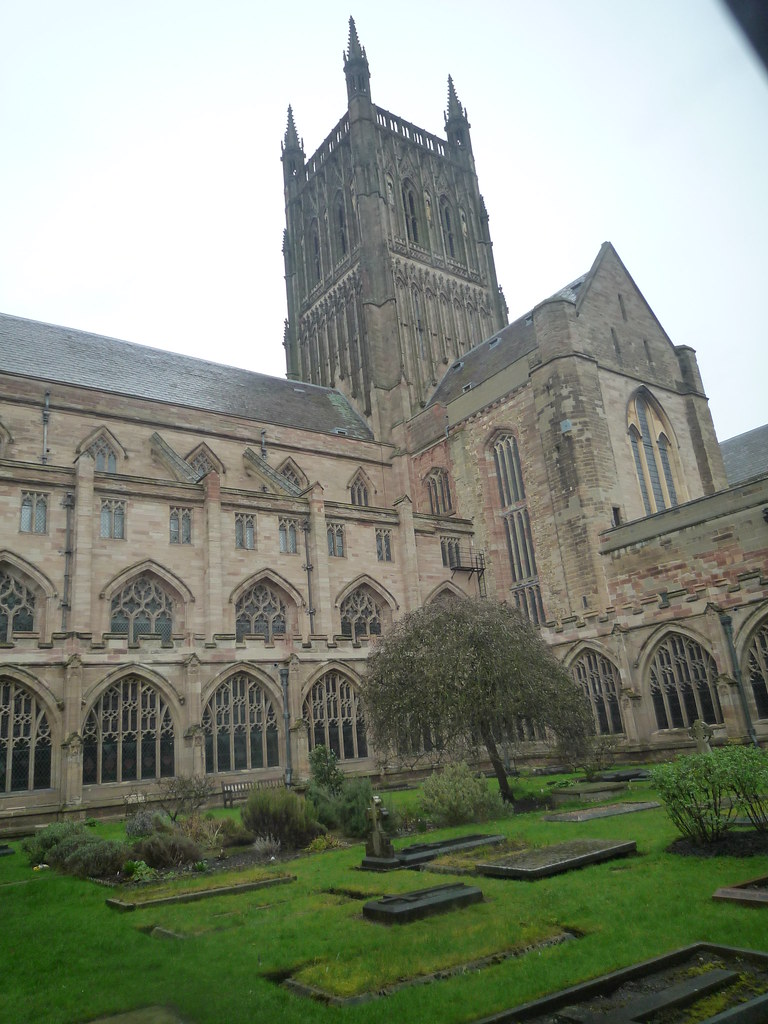
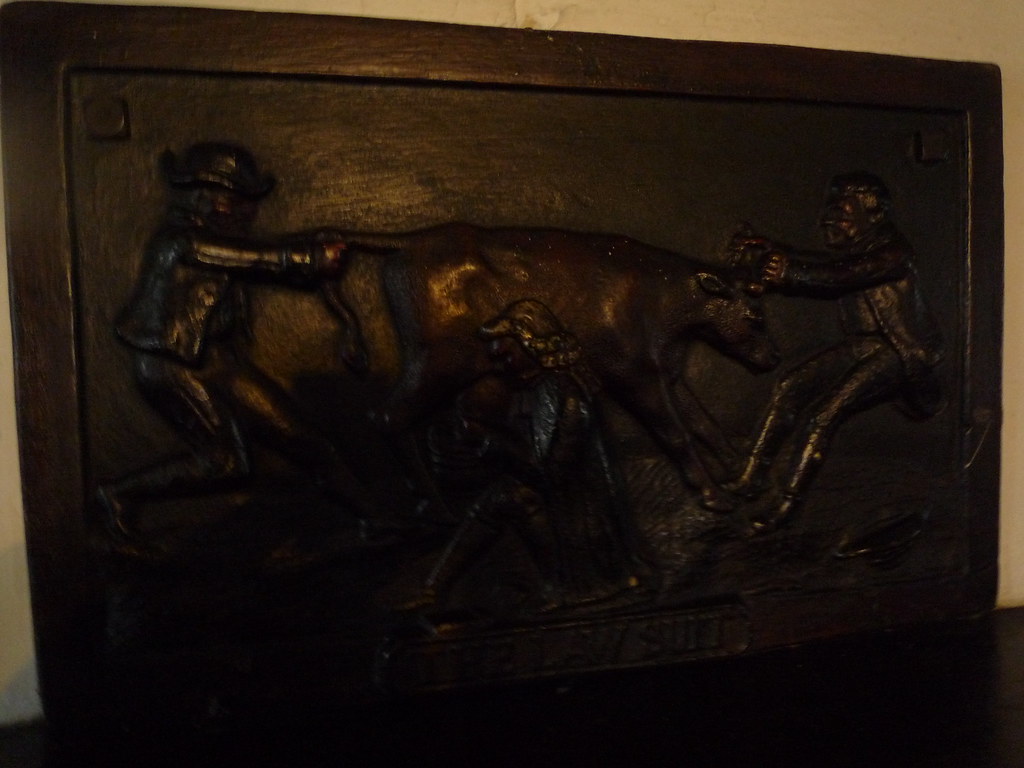
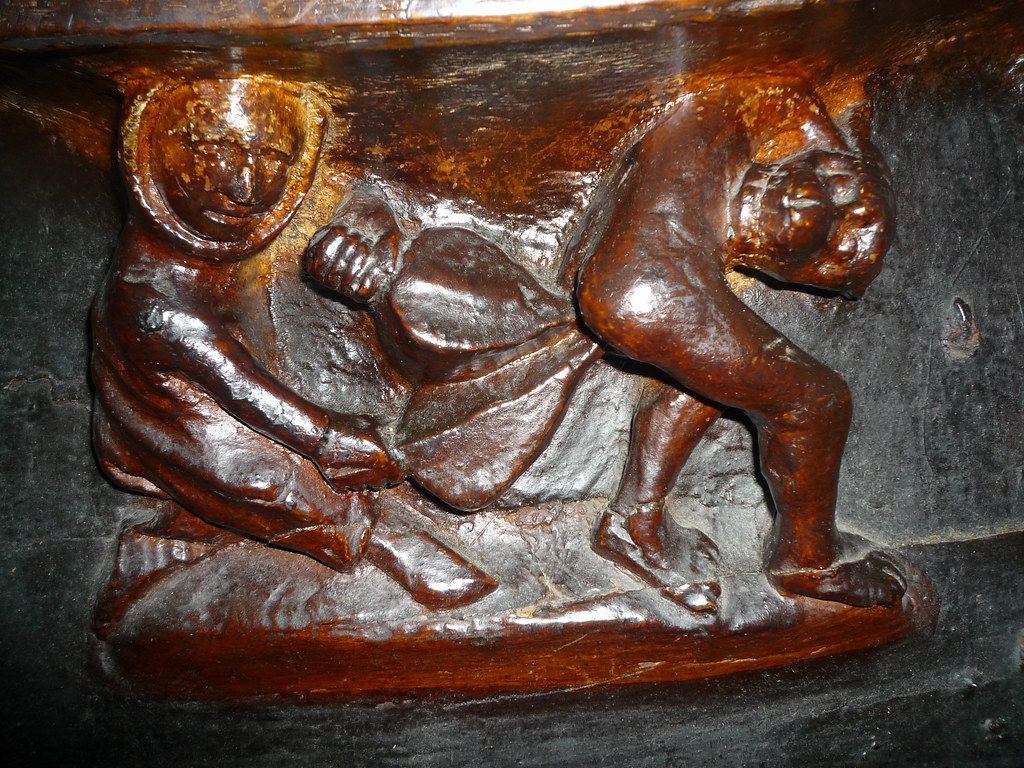
The cathedral itself isn't much to look at in comparison with many of the others in Britain (as evidenced by the fact that even I didn't feel the need to take pictures of the exterior), yet it holds fascinating treasures. Unfortunately, photography of them is not permitted, so for visuals all you'll get is this brilliant and scathing social commentary carved in wood, titled "The Law Suit". 

The aforementioned treasures are the mappa mundi and the chained library. Hereford is home to the largest medieval map of the world still extant. It's quite something to behold. In the medieval mind, the world was a disk, with Jerusalem at the center (obviously). Rumors and myth fill the gaps of medieval European knowledge of the world, leading to scenes of unicorns grazing with rhinoceroses, and headless people with faces in their torsos, among other oddities.  Landmarks worth noting include the garden of Eden (separated from the world), as well as Sodom and Gomorrah (along with the pillar of salt that was once Lot's wife). 

The chained library consisted of shelves of ancient books whose spines were literally chained to their shelves. Books were clearly highly valuable and in need of protection. The library is also home to another of the four remaining copies of the Magna Carta. 

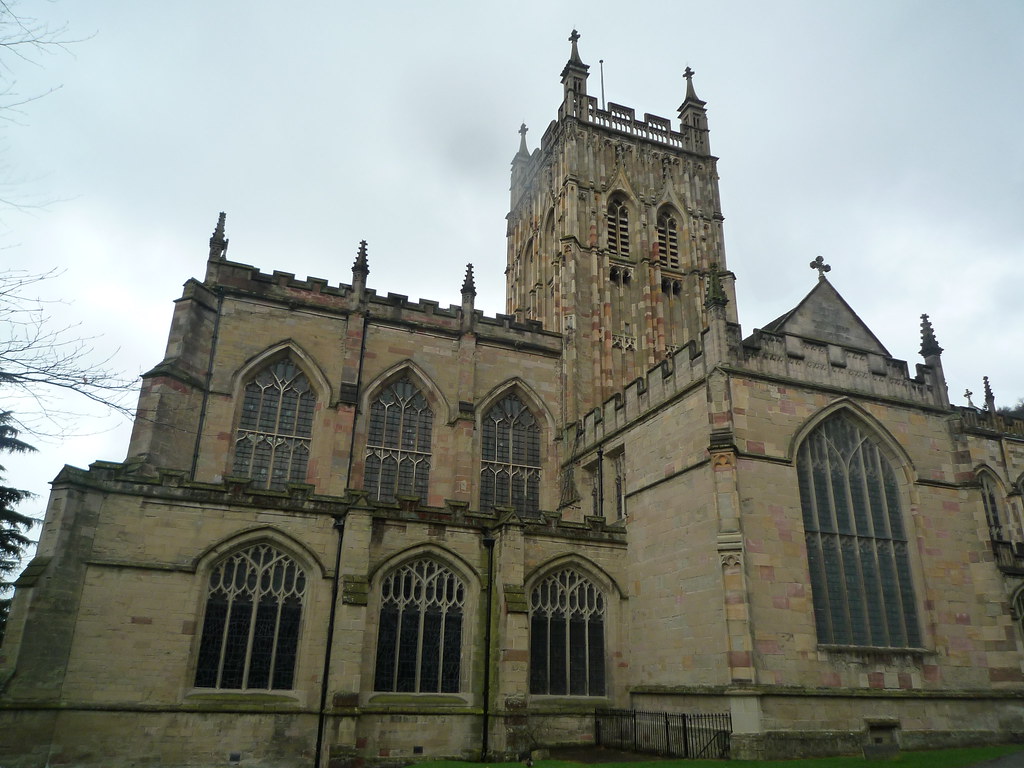
On the train to Great Malvern I happened to be sitting near a woman with whom I had spoken on a bus ride in the Lake District. She was happy to hear I had toured her native Hereford as she had suggested. Great Malvern drew me in with its priory. 

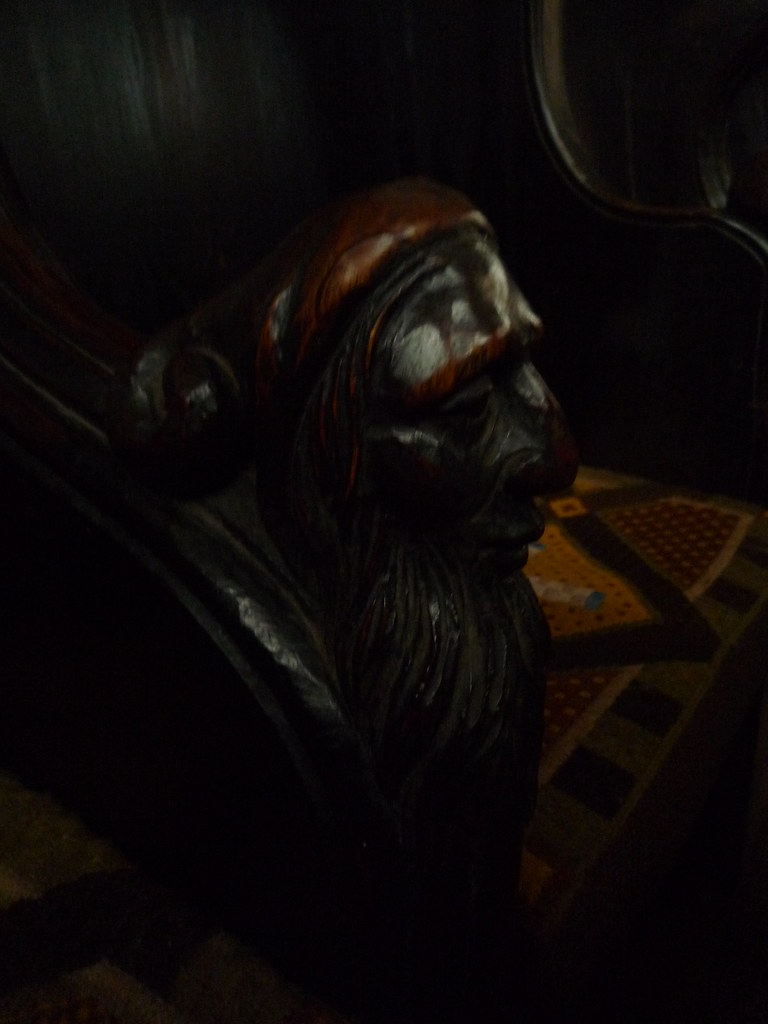
More specifically, the priory's misericords (the underside of the monks' fold down seats) have fascinating carvings upon them, and the armrests were just as amusing. 


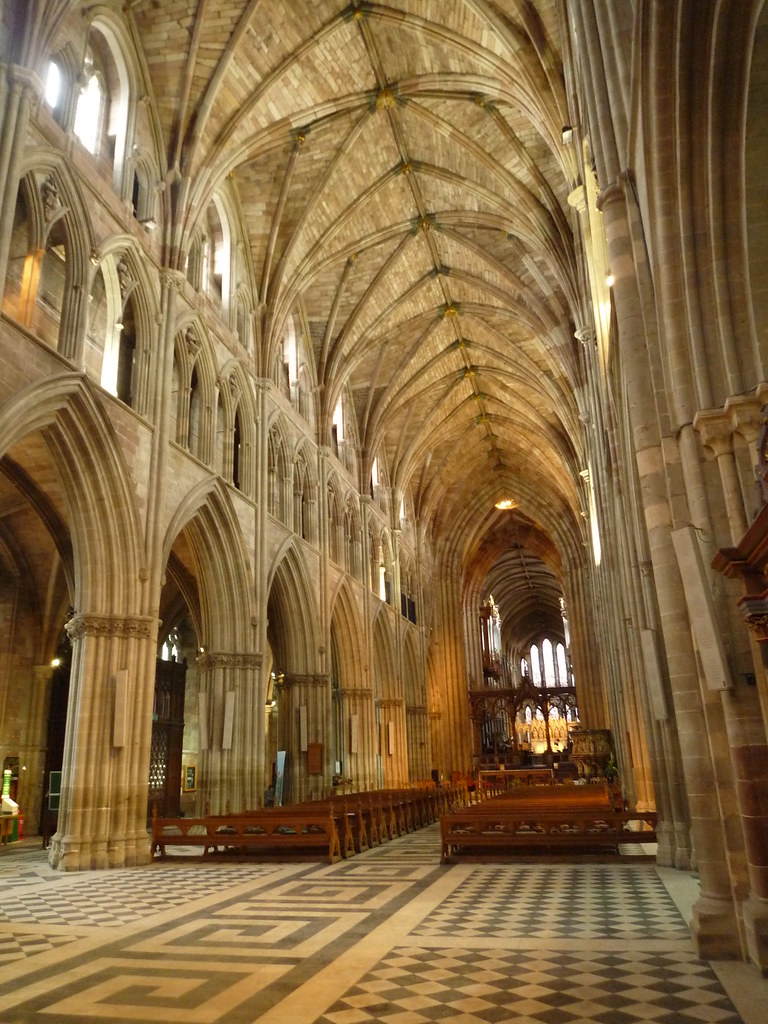
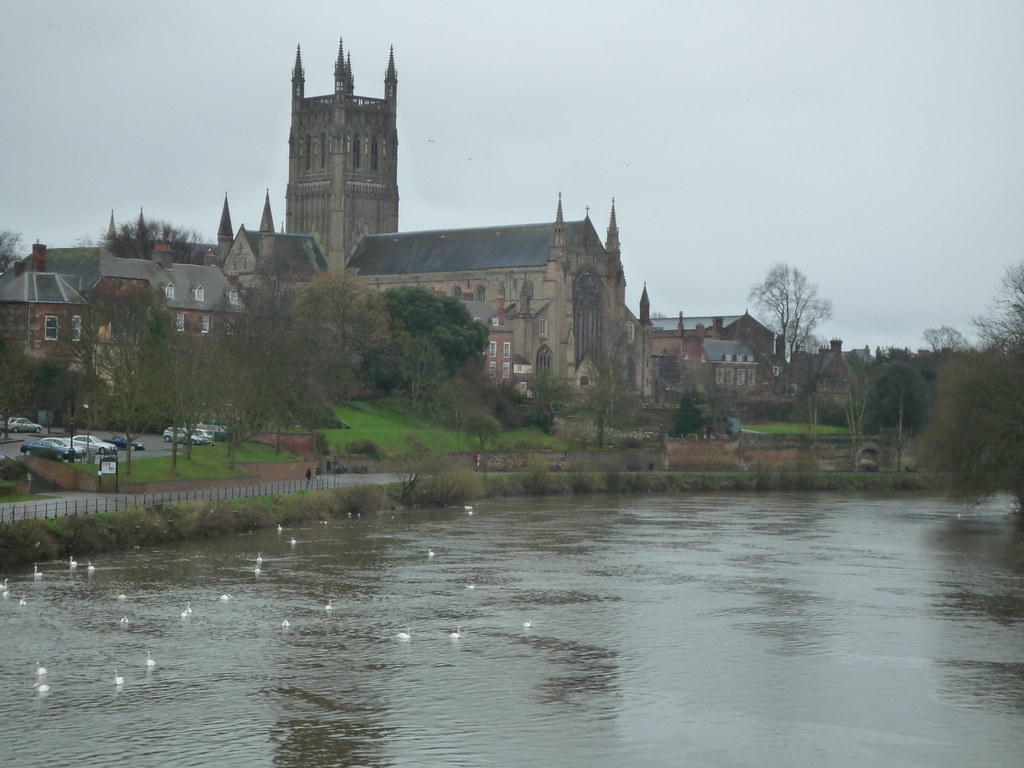
The day's penultimate stop was Worcester, home to another cathedral. 


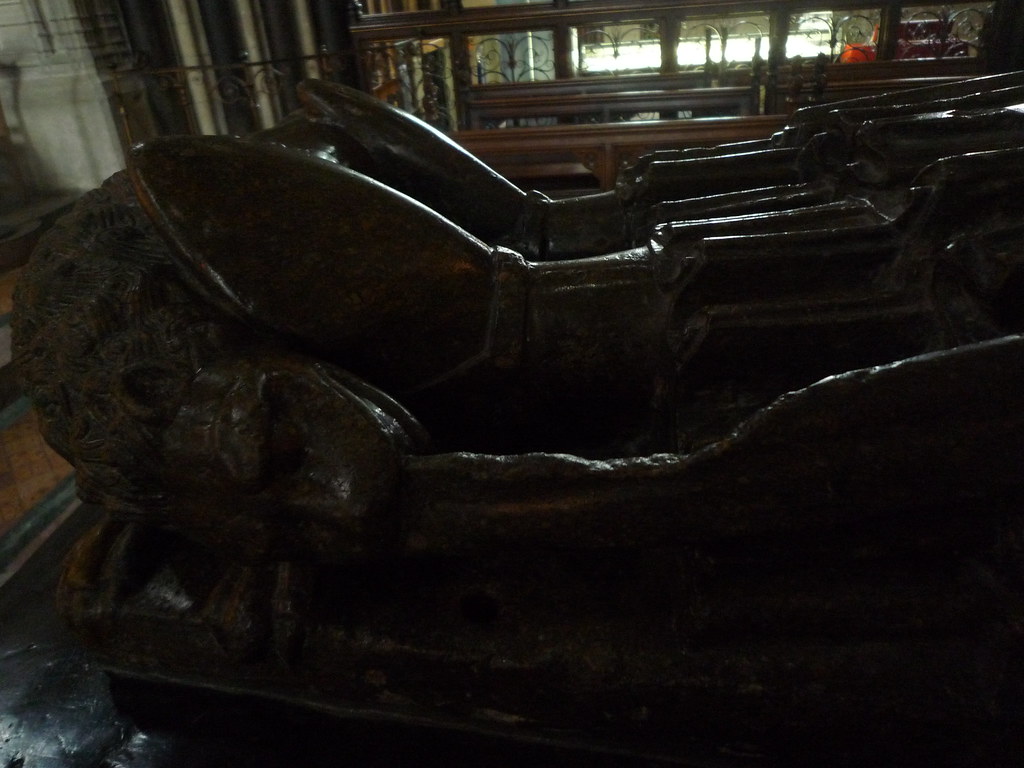
The Cathedral is the burial place of King John, famed signer of the Magna Carta and enemy of his elder brother Robert the Lionhearted (not to mention Robin Hood). 
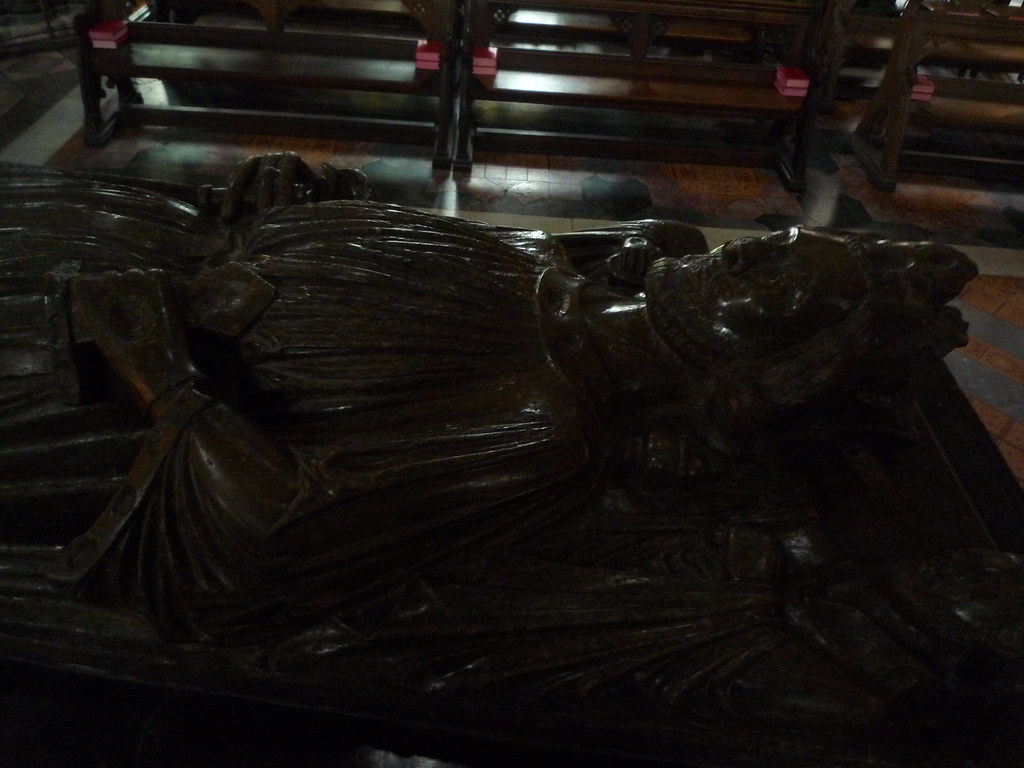

The king's unpopularity can be seen by the fact that the lion on his tombstone is attacking his feet instead of sitting there as a loyal guardian. 

On the train I heard a ringtone to the tune of that classic ditty "Uncle-fucker". I ended my day with yet another cathedral in Birmingham. 
Ludlow

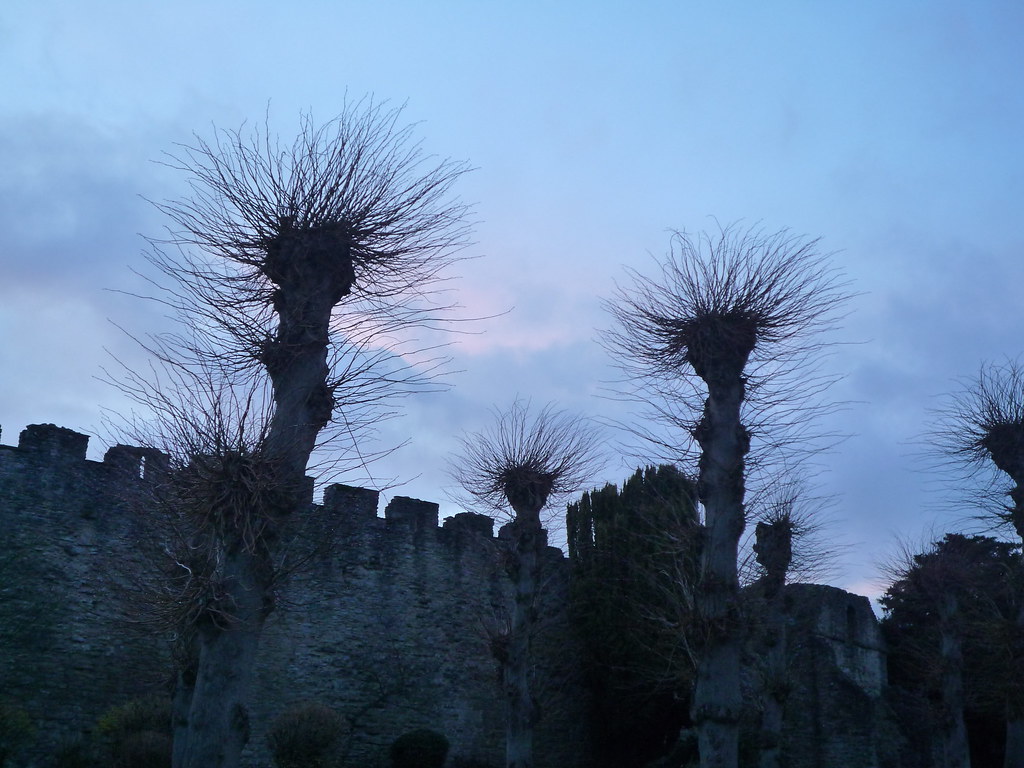
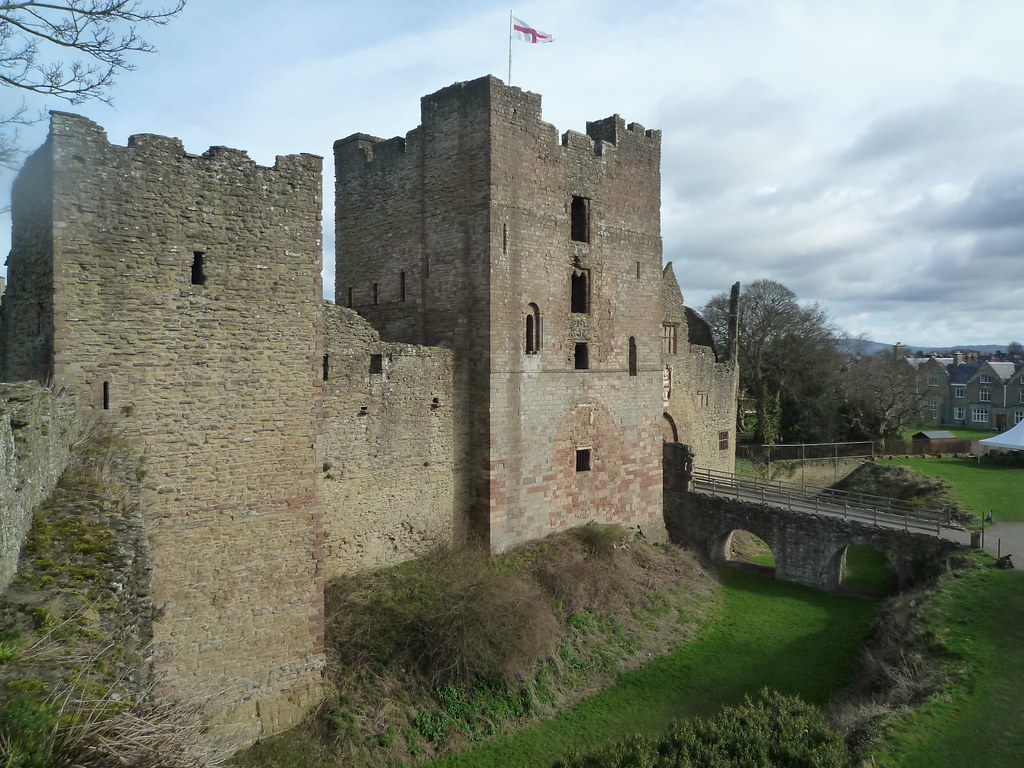
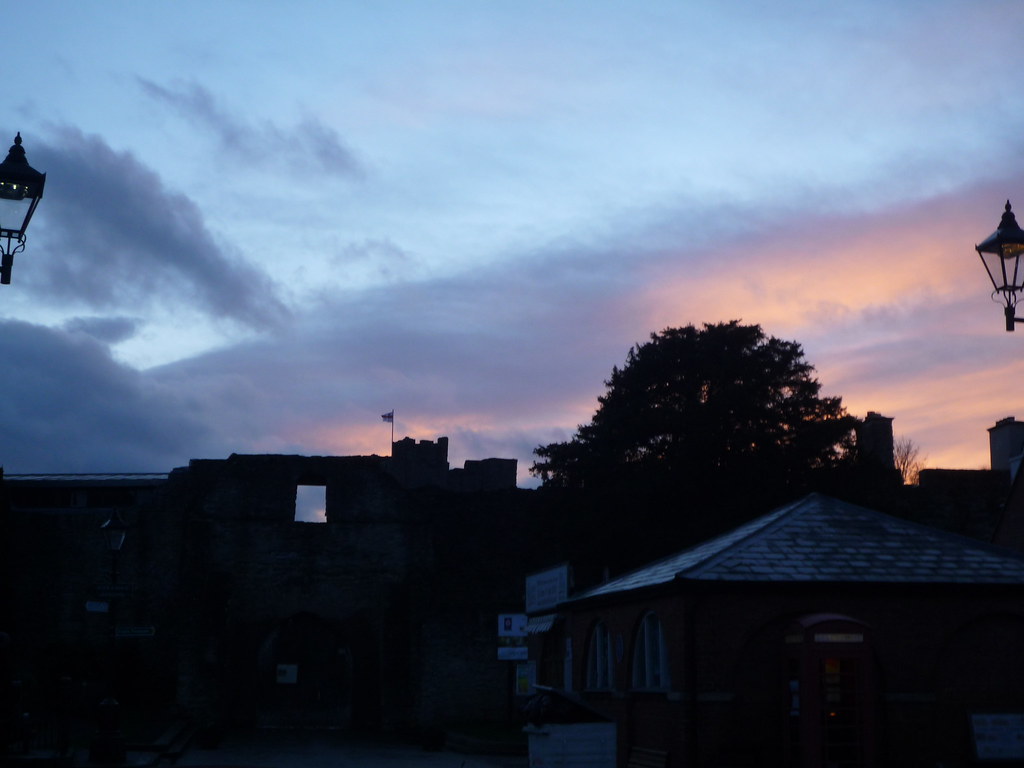
I arrived in Ludlow in time to see the castle at sunset. 


The trees out front would have been at home in a Dr. Seuss book. 


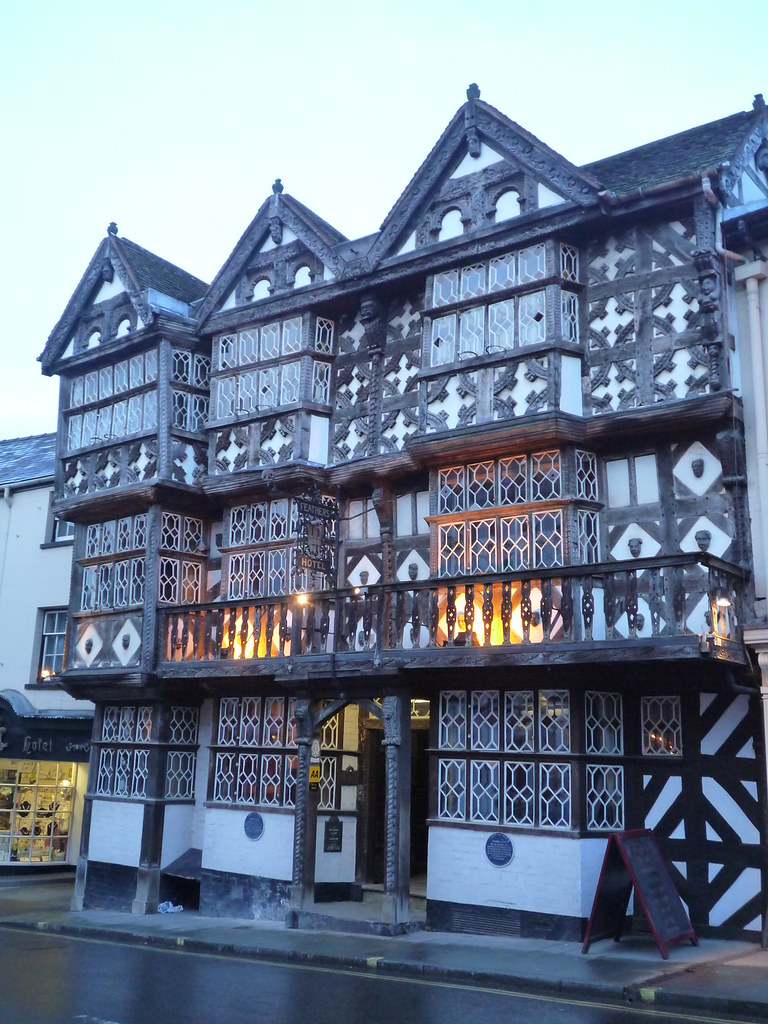
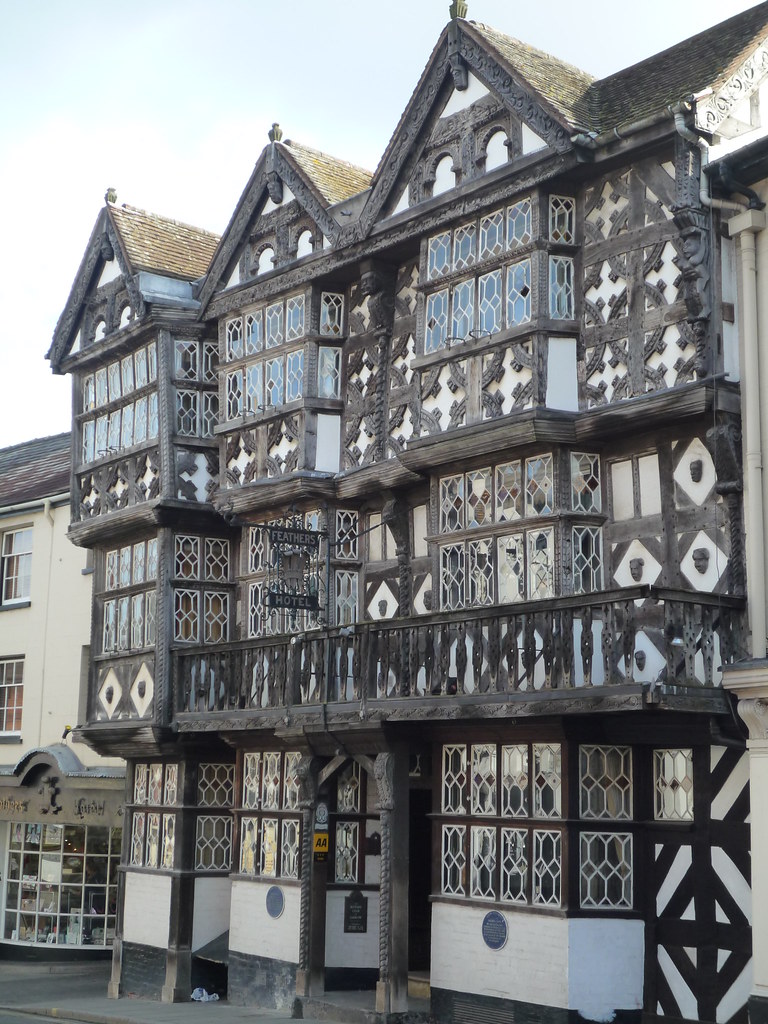
The Feathers Hotel, unquestionably the town's most photogenic building, 
also turned a pretty shade of purple in the fading light. 


It still looked nice after a night in a bed and breakfast (which was far higher quality than the price would lead one to guess, with a great view over the town from the impressive home). 


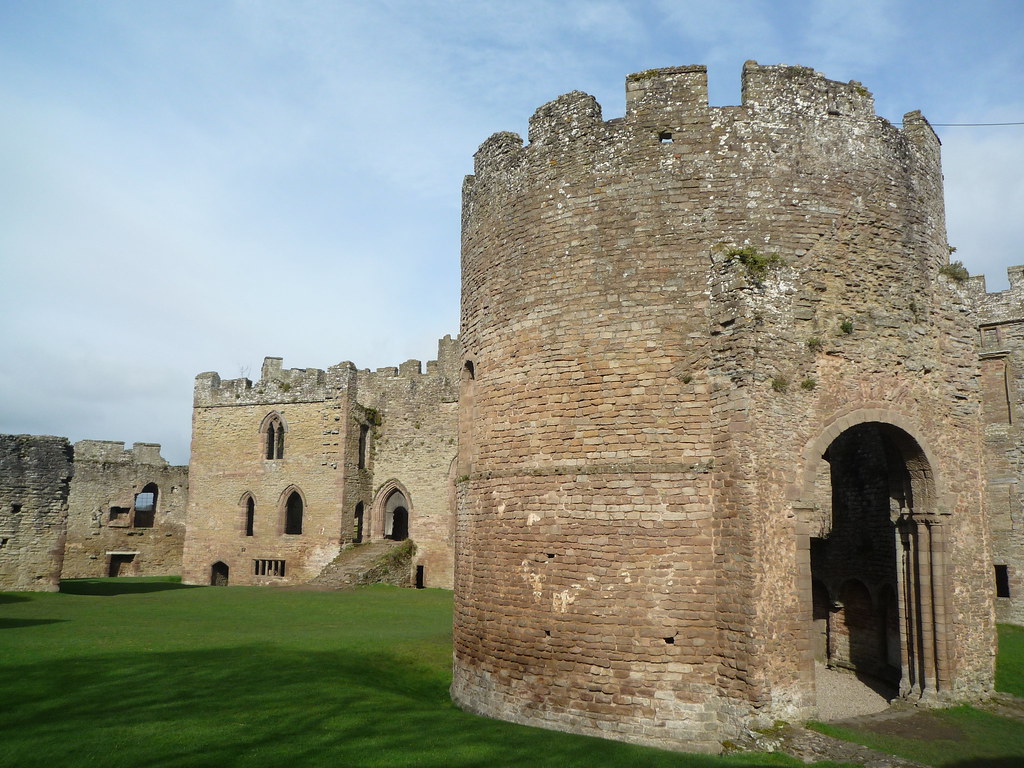
I'm sure you're all shocked to hear that I took the tour of the castle ruin. 


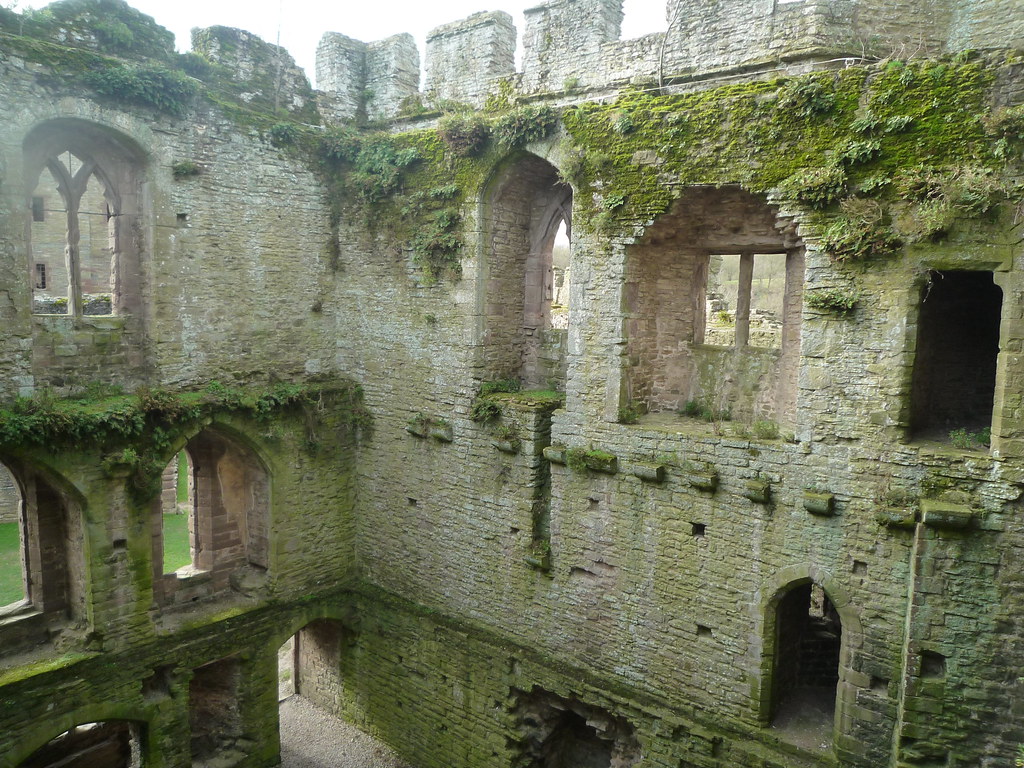
Lonely Planet claimed that the castle was full of secret passageways, leading me to wonder if whoever wrote that section thought that sallyports were secret passages. Despite the lack of hidden routes through the walls, I thoroughly enjoyed the moss and fern covered ruin. 


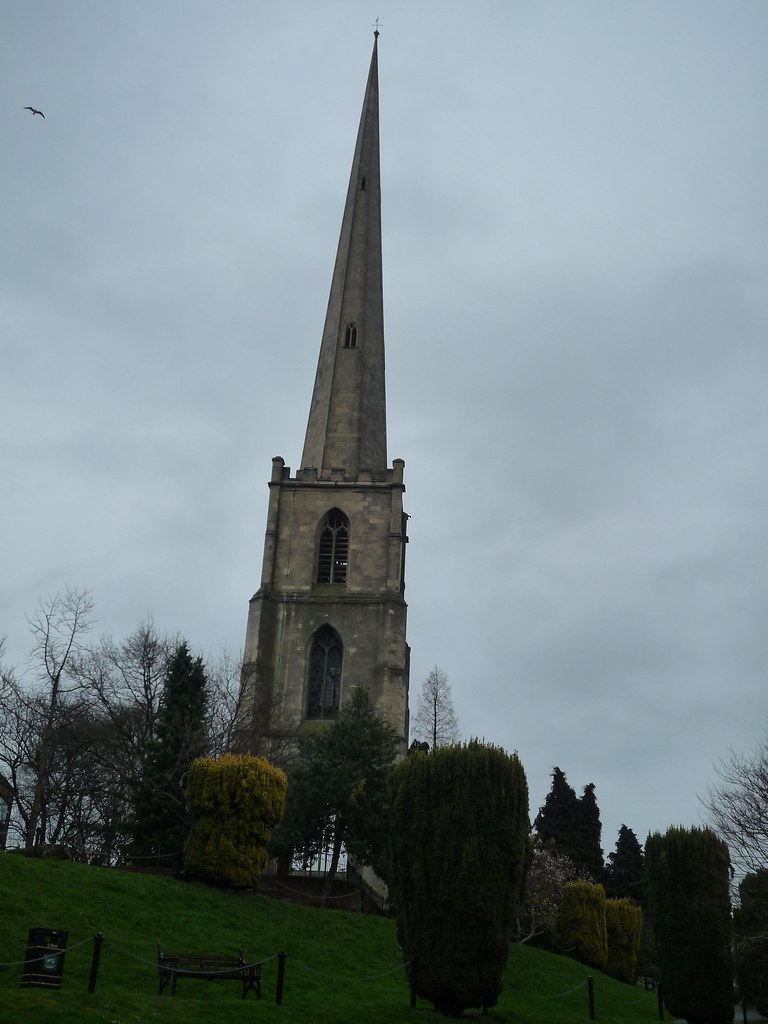
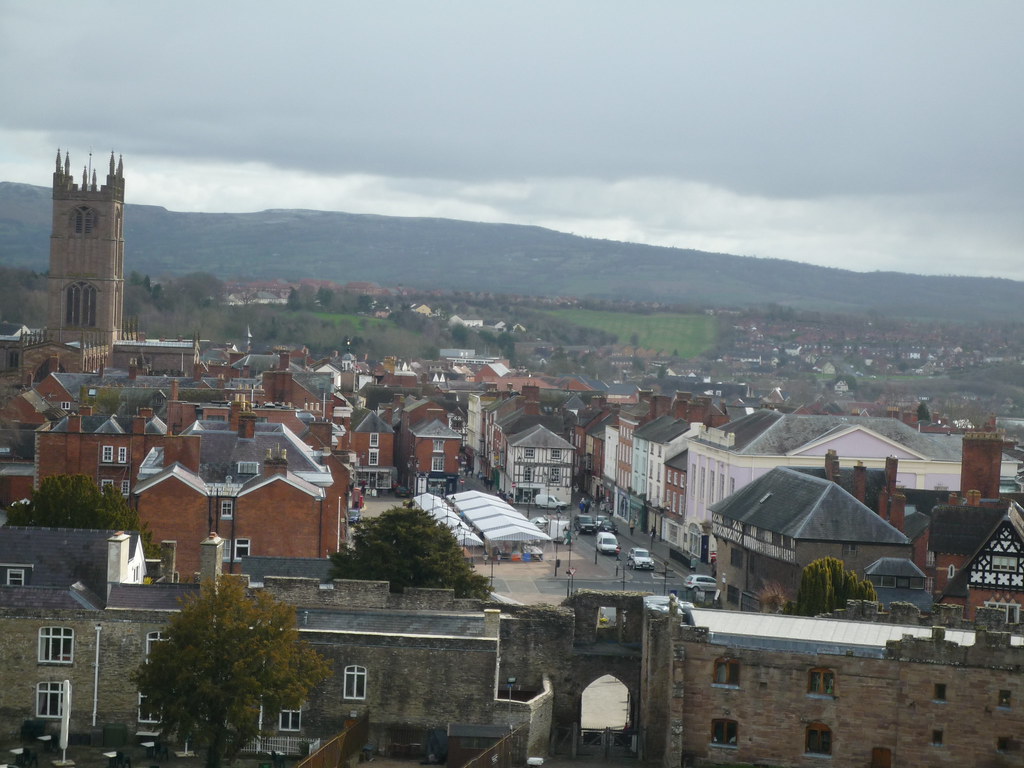
From the castle tower I could see my path past the market square and the church spire on to the train station, and from there on to Hereford. 


Chester and Shrewsbury

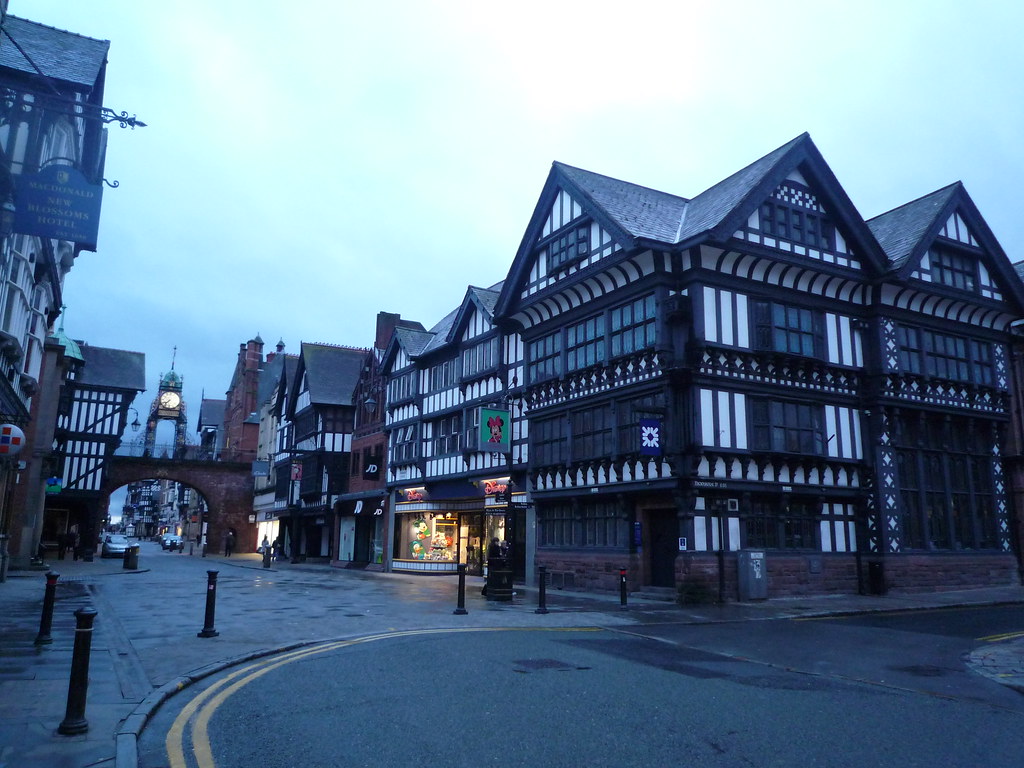
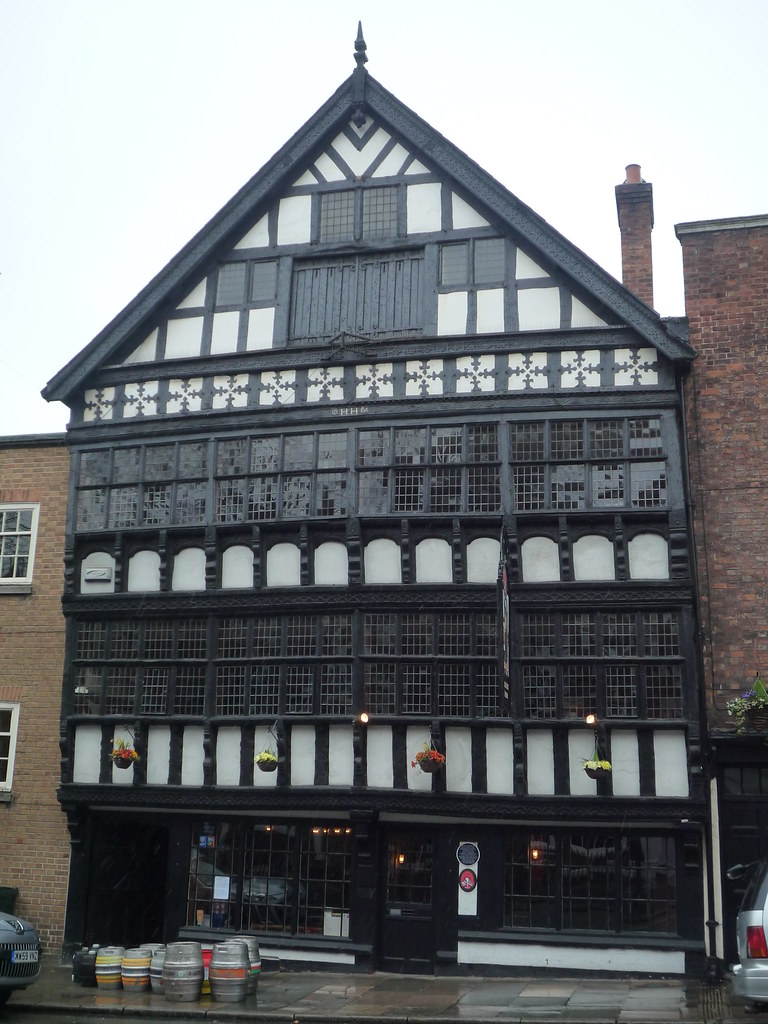
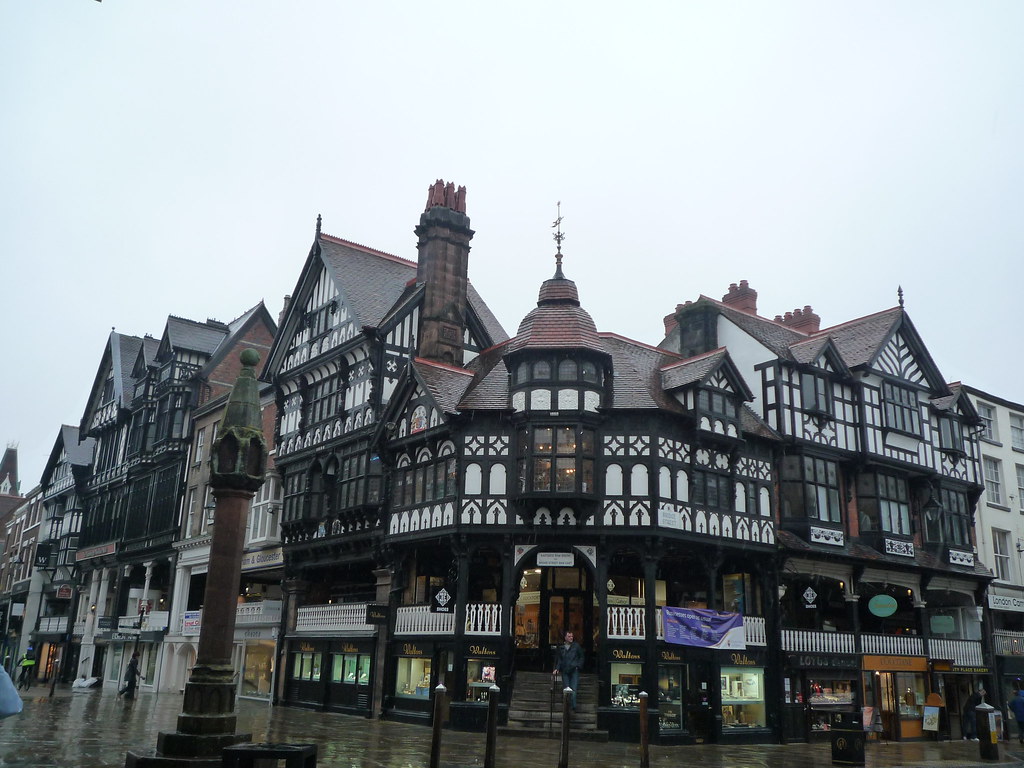
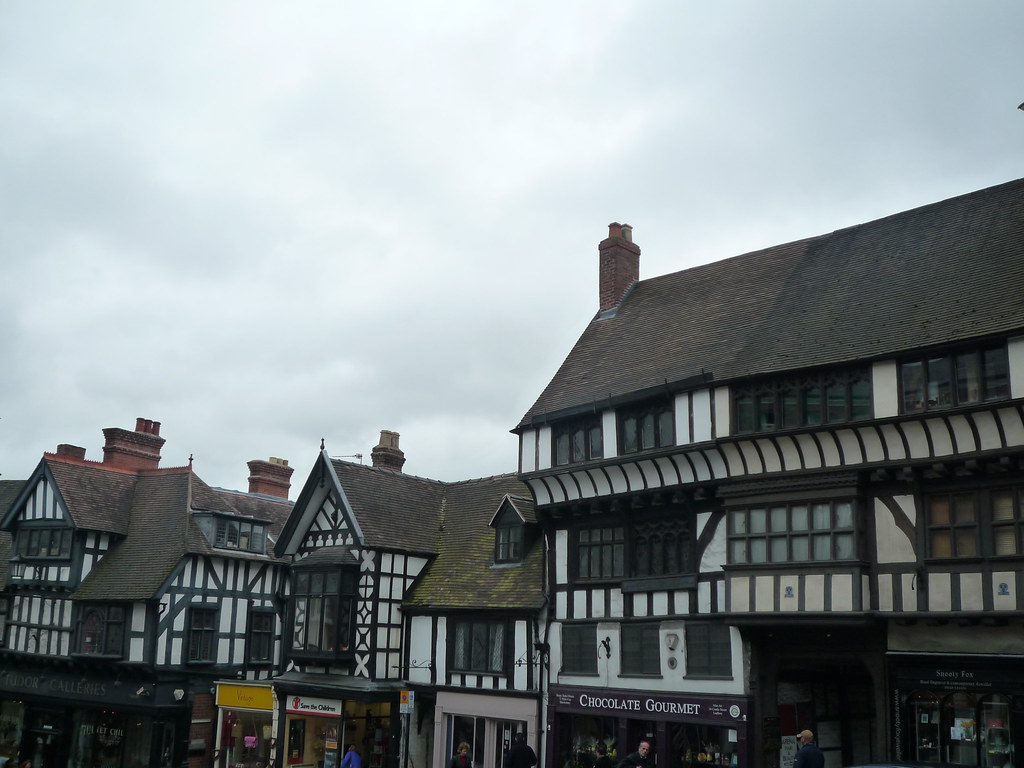
It was a day full of old timber framed buildings. In other words, lovely.

I had a glance at Chester the evening before, as I searched for a hostel, which no longer existed, and ended up in a bed and breakfast.


In the morning I had a better chance to take in Chester by walking the old walls around it. One of the more notable points is the clock at the Eastgate, dating from 1897's Diamond Jubilee for Queen Victoria.


The city is also full of Tudor and Victorian wood-framed beauties.


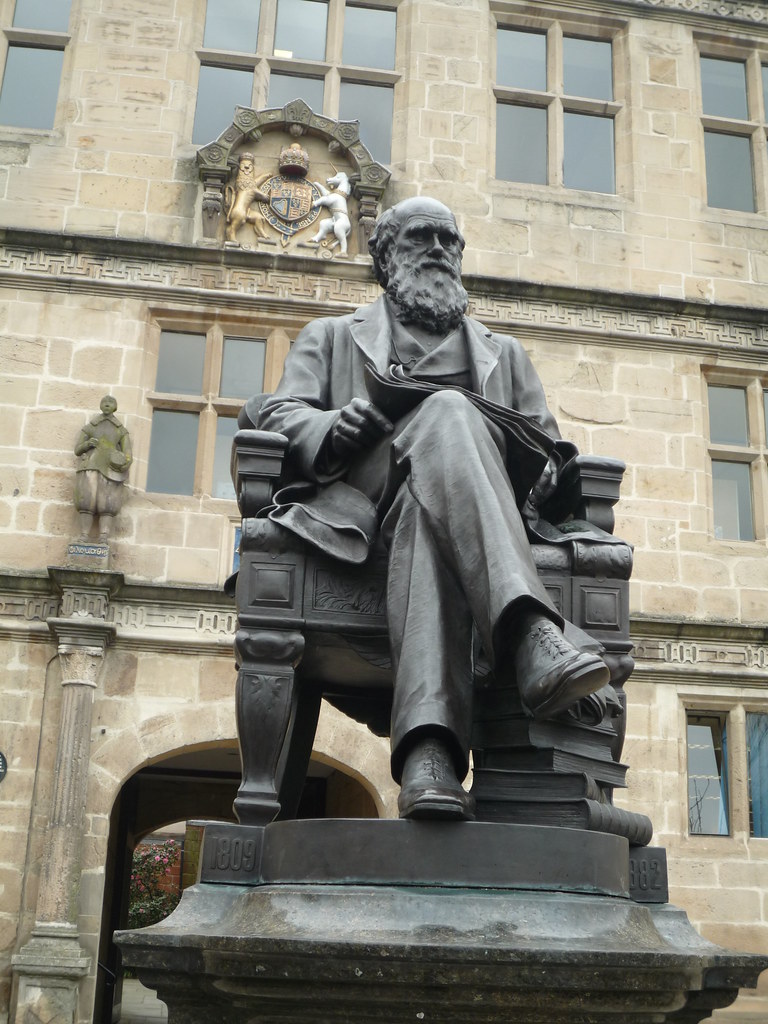
My next stop along my southward trajectory was Shrewsbury -- birthplace of Charles Darwin -- which also had its share of gorgeous houses.


The Council House Gatehouse (above) was my favorite. 


A sign in an alley through these buildings read: 
"Notice: This wall is very old. DO NOT prop bicycles or prams against it."


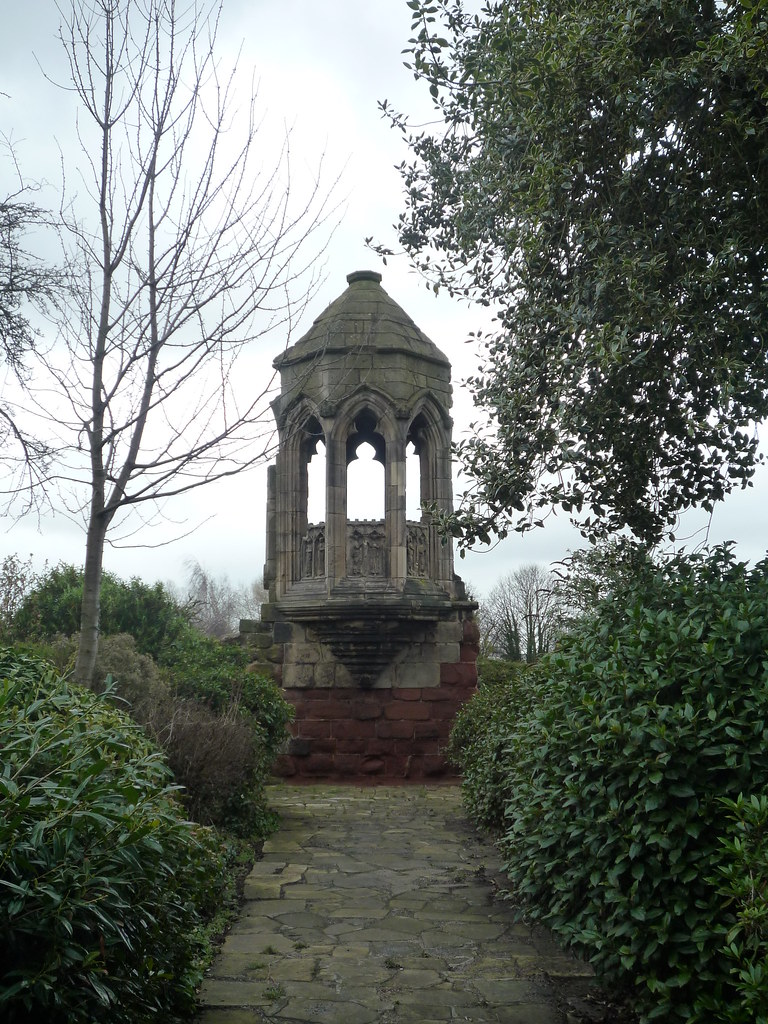
Just across the river was the abbey. 


Extensions of the edifice were ruined, leaving odd bits across the street. 


The day was hardly done. I took a fairly fruitless detour to Much Wenlock, where I arrived just in time to see the priory grounds being locked. I then proceeded to wait for the bus for an hour so that I could head onward to Ludlow. 

Thursday, December 29, 2011

Surreal Portmeirion

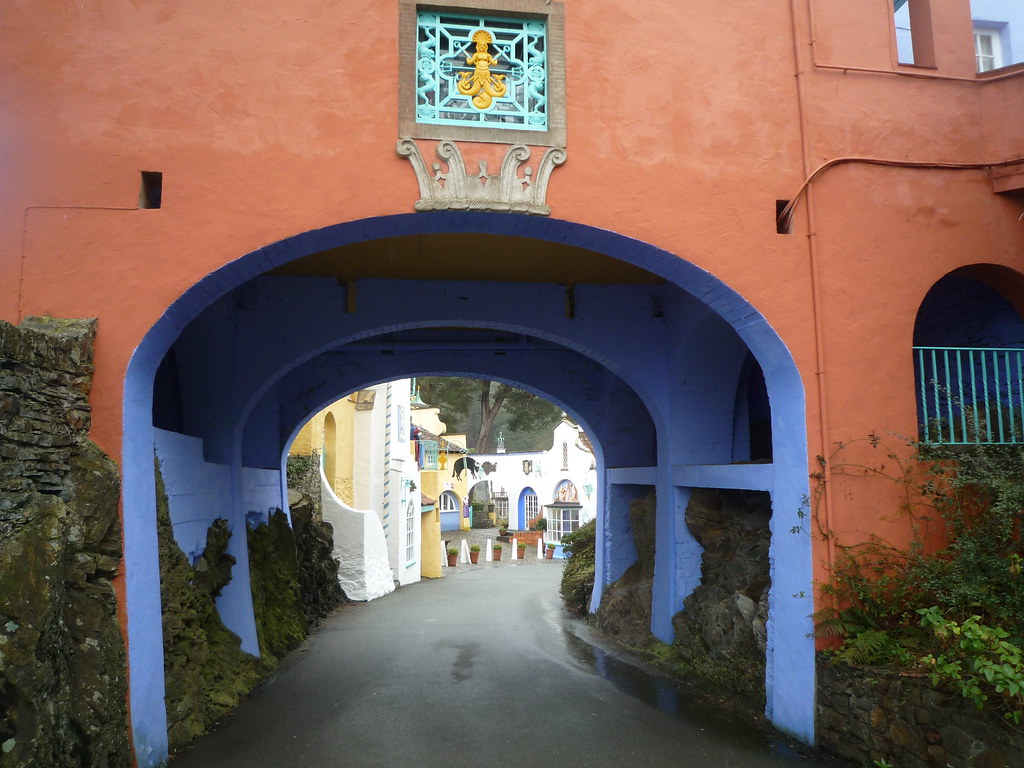
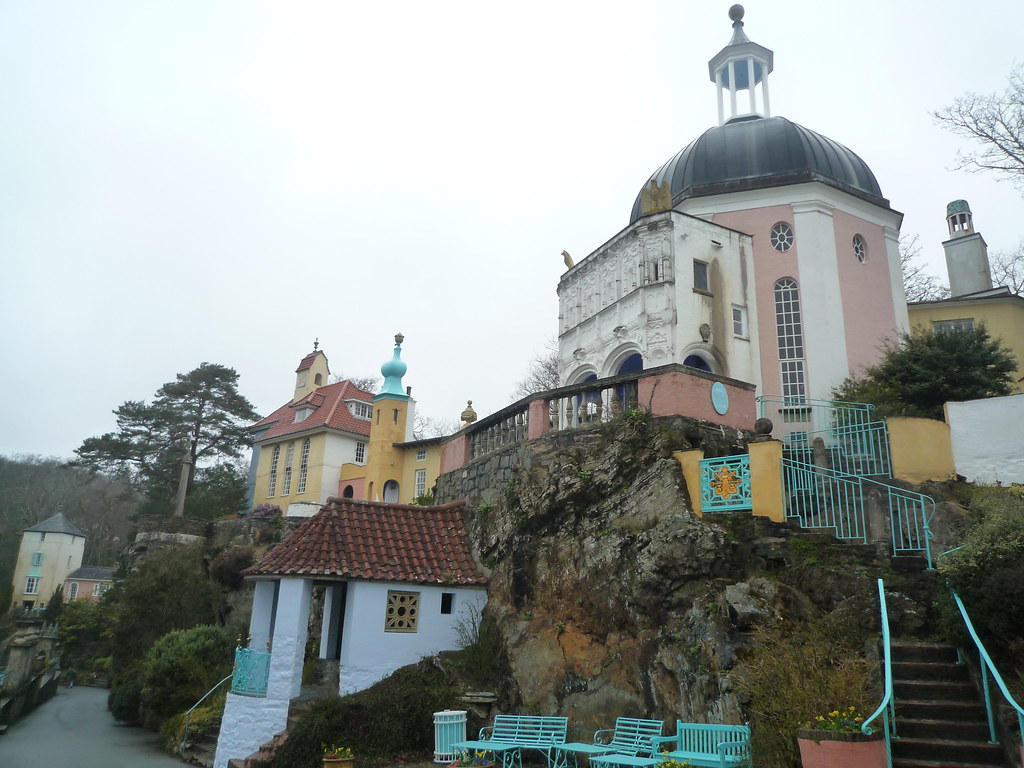
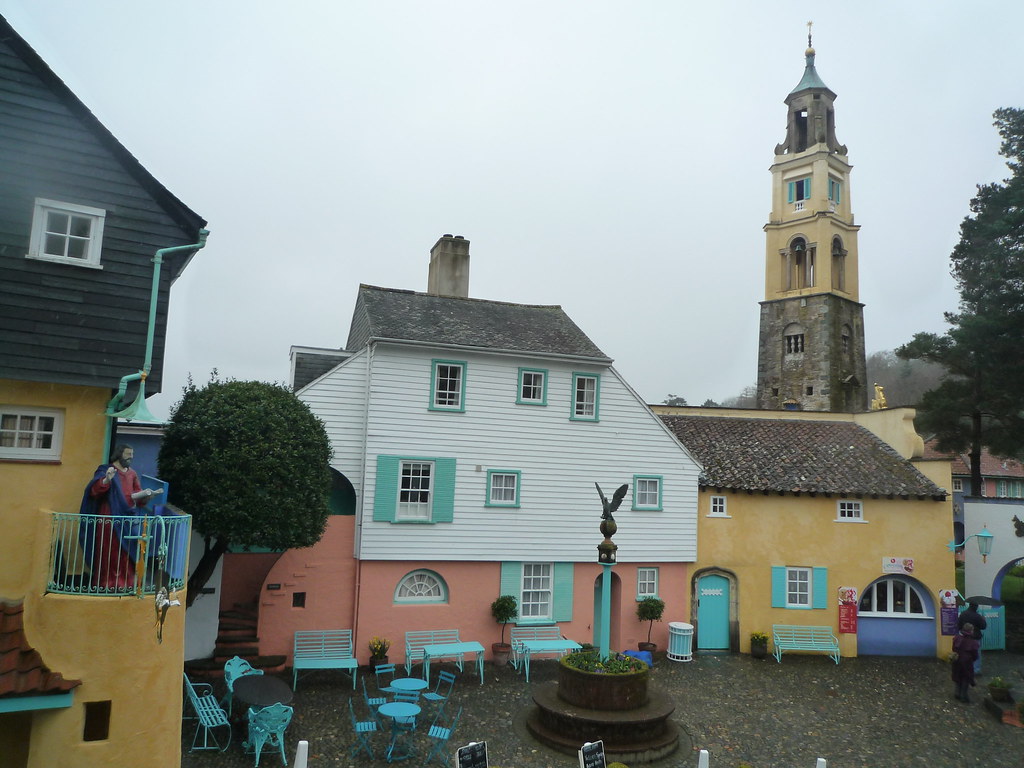
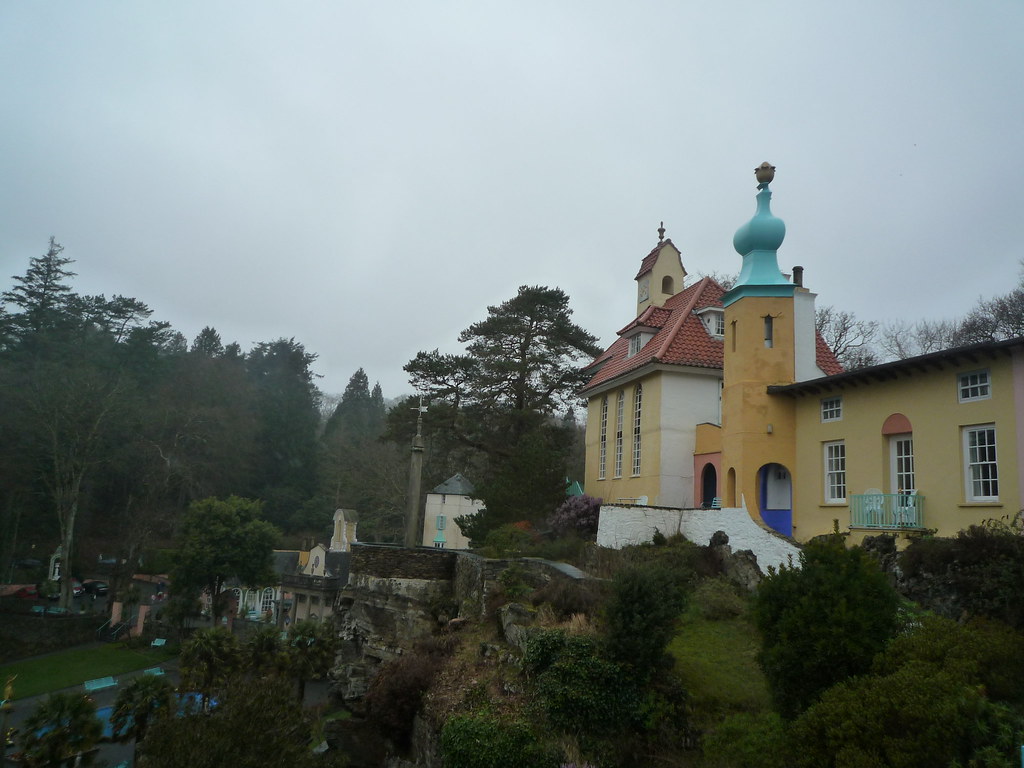
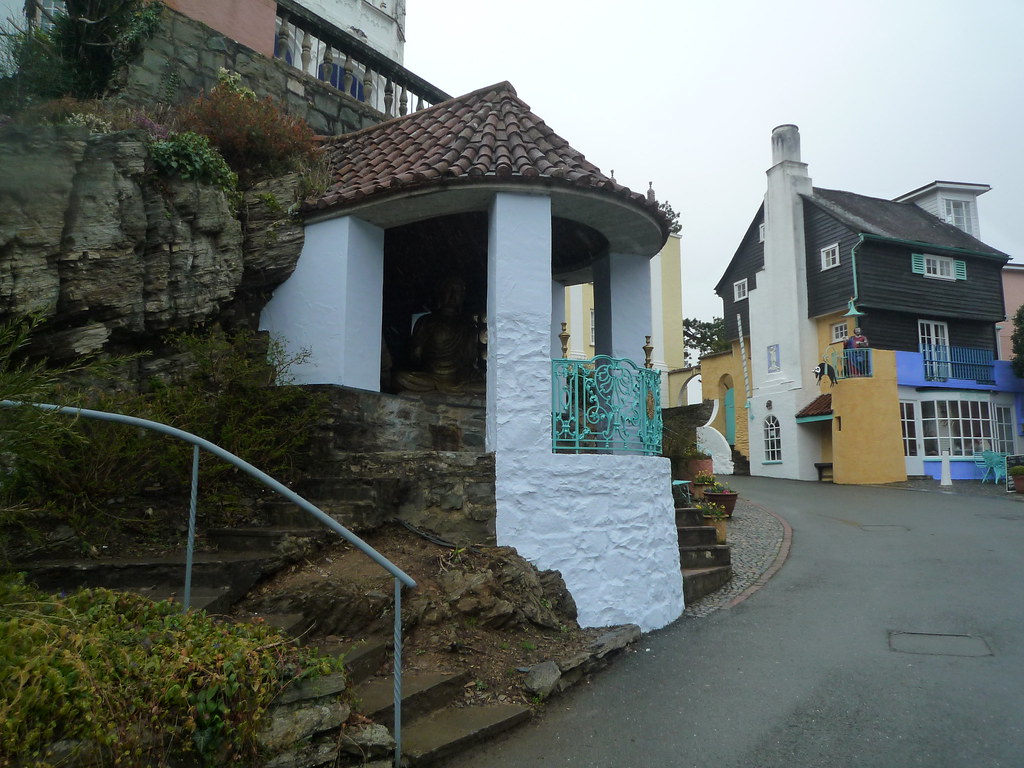
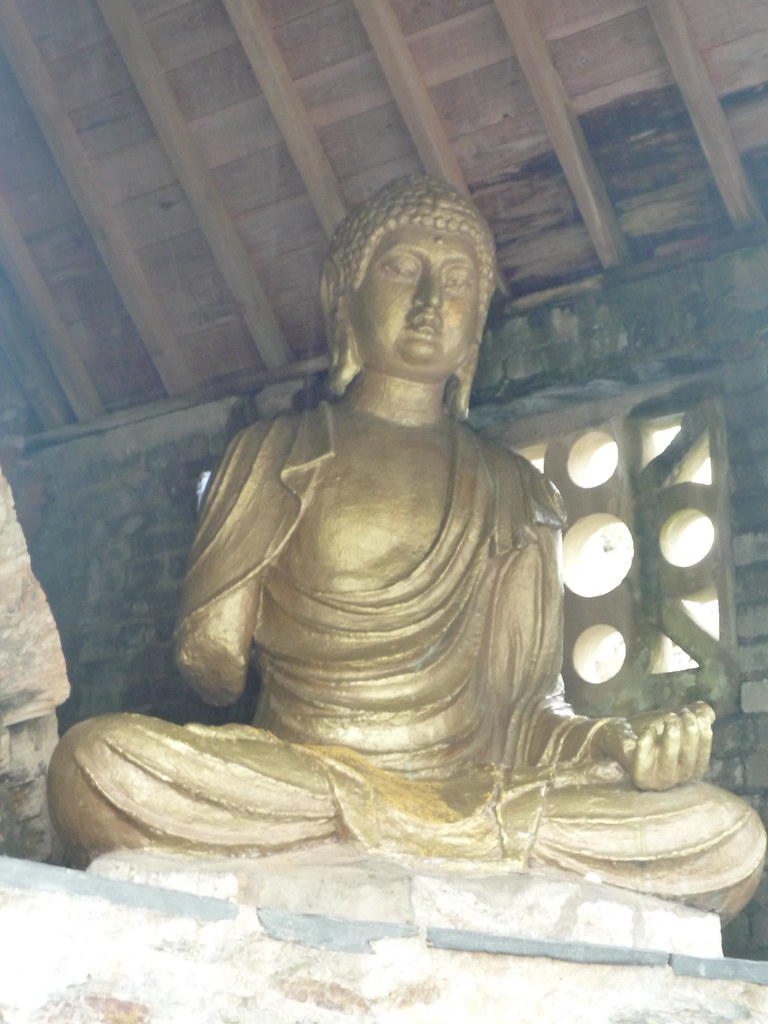
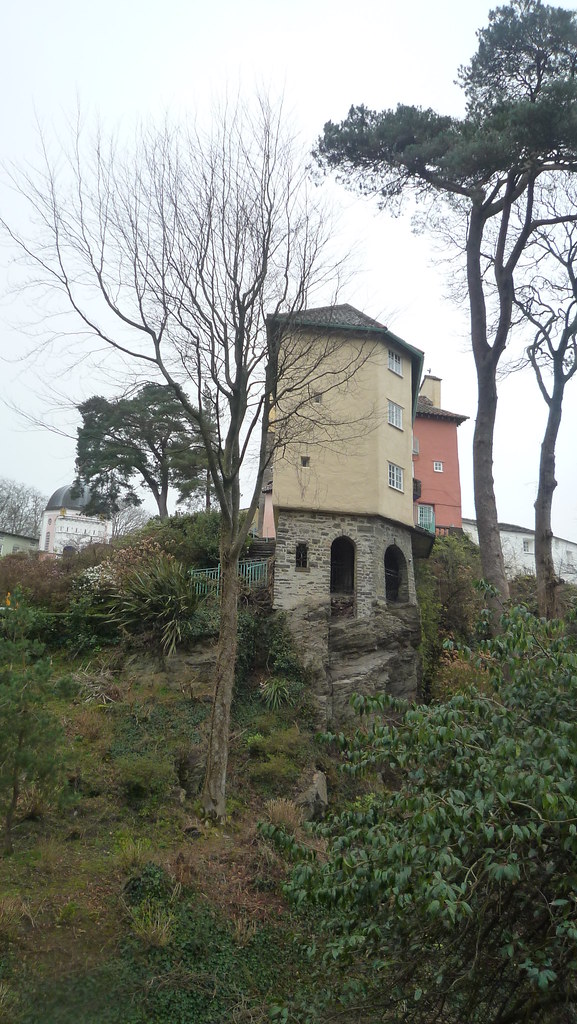
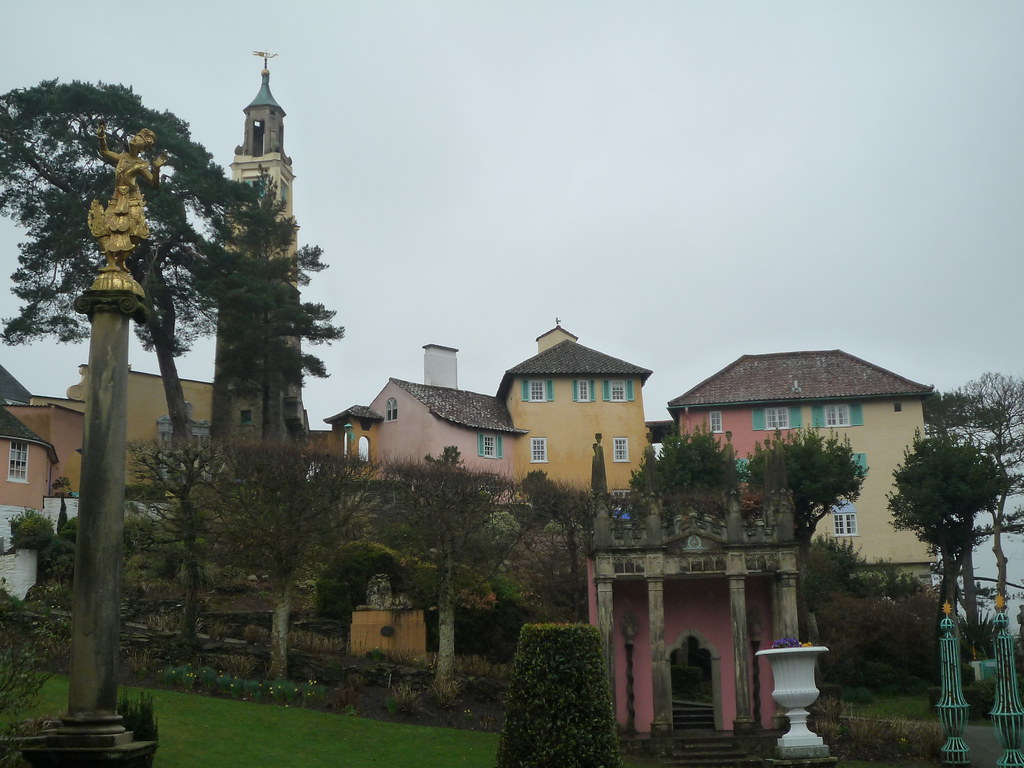
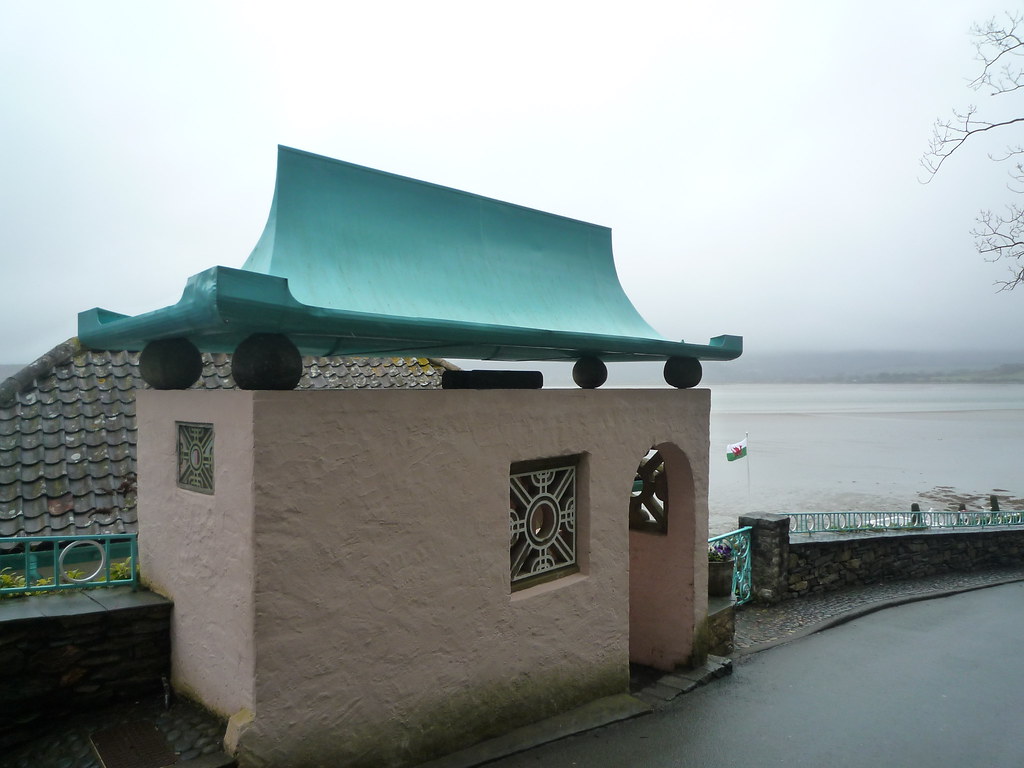
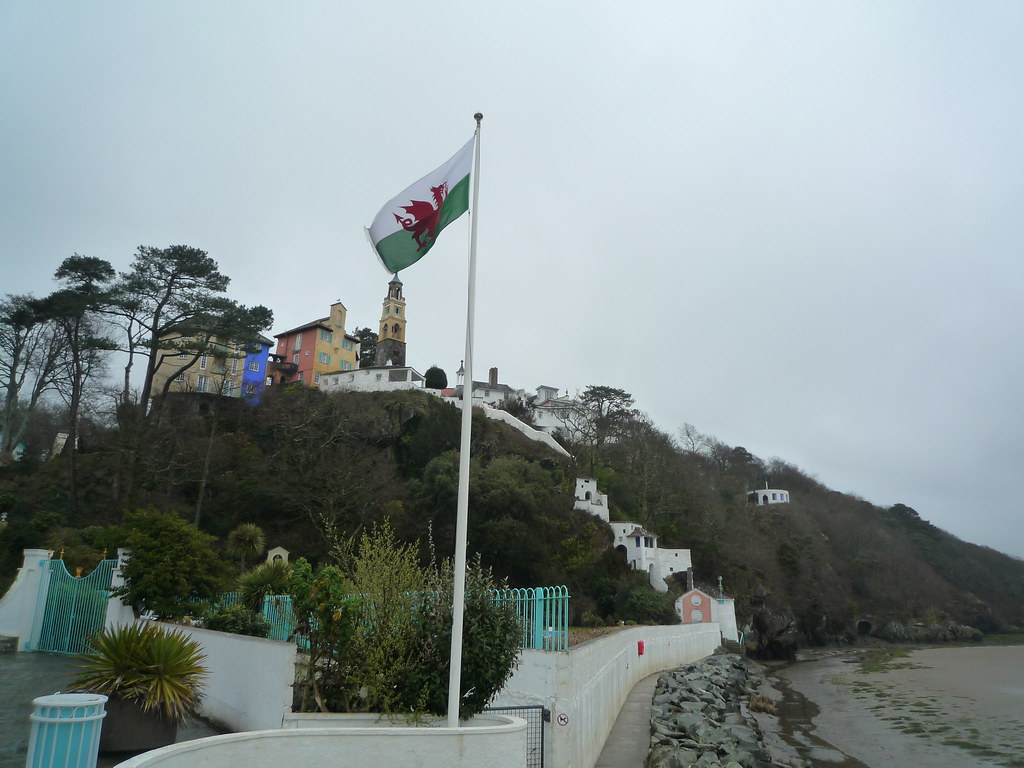
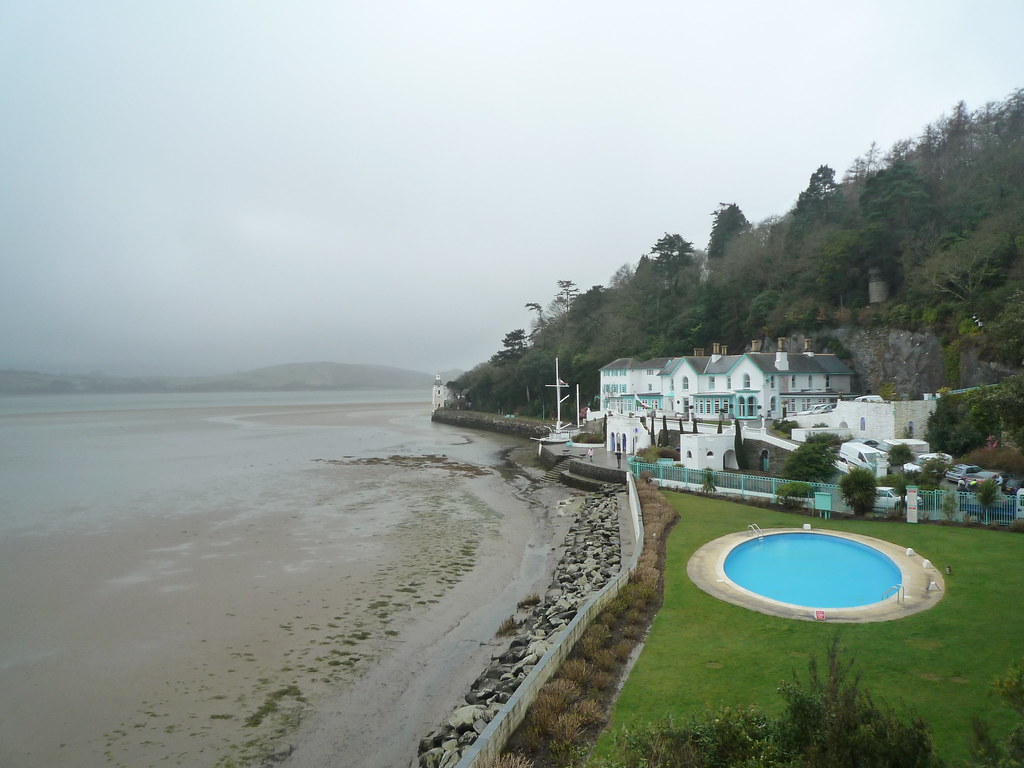
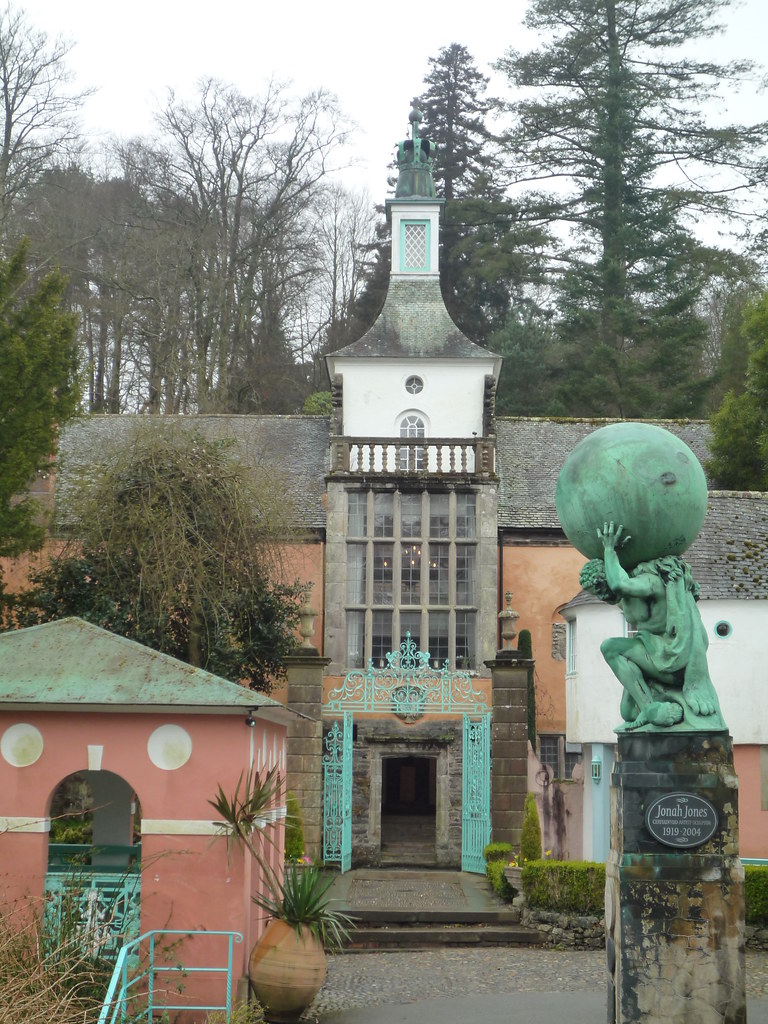
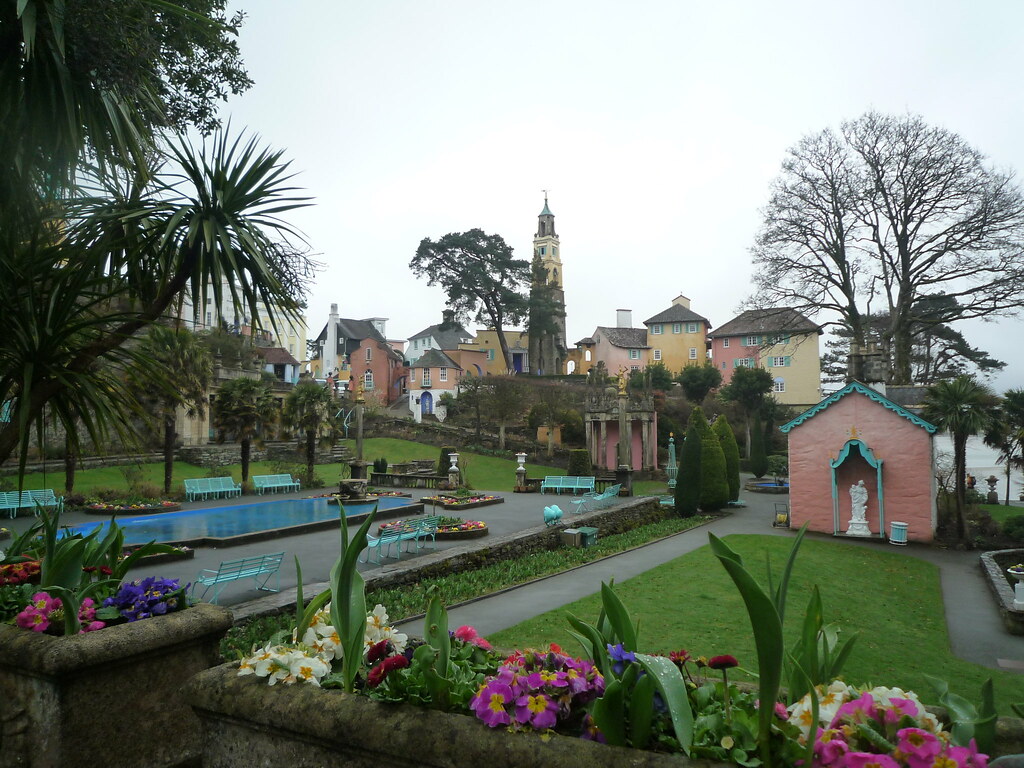
Portmeirion is truly surreal. It looks one part Hollywood Hills, two parts Italian, one part Buddhist, and half Dr. Seuss. The private homes here are the work of a Welsh architect and are most famous for being the set of the 1960's TV show The Prisoner. The place is difficult to describe, so I'll leave it to the pictures. 


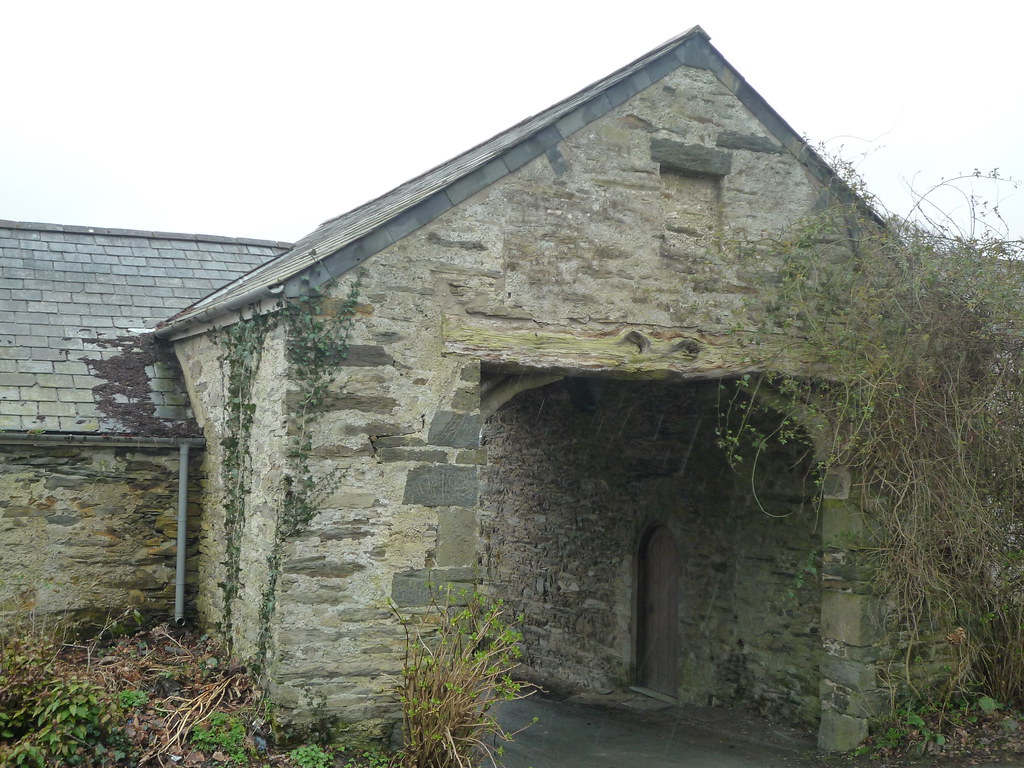
I passed this archway on my way to and from the train station. The warped wood, mixed stone, and clinging garden combined in a manner that struck me as the perfect example of quaint rural British beauty. 


By train I made my way out of Wales to Chester, back in England. 

  © Blogger template 'Minimalist G' by Ourblogtemplates.com 2008

Back to TOP