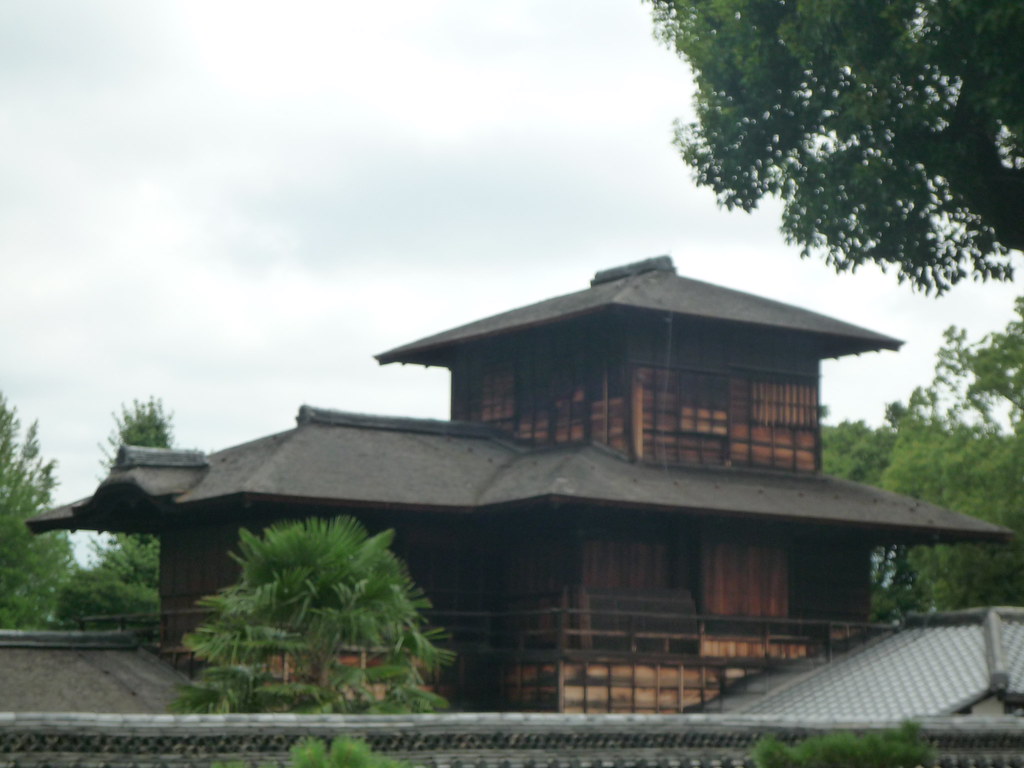
Thursday, July 24, 2014

Japan Day 7, Part 1: Nara Deer

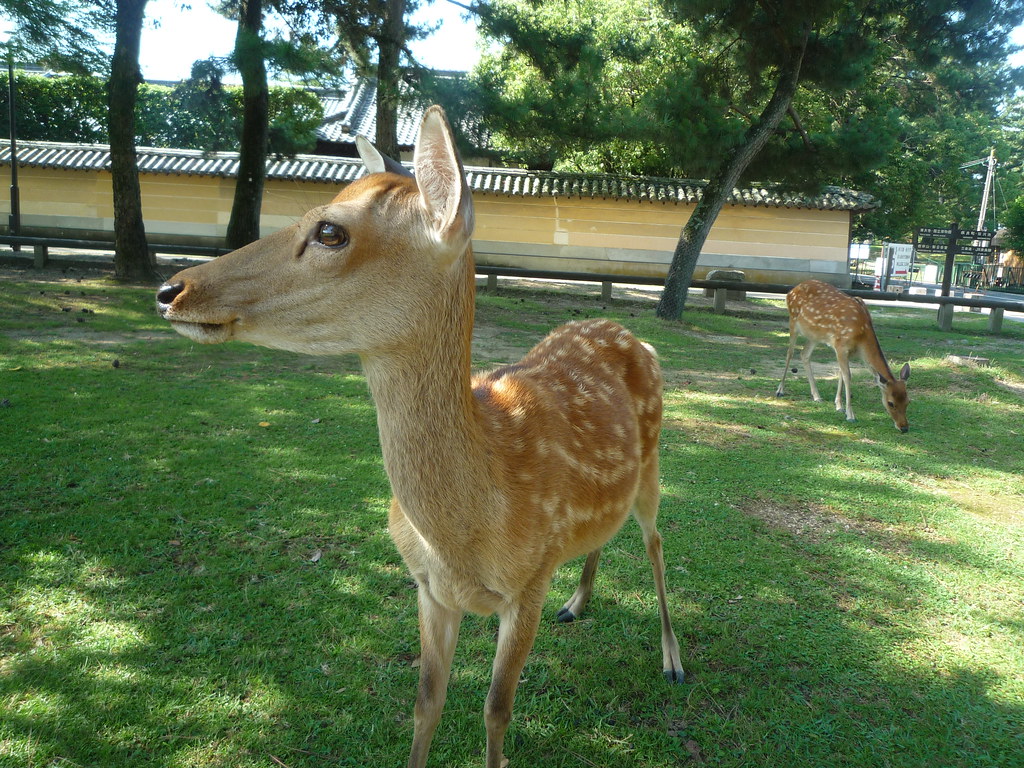
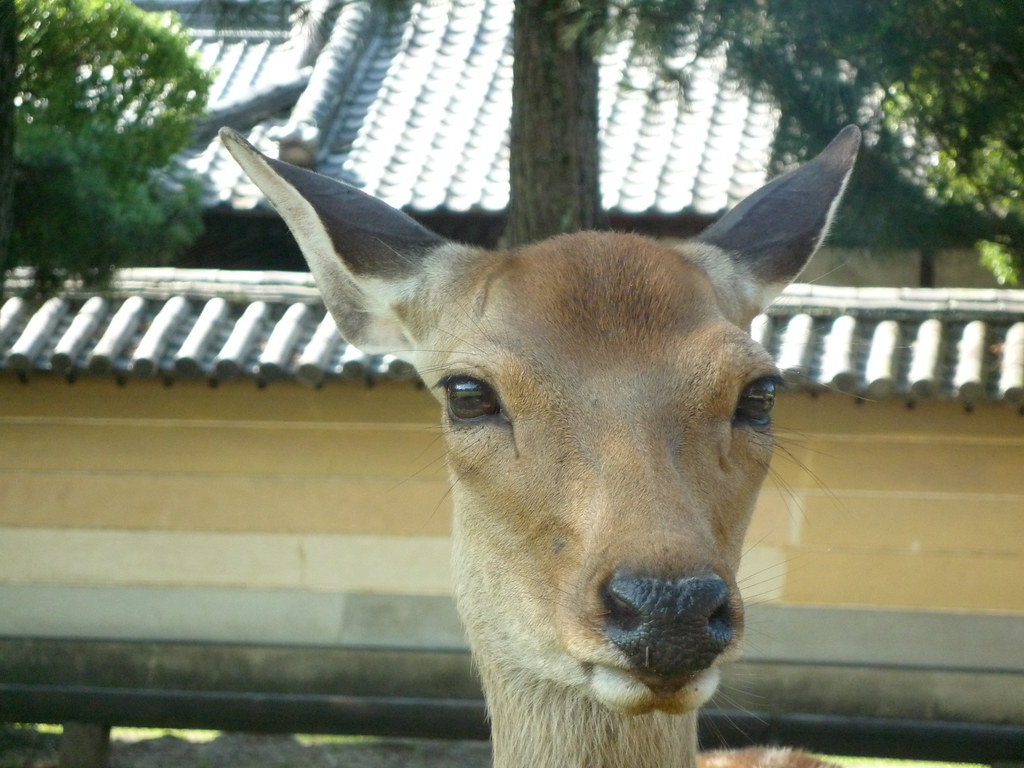
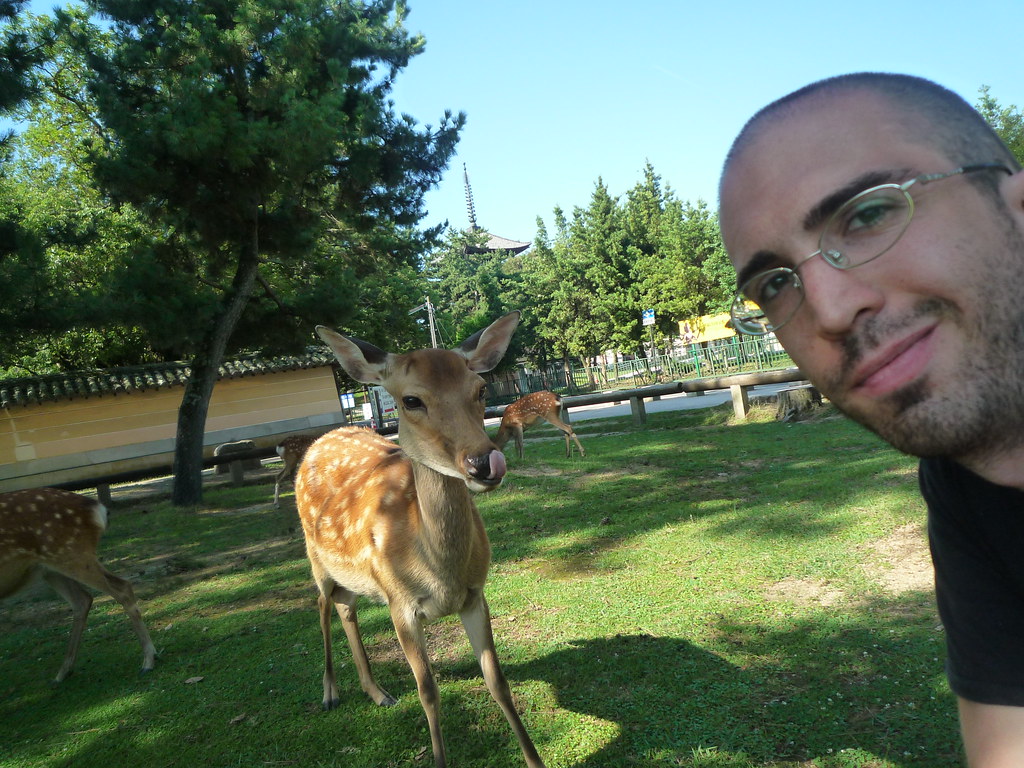
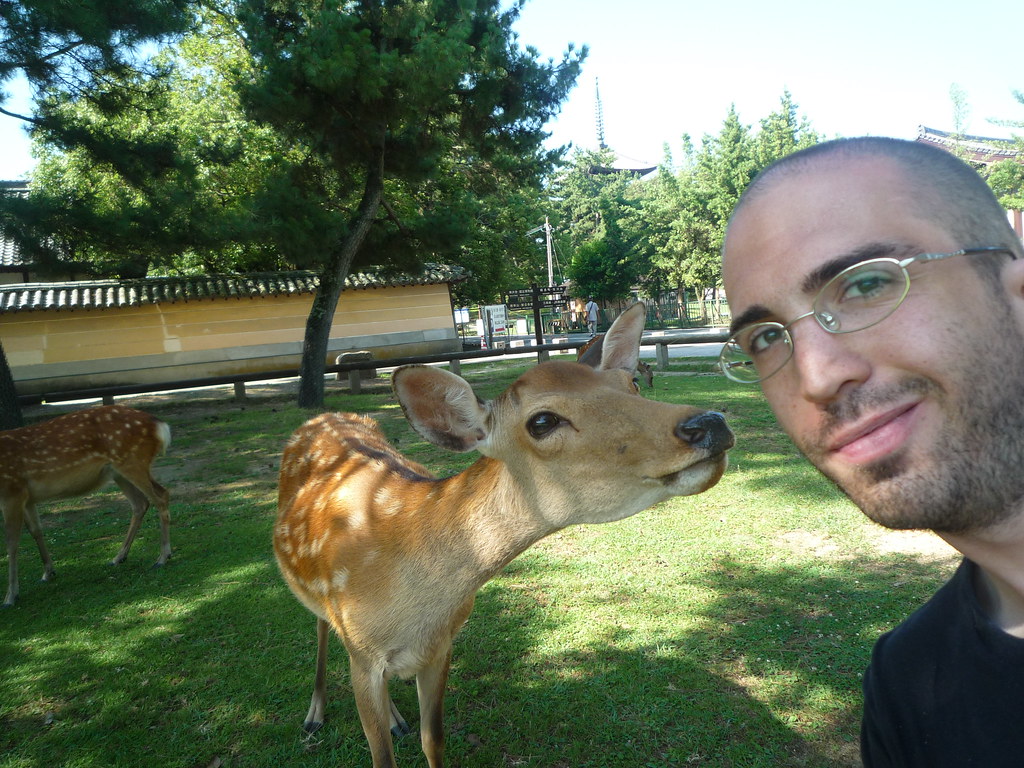
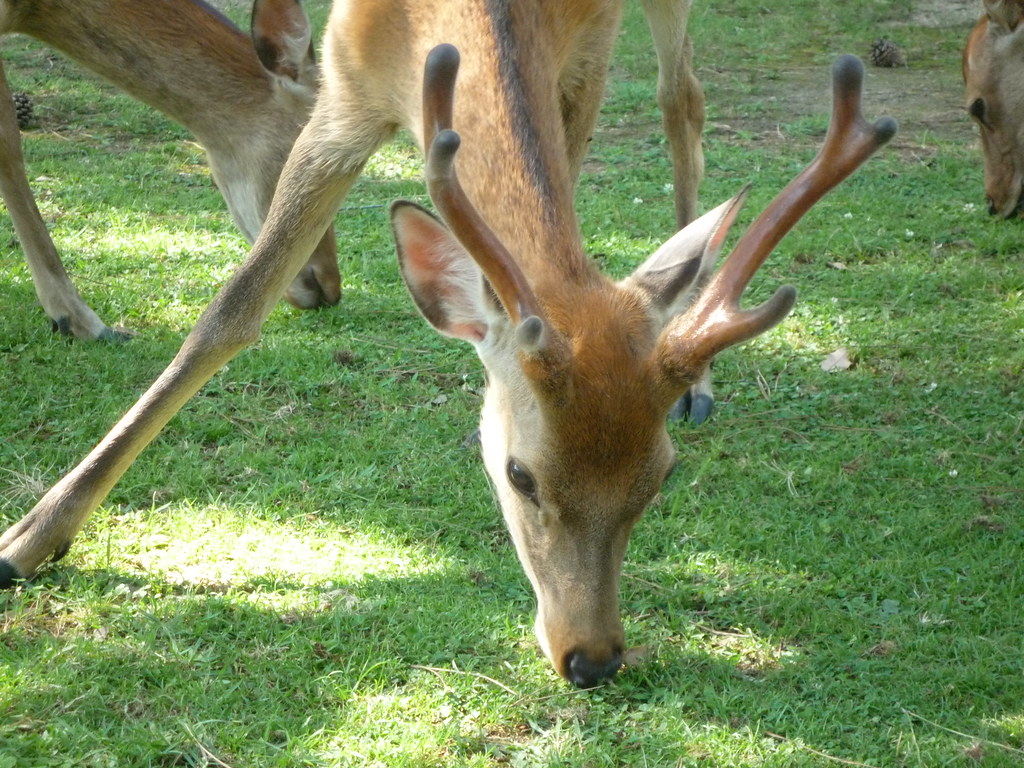
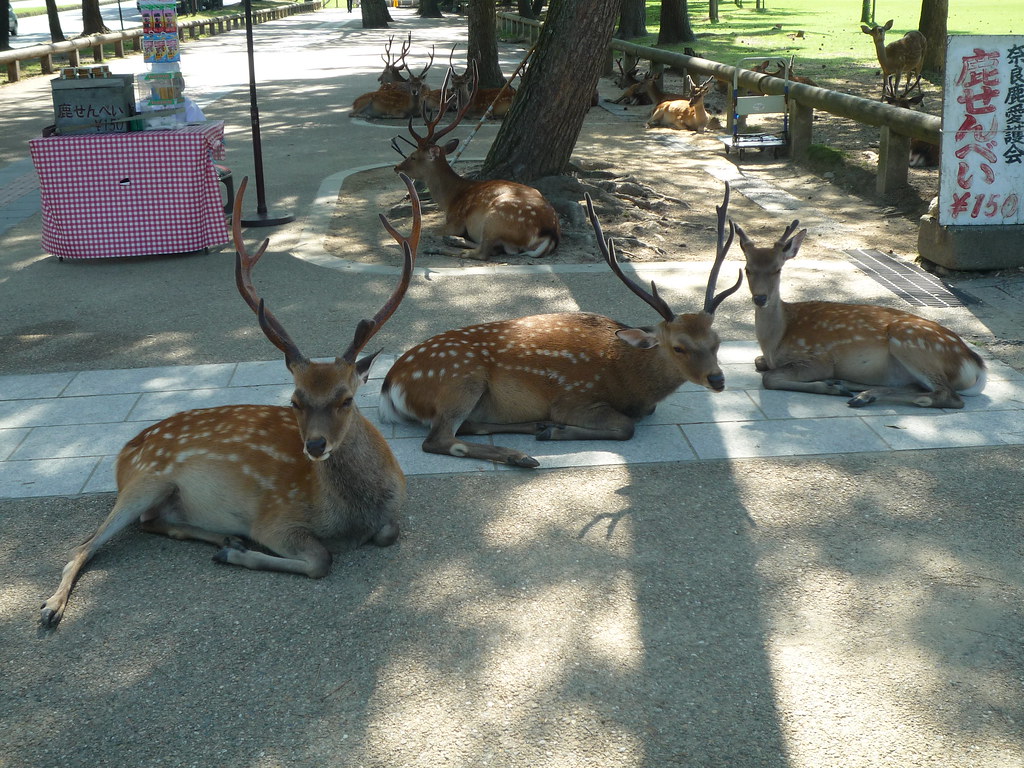
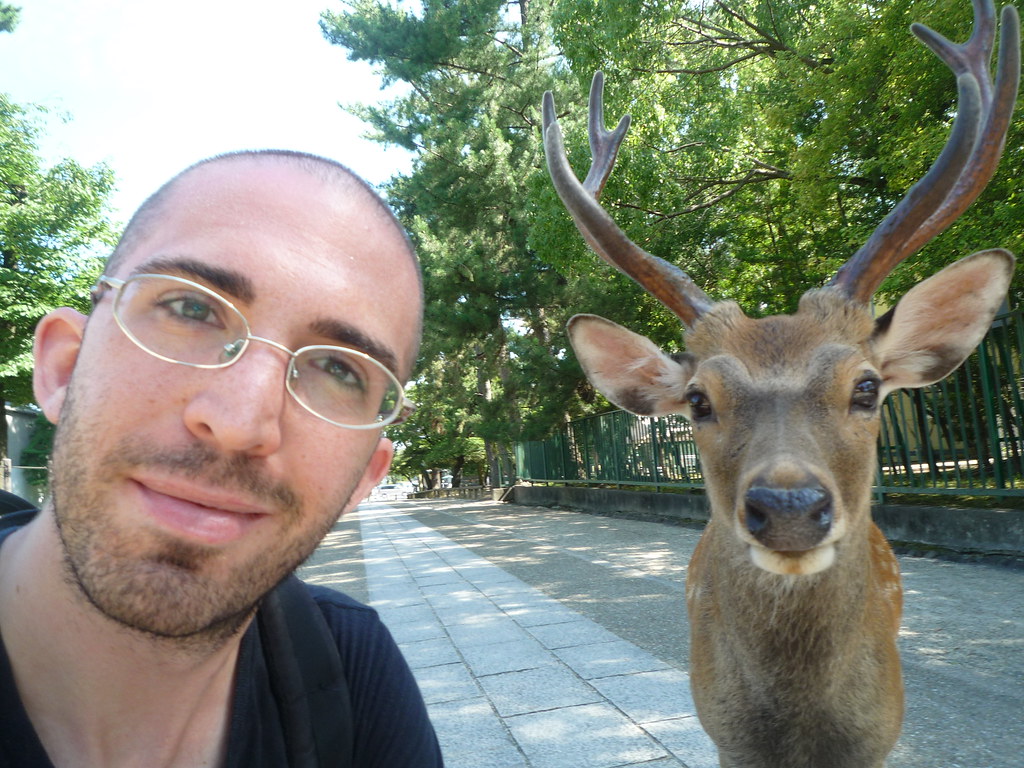
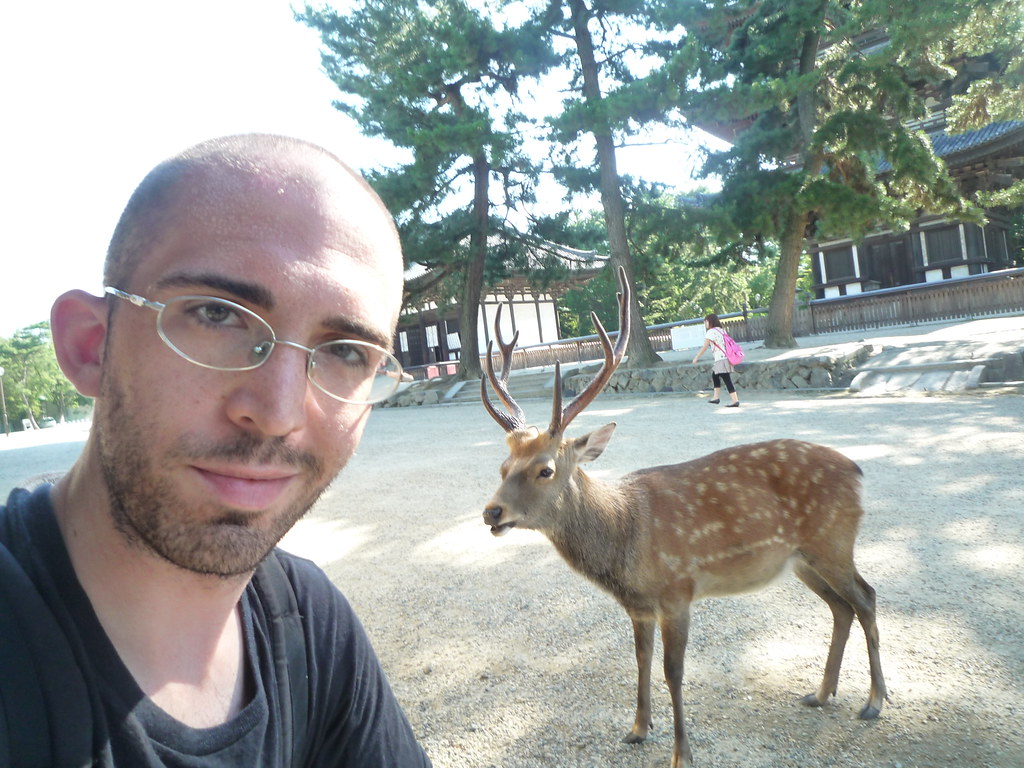
I awoke early so I could see as much as possible in my one day in Nara. I headed into Nara Park for breakfast, and ended up spending most of my time there looking at the deer. I took more trouble than I'd care to admit trying to emulate a picture my friend Jeff took of himself in Nara with a deer's face right next to his own. The deer are considered sacred messengers of the gods, and are protected as National Treasures, just like the ancient buildings around them.

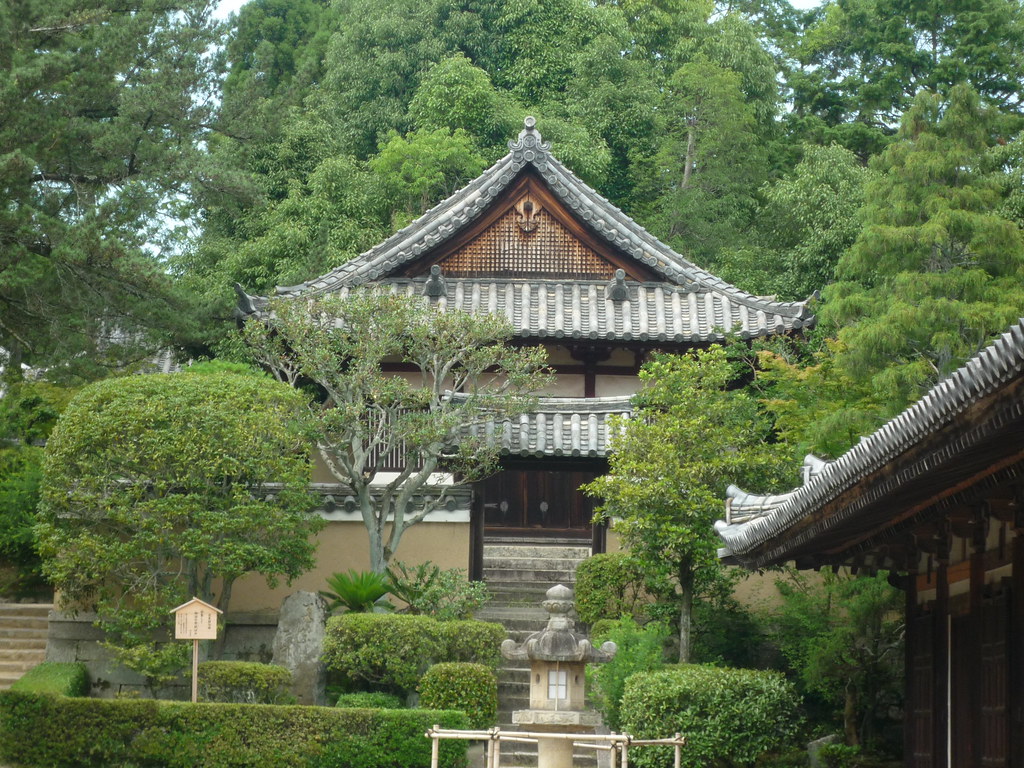
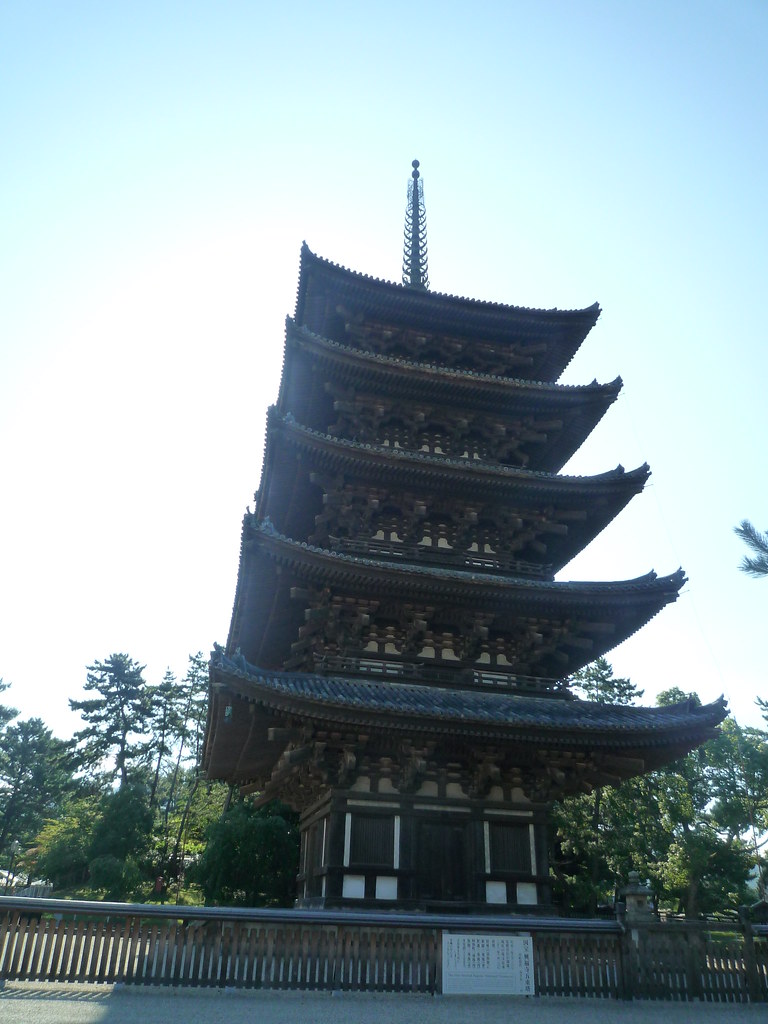
Most of Nara's sights are in the park, but even the part closest to the city center was filled with historical buildings such as this impressive pagoda. 

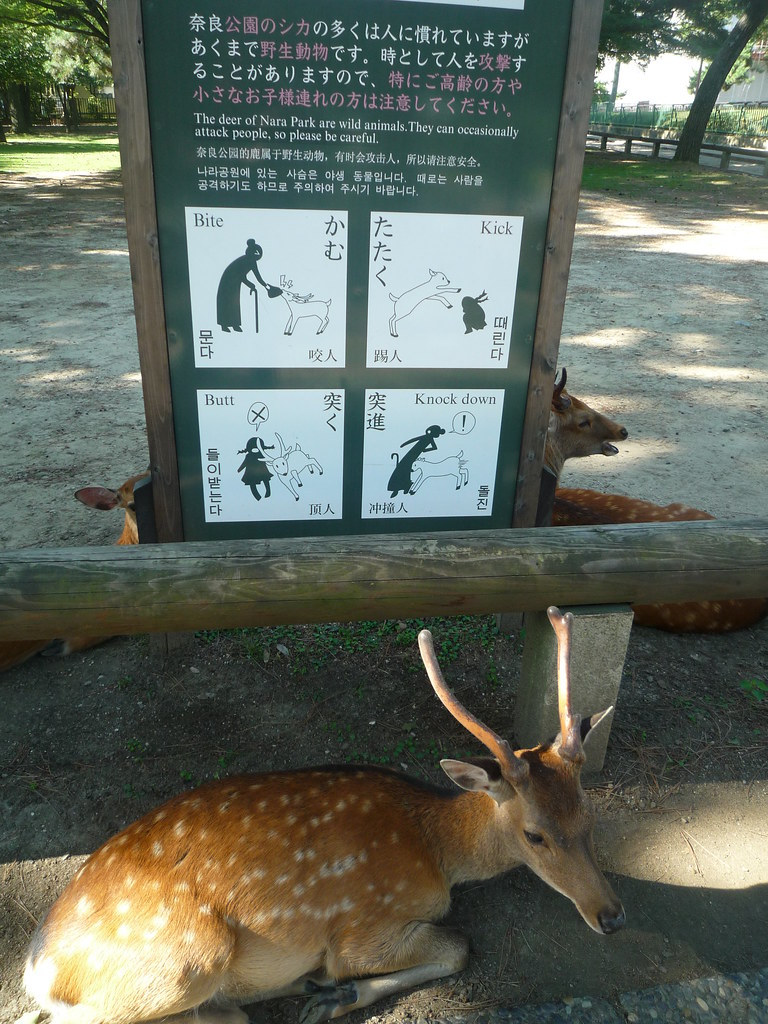
As with Yellowstone, and other places full of both animal life and tourists, people seem to think that the animals' presence around humans mean that they are domesticated. This sign reminded me of Yellowstone's warnings of potential buffalo goring. 
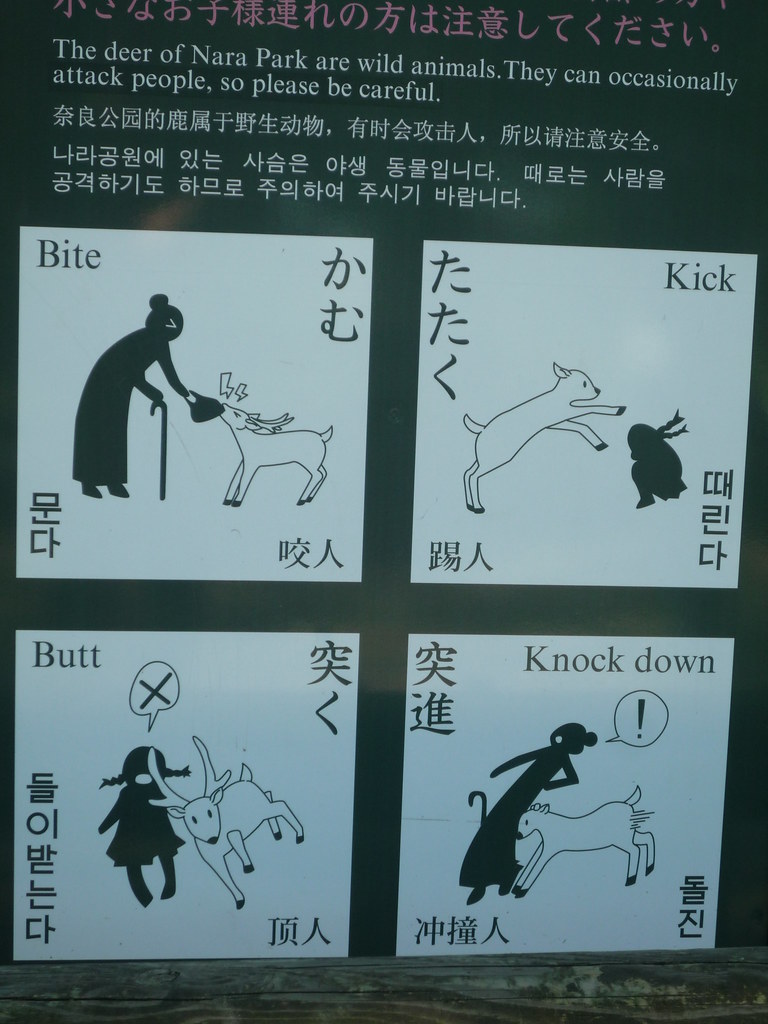

The irony is that one almost has to step over deer in order to read about how the deer are potentially dangerous.

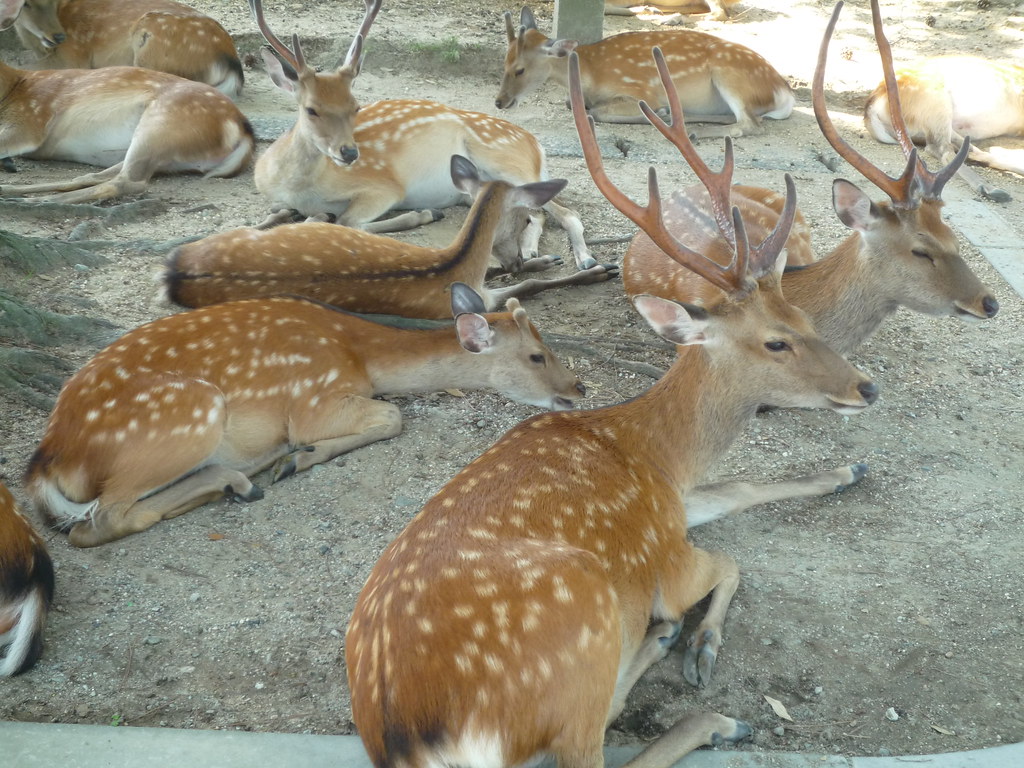
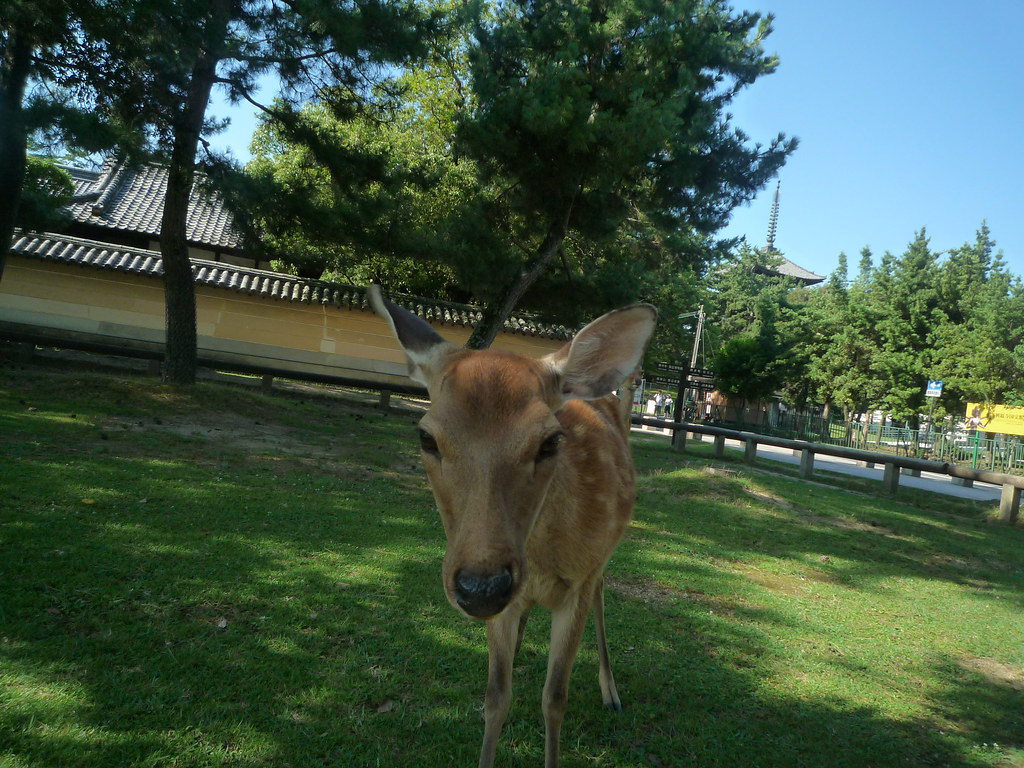
Most of the deer were totally relaxed, though a few were curious about me.


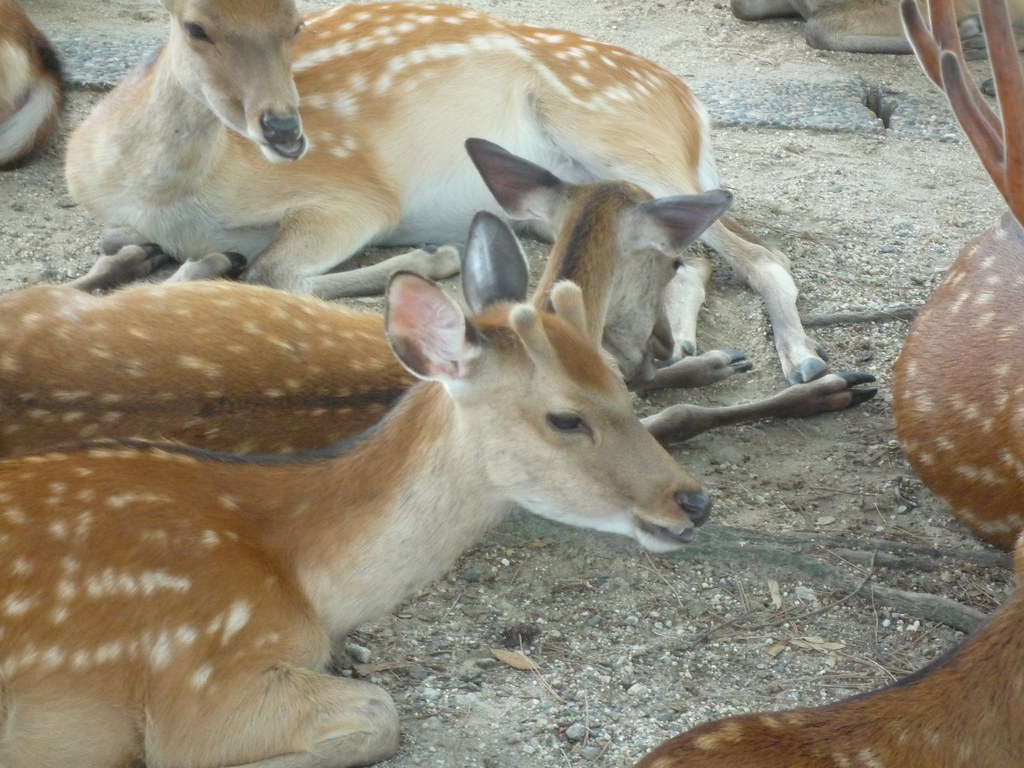
Some of the bucks had impressive racks of antlers, and others were just budding.


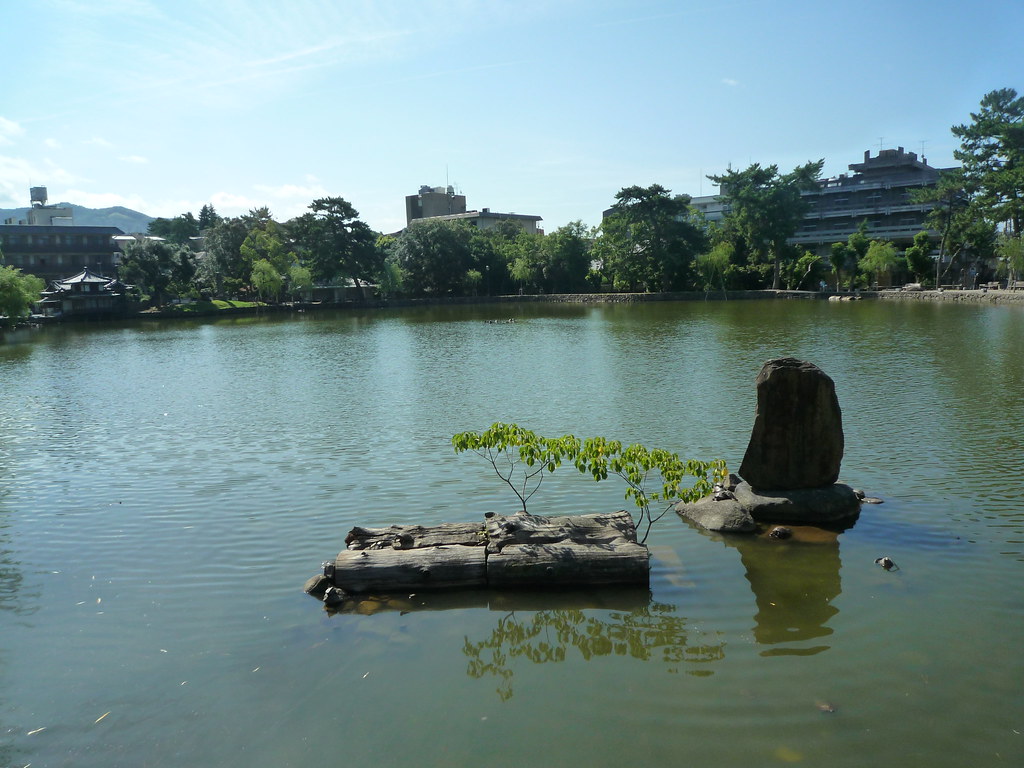
I realized the deer would steal my food if I ate around them, so I eventually headed down to a pond to view fish and turtles as I ate breakfast. 

Japan Day 6, Part 5: Nara Hostel and Dream

When staying in the cheapest hostel in Budapest, my travel companions and I noticed a sign that said, "The cheapest way to the airport is to walk." It became something of a motto for us: "The cheapest way to the Acropolis is to walk," etc. Keeping with that tradition, the cheapest way to the tourist information office is to walk. My walks in the sun earlier in the day had left me dehydrated and exhausted, but I was determined to walk nonetheless. Logistics of closing times and the shortest route between sights is a major part of travel for me. I rarely plan more than a day ahead, but I plan that day to maximize what I can see and do by going in a logical order, and I often find myself rushing to get to a location before it closes.  I managed to make it to the information office before five pm, but I shouldn't have worried since it was open until nine anyway. I received directions to a hostel and walked there, then trudged out again to go to a grocery store to buy water, trusting that hydrating myself would make the walk back easier. There was no grocery store where I was told I would find one, but I realized that the hotel kitchen had drinking water, so I trudged back still exhausted.

 I felt much better after drinking my fill, and went out to find dinner. While looking for a restaurant that appealed, I met a guy trying to sell his poetry. He talked to me about literature, which I would have appreciated if he weren't so condescending about it. He thought books could be boiled down to one word. He said he would tell me if I bought poetry. I wasn't interested in the poetry of someone who had so little appreciation for telling the whole story.
That night I had an intense and profound-seeming dream. I was talking with an ex girlfriend. Despite her (imaginary, dream-created) current boyfriend being there as well as a couple other (real) exes of hers, she greeted me with passionate kisses, between which I would answer her questions. She always asked me to define me terms, so when I mentioned love I said, "It is an emotional bond of mutual affection and attraction that makes the other person much more important and intense." (That isn't quite the definition of love that I would give, but it's not bad for being asleep, so good job Dream-Self!) As I said this last part, the ground rose to become a zen garden among cliffs. We stood on a dark stone pathway with thousand foot drops around it. Like love, the view made everything more beautiful and exhilarating, but the potential for being hurt was also much greater.

Tuesday, July 22, 2014

Japan Day 6, Part 4: The Towering Red and White Structures of Yakusiu-ji

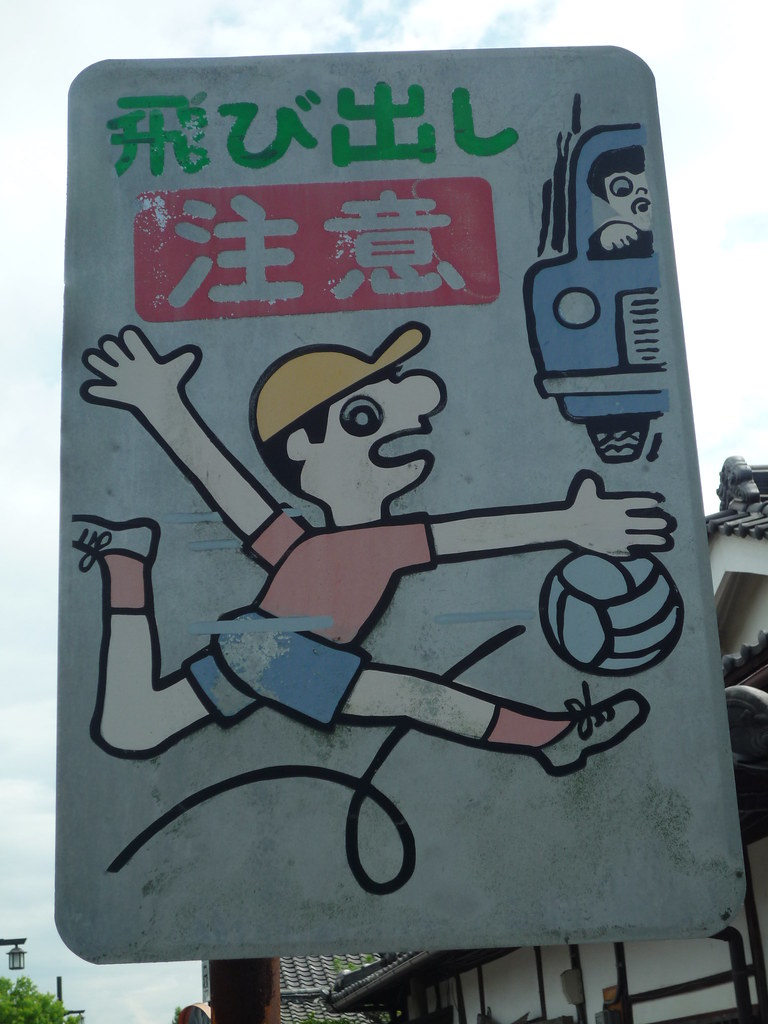
The shade-less walk between Toshodai-ji and Yakushi-ji is only 600 meters, but it felt much longer in the afternoon sun. At least I got to see this amusing sign that clearly illustrates that there are incautious children at play in the area. 


Once in the shade of the temple's eaves, I drank most of the water I'd carried with me and I enjoyed looking at a two story round pagoda. After spending a year in Korea and almost a week in Japan, the temples - though still interesting - were starting to look awfully similar. Variation in architectural styles was a breath of fresh air, as was the change in color scheme. 


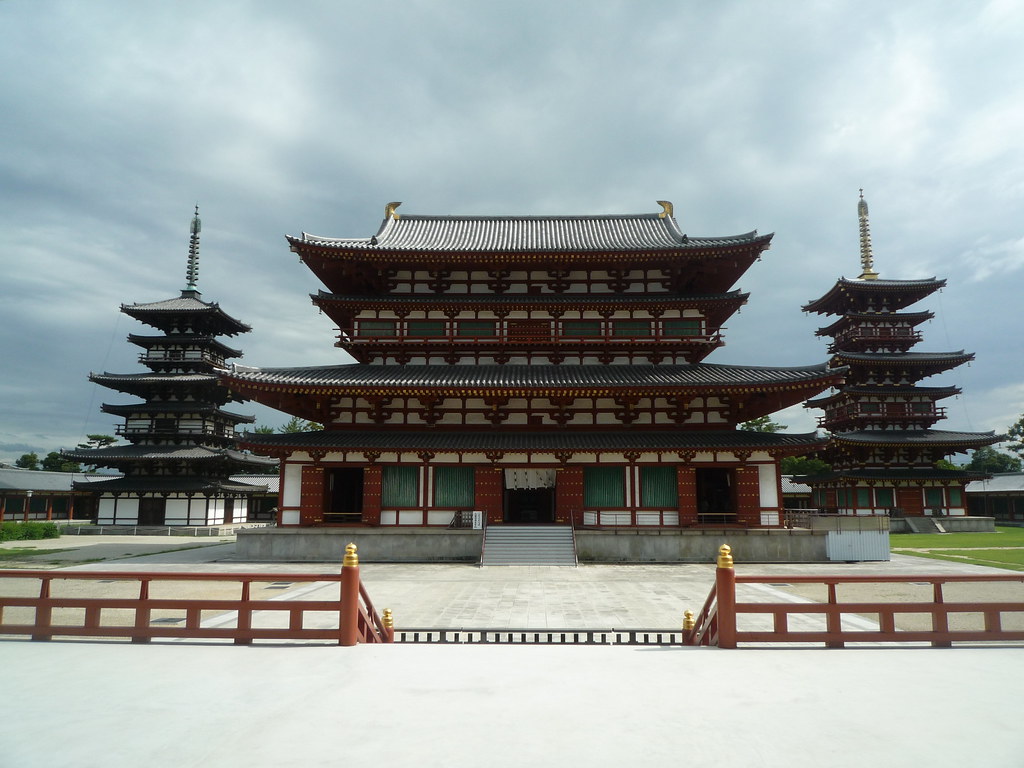
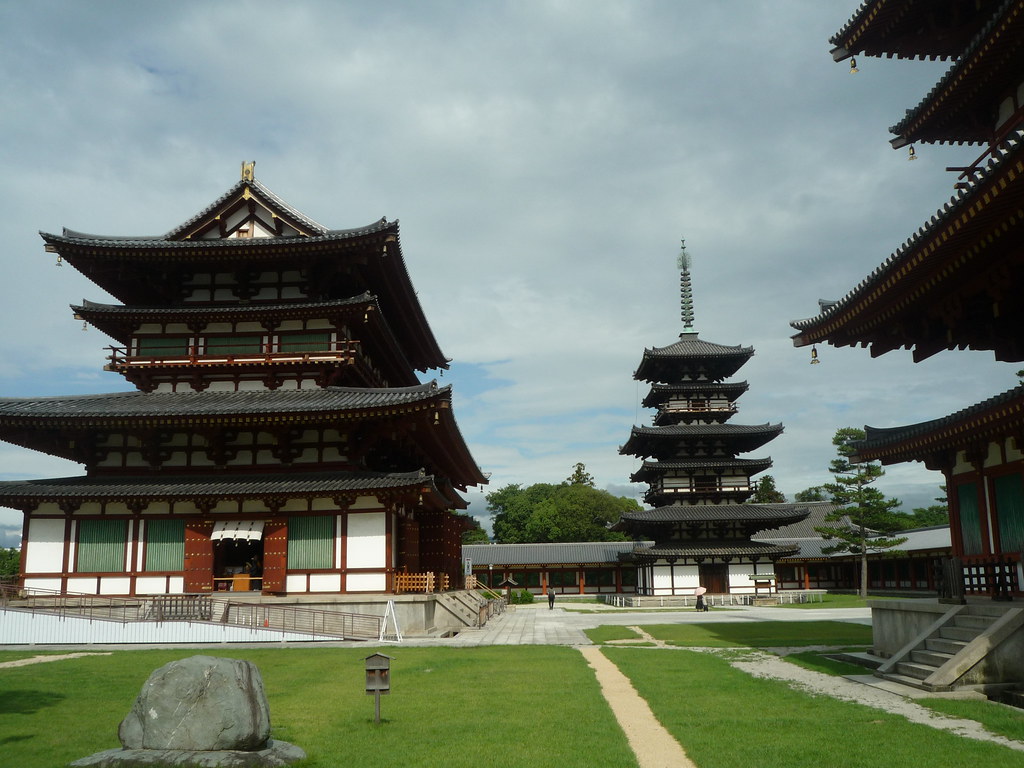
I was already impressed with the temple from the round pagoda alone. Then I entered the main courtyard. 


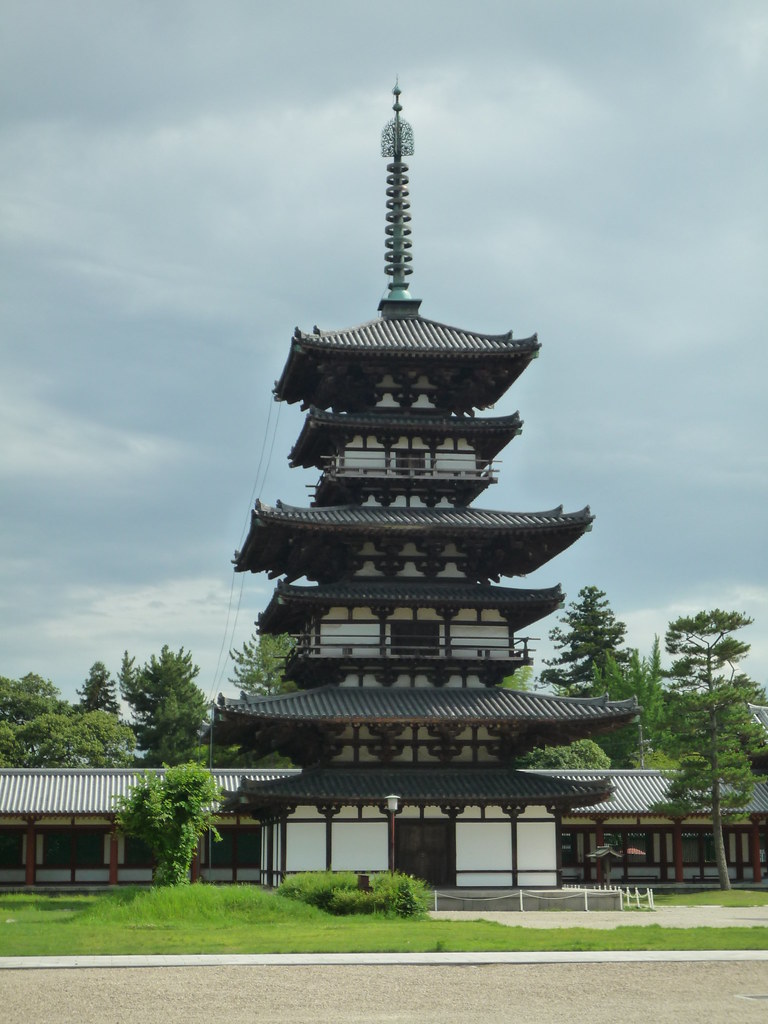
The East pagoda is the oldest of the three structures, built almost 1300 years ago. The layers vary in width, which gives the building complexity and character greater than pagodas that simply get smaller and smaller on each higher layer.


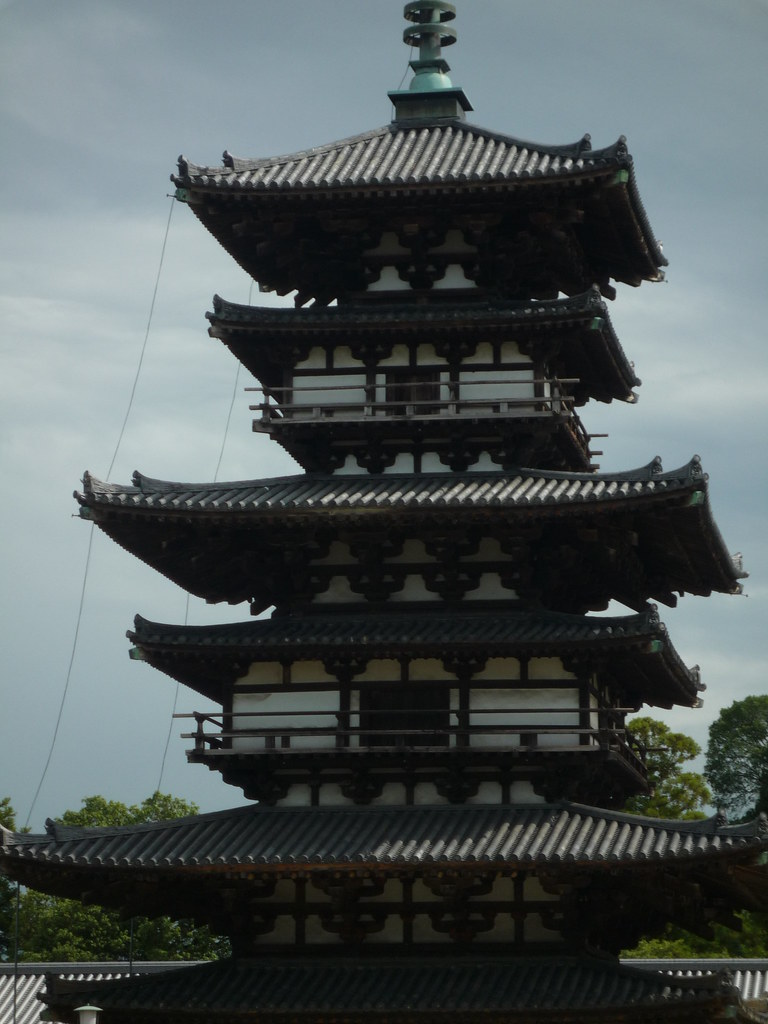
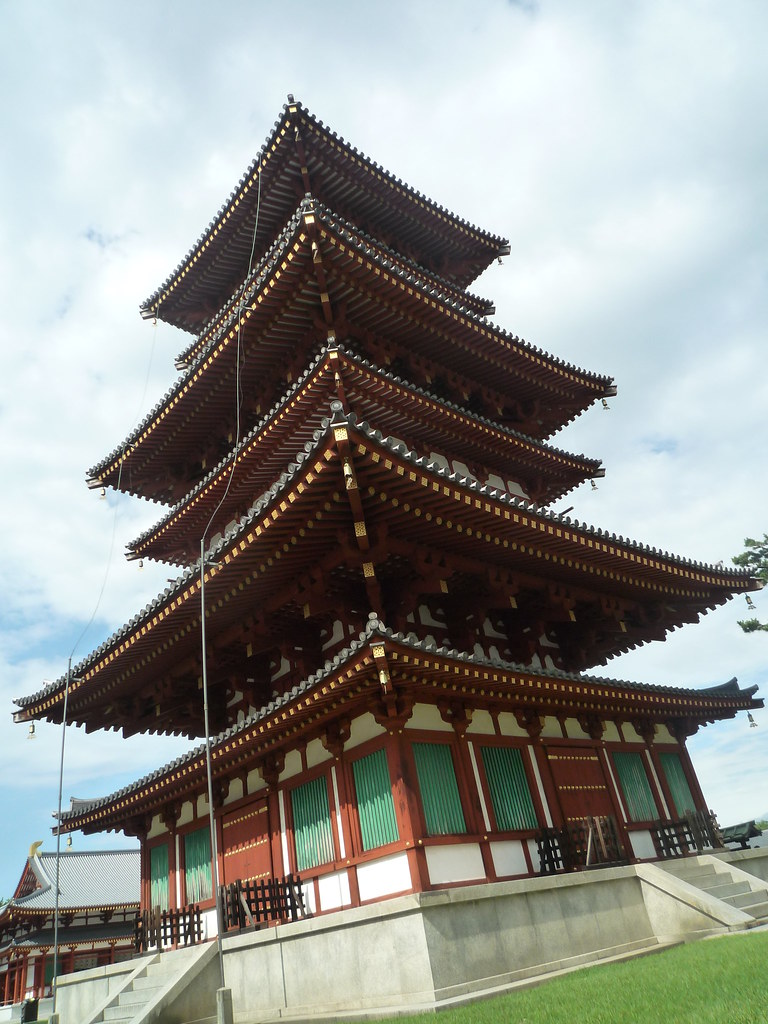
The West pagoda is much more modern, but also had varied widths. It also was very red, which became all the more apparent when looking up into its eaves. 


Even the main hall looked like a stack of different sized blocks, and from the side almost looked like a pagoda as well. 


After admiring the architecturally interesting trio during a couple circuits of the courtyard, I exited and took a bus back to Nara. 

Monday, July 21, 2014

Japan Day 6, Part 3: Toshodai-ji lotus flowers


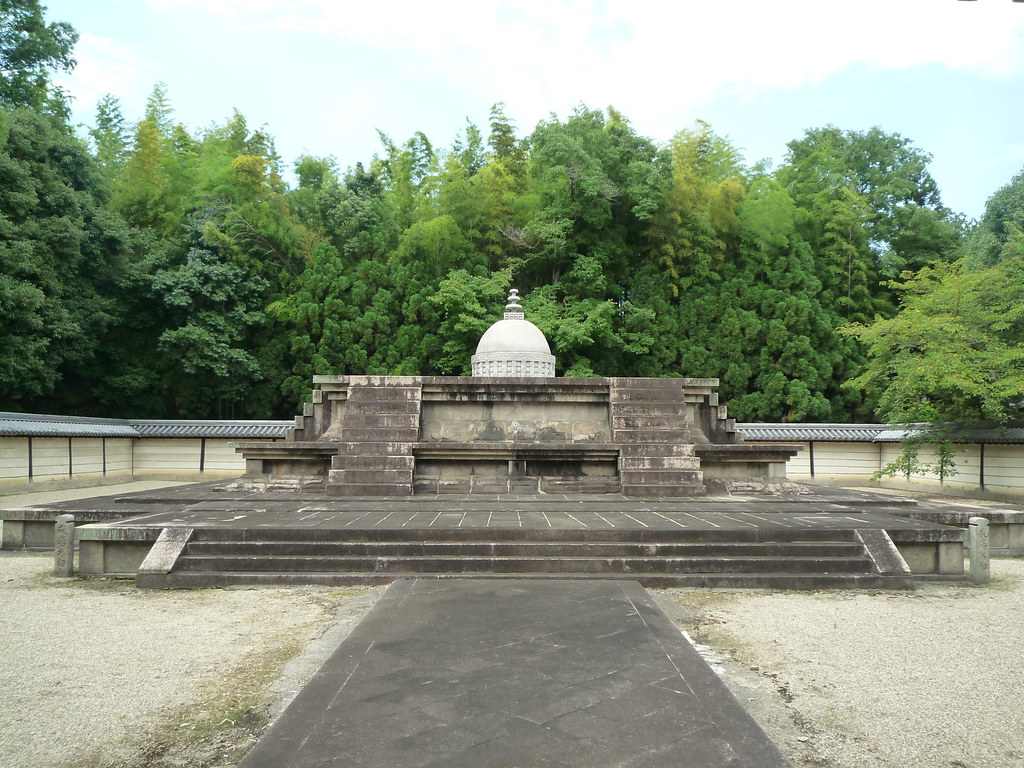
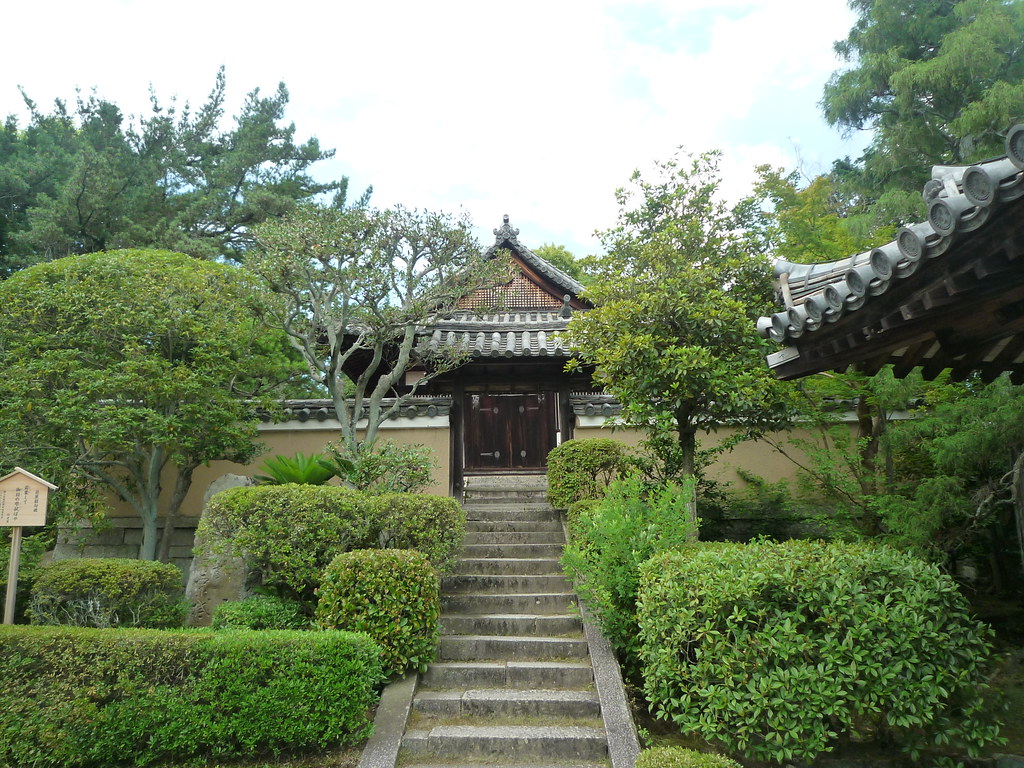
I briefly stopped in Nara and walked from one station to the other in order to buy a limousine bus to the airport for the next day. I then took a bus Southwest to Toshodai-ji.

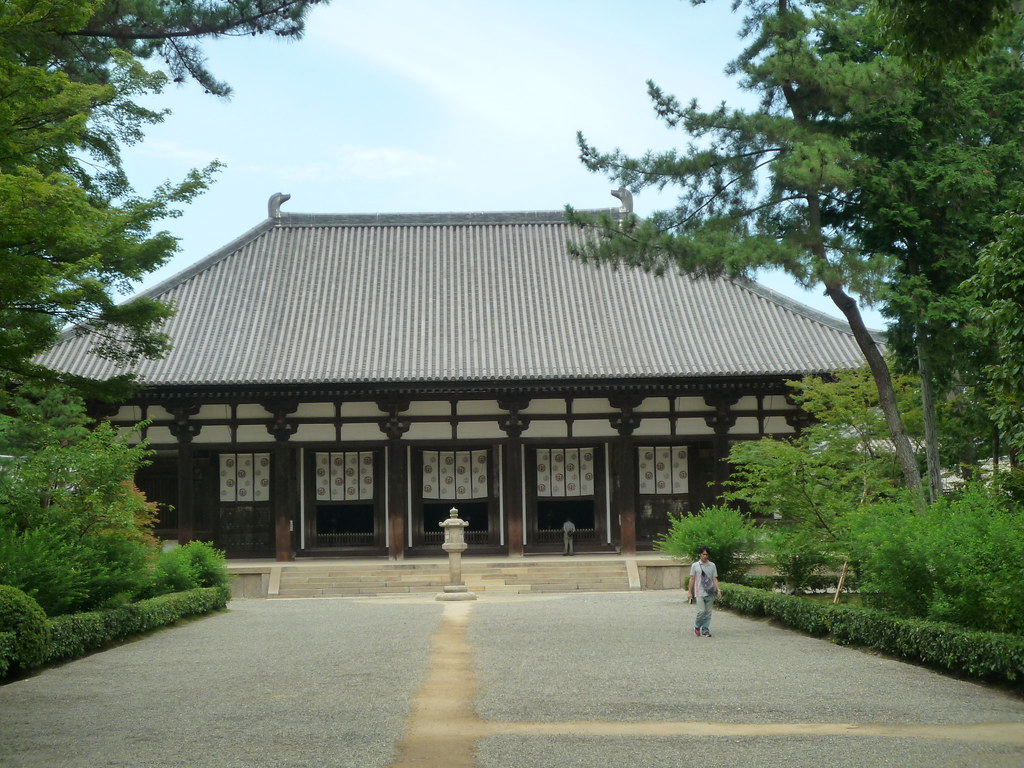
The Buddhist temple's main hall contained a statue that actually had 1000 arms: forty large ones and the rest tiny. Most '1000 armed' statues only have forty arms that each represent twenty-five. 


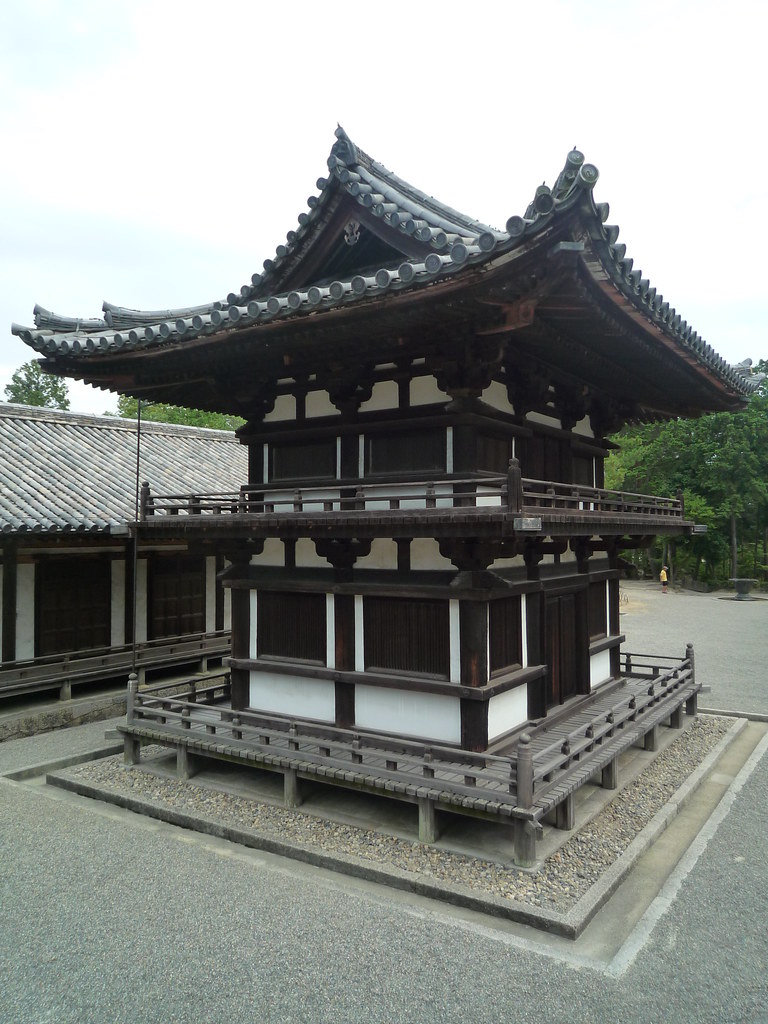
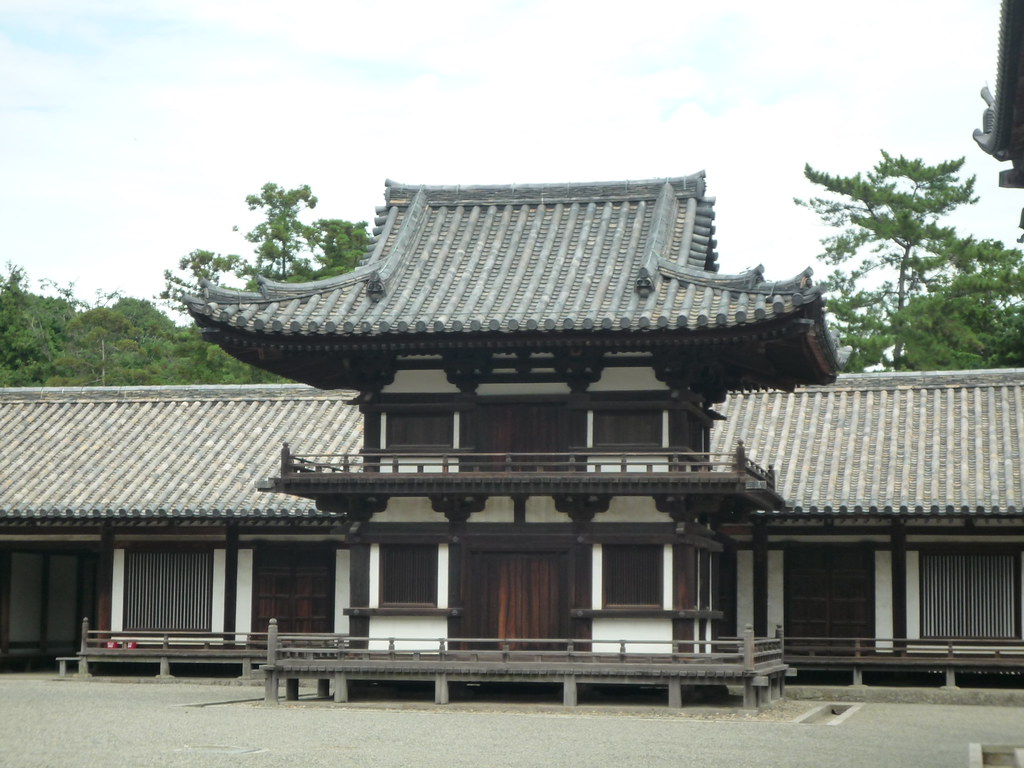
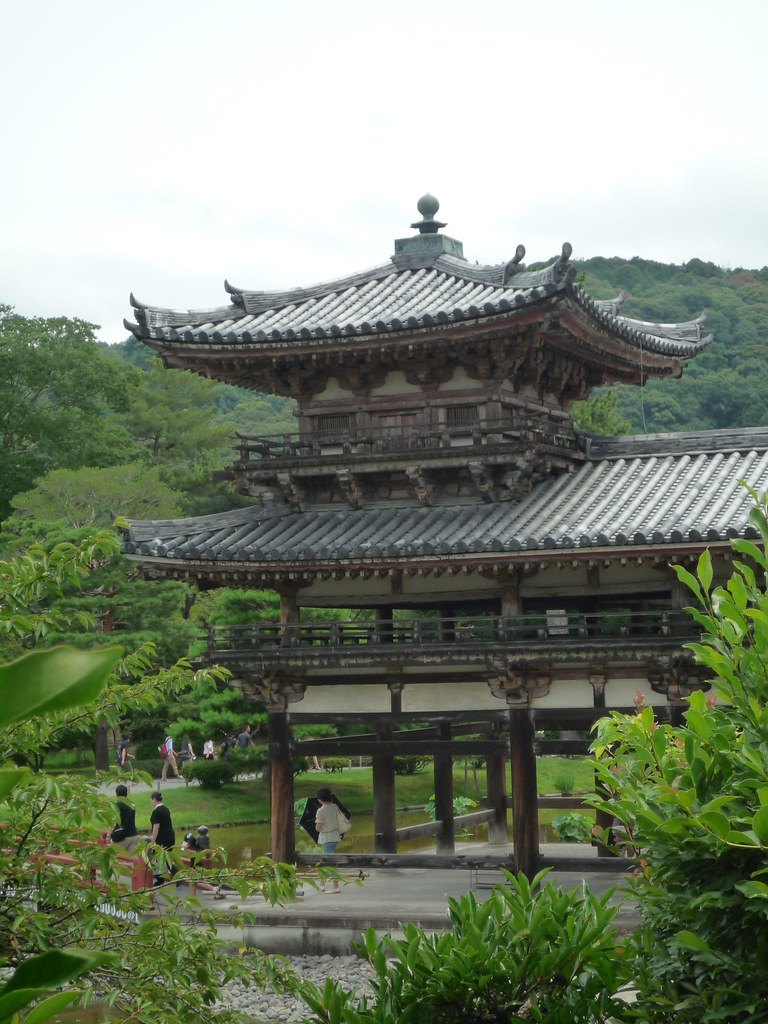
The temple had a two story wood frame pavilion that I found striking. 


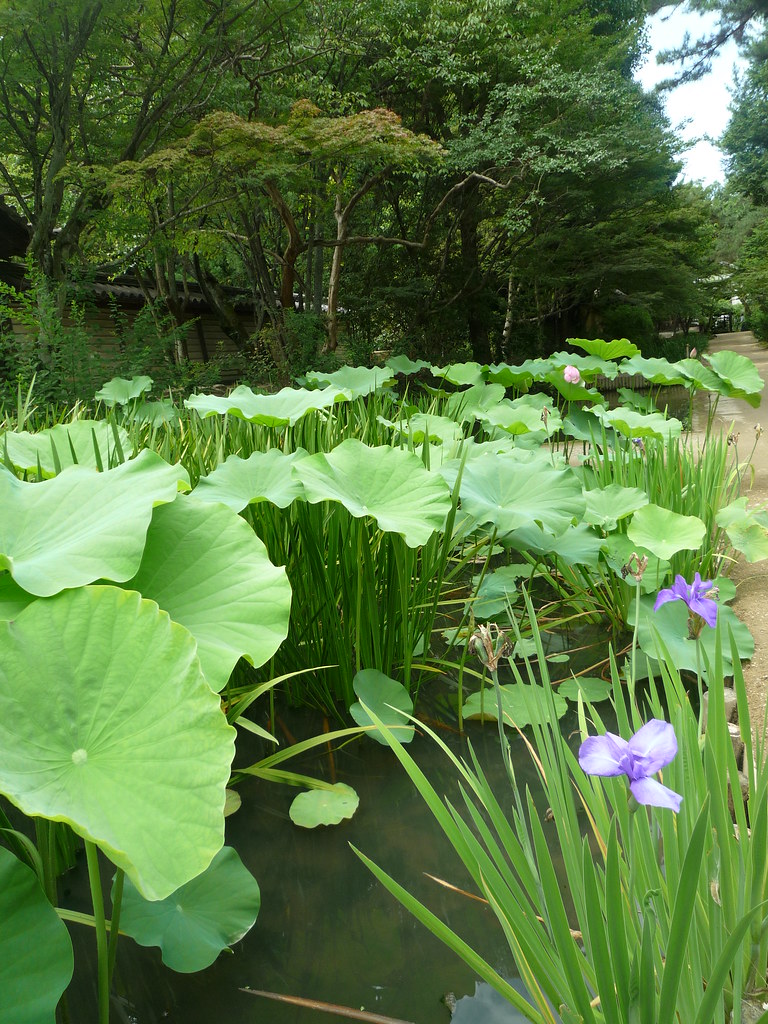
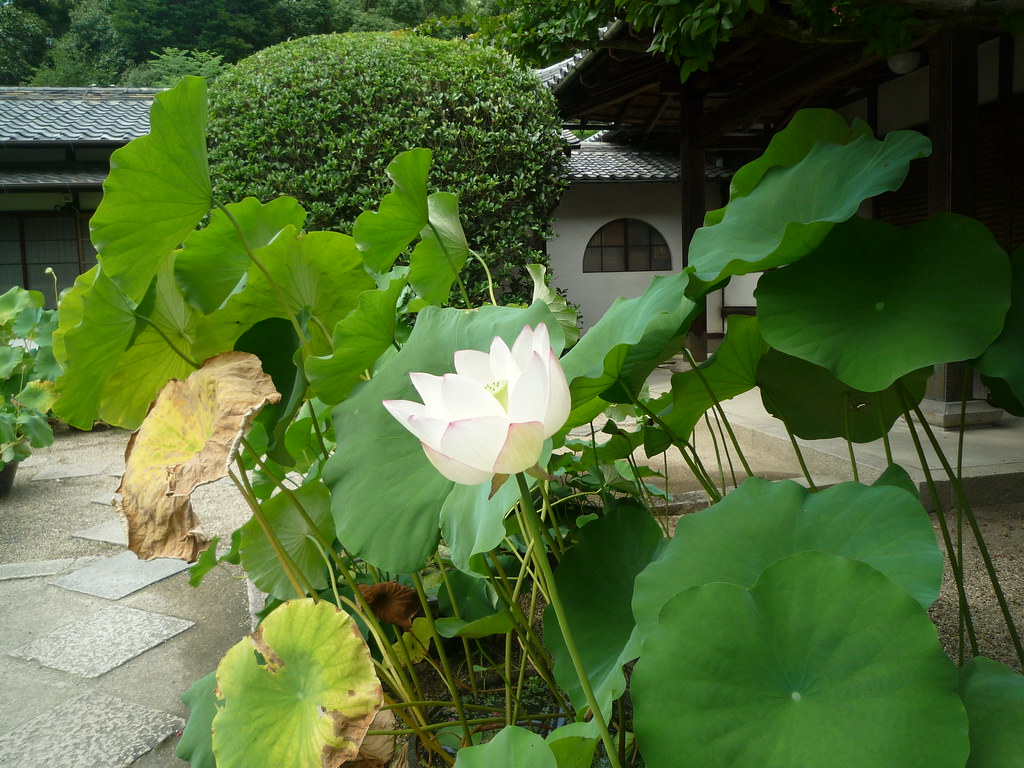
The gardens contained many flowering ponds.


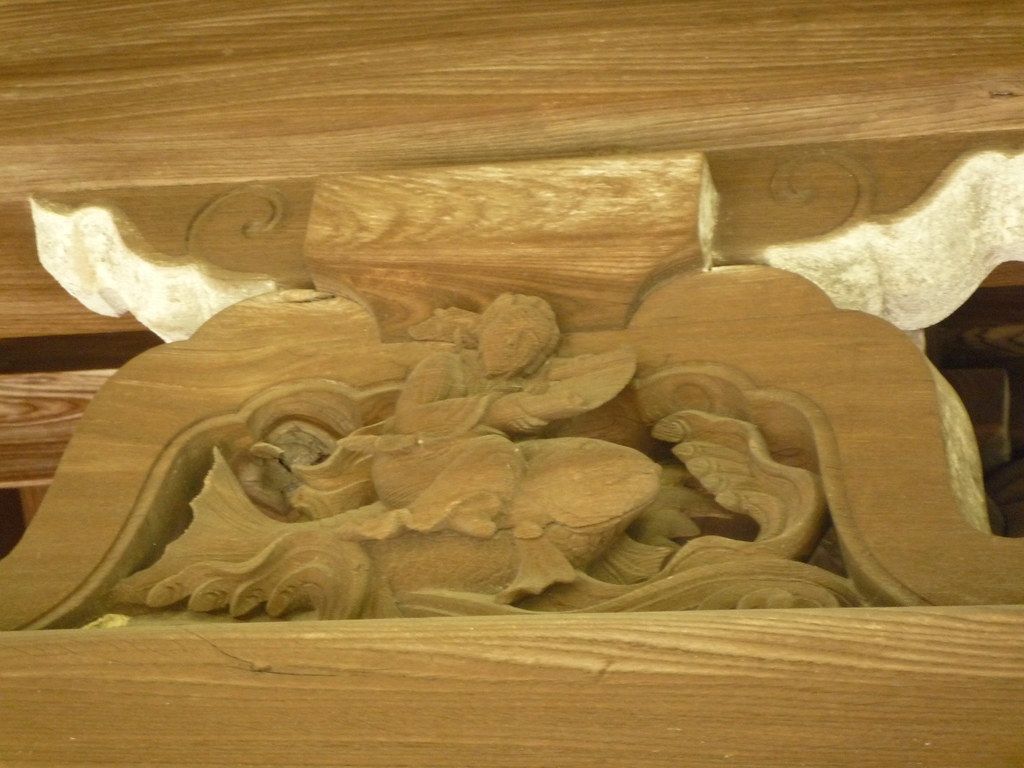
The rafter were connected with intricate carvings.


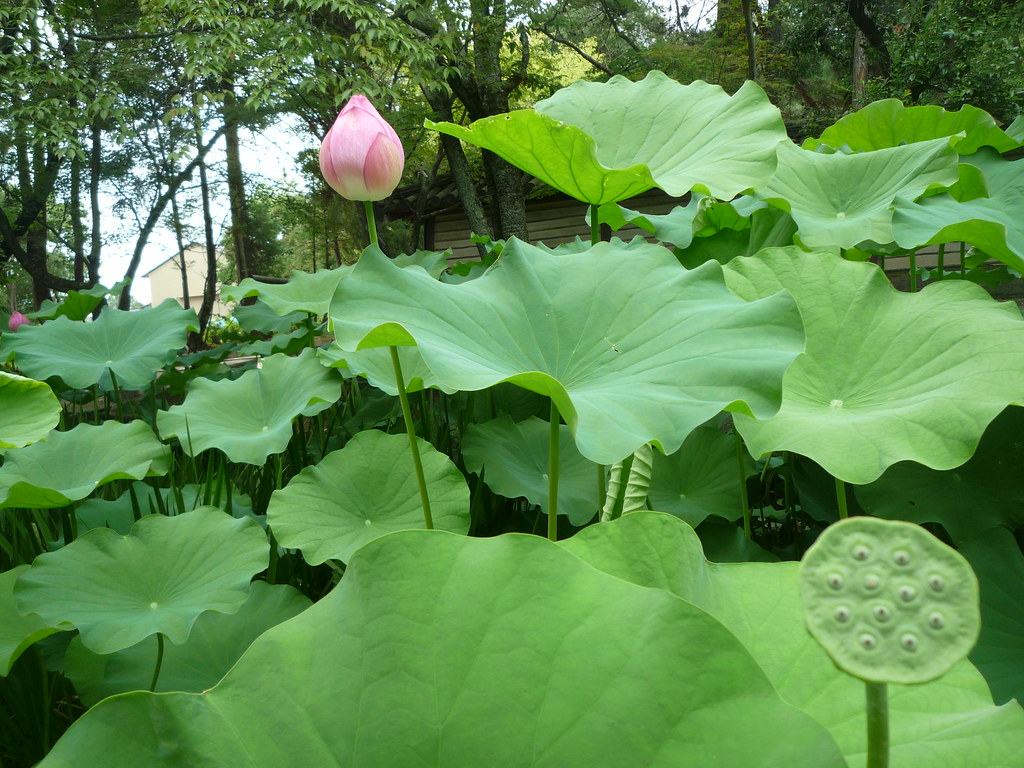
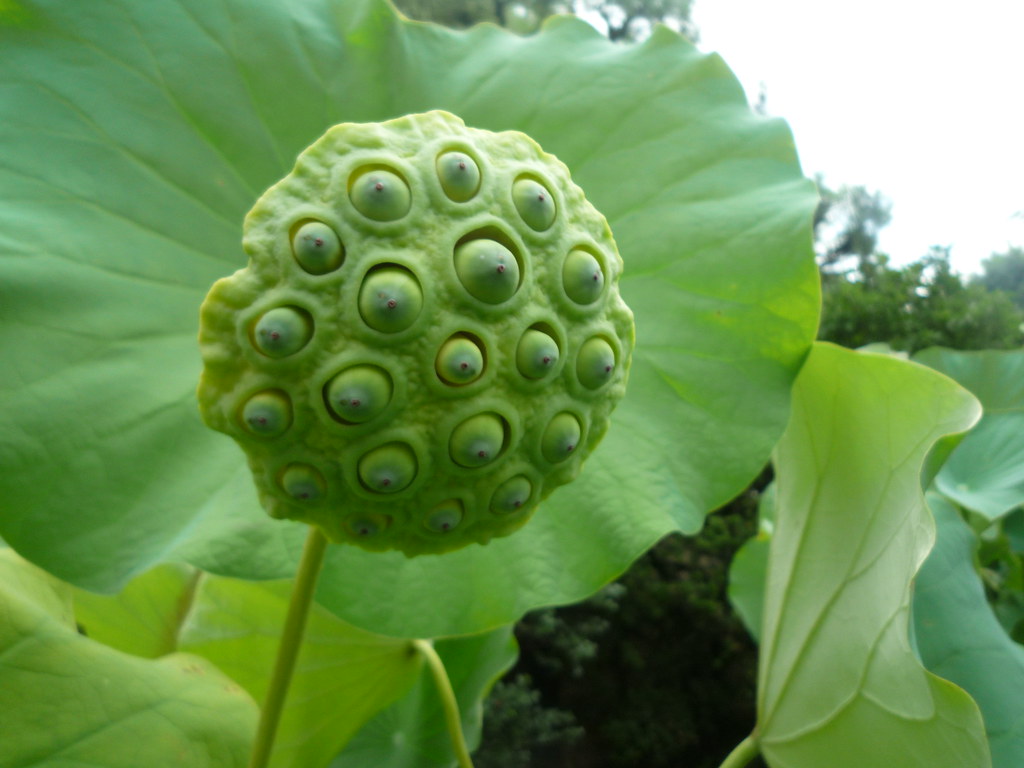
The gardens held many lotus flowers. I always enjoy seeing them in different stages of budding, blooming, and going to seed.


Lotus seed pods truly look alien.


It wouldn't be a proper Buddhist temple without a giant bell.


Clearly I really liked this building, since I felt compelled to take a picture every time I passed it. 


After I toured the temple and its grounds, I started the walk to Yakushi-ji. 

Saturday, July 19, 2014

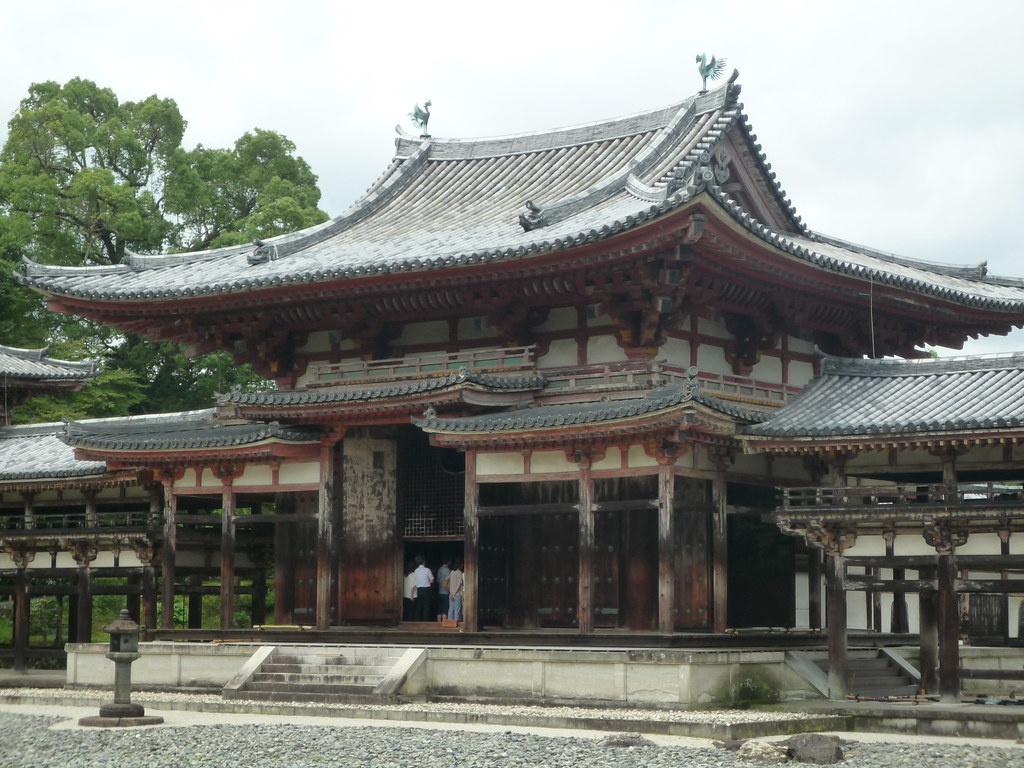
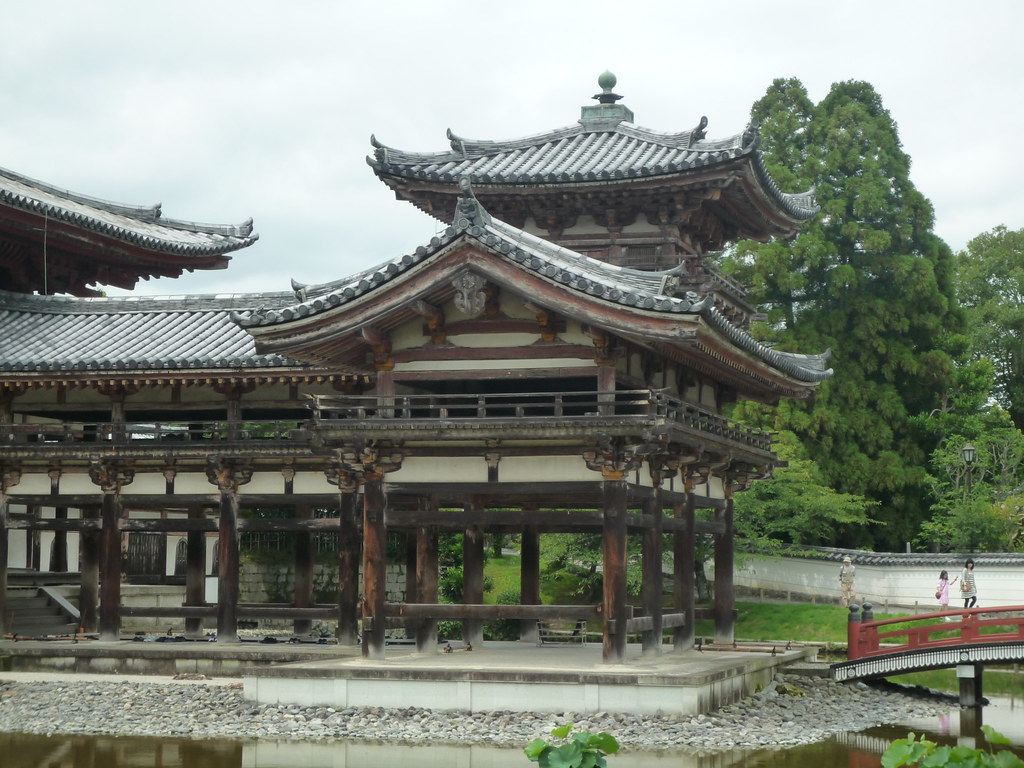
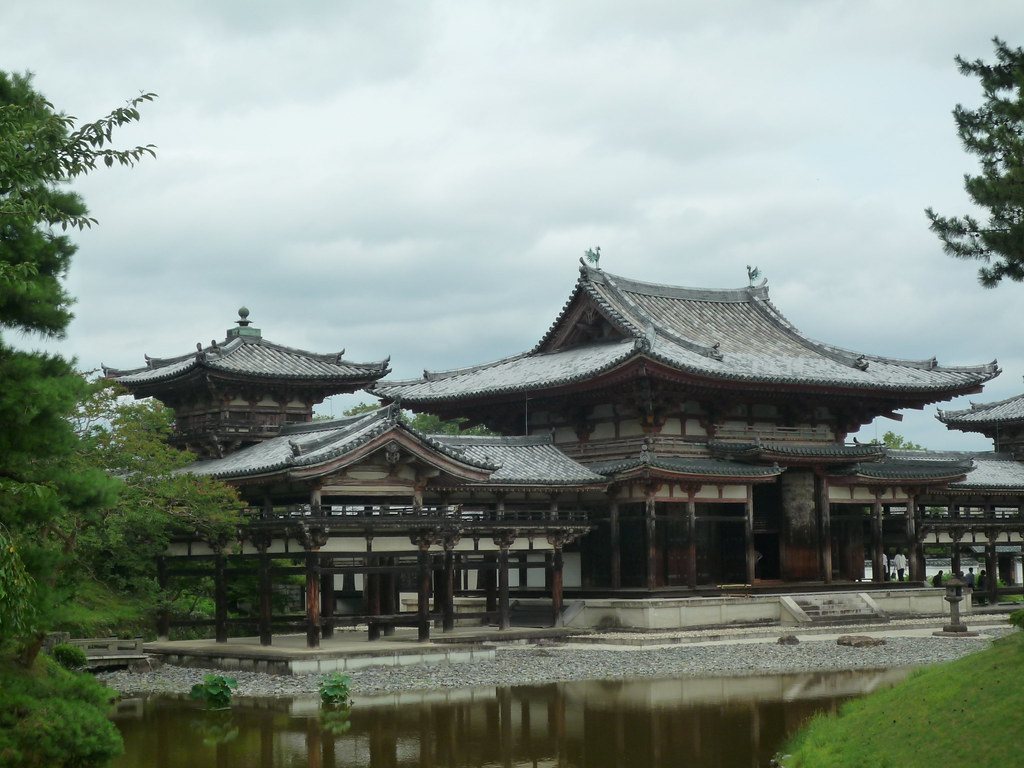
Japan Day 6, Part 2: The weathered phoenix hall of Byodo-in

In Uji I had a brunch of cinnamon buns, a sandwich, and a delicious loaf of French bread while sitting on the steps to the river that runs through the city. The water formed fascinating eddies and whirlpools.


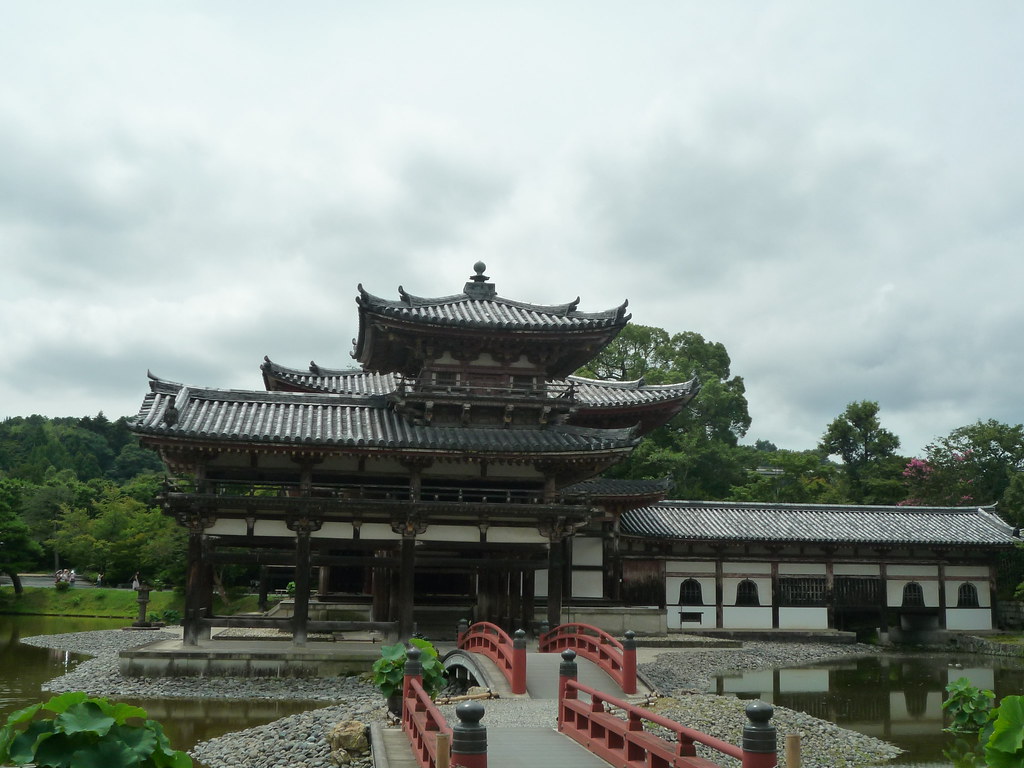
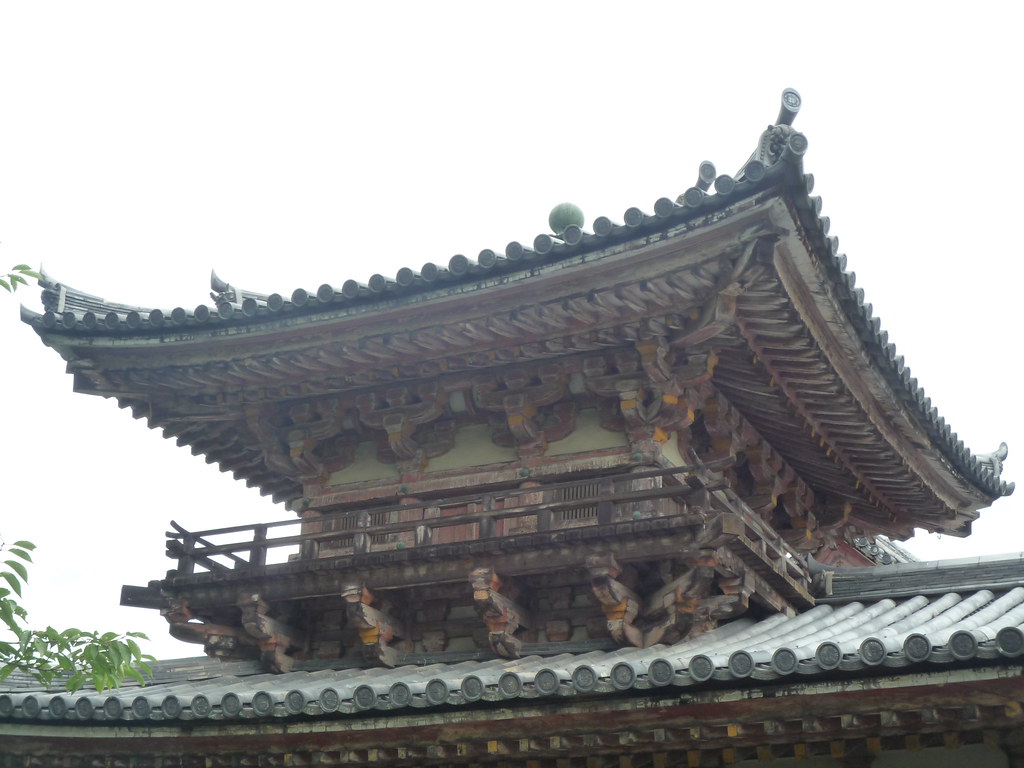
The main reason to come to Uji is to see Byodo-in, a thousand year old Buddhist temple famous enough to be on the back of the ten Yen coin. 


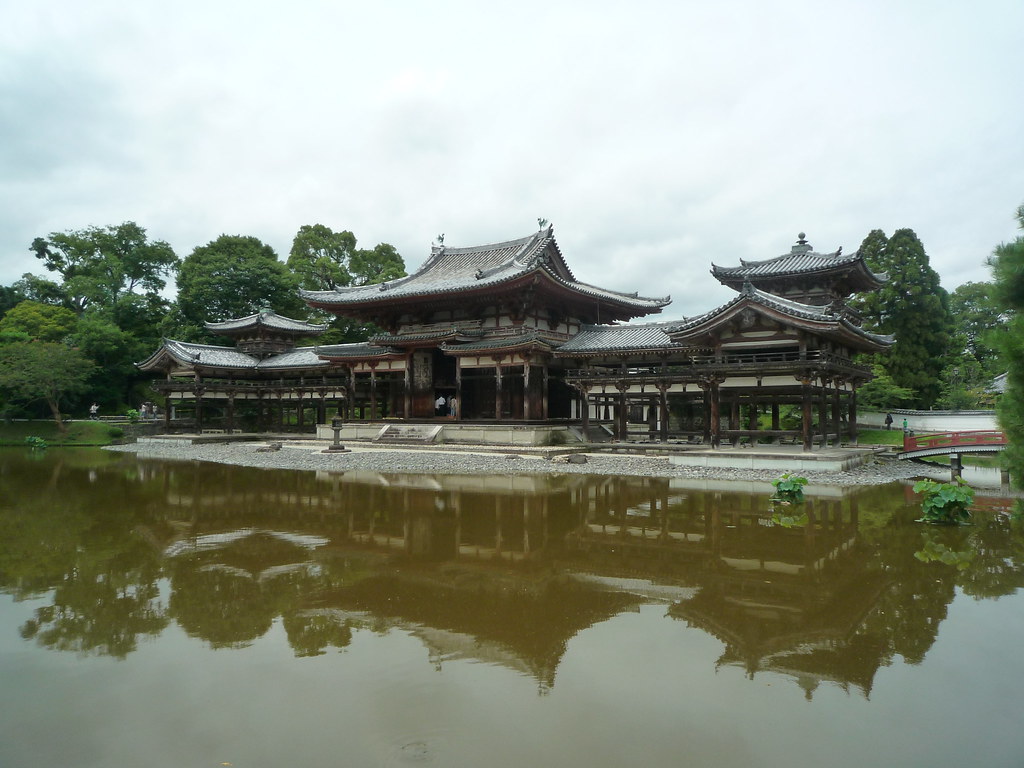
Only the main hall remains, but it is incredible.


The ancient building manages to both look its age and remain intact and structurally sound.


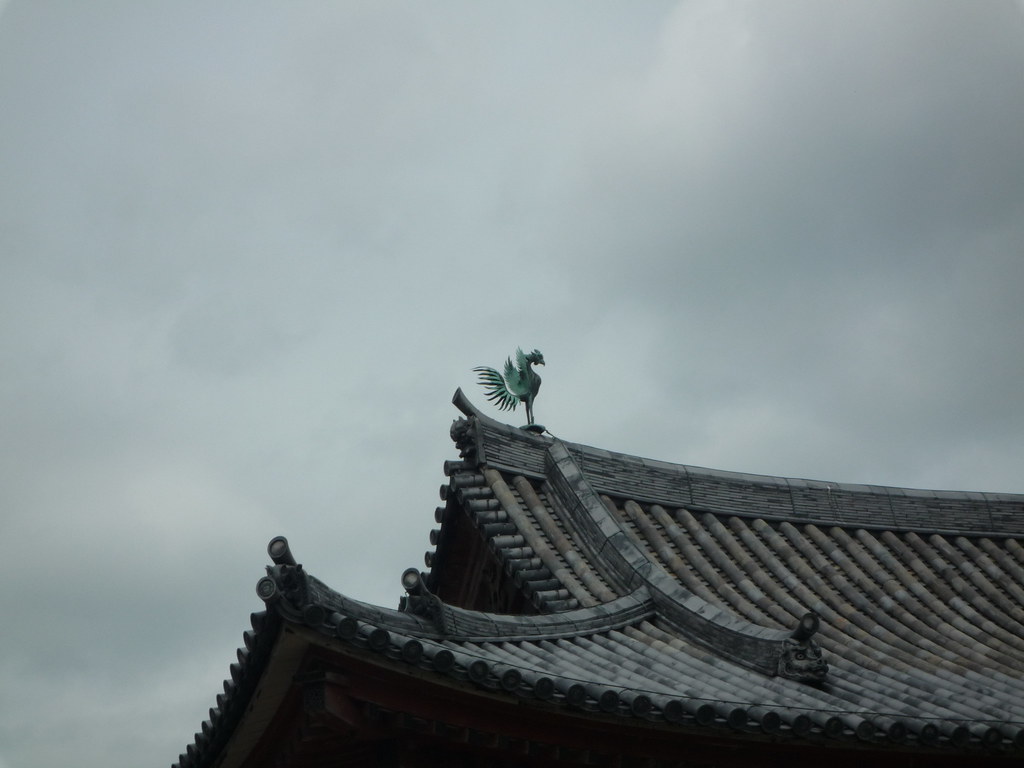
The hall is also known as the phoenix hall. The mythological bird is popular in China, and in Japan is seen as a protector of Buddha. Oxidized metal phoenixes stand atop each end of the wooden hall. I think its amusing that the temple covered in phoenixes is one of the few in the country that hasn't burned down and been rebuilt.


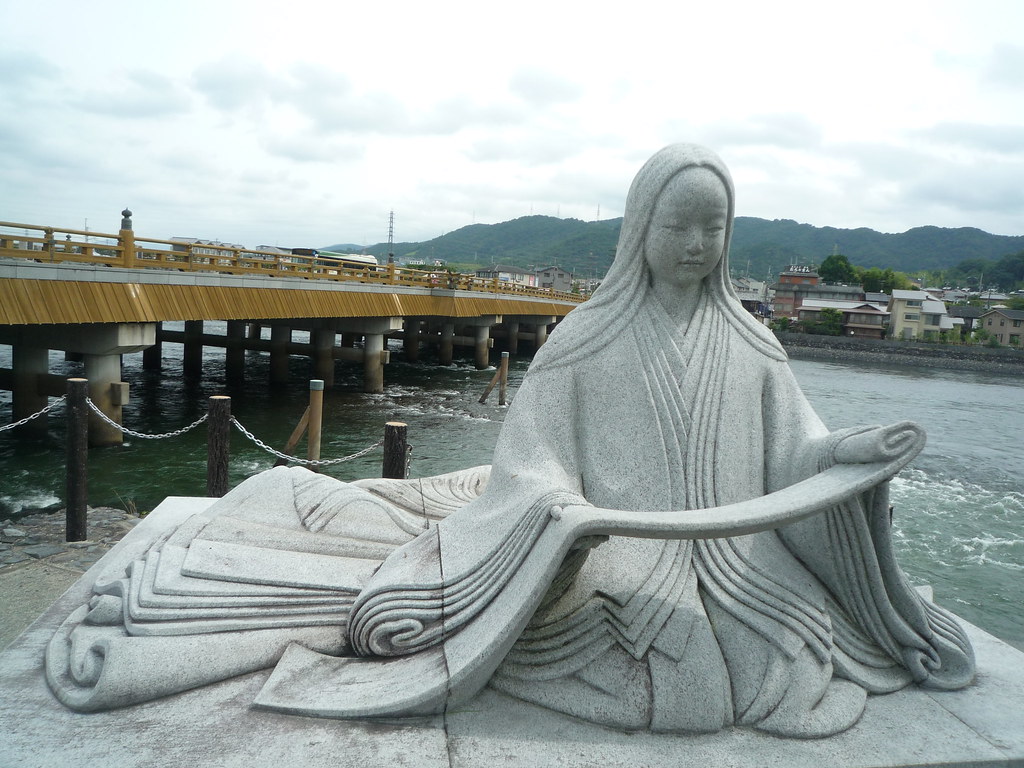
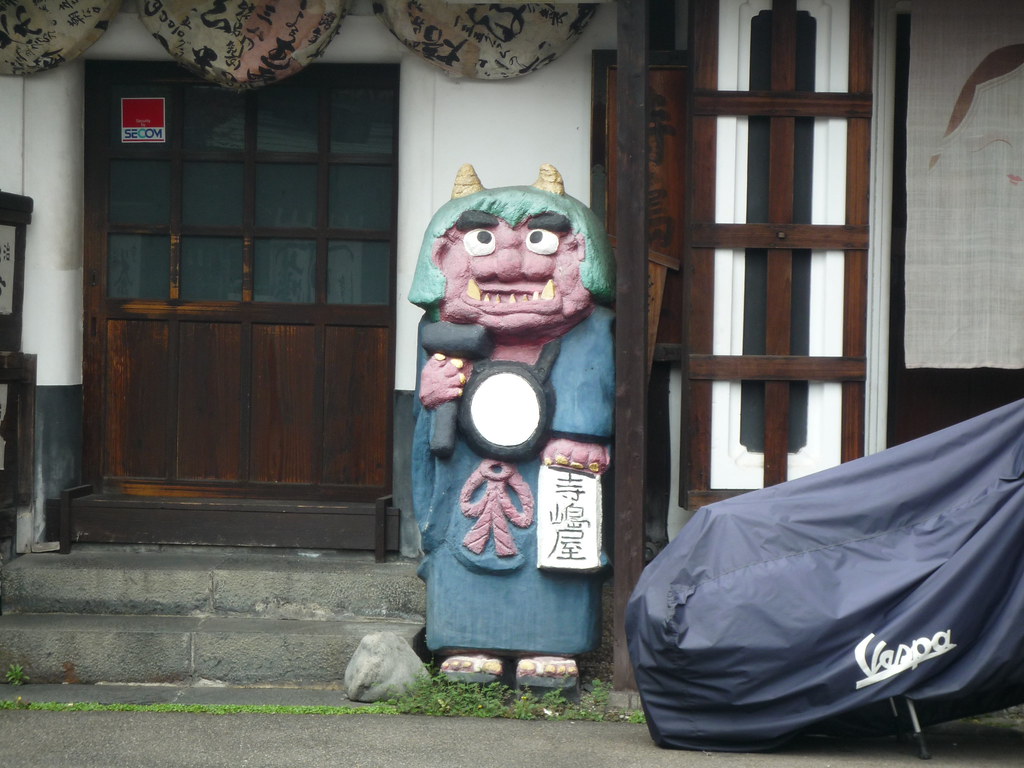
Walking back to the train station, I spotted some other amusing sights in Uji, including a life-sized monster.


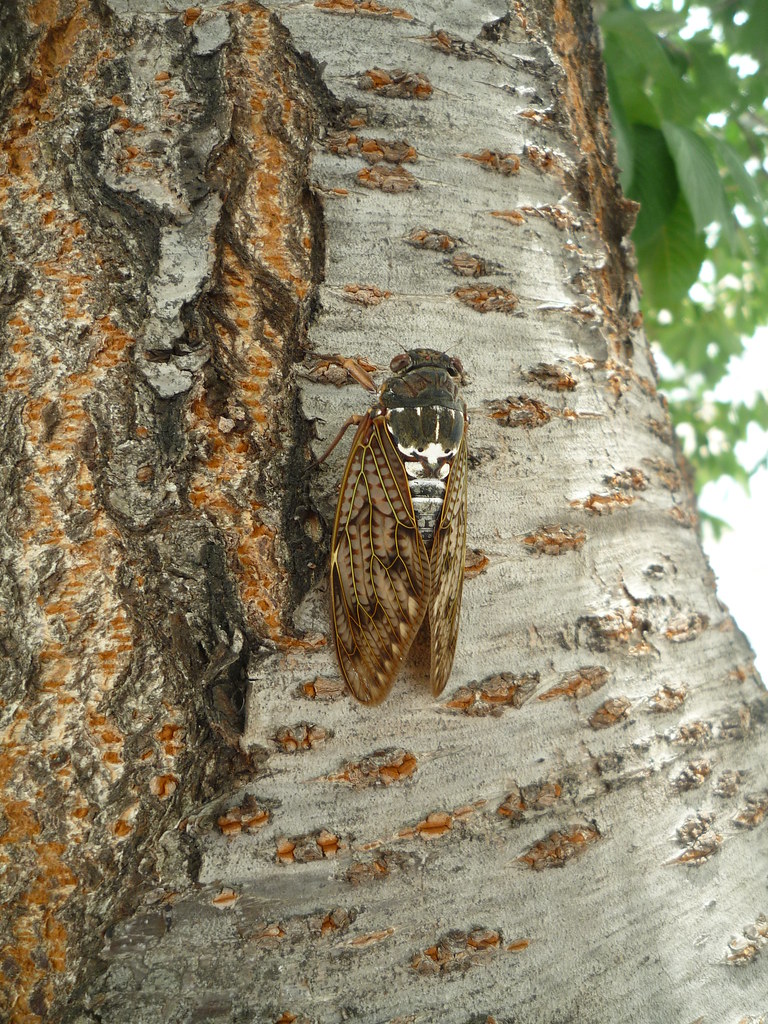
The cicadas were out in force here as well, and were bigger than my thumb.


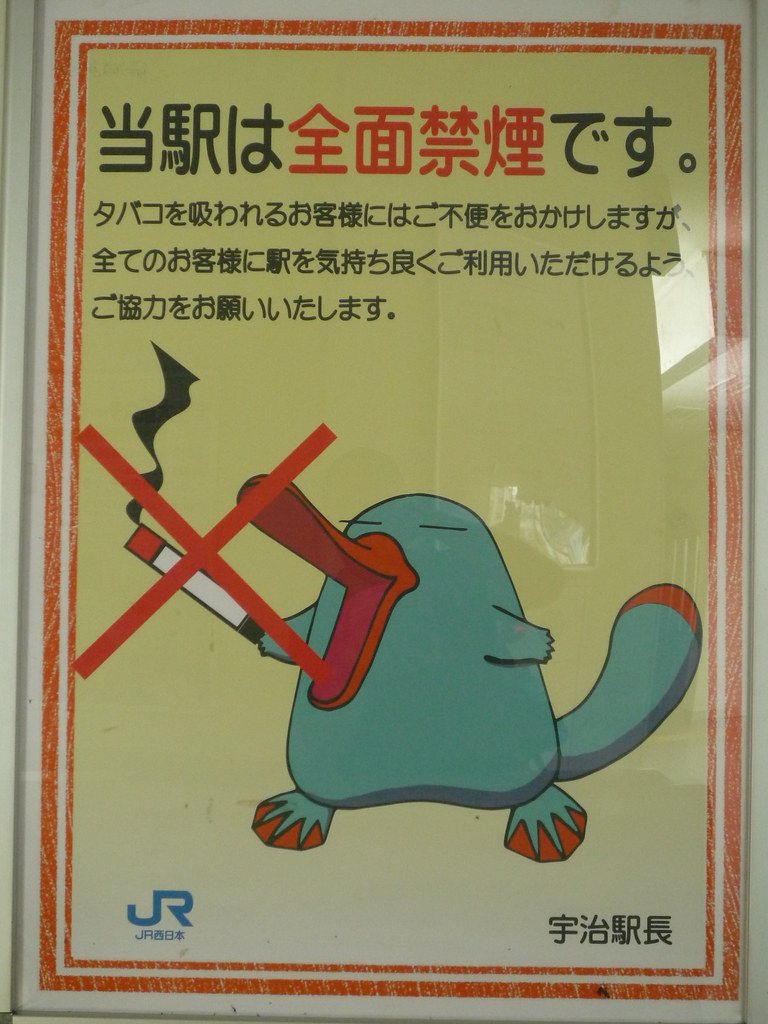
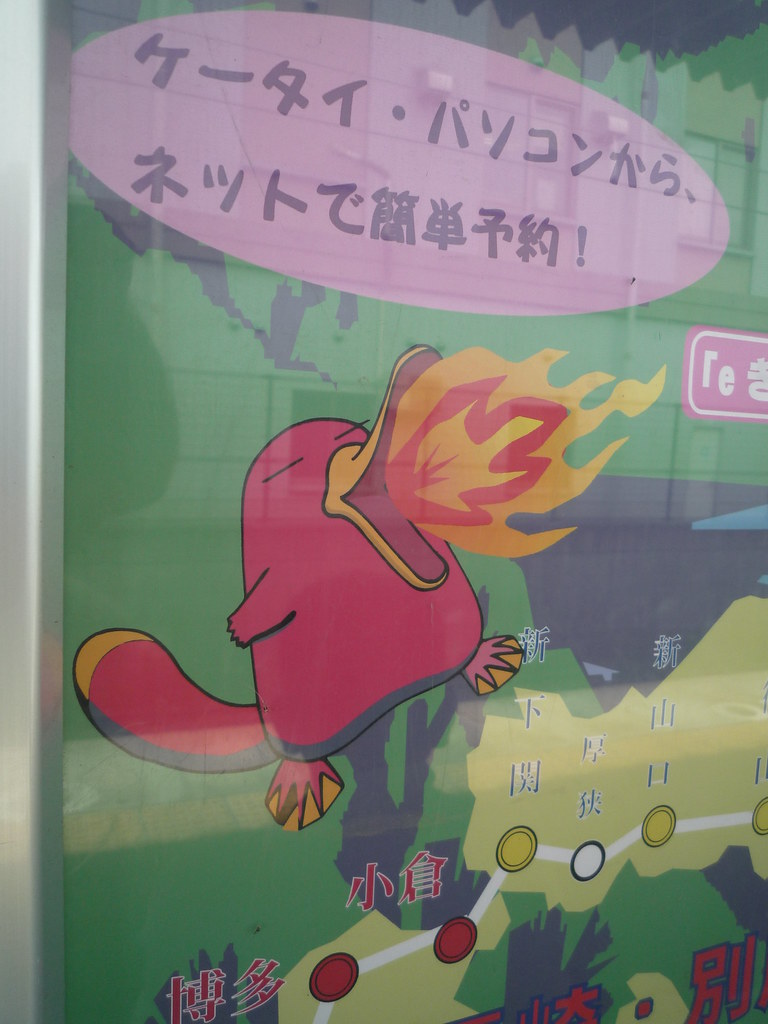
I don't know why the public service announcements were demonstrated with a cartoon platypus, but I'm glad they were.


After my brief stop in Uji, I continued on to the former capital of Nara. 

Friday, July 18, 2014

Japan Day 6, Part 1: The massive wooden temples of Higashi Hongan-ji and Nishi Hongan-ji

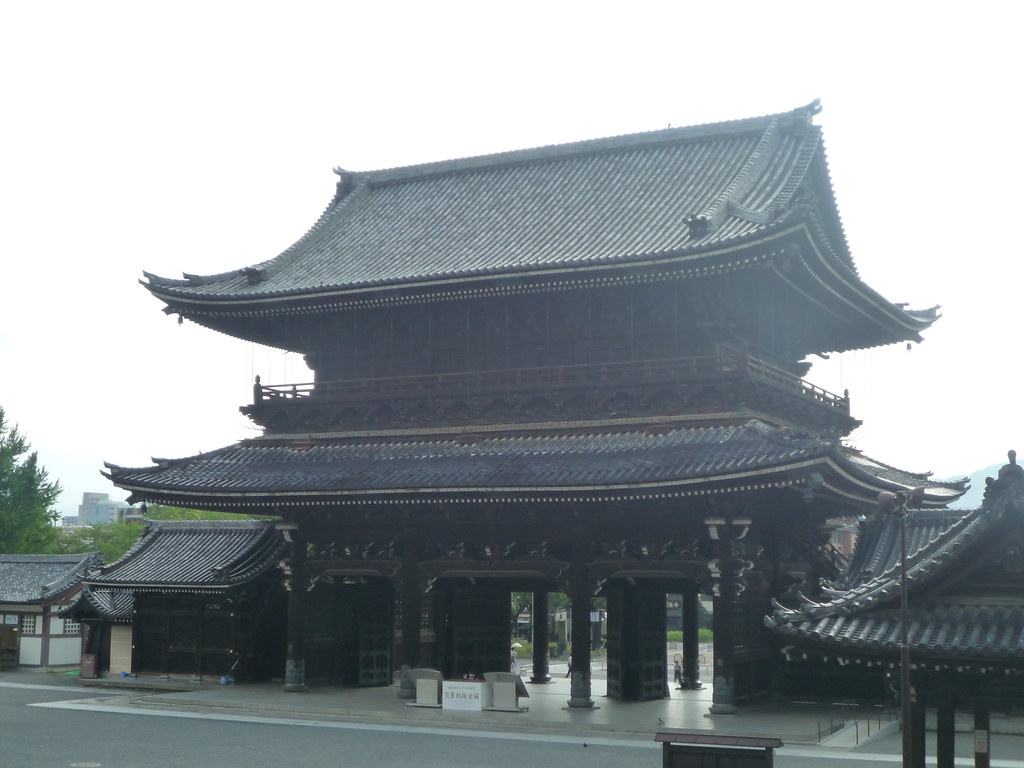
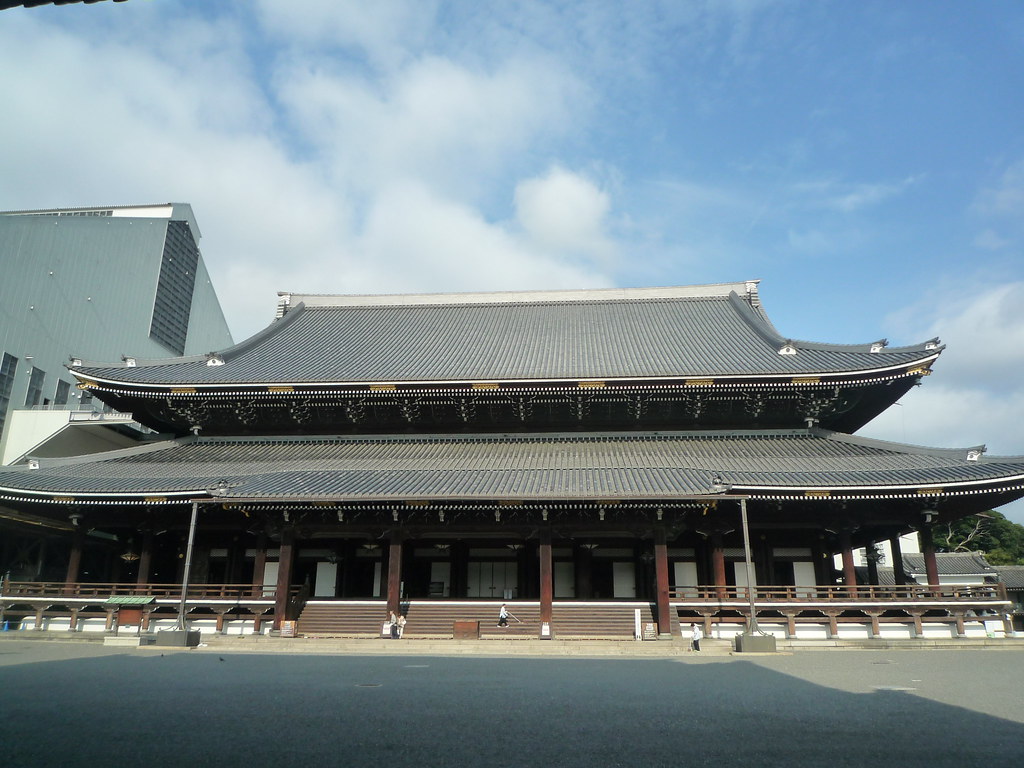
Just North of Kyoto station stand two large wooden temples. They made an excellent choice for my last sights in Kyoto both because of their convenient location and the fact that their gates open before 6 am. The first I entered was Higashi Hongan-ji, which claims to be the world's largest wooden structure. It was hard to judge since one of the connected buildings was under restoration and was covered up on the outside. The uncovered buildings certainly weren't small...


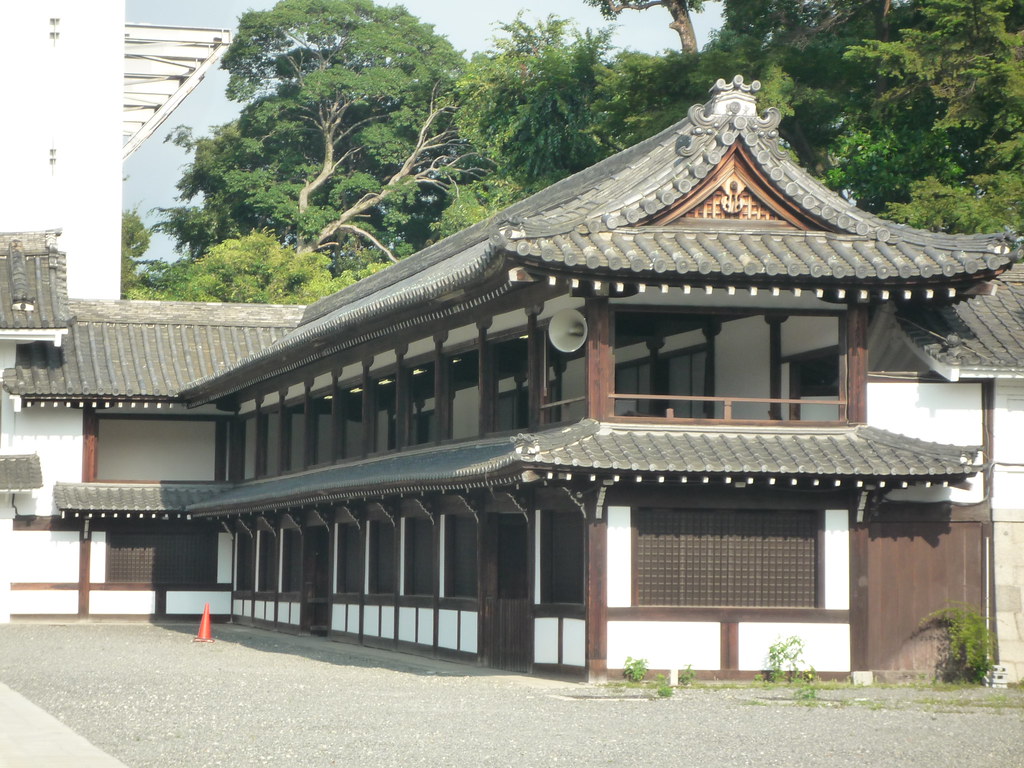
Covered walkways connected all of the buildings. I was able to walk around in the building under restoration, but the accessible parts didn't look like much. The sections of the structure that stuck out on either side of the aircraft-hangar-like restoration cover were impressive, though.


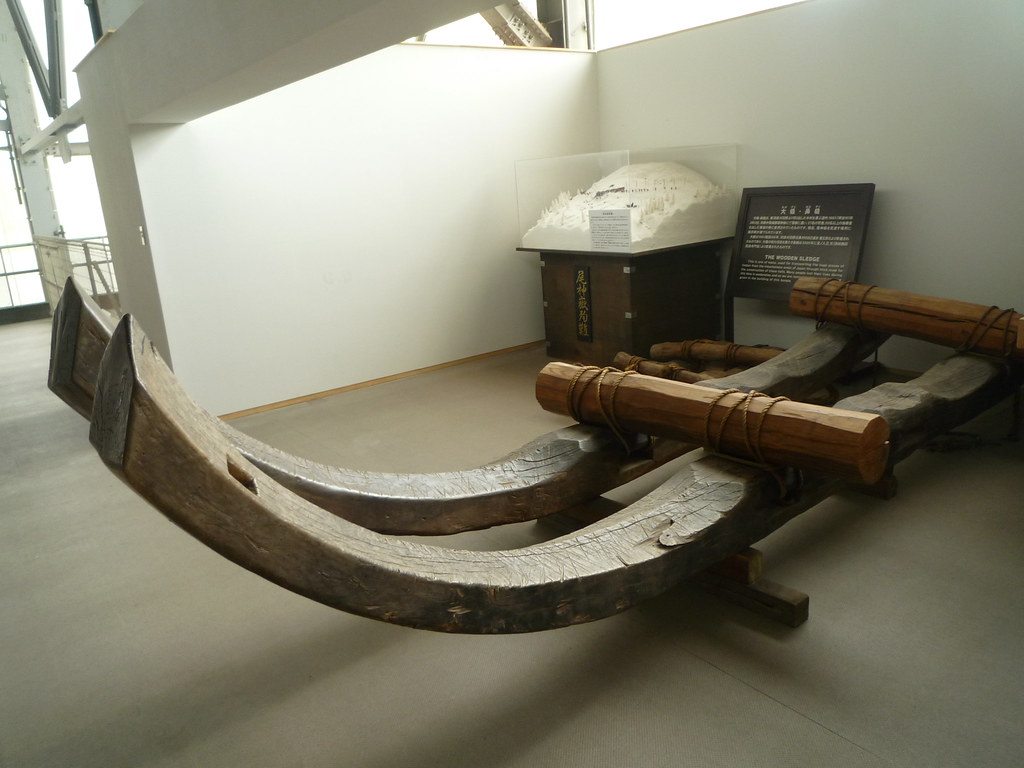
Inside was an area that showed how the enormous logs for the temple's construction were brought to Kyoto: by sledge. 


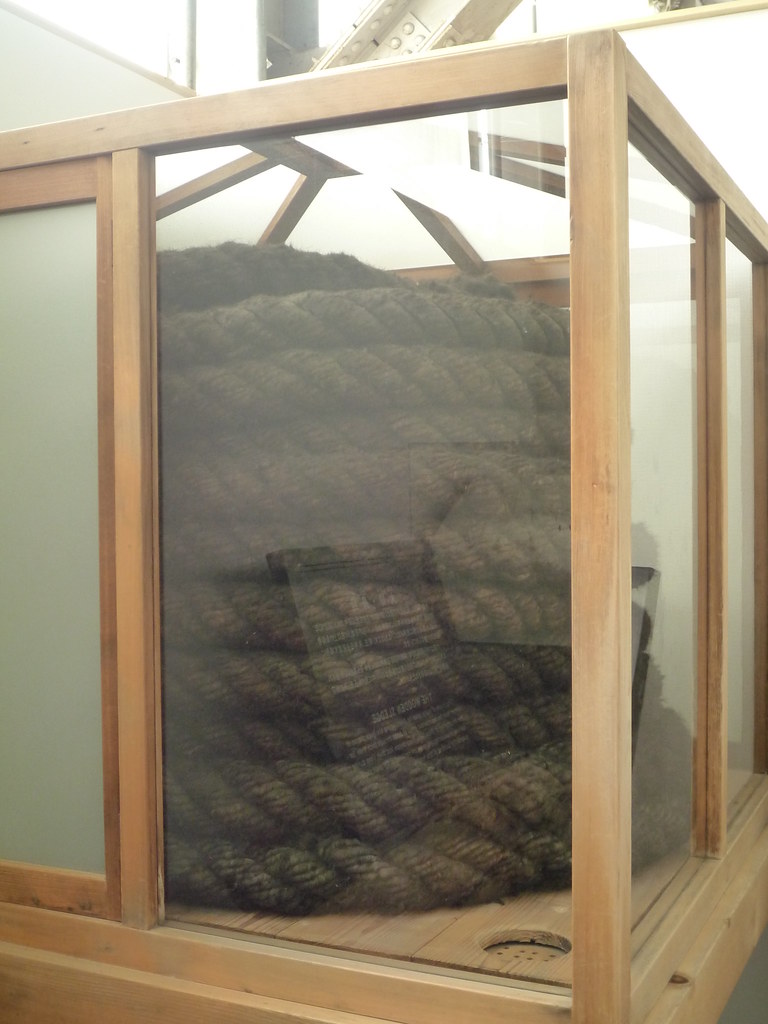
The sledges were pulled by huge human hair ropes:


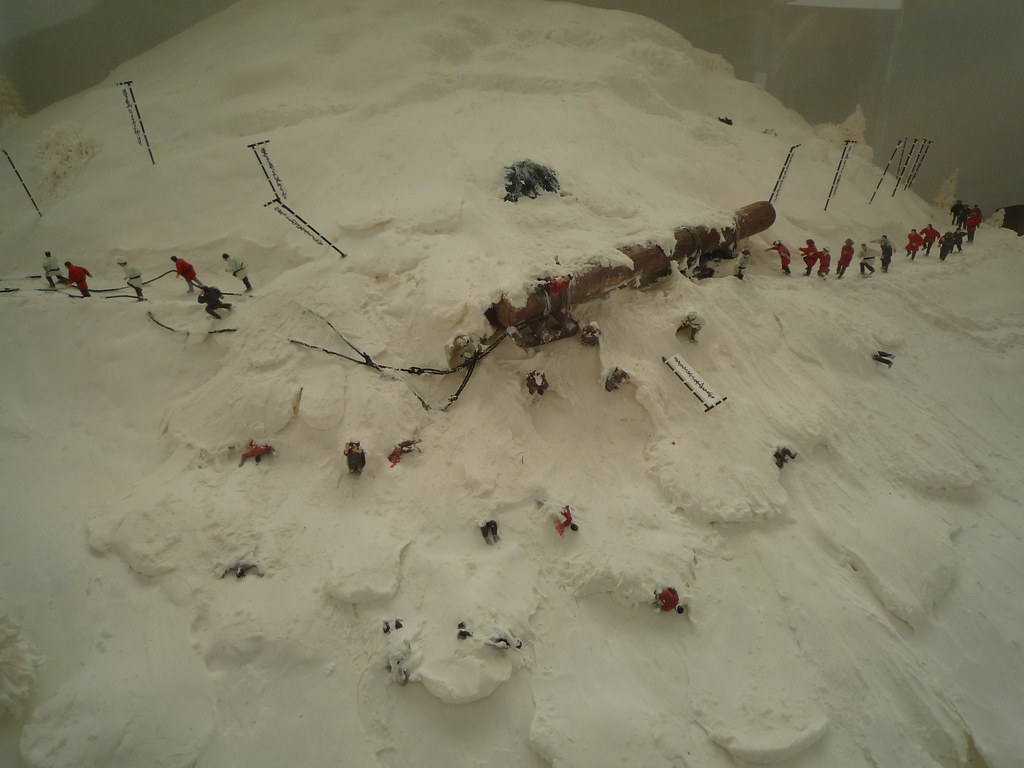
A diorama showed that such efforts were not without risk. If you look closely, you'll see that some of the tiny figures are bleeding into the snow.


A few blocks away stood Nishi Hongan-ji, an equally impressive site. 

I loved this dragon sculpture fountain.


Children from various schools had collected bottlecaps and applied them to their assigned square of a template to form a picture of a monk. 


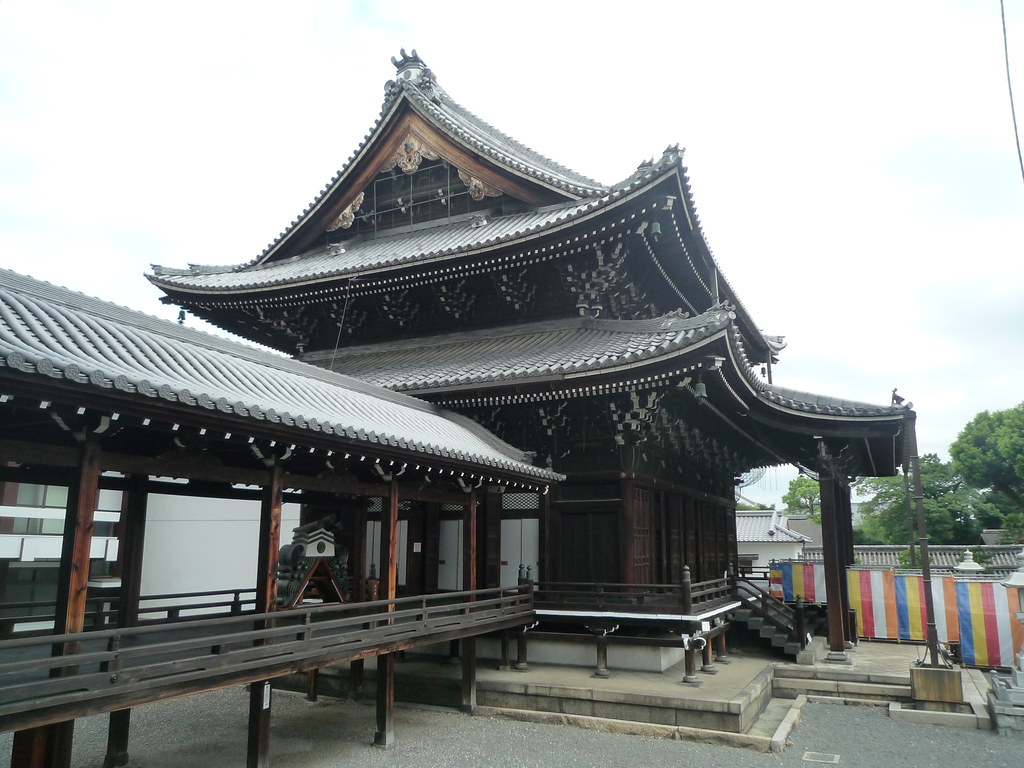
The wooden buildings had some cool architecture. I love timber-frame buildings in both the European and East Asian styles.


Here too covered walkways connected many of the buildings.


My favorite part was a three story wood slat building. I find wood grain beautiful, and all the more when it ages well. 


It was still early in the morning when I walked the few blocks to Kyoto Station and boarded a train to Uji.

  © Blogger template 'Minimalist G' by Ourblogtemplates.com 2008

Back to TOP