Thursday, July 17, 2014

Japan Day 5, Part 6: Kyoto Station

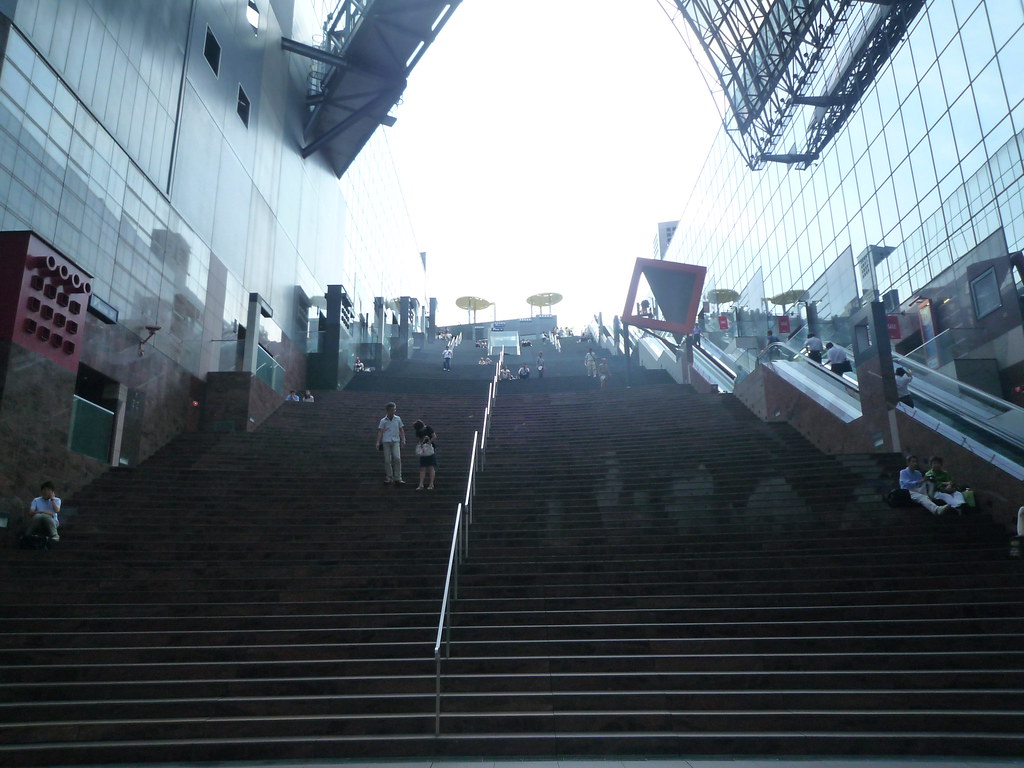
That evening I returned my bicycle and headed to Kyoto Station for dinner. In my rush to get out and see the ancient sites, I hadn't paid any attention to the train station that brought me to the city. Once I went back, though, I realized that it is an impressive building. For one thing, its enormous. The huge central staircase was used as benches for many people wanting to chat or read.
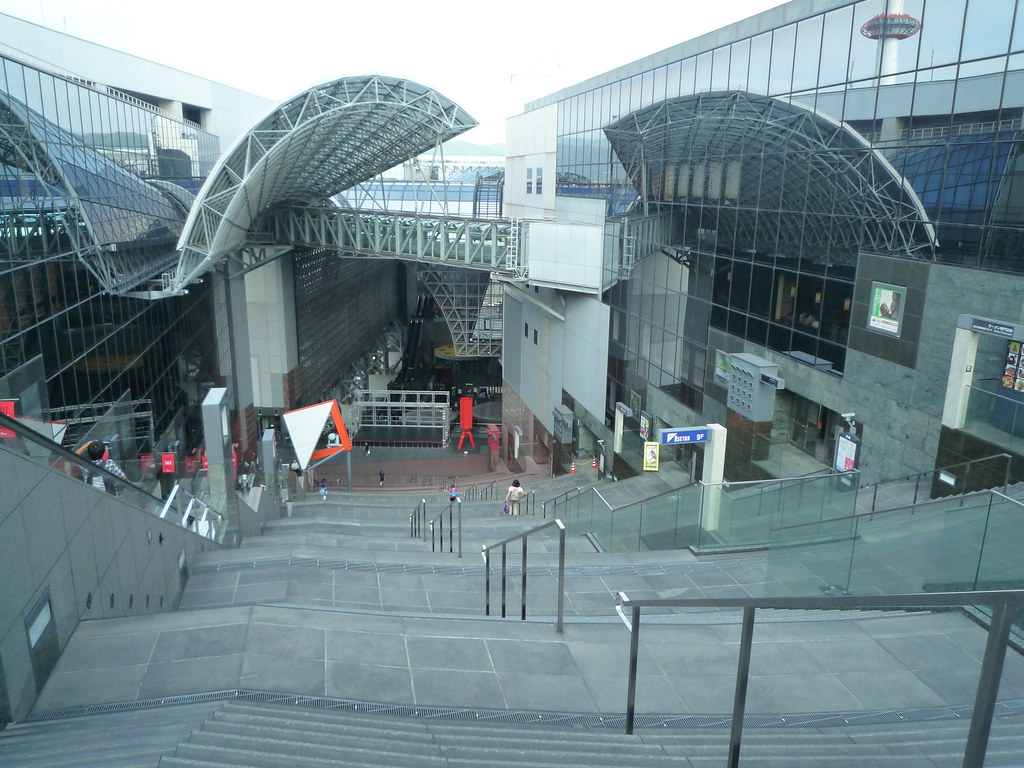

At the top I enjoyed view from the rooftop terrace, which itself is quite people friendly with lots of benches and greenery. I like that the station was turned into more of a public space than necessary.
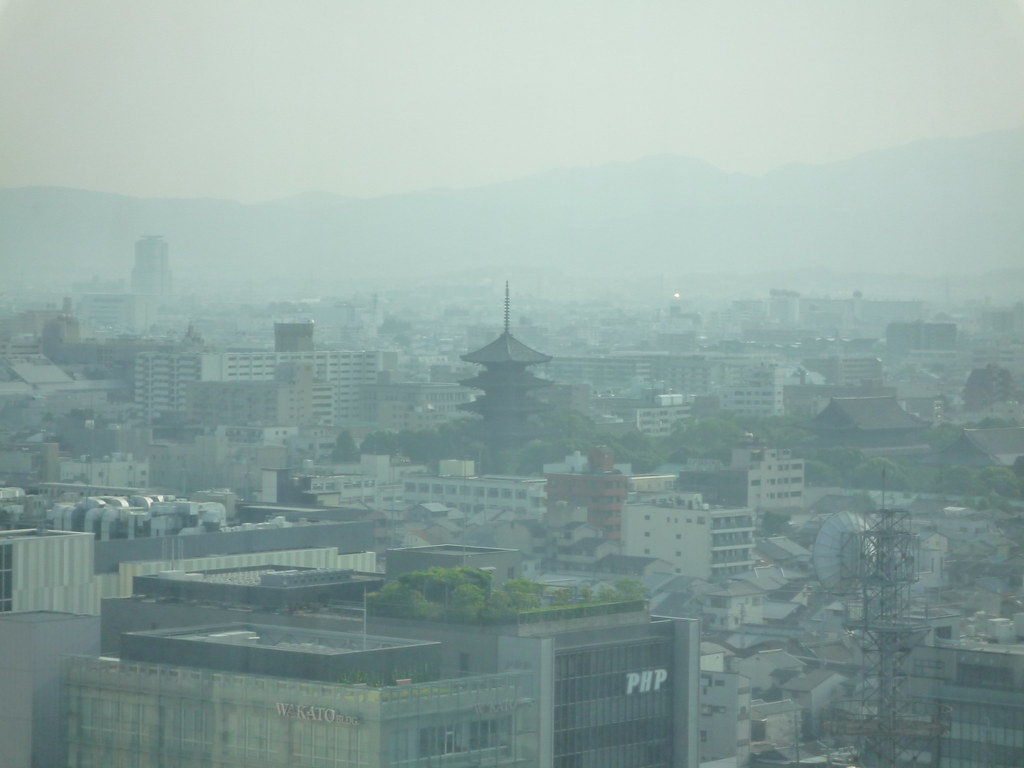

I reserved a spot for dinner at a restaurant serving Kyoto beef, which is raised and served in the same style as the more famous Kobe beef. For $60 I was served slivers of marbled loin and marbled chuck. Serving was a very involved process: they greased a pan with a cube of fat, sprinkled on salt, briefly applied the beef, added marinade and natural juices, flipped the beef, and then transferred it to my plate. There was also rice and vegetables. Desert was pineapple, melon, and grapes. The beef was melt in your mouth delicious. It didn't ruin beef for me, and may not even (quite) be the best beef I've ever eaten, but it was damned good. Also, I sat at a counter along the windows, which had a fantastic view of the city.
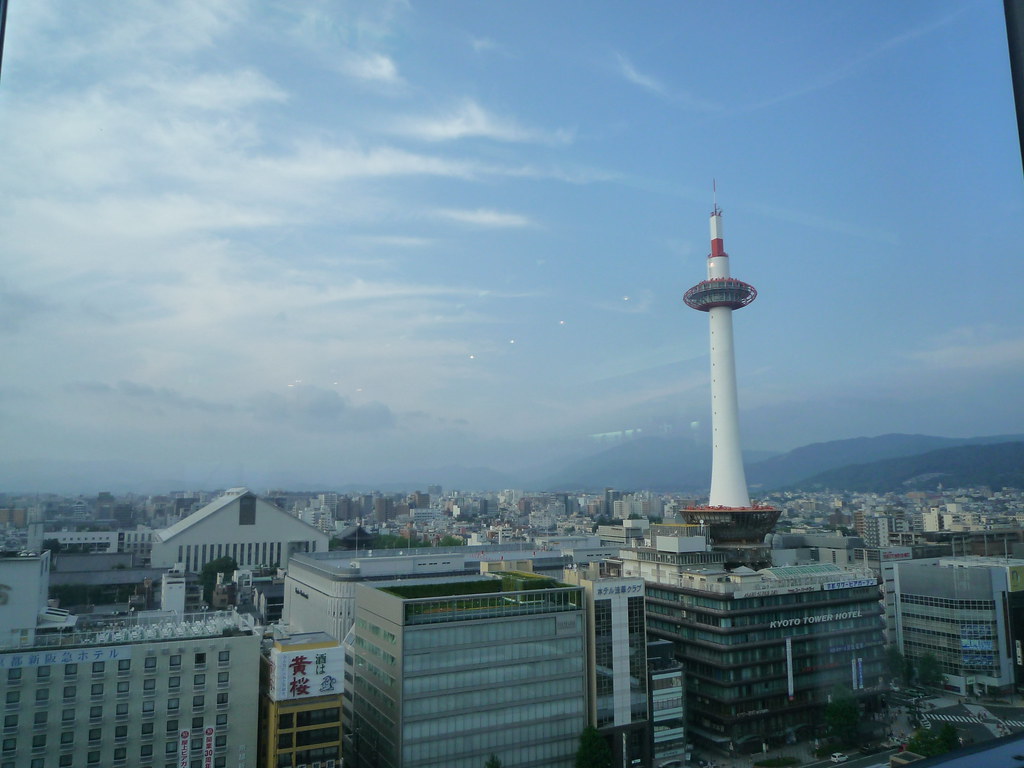

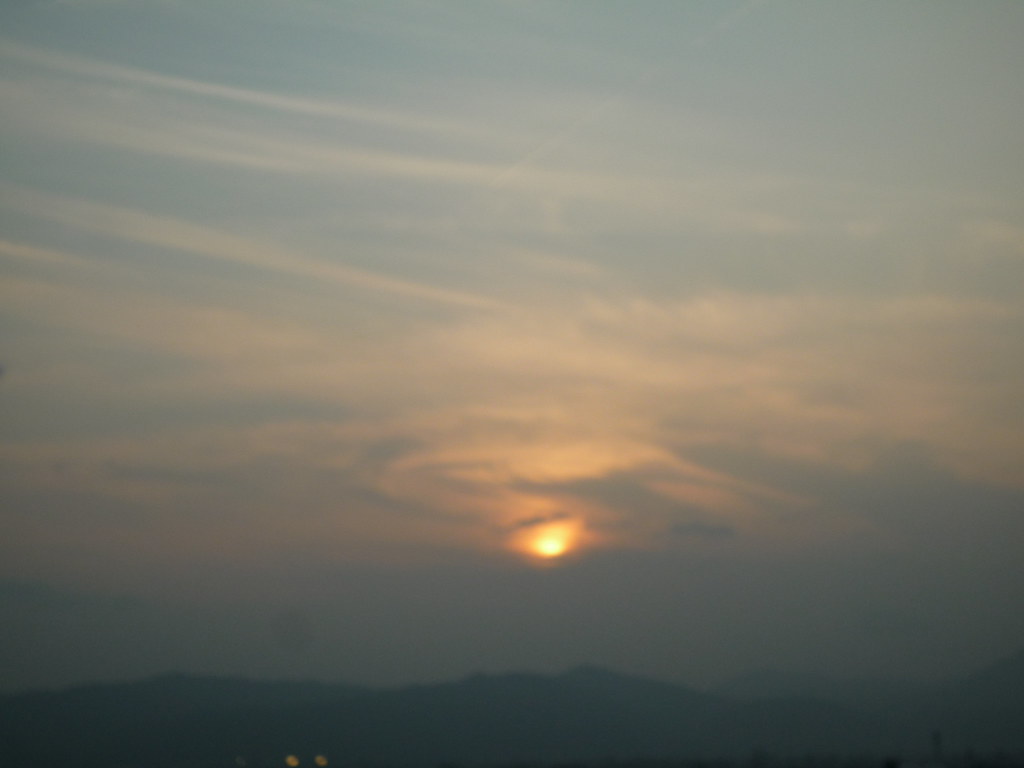
After dinner, I went up to the twelfth floor terrace to watch the sunset. 

Japan Day 5, Part 5: Kenin-ji Paintings

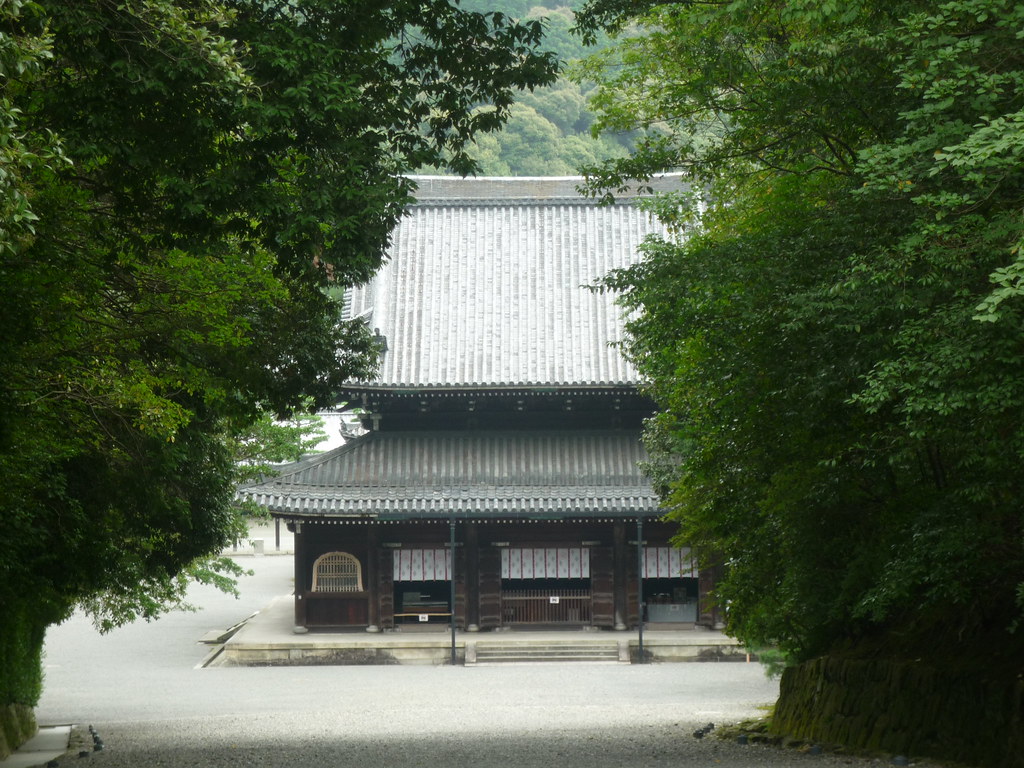
Kenin-ji is the oldest Zen temple in Kyoto, and is an island of peace in its busy surroundings. 

The temple wasn't particularly large, and the buildings were crowded by their neighbors, but the art inside was fantastic.


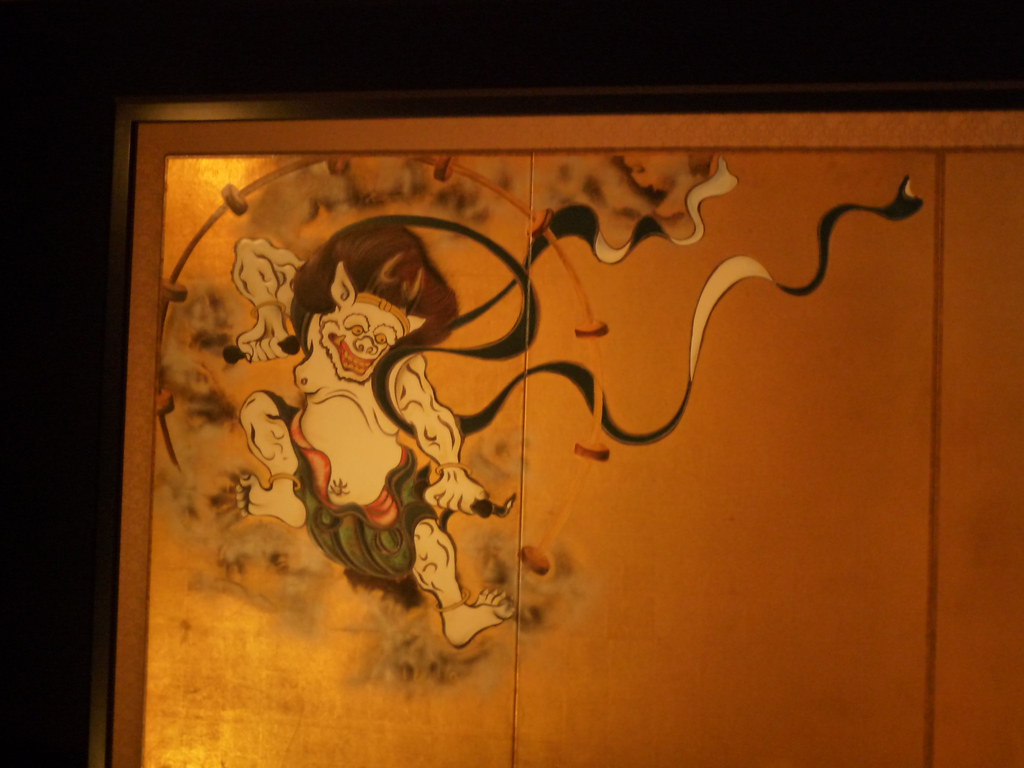
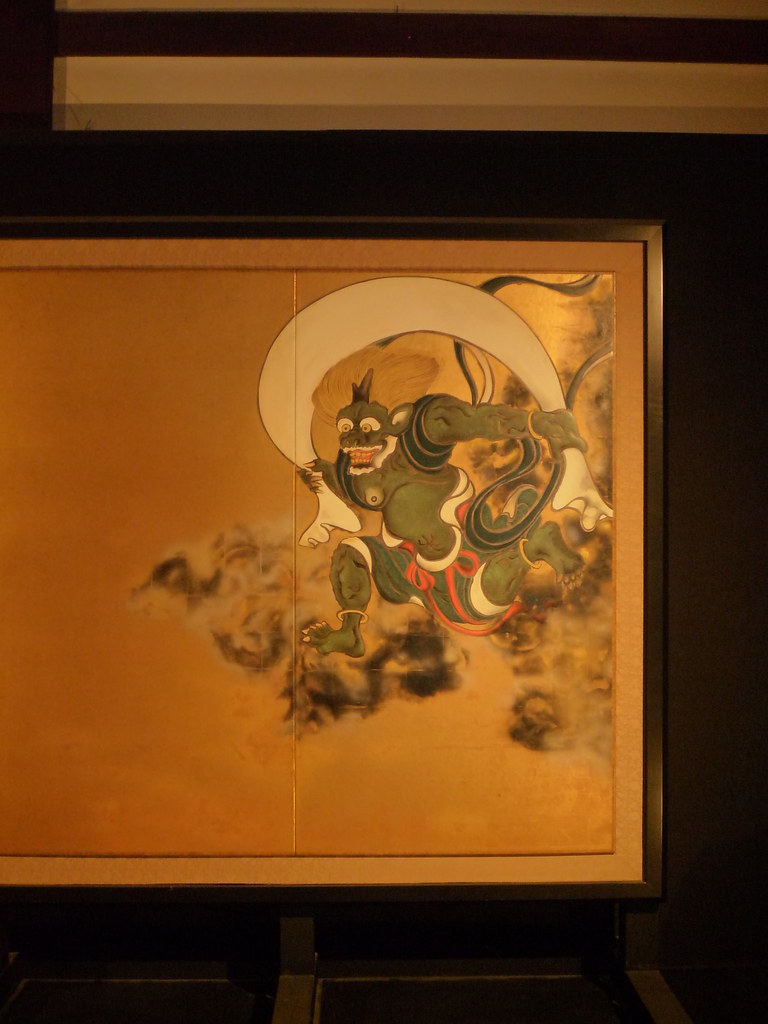
There were three copies of a painting of the gods of Wind and Thunder. I have no idea which was the original, but the monstrous gods were interesting.


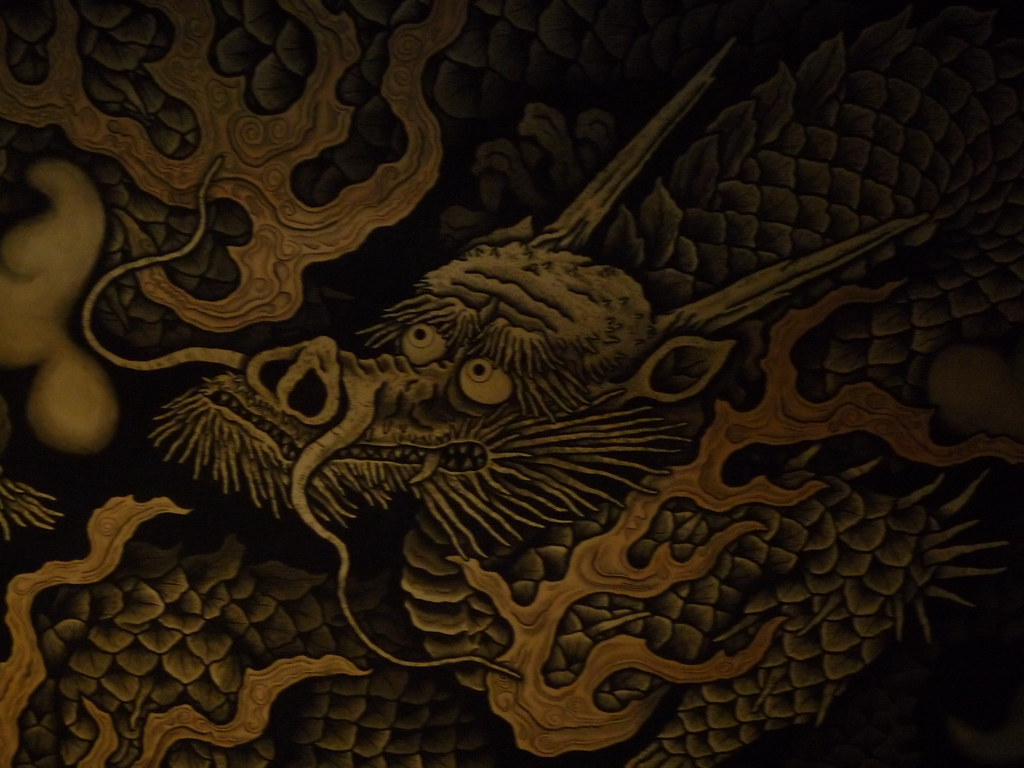
The painting of dragons on the ceiling was definitely new, but it was a based on old wall paintings.


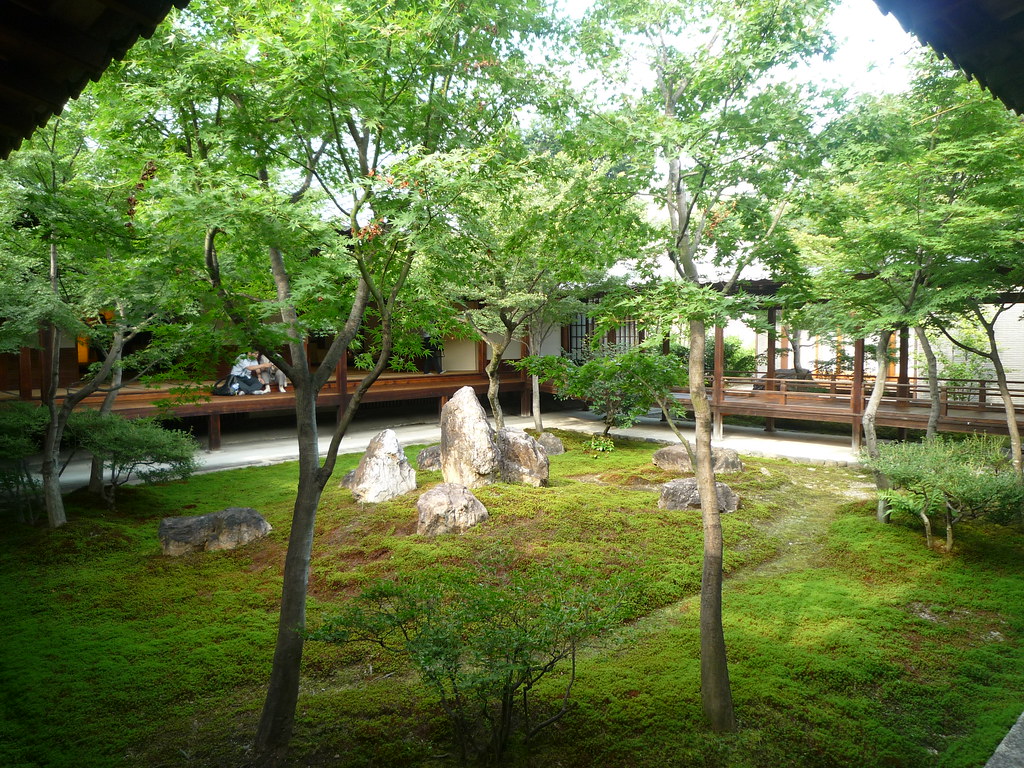
I was hardly the only person enjoying the shady view of the courtyard garden on that hot day. I stopped a while to hydrate and to enjoy the view.


Wednesday, July 16, 2014

Japan Day 5, Part 4: Nijo-jo Castle

On my fifth day in Kyoto I managed to make it back to the part of town near my hostel and the train station in time to go on a tour of the castle, Nijo-jo. 

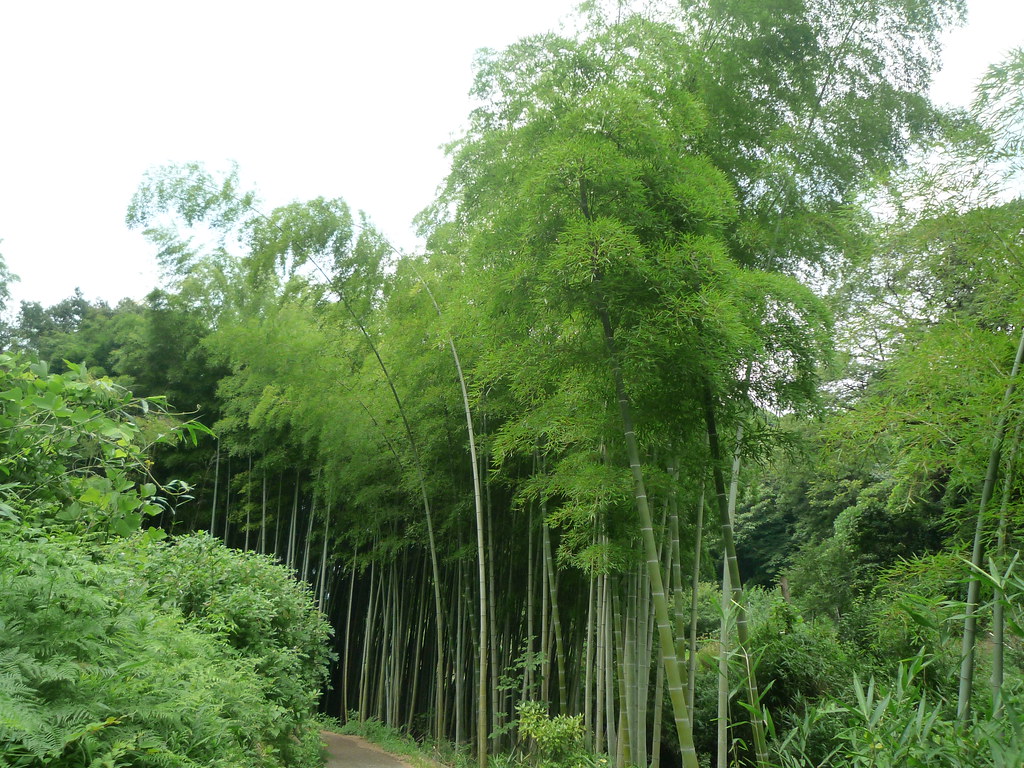
It was surprisingly green inside the gates. There was a bamboo grove...


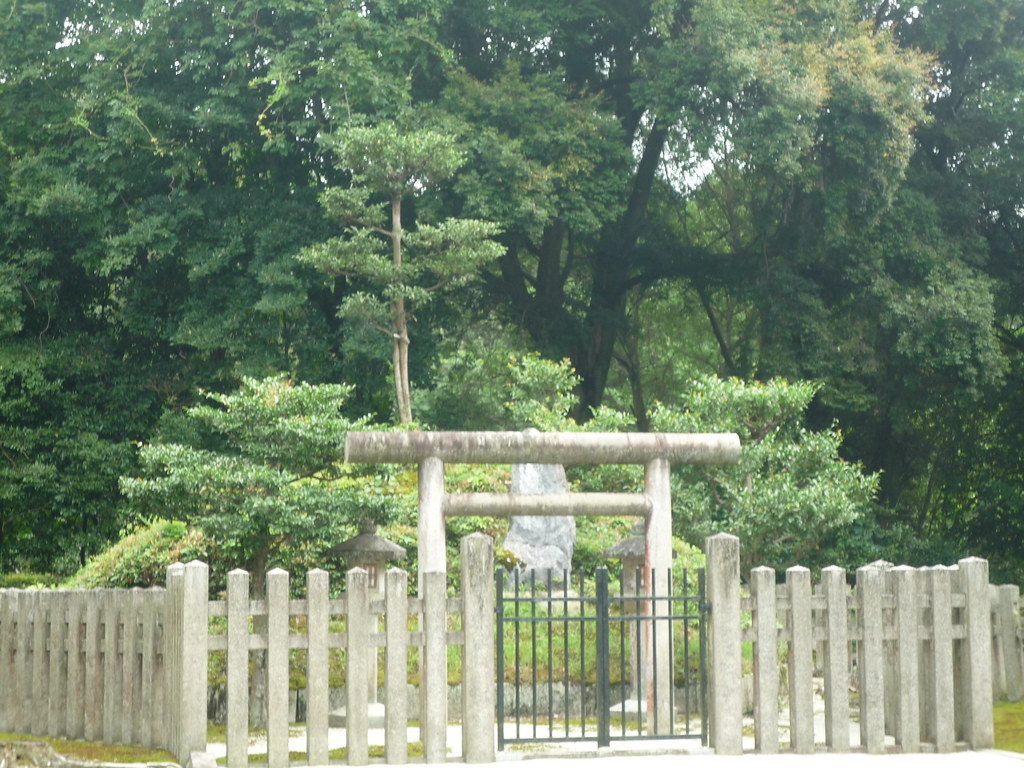
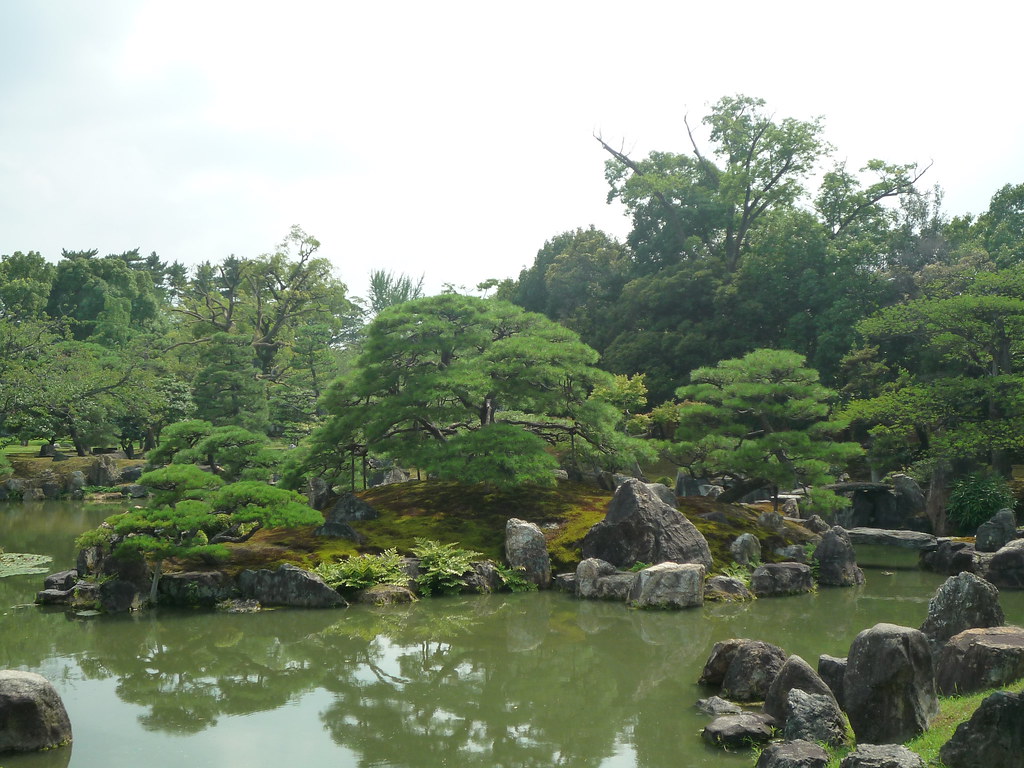
...shrines and graves surrounded by trees and shrubs, and gardens fit for a temple. 


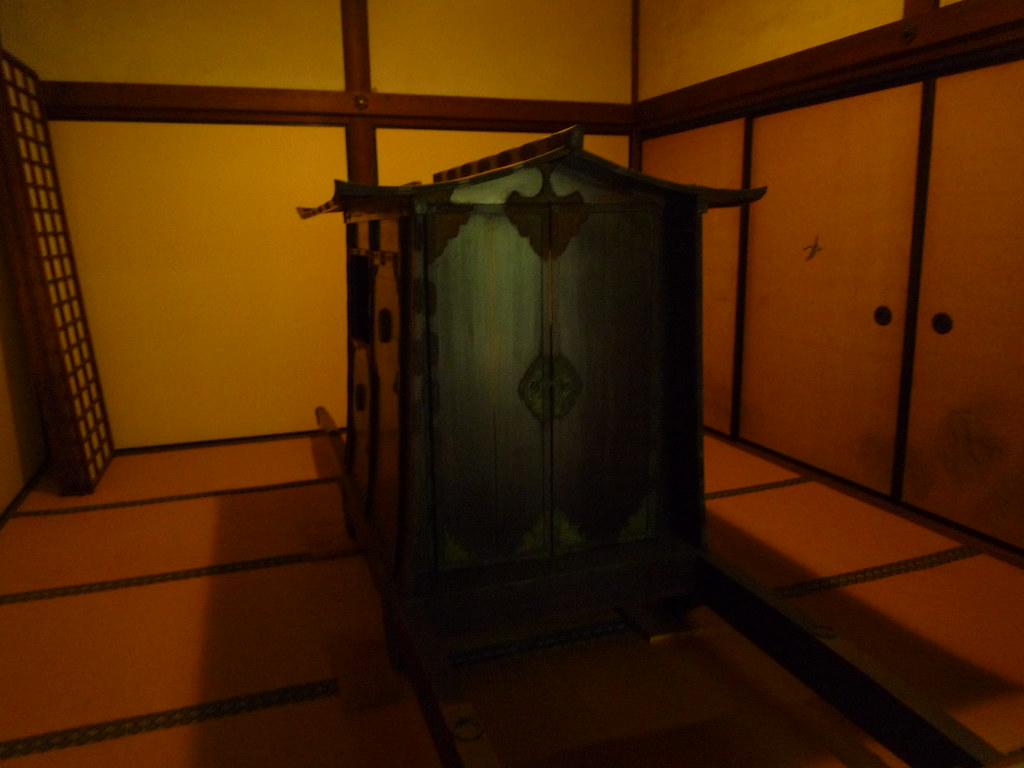
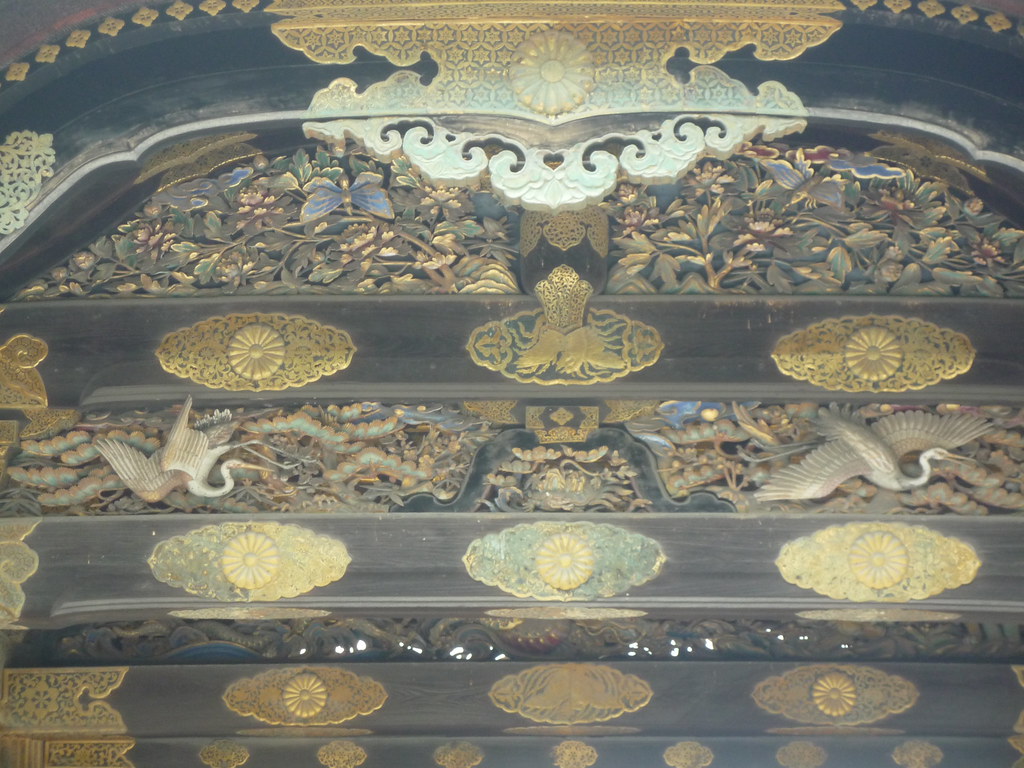
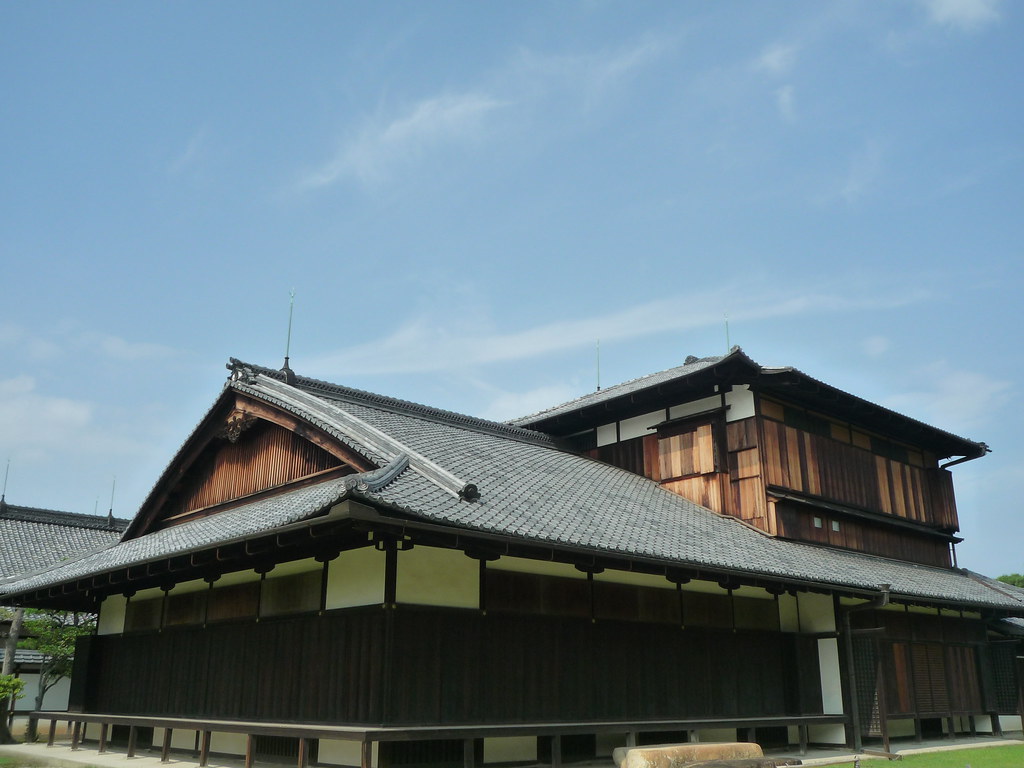
The buildings inside the walls looked like temples as well. More effort was placed on ornamentation than defense.


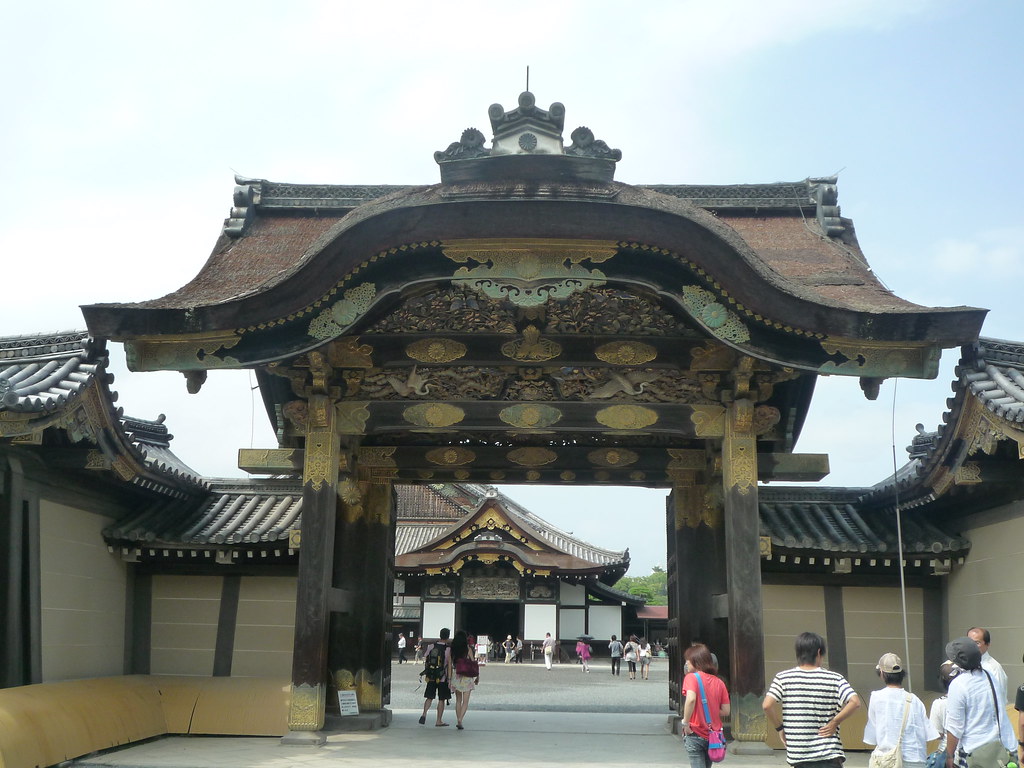
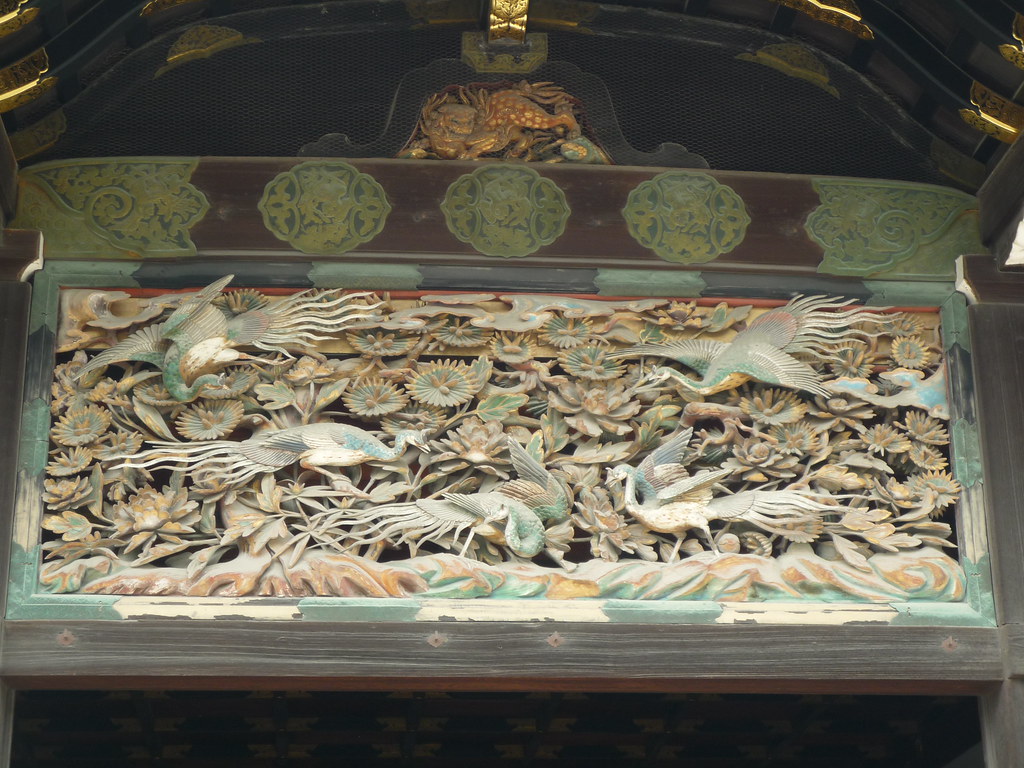
The inner wall's gate was almost gaudily ornate.


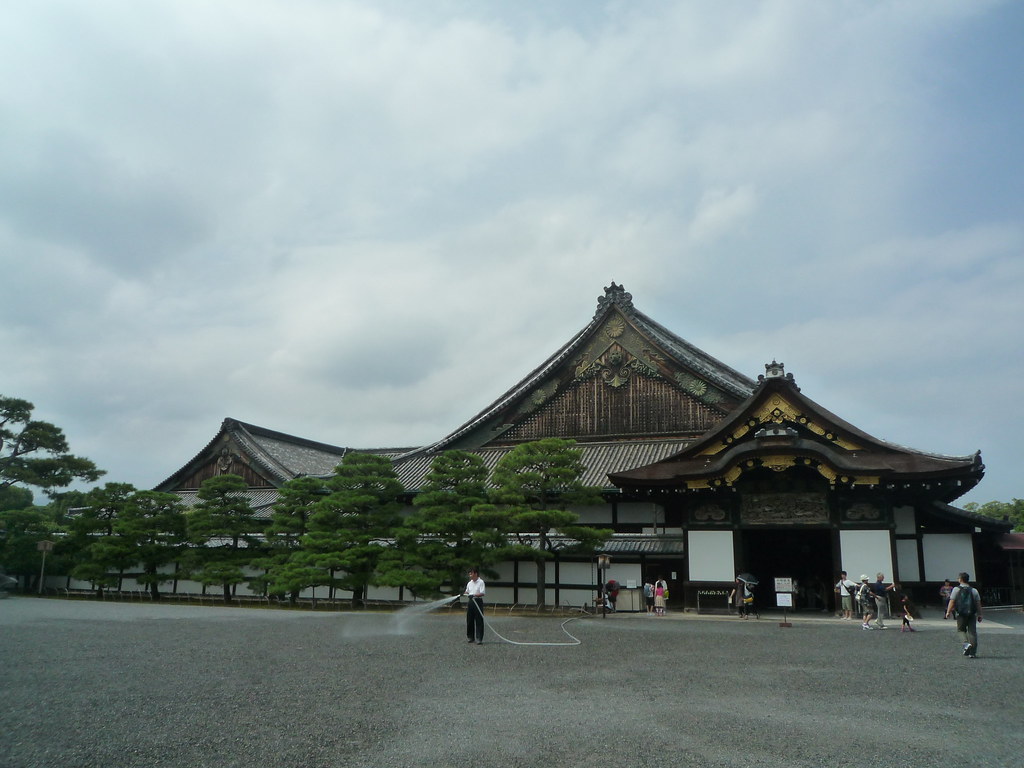
I liked the old wooden buildings in the center of the courtyard.


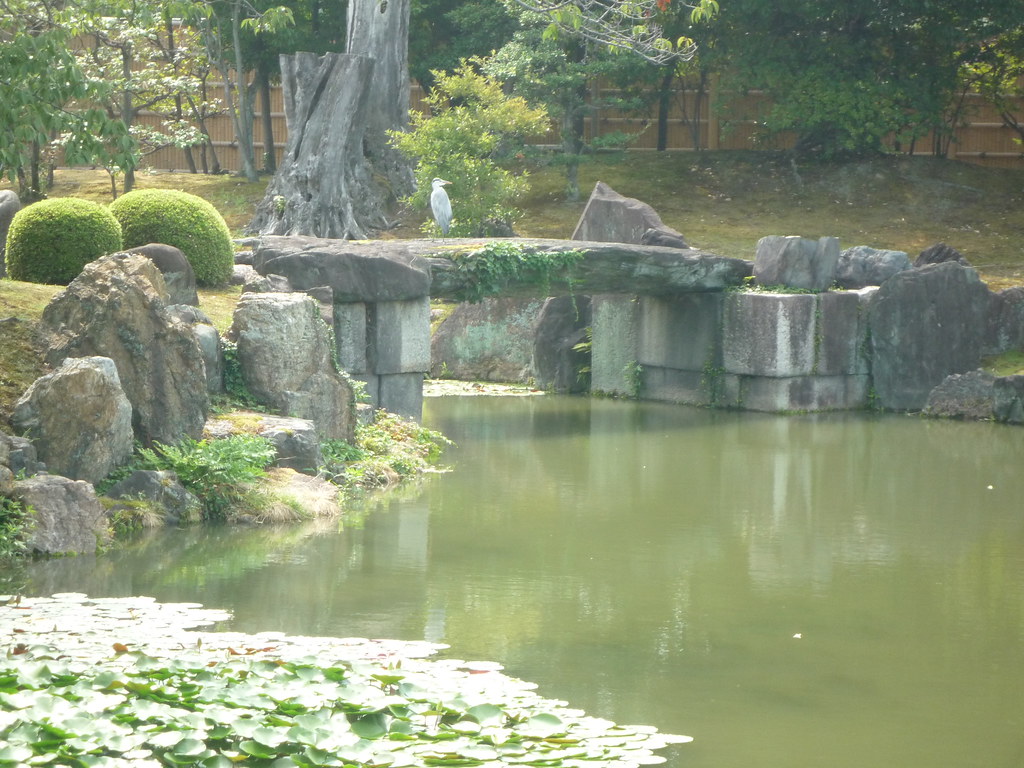
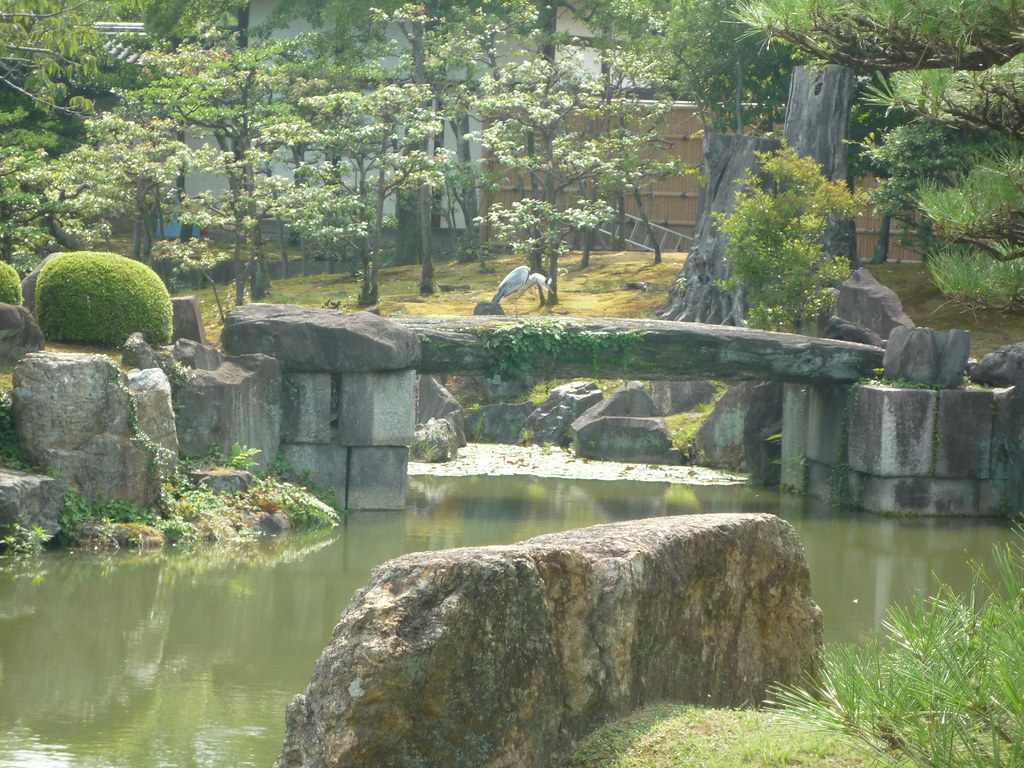
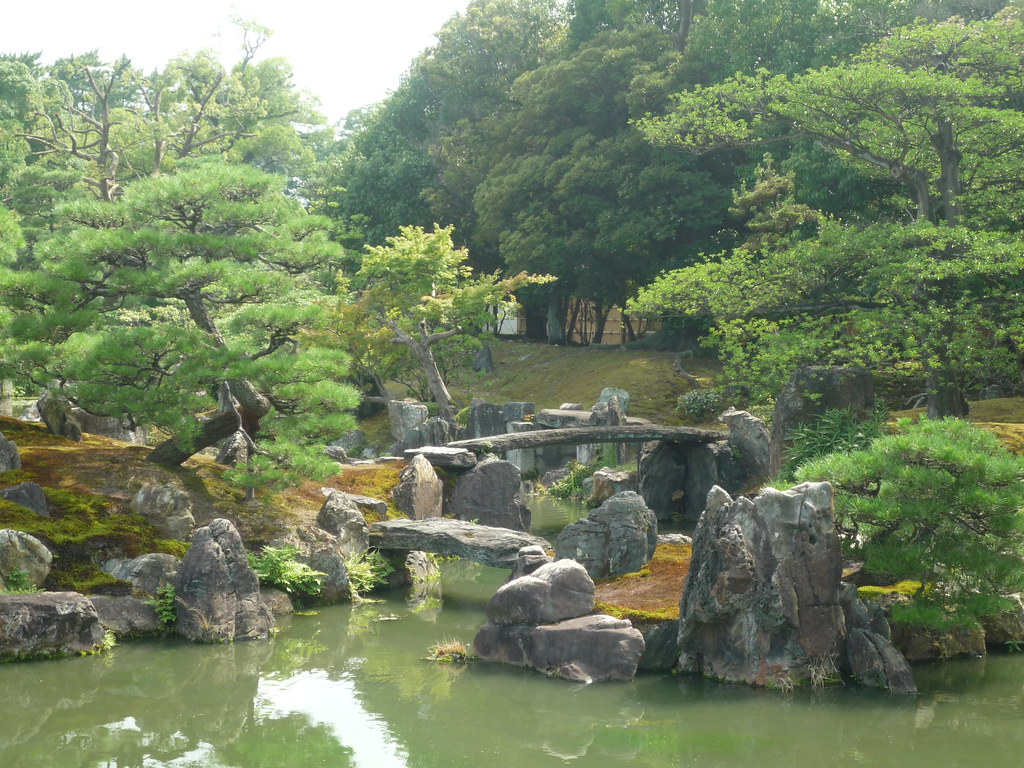
The gardens were beautiful. I saw a heron on a stone slab bridge. 


In case you couldn't tell by all the pictures I took of them, I really liked those stone slab bridges.


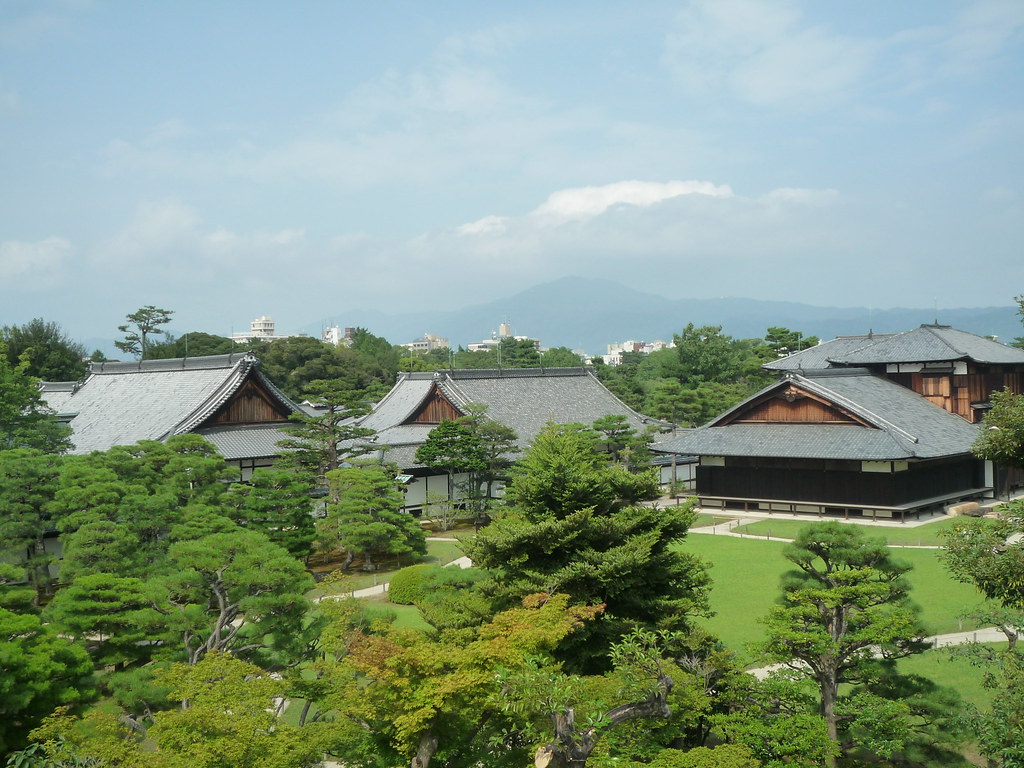
There was one place where the outer walls were accessible, and there was a nice view of the inner buildings from their heights.


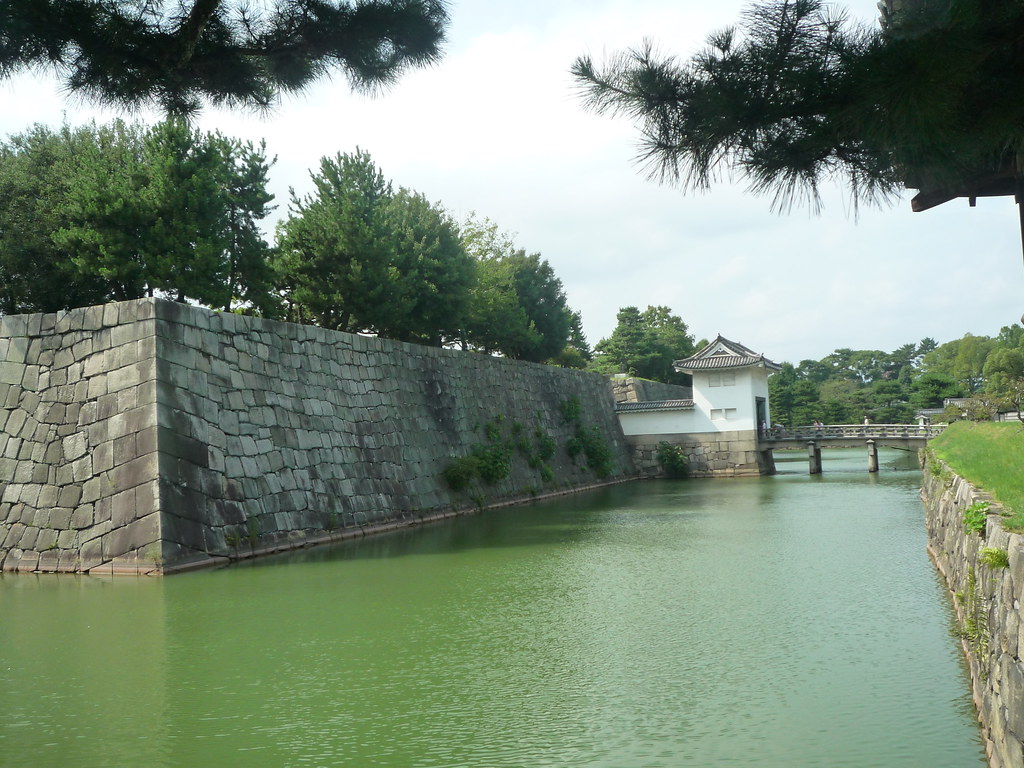
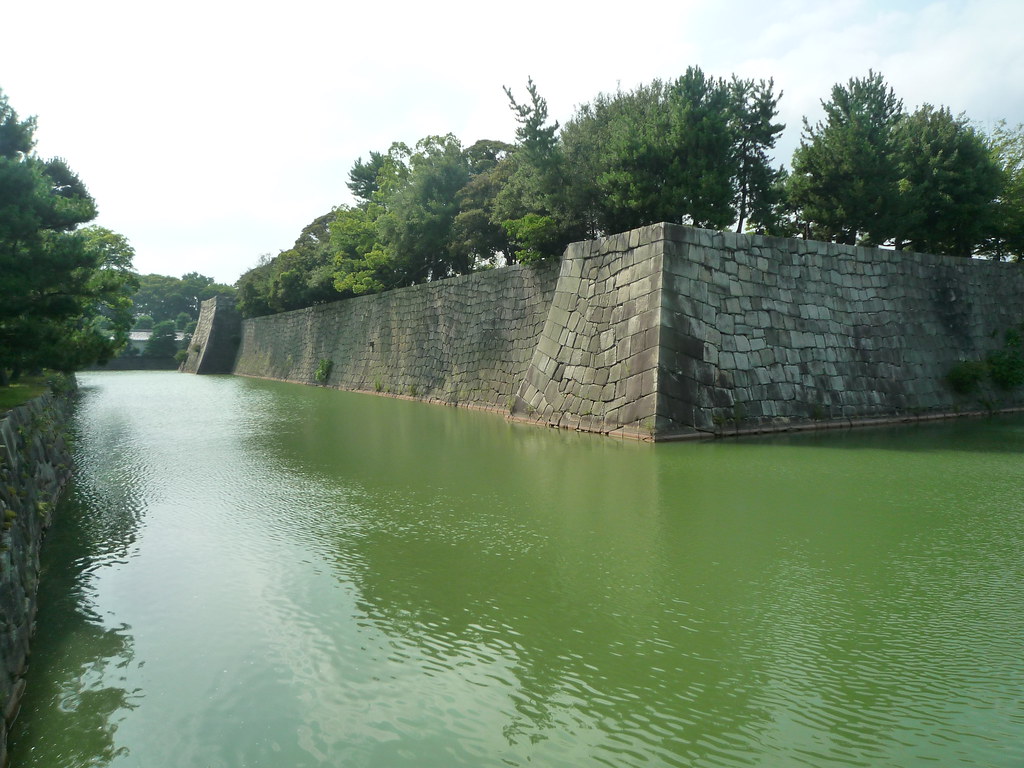
It was really only when exiting the castle that it looked like a fortress. The moat and walls certainly looked like they would strongly discourage taking the place by force.


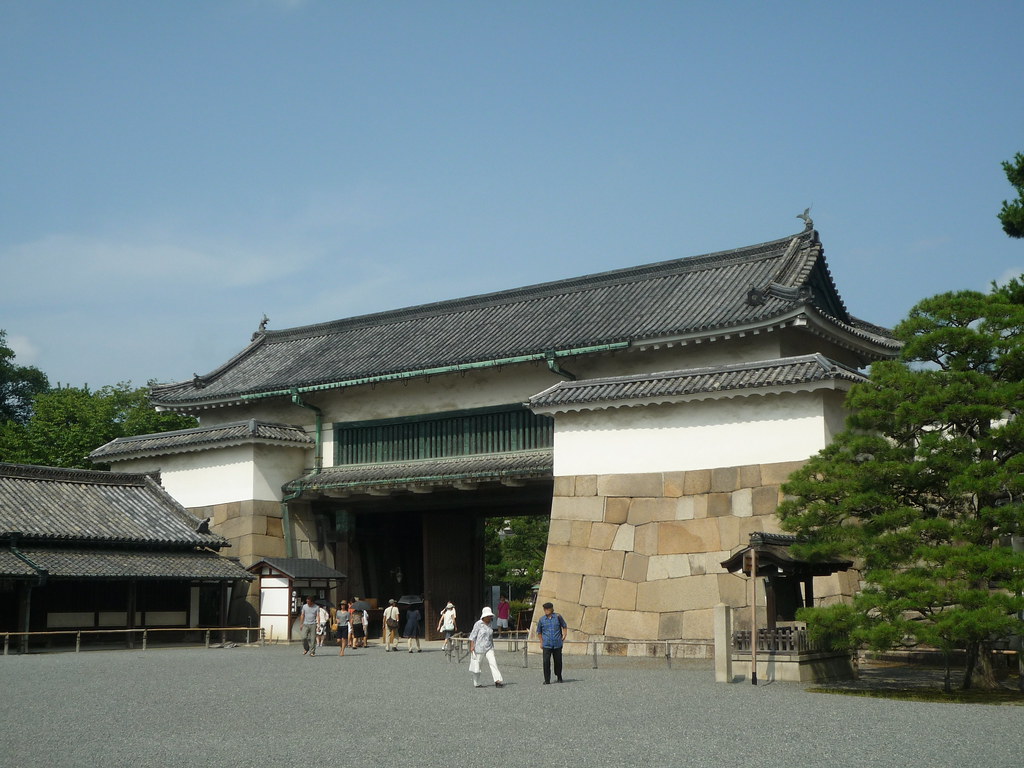
The outer gate was a lot more concerned with being sturdy than the inner one, though even it had  a touch of elegance. 


I was not surprised to learn that the inner buildings had burned down twice, though I would not have predicted that neither case was from war. Once was from lightning and once was from a city-wide fire. Japanese castles are definitely more stylish than European ones, but I know which I'd prefer to be in if attacked by enemies with siege engines and fire arrows. 

Tuesday, July 15, 2014

Japan Day 5, Part 3: Fushimi-Inari, Mountain of Orange Gates

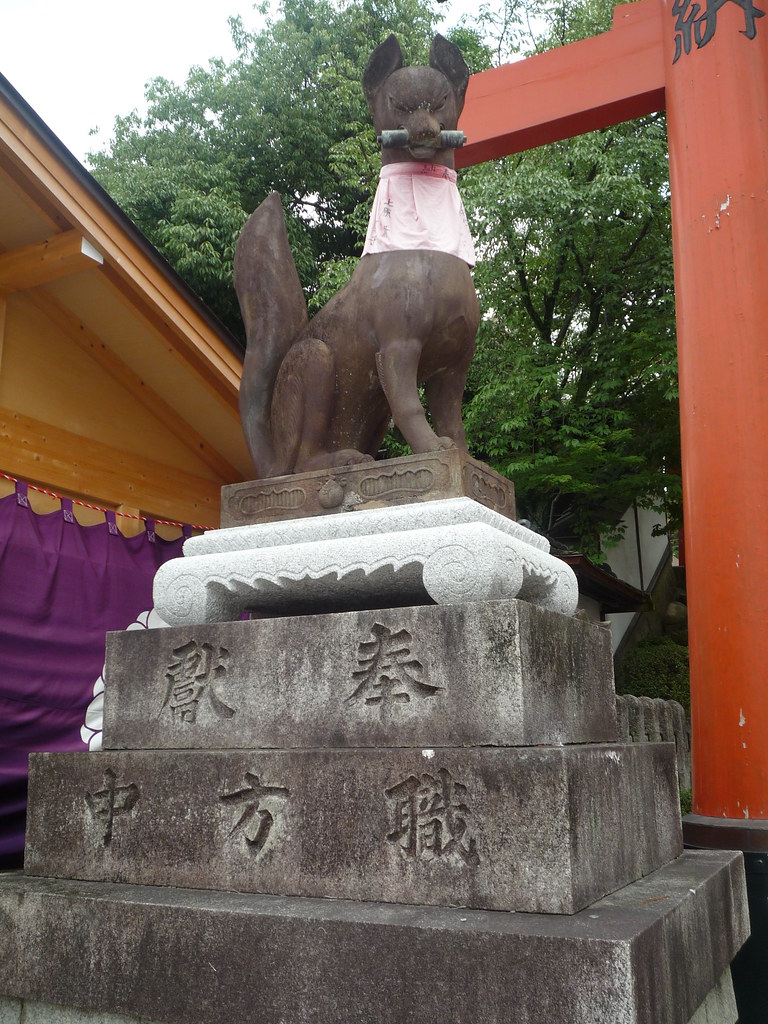
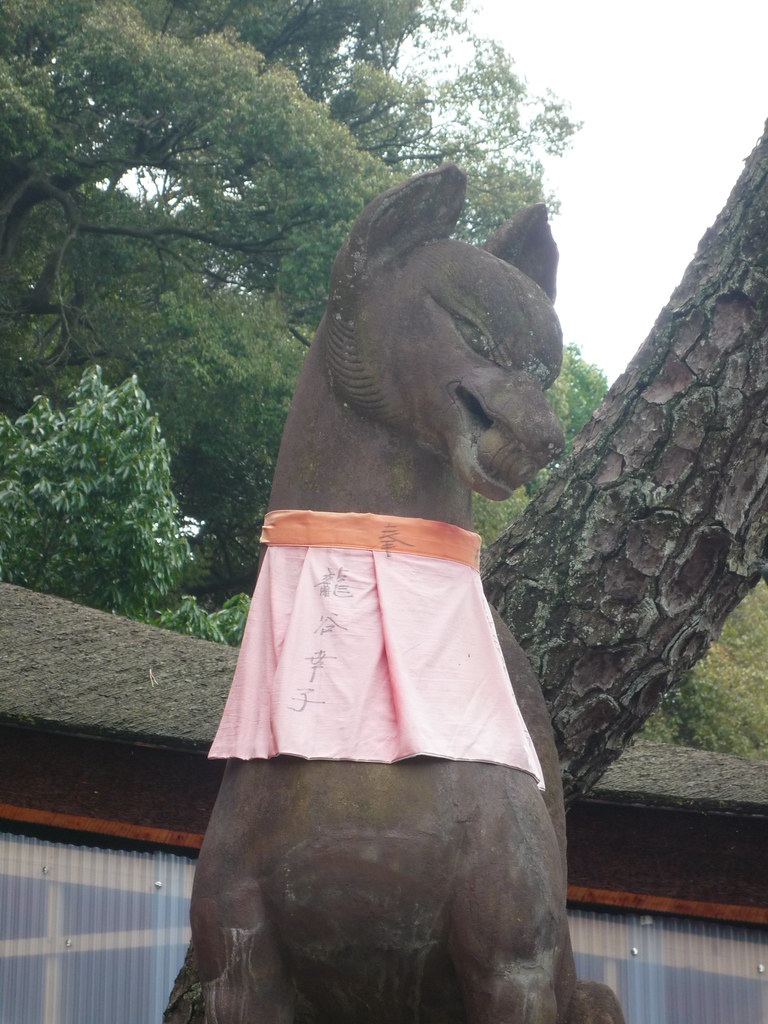
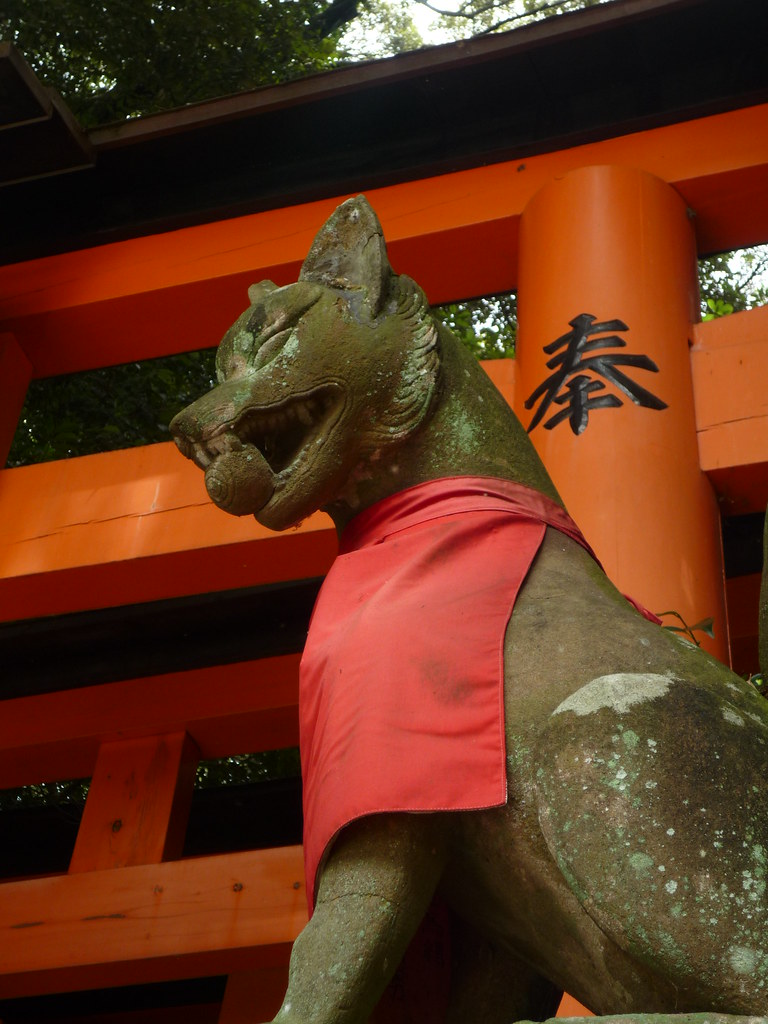
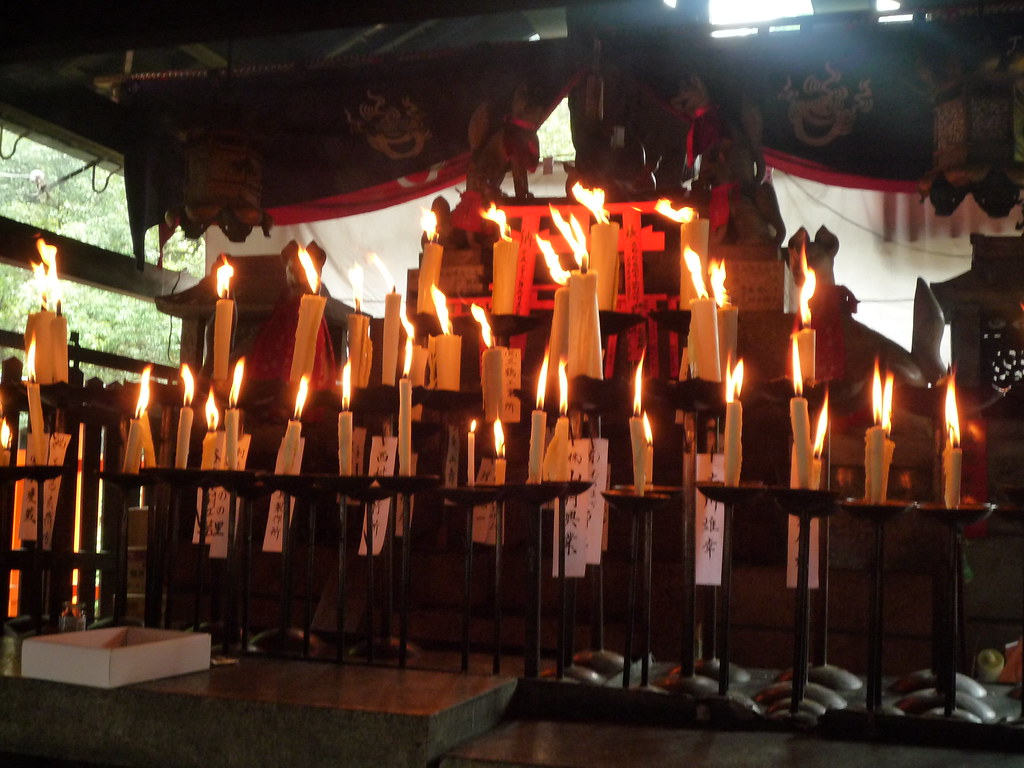
The shrine complex of Fushimi-Inari was once dedicated to the gods of rice and sake, which is why the fox statue at its base holds the key to a granary in its mouth.


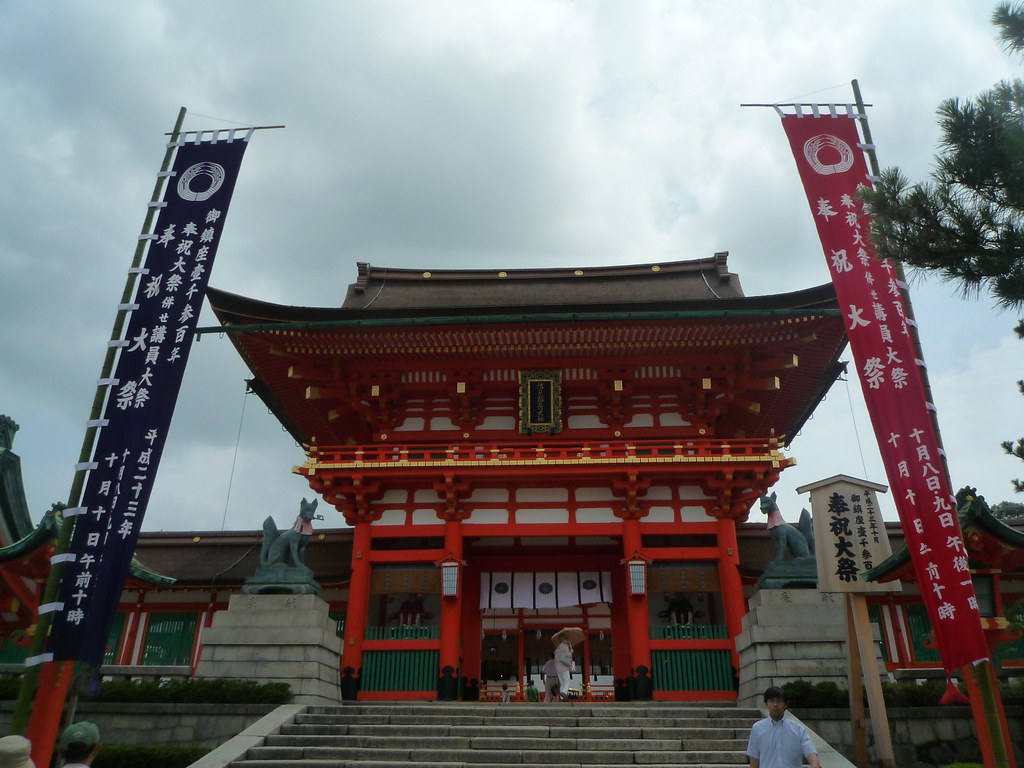
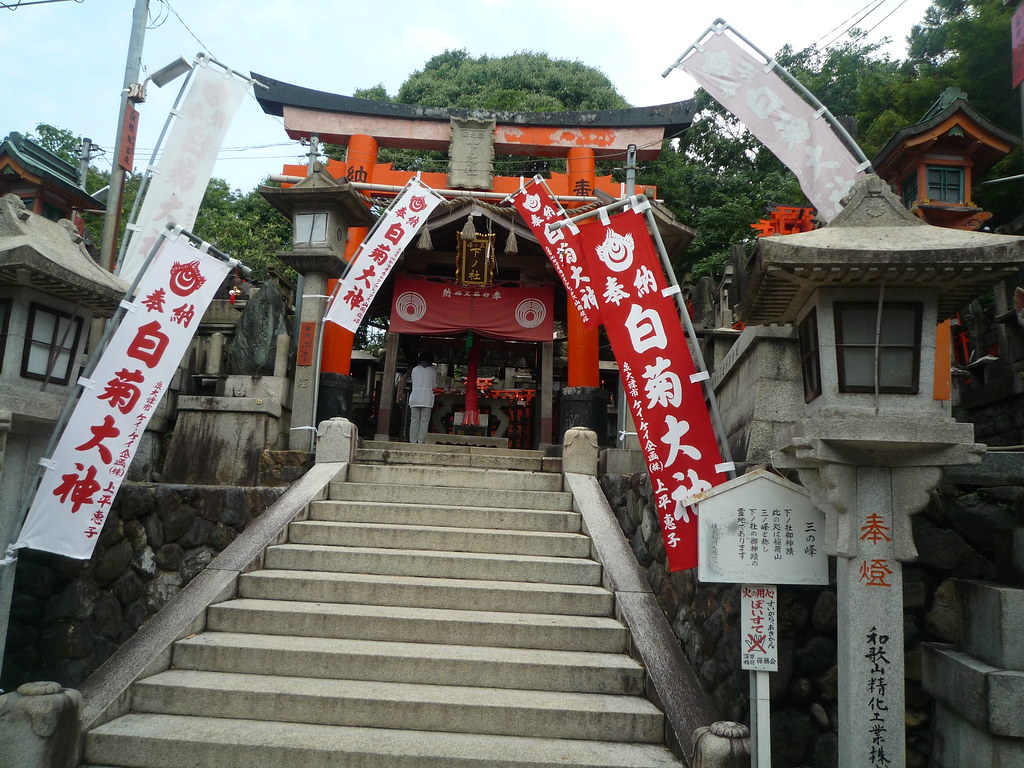
The shrine at the bottom of the small mountain of Inari is the largest of series of shrines, and the fox imagery was interesting.


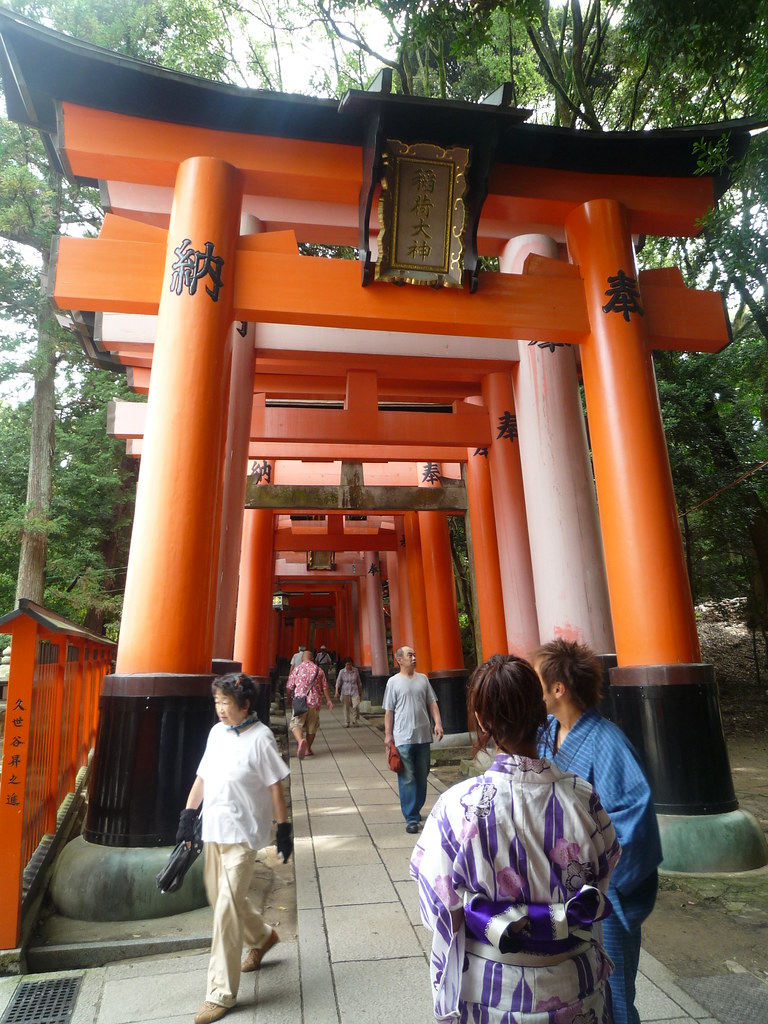
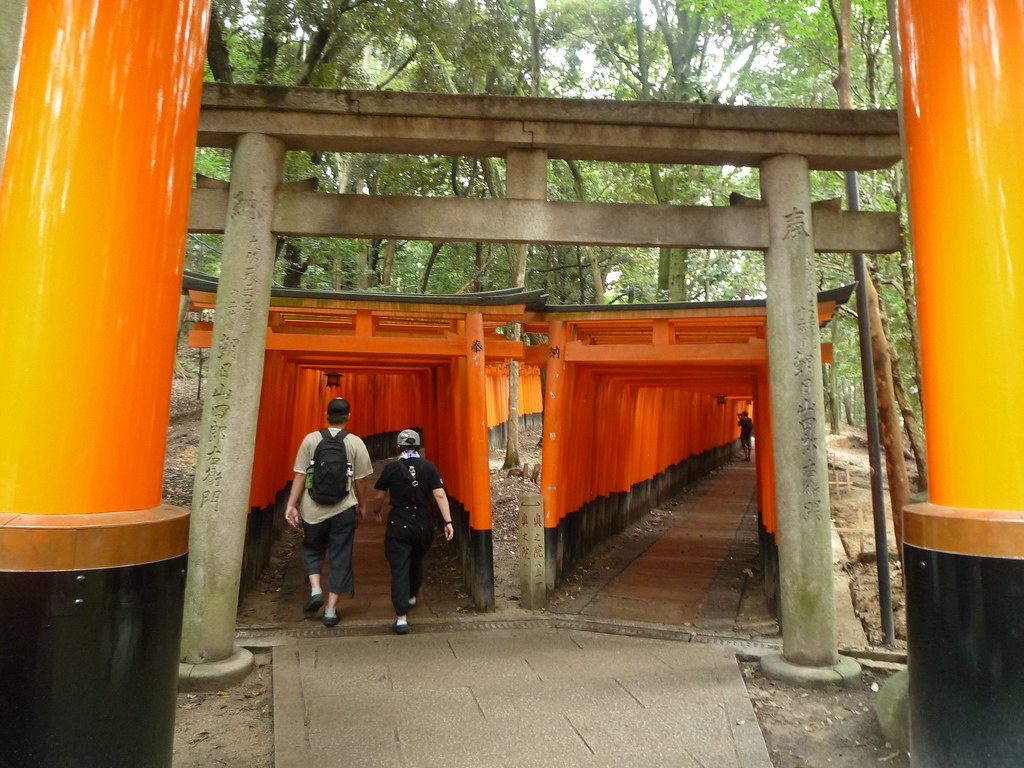
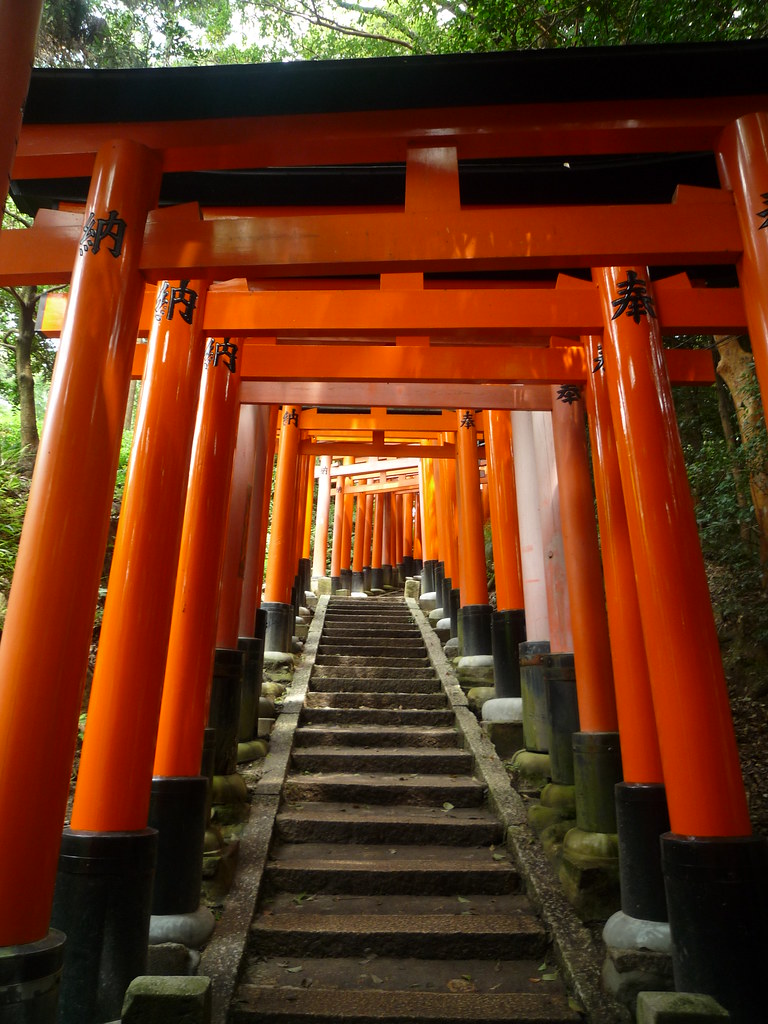
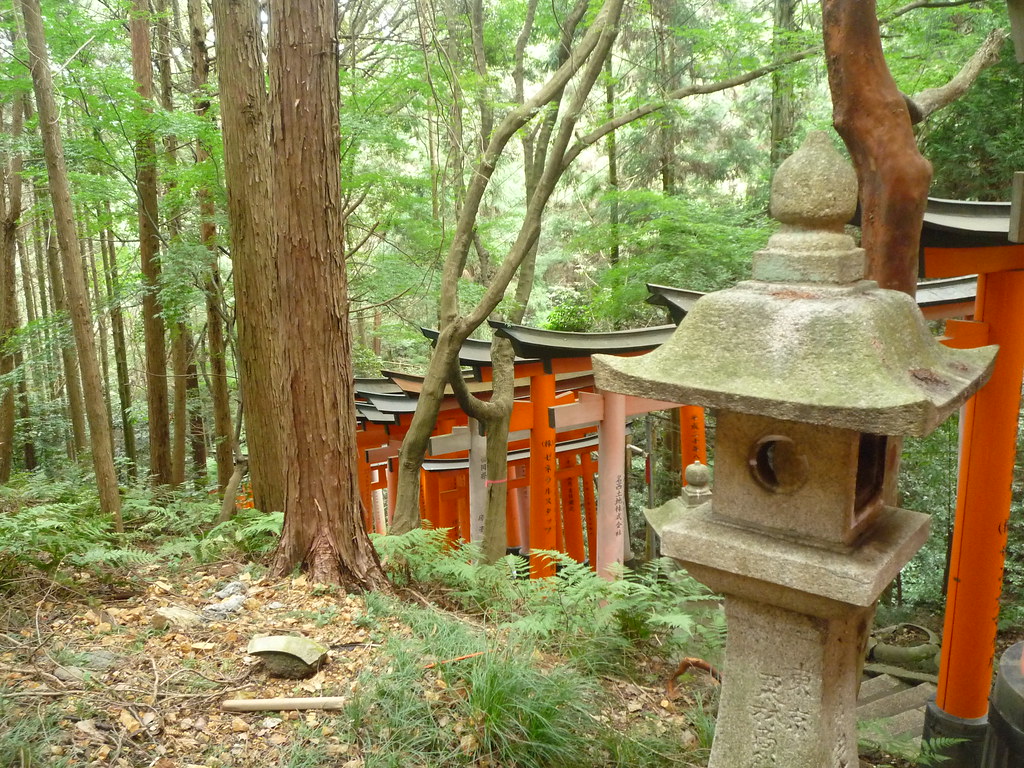
However, the most striking feature of the hillside is the enormous number of orange gates that line the paths between the shrines.


Two paths diverged in an orange wood, and I chose one at random.


More stone and metal foxes stood at various points along the paths. 


The gods of rice and sake have been altered to be gods of good business, and I suppose that in modern Japan it is unsurprising to see such shrines quite active. 


The five shrines on the mountain have a fair amount of space between them, which makes the sheer number of orange gates impressive. Some were quite old, some newly painted, but they came at fairly regular and close intervals in either case. 


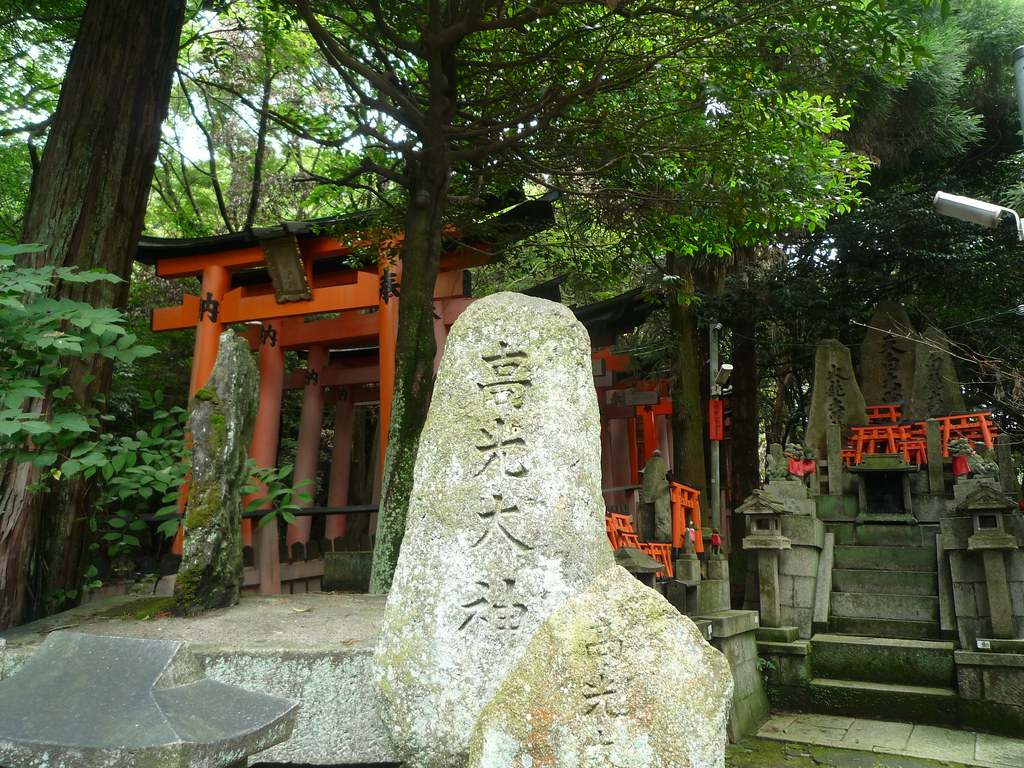
Some of the shrines also had graveyards.


I eventually found myself heading downhill along the loop path.


I was successful at avoiding backtracking, but my path down the mountain soon lost track of the orange gates. I found myself on a plain forested path, which eventually opened up on small farms. It was interesting to see the far less tourist covered part of the mountain, though part of me wished I had simply taken the short route down. Once at the bottom, I had to find a way through narrow crooked alleys that often dead ended in the hillside as I circled back to where I'd left my bicycle. 

Monday, July 14, 2014

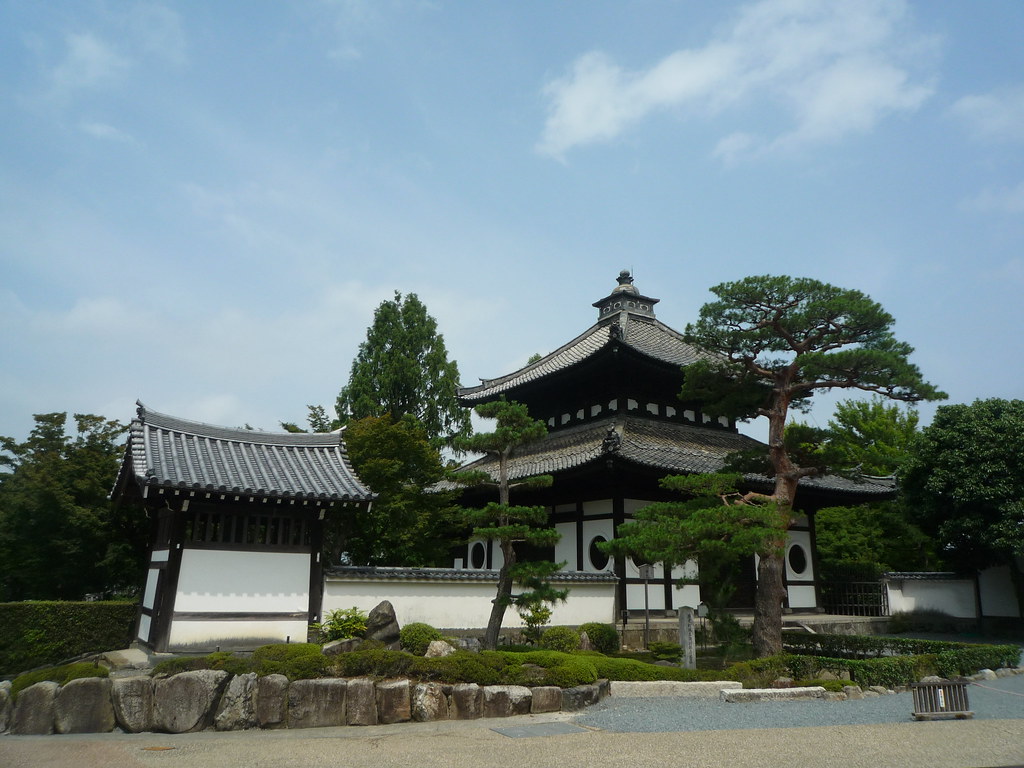
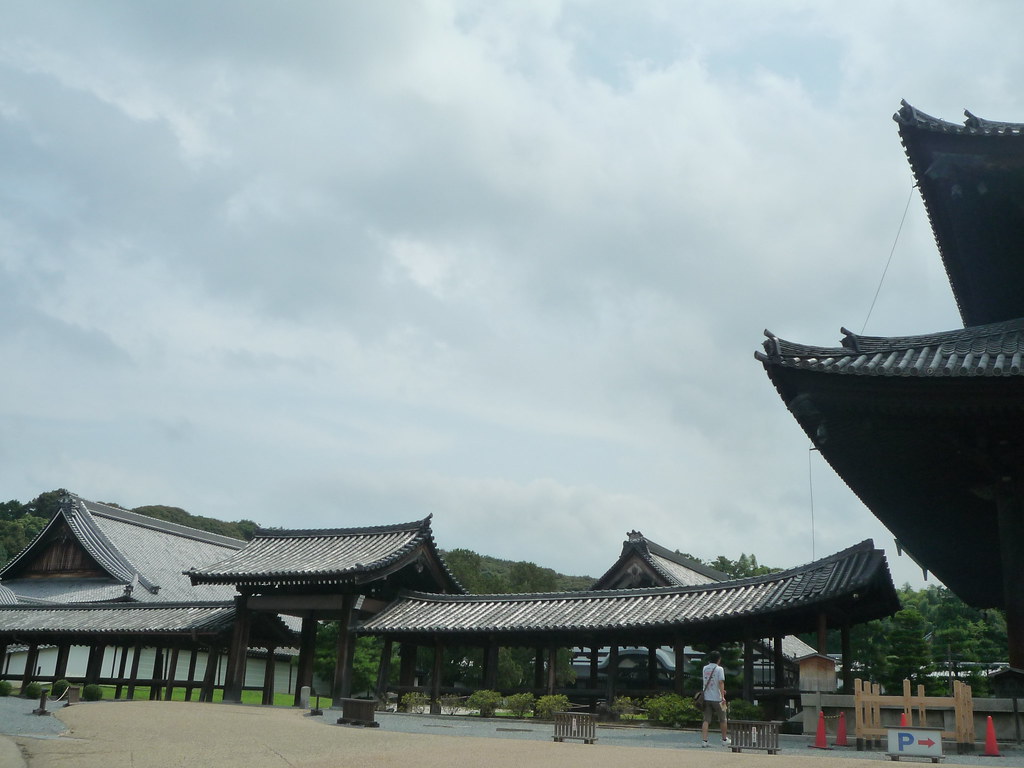
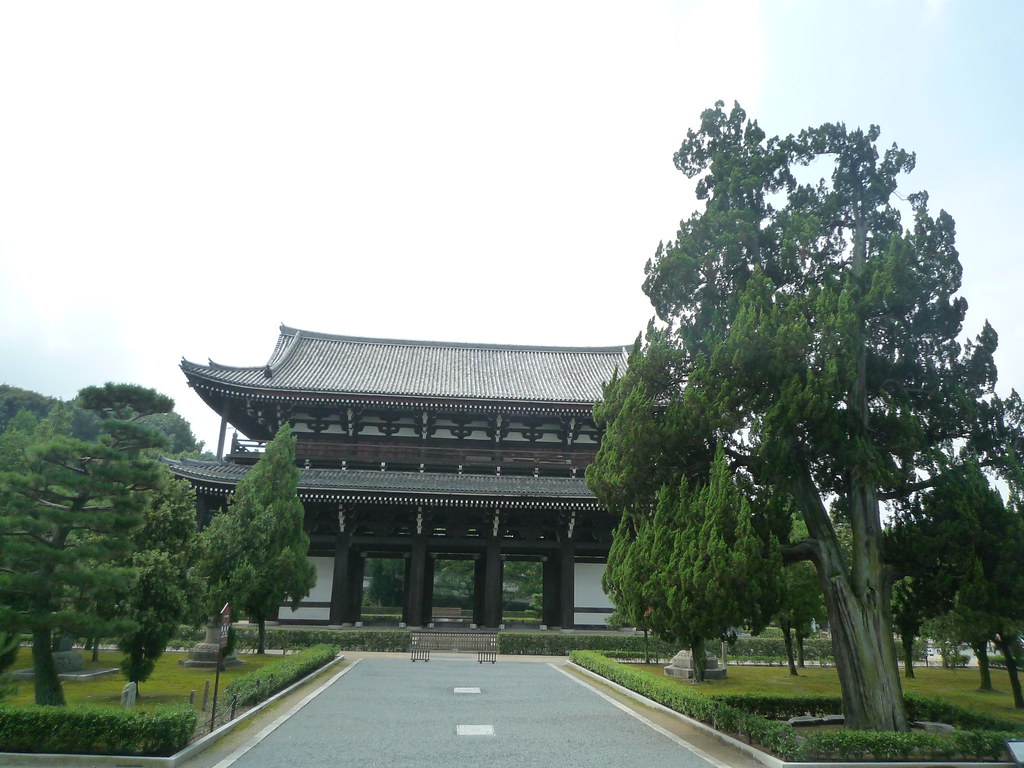
Japan Day 5, Part 2: Tofuku-ji pillars and covered bridge

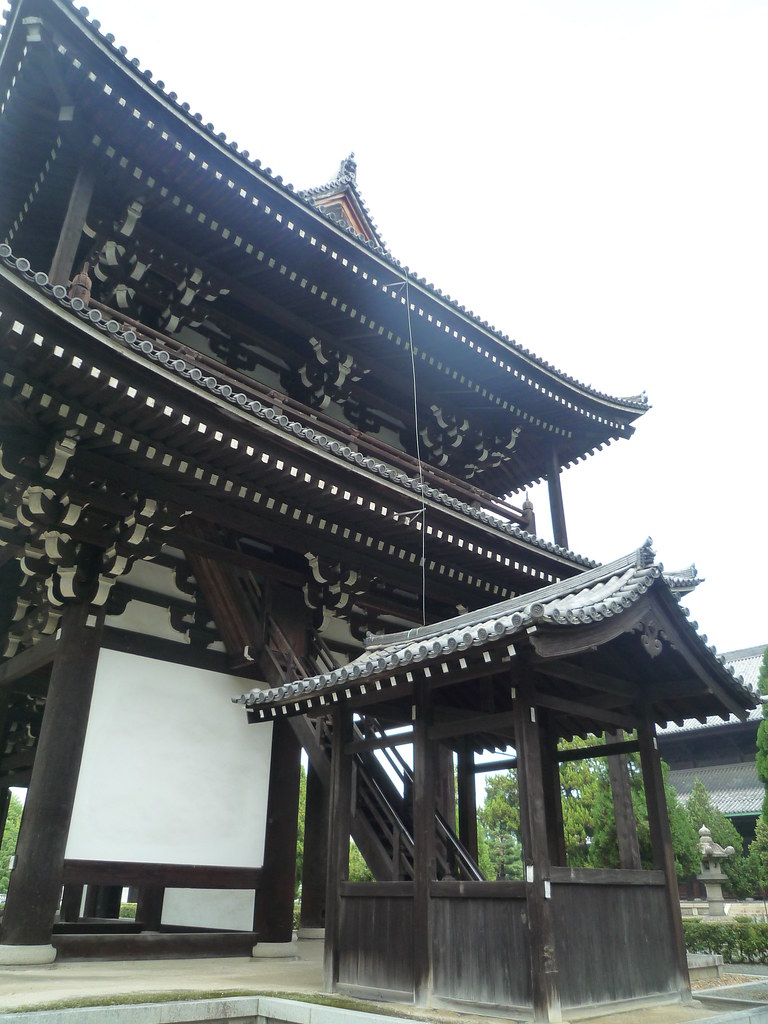
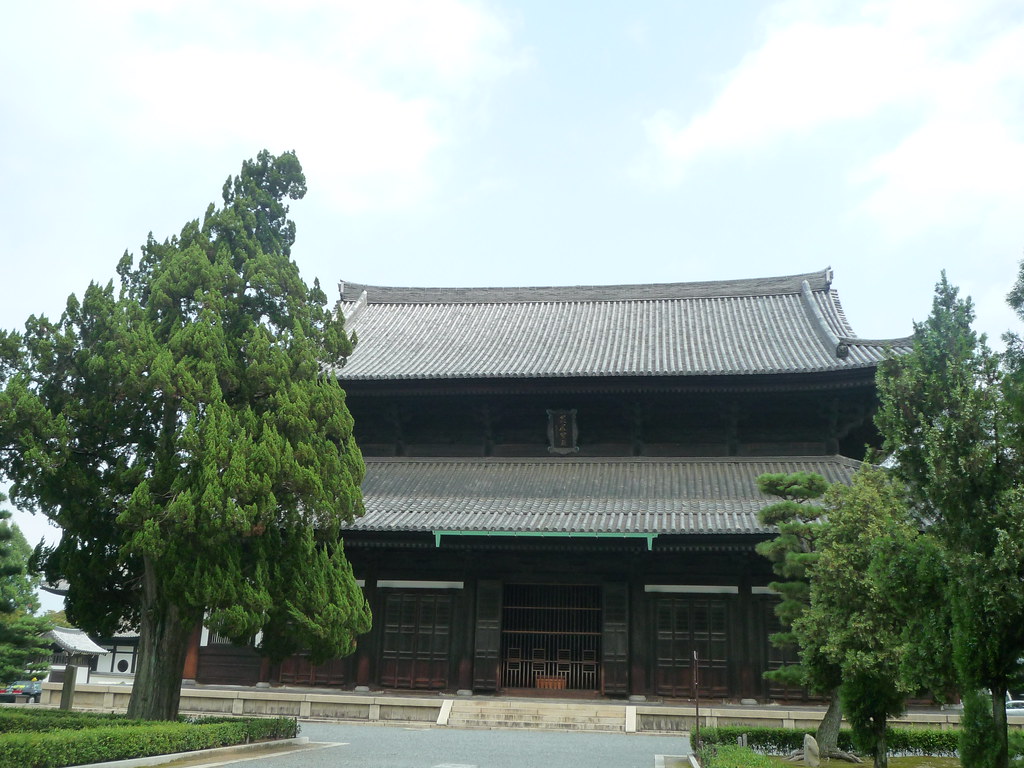
Up a quiet hill sat the large temple of Tofuku-ji. I admired the architecture of a pavilion near the entry.


Beautiful covered walkways stretched between buildings. 


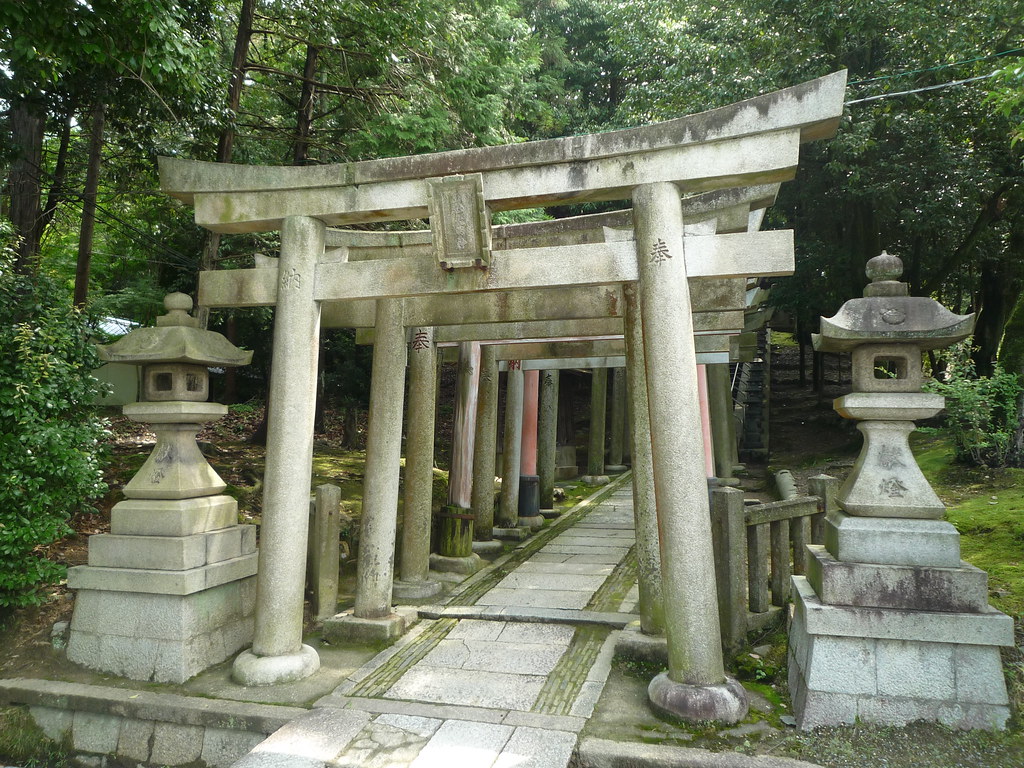
Numerous gates stood a the entrance to a short path into the woods.


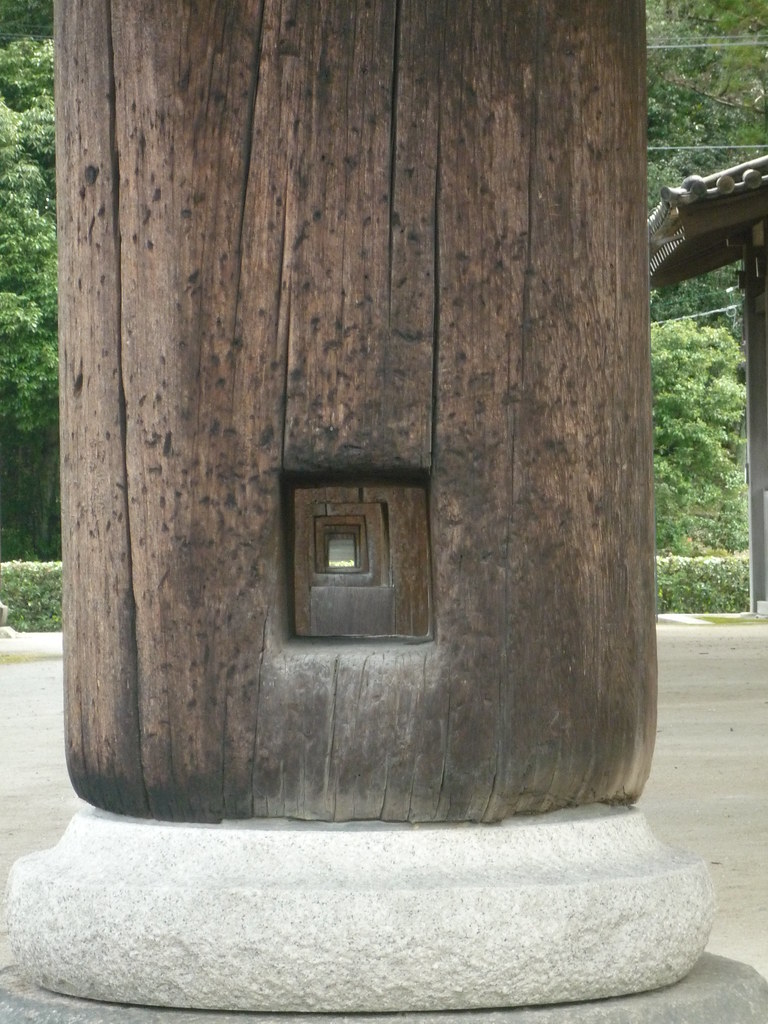
From the difference in weathering, it looks as though the holes in a building's pillars once had cross beams, but their absence makes for an interesting view.


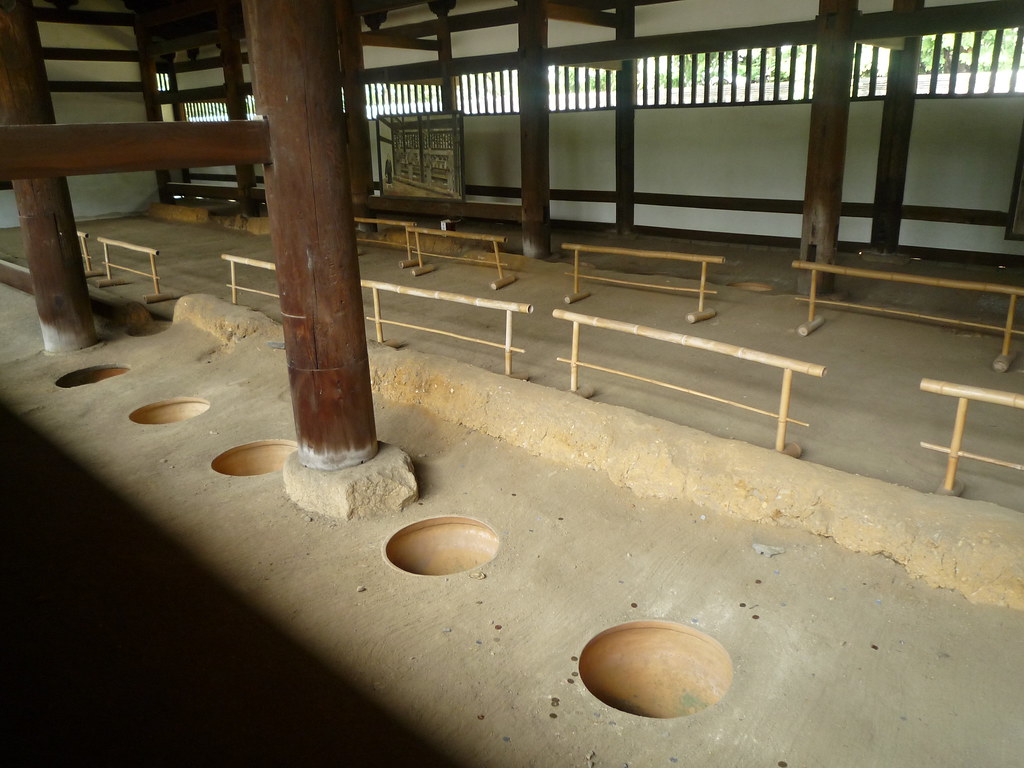
I saw very few people around the temple and often had entire sections to myself. I was sorely tempted to jump the low wooden wall and wander up into this building, but in the end I'm far too lawful to ignore posted signs saying the building was closed. 


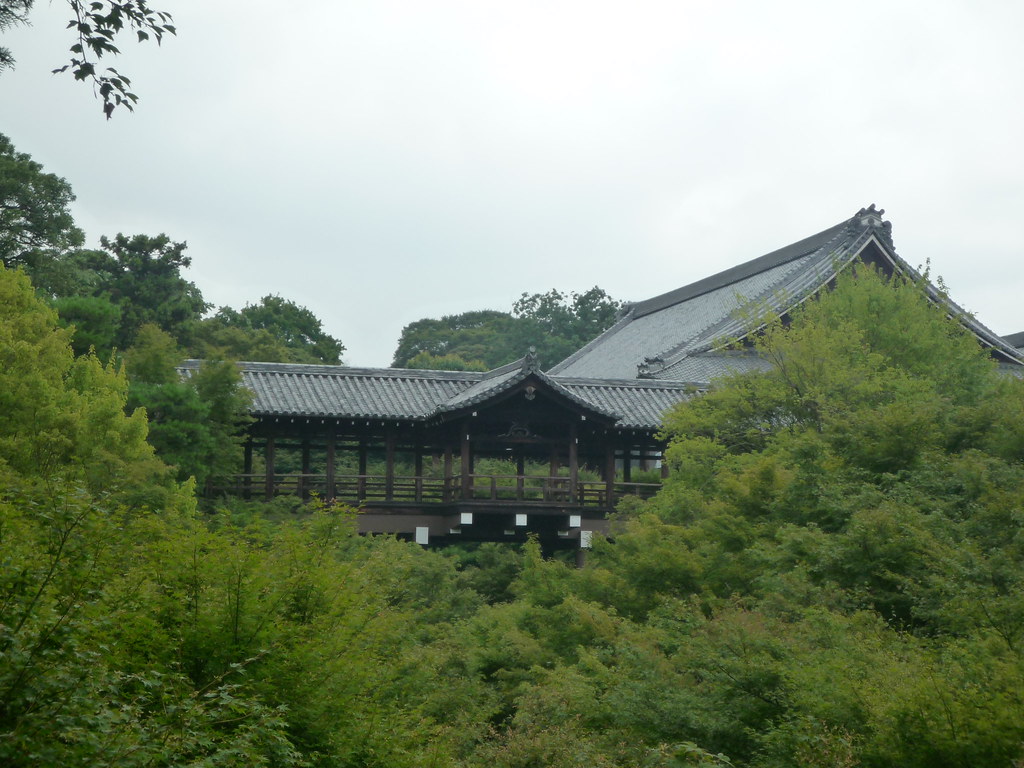
I had wandered the grounds for some time but had yet to see the Bridge to Heaven, so I poked around a while longer and found the path parallel to the impressive wooden covered bridge. The bridge almost looked to be resting on the tree-tops of the valley below it. 
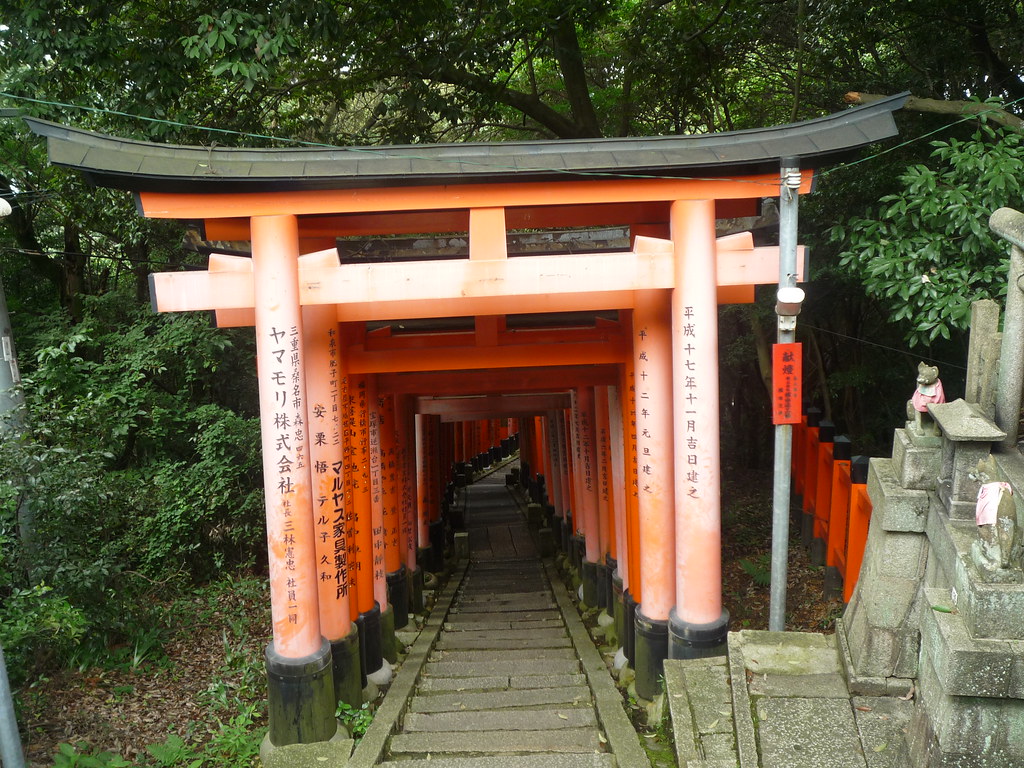

I wandered through the tree covered hill back to where I'd locked my bike at the temple's entrance.
  © Blogger template 'Minimalist G' by Ourblogtemplates.com 2008

Back to TOP