Thursday, July 3, 2014

Japan Day 5 part 1: To-ji pagoda, turtles, and roofs

Even from outside the walls of the temple, it was clear that To-ji was going to be awesome. 

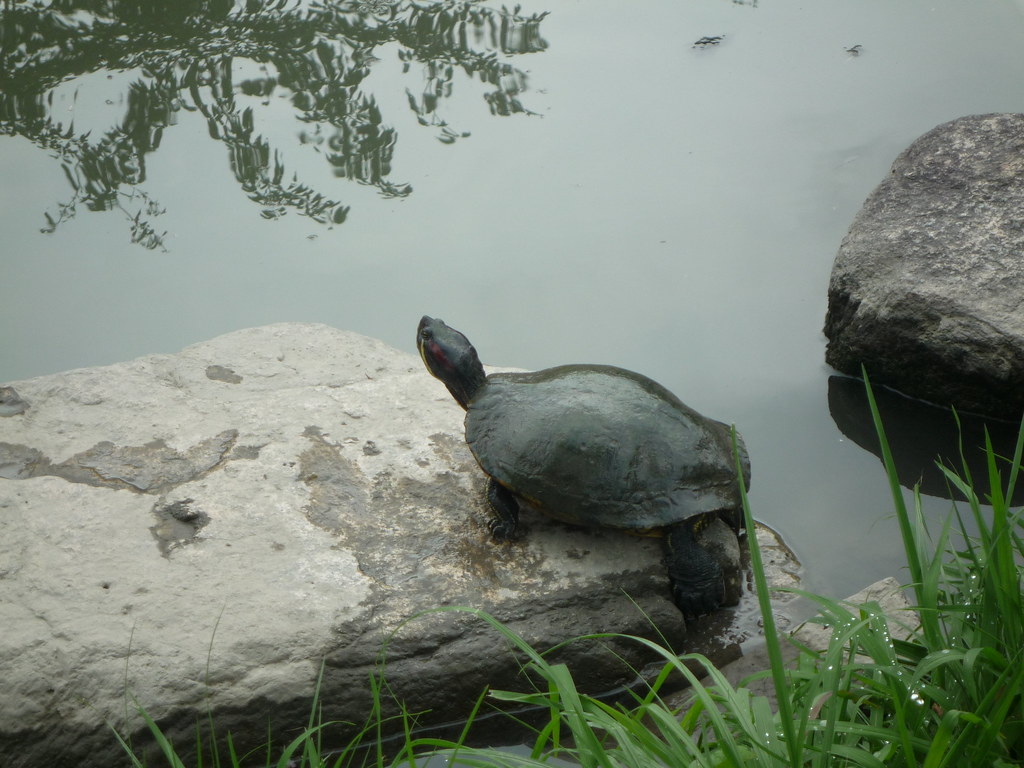
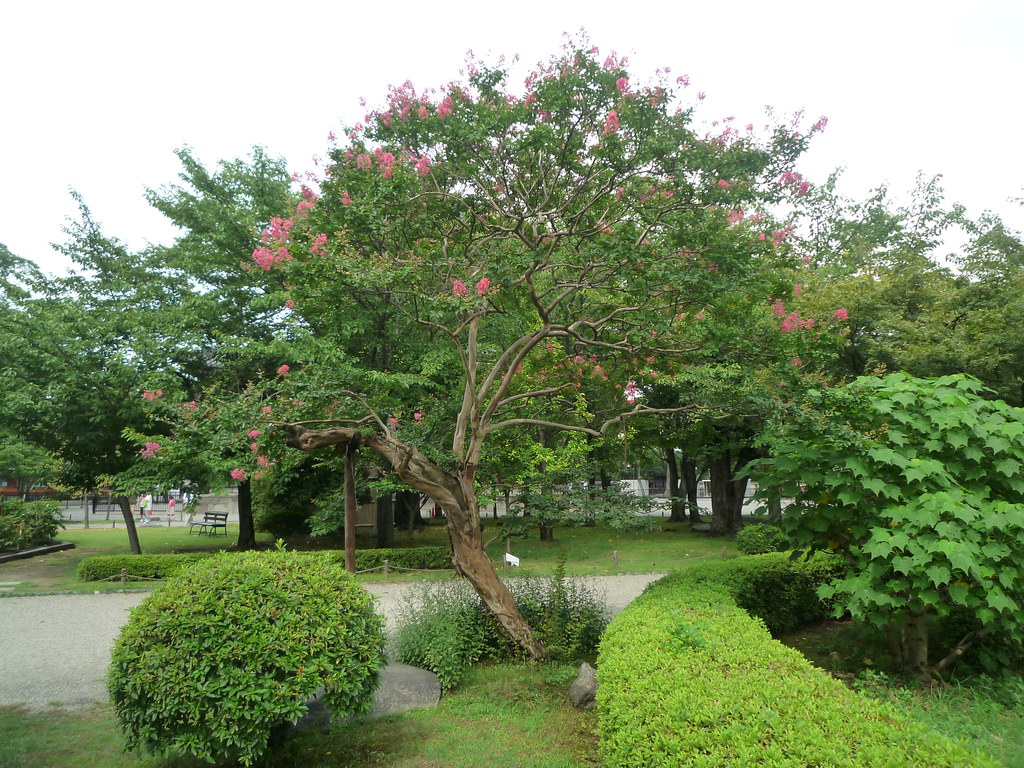
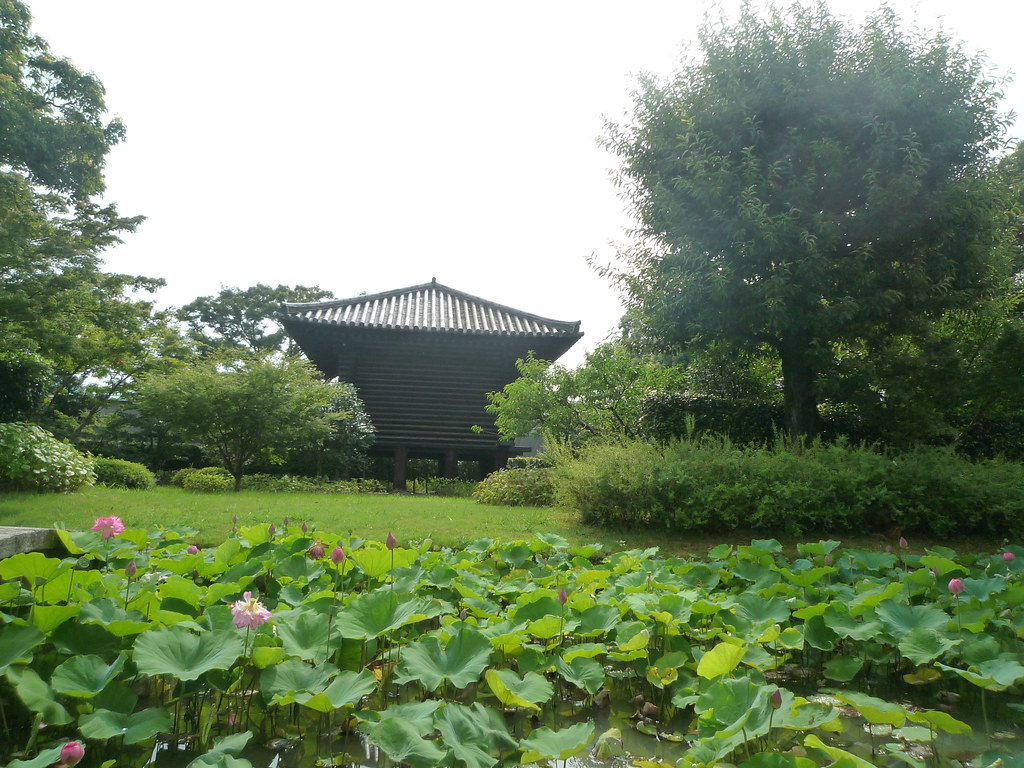
Upon entering the grounds, the first area was full of flower covered ponds that also were home to a turtle.

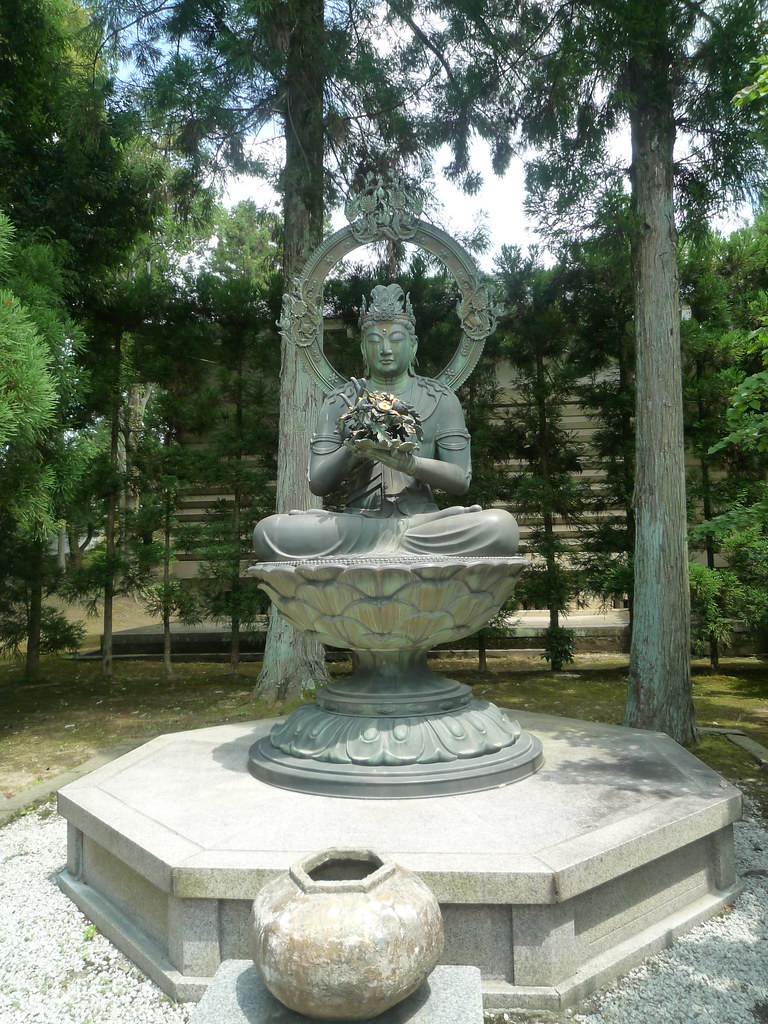
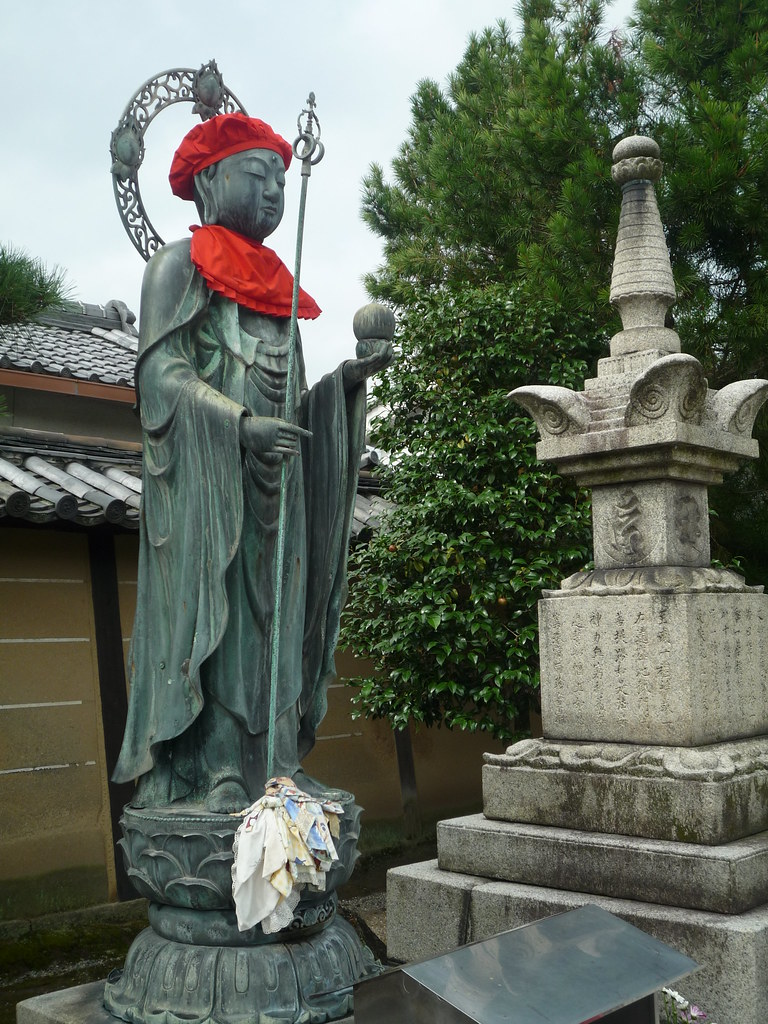
It was interesting to see a statue clothed in actual cloth in addition to the metal robes that were a part of it.

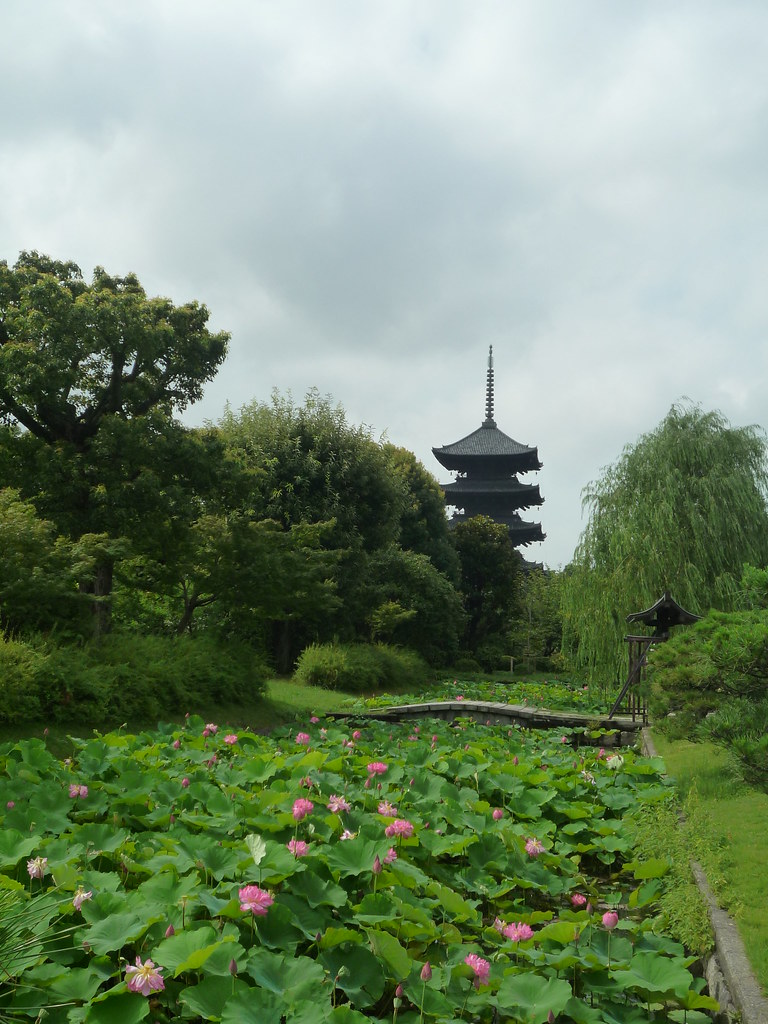
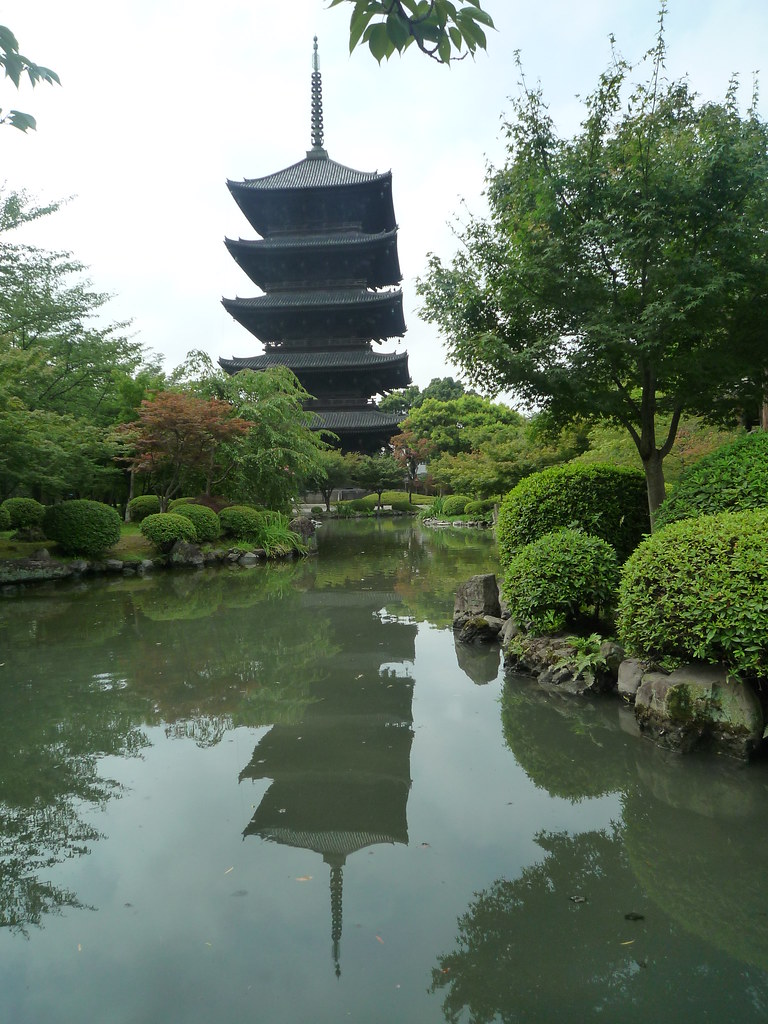
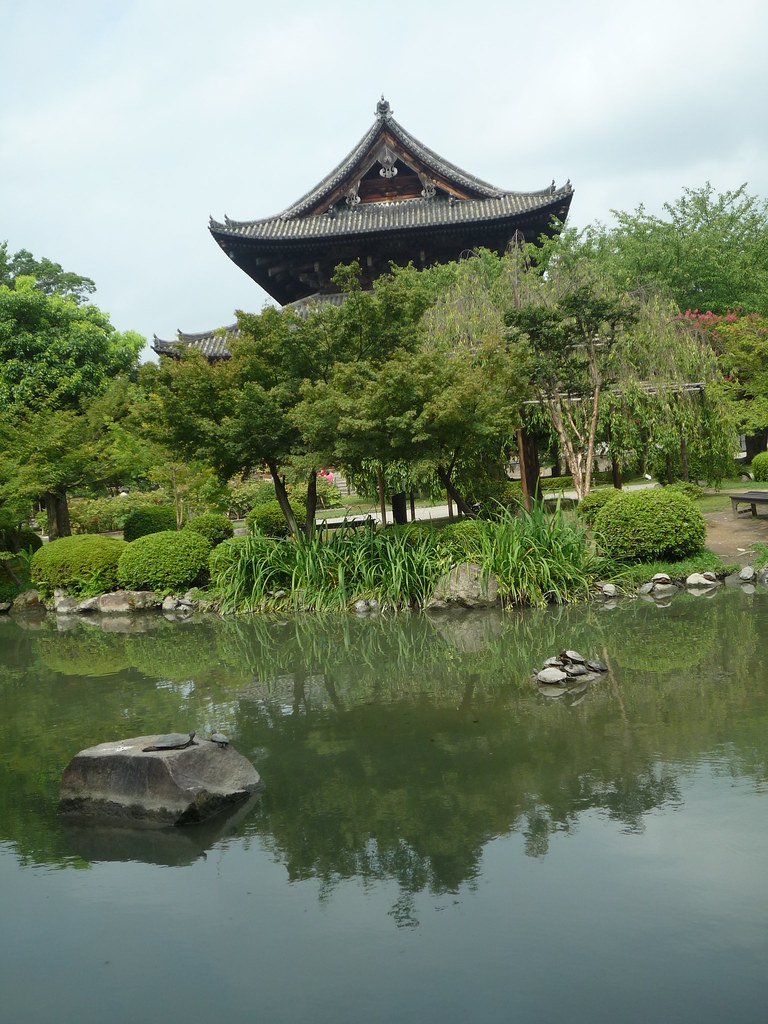
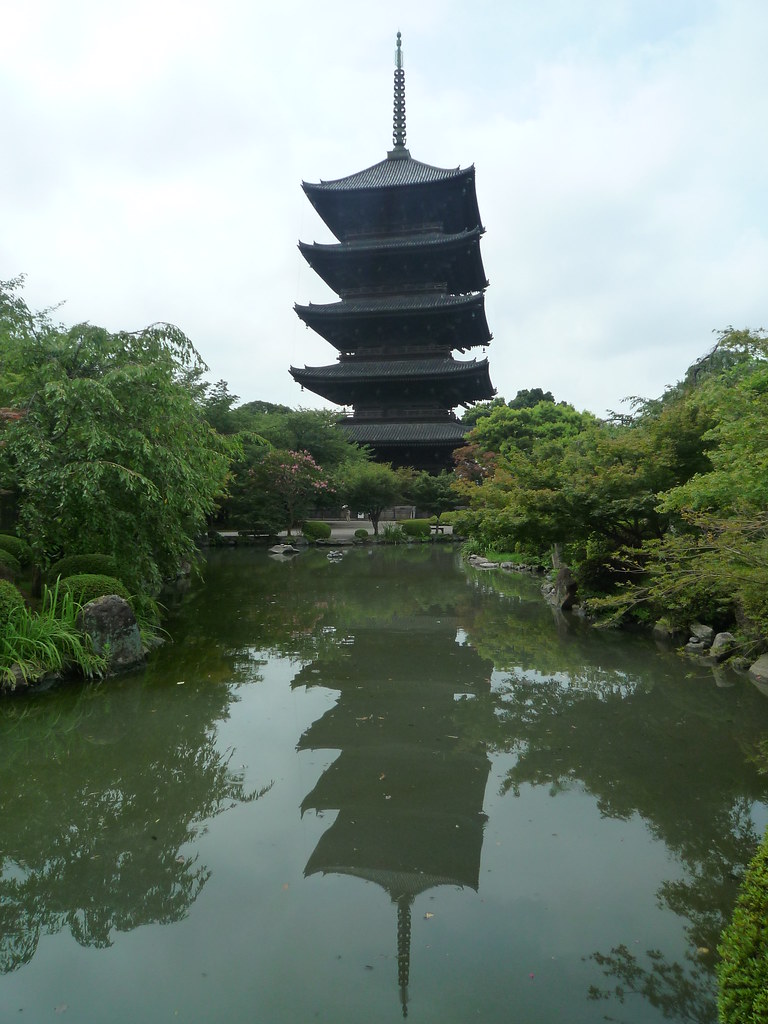
The early morning was an excellent time to visit the temple's well situated reflecting pool that
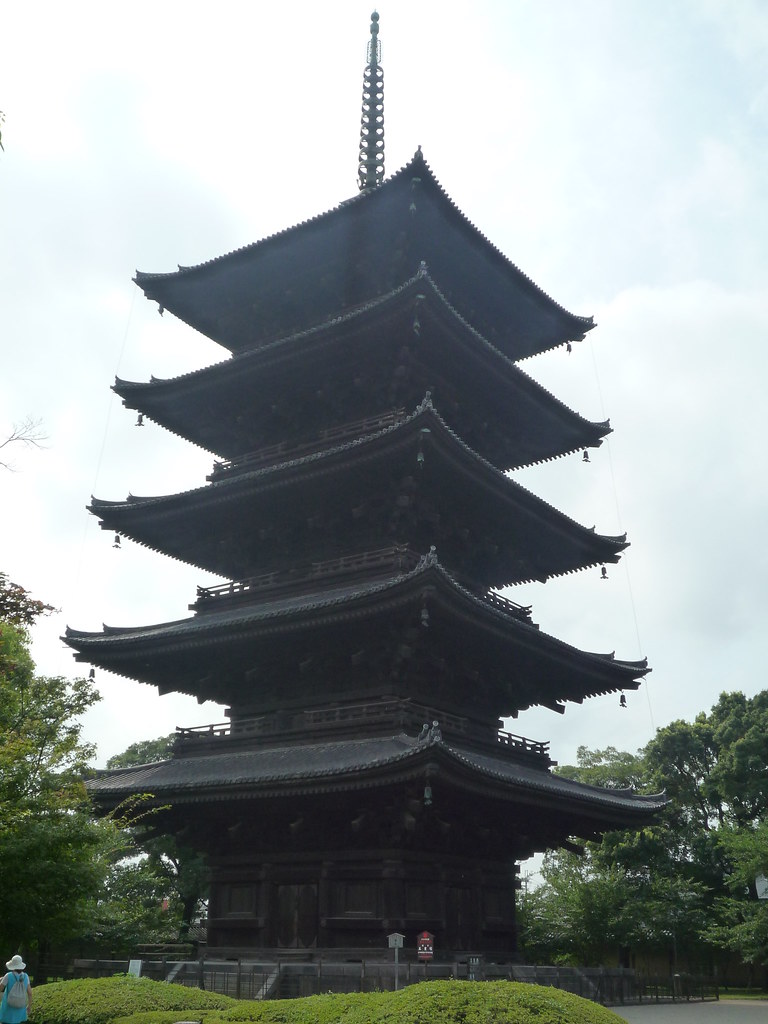
 perfectly doubled the impressive five story pagoda. 

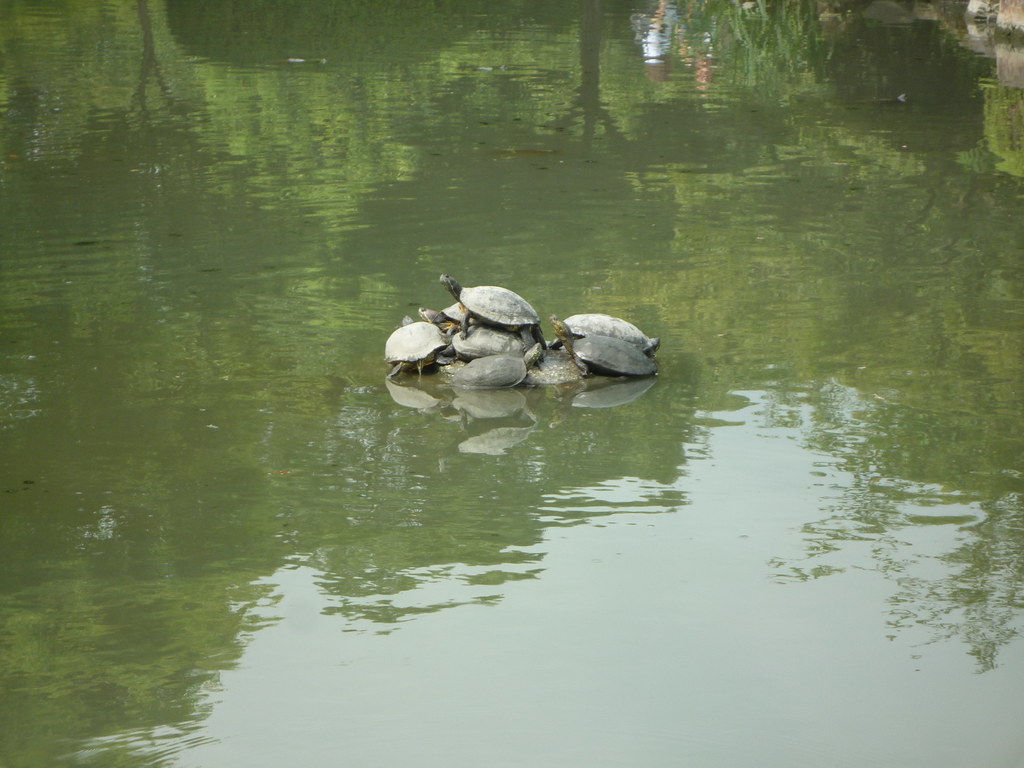
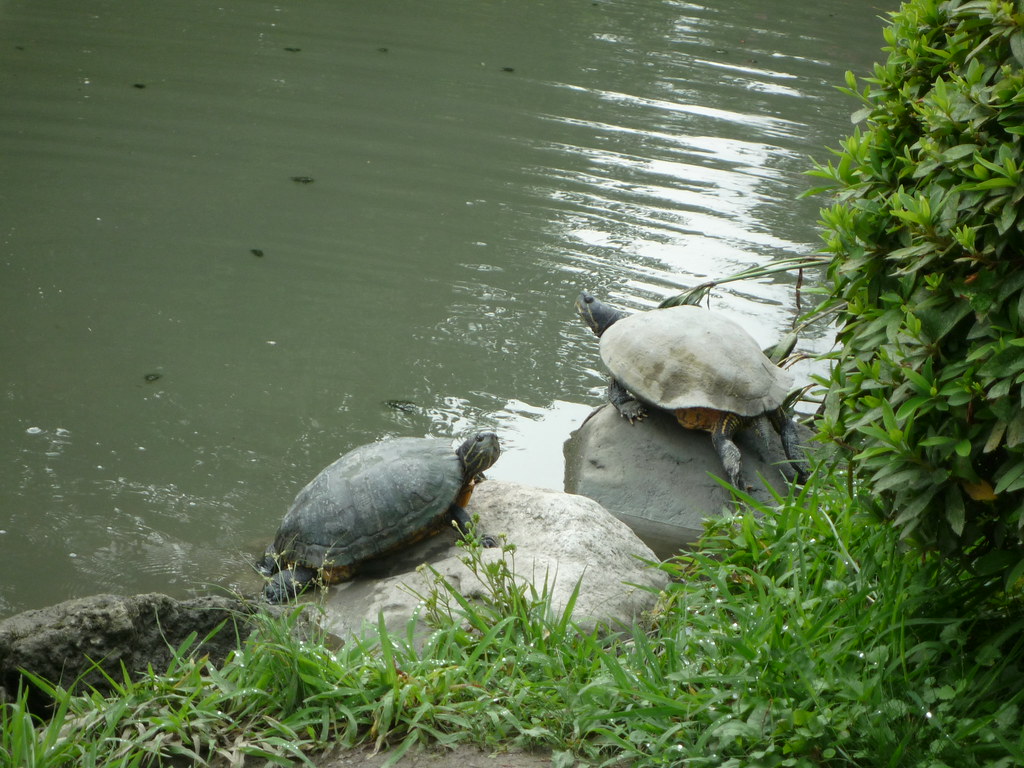
In the pool were dozens of turtles that were stacked up like Yurtle.

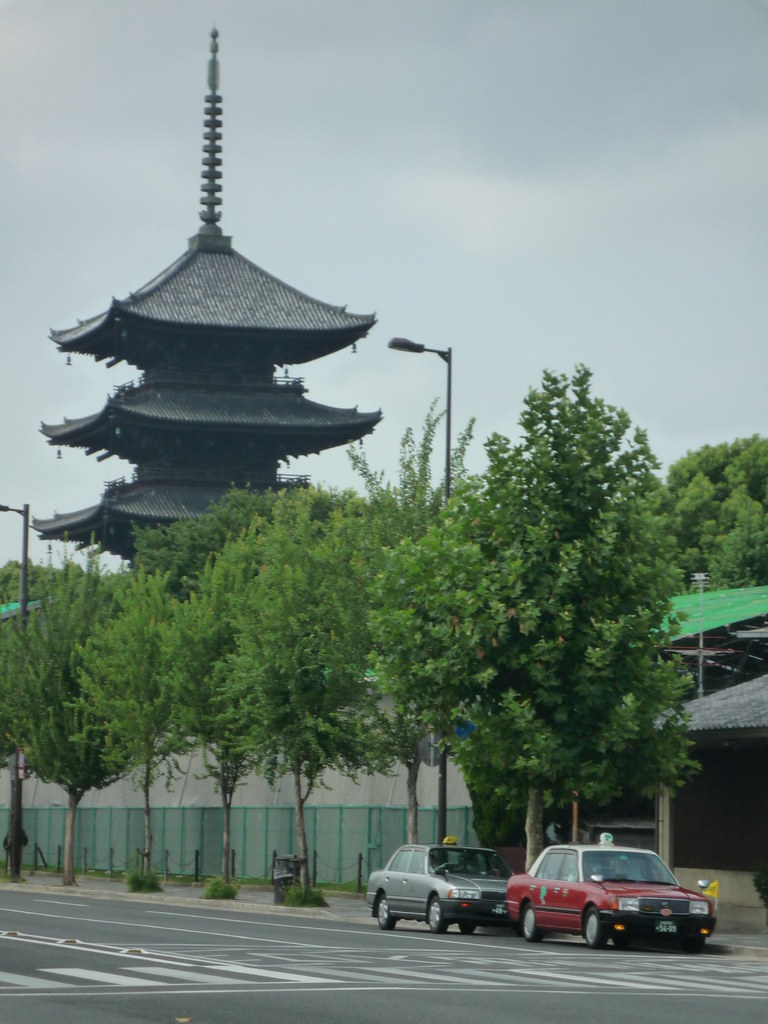
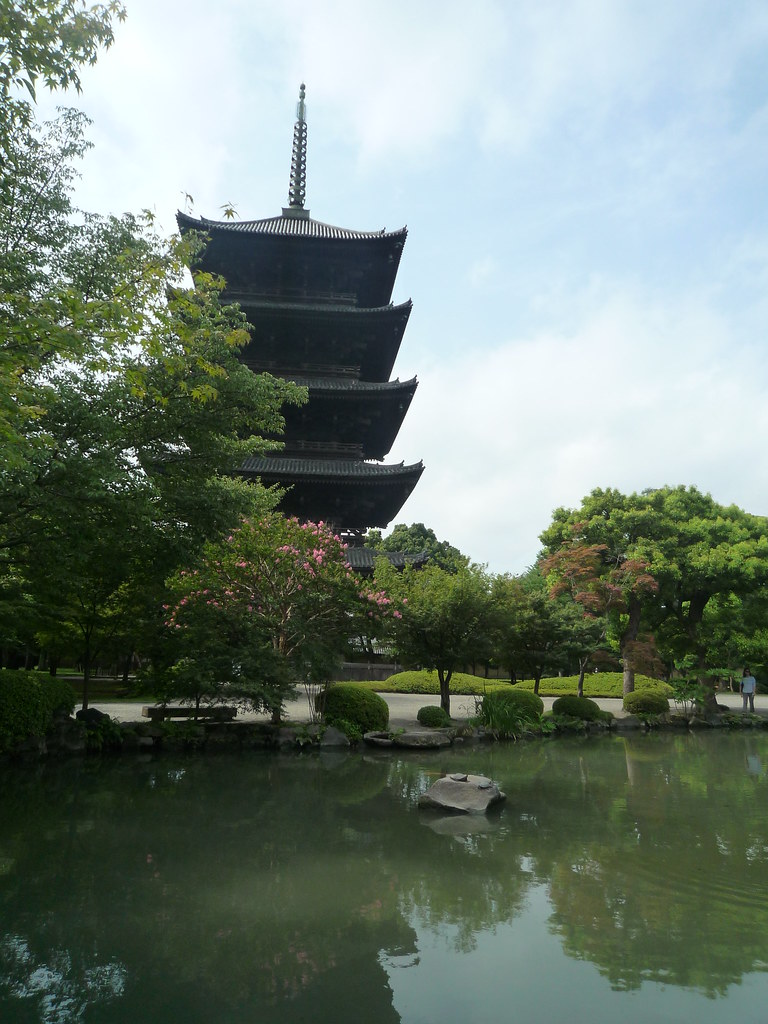
To-ji's pagoda is the tallest in Japan, and draws the eye from every part of the temple grounds.

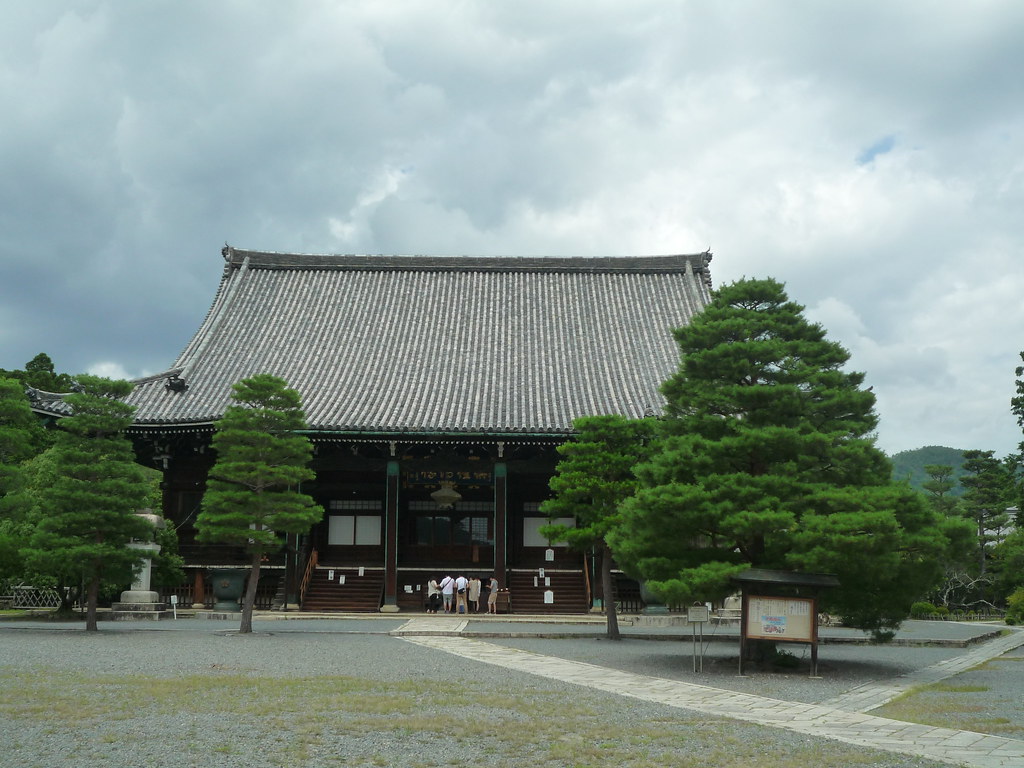
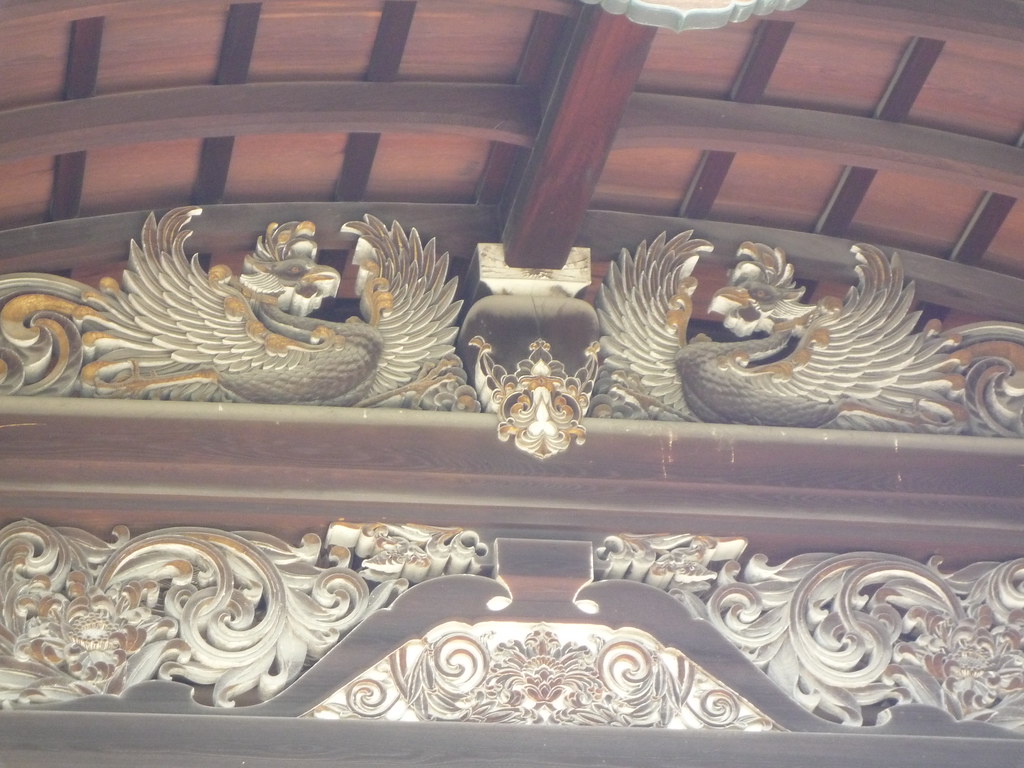
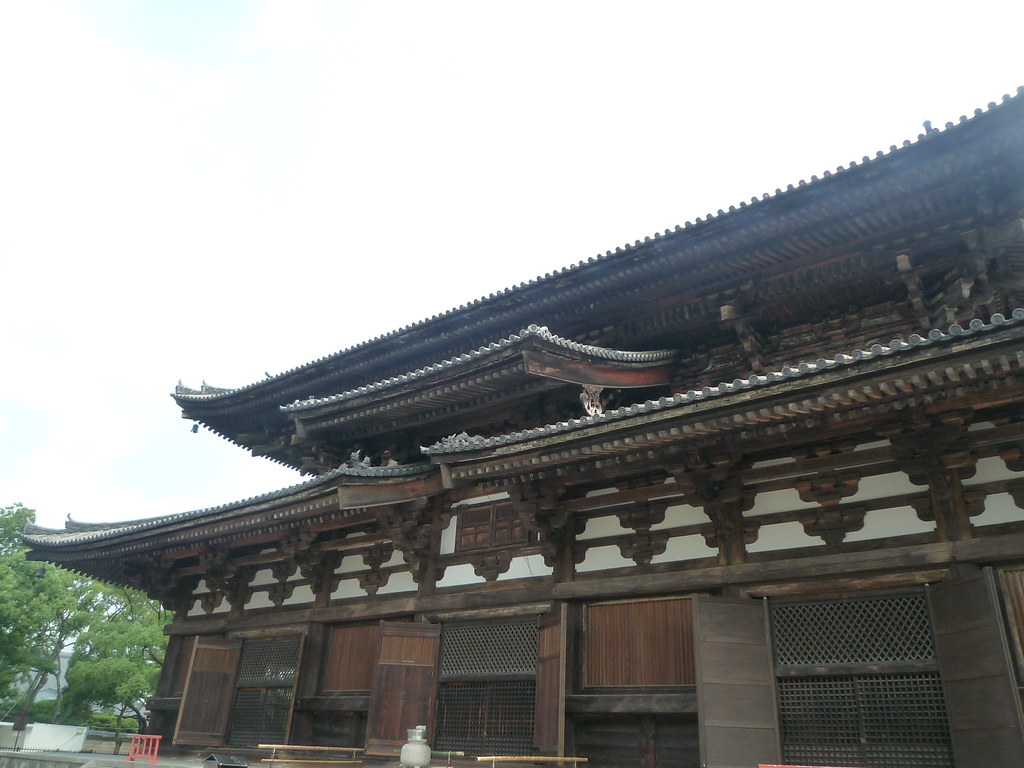
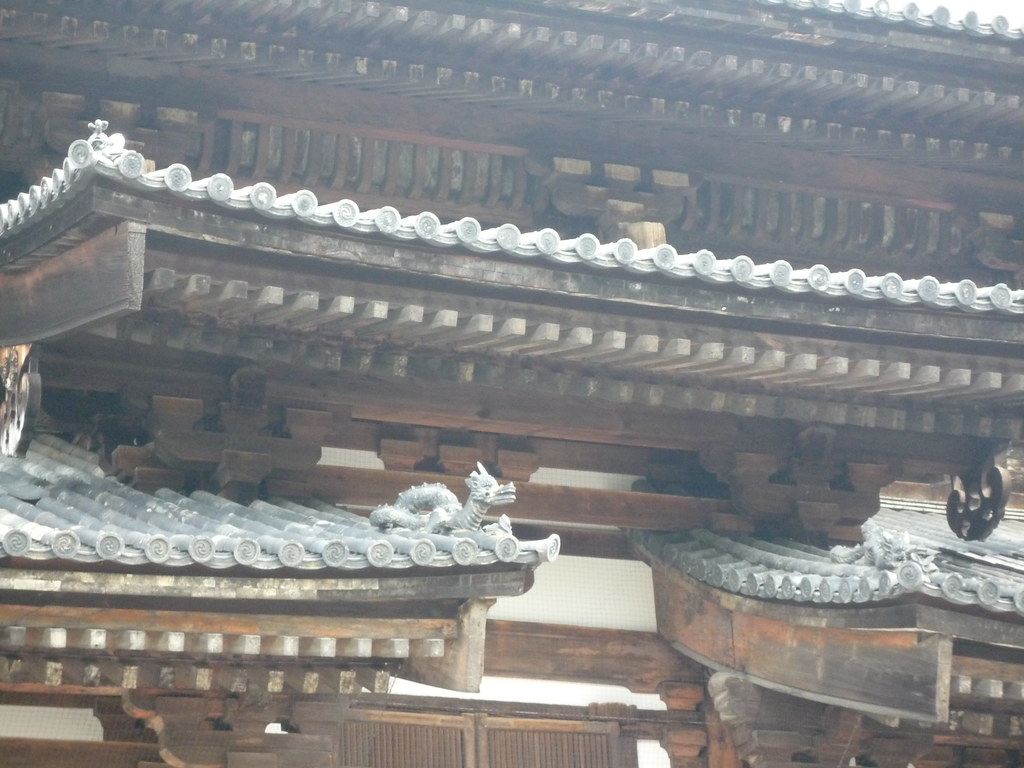
The roof of the temple hall had excellently wrought ornamentation.  
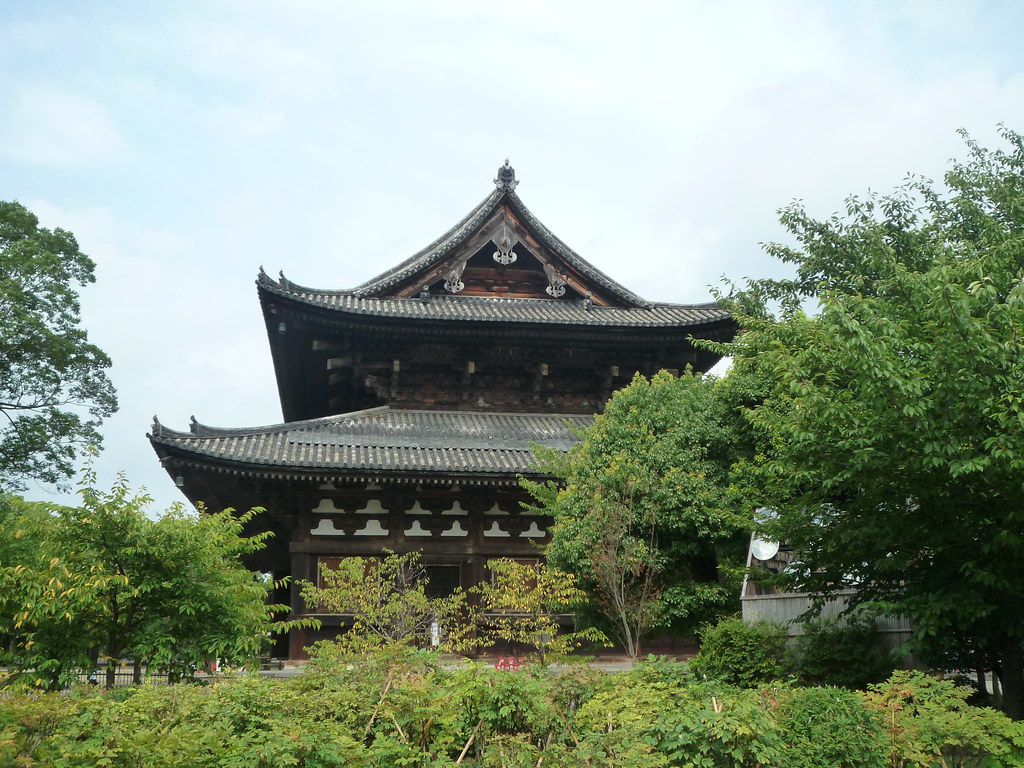

The hall (where photography was forbidden) contained expressive statues of guardians with six to eight arms, which sometimes held vajras, the symbolic weapon for destroying impurities and temptations and which have always jumped to my attention since I visited the vajra-covered temple complex of Guinsa. I particularly liked a statue of a man in a peasant cap who was surrounded by fire.

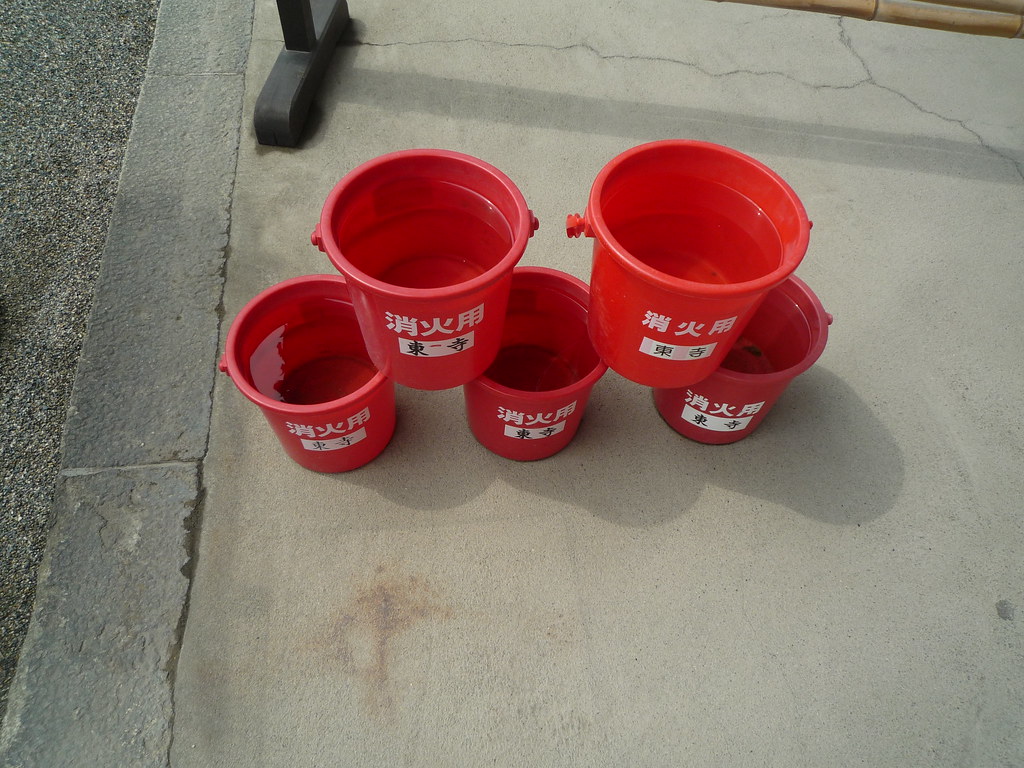
Actual fire was of course not as welcome in the temples, which is why buckets of water were stacked around the wooden buildings.

I took my time wandering the gardens, and kept looking back at the pagoda over the water.

I also spent a while watching the turtles. Some of them grew quite large.


Though the main hall's side held my favorite decorations, the front had interesting ornamentation as well. I wouldn't mind a tiny ceramic dragon or ten for my roof at home...
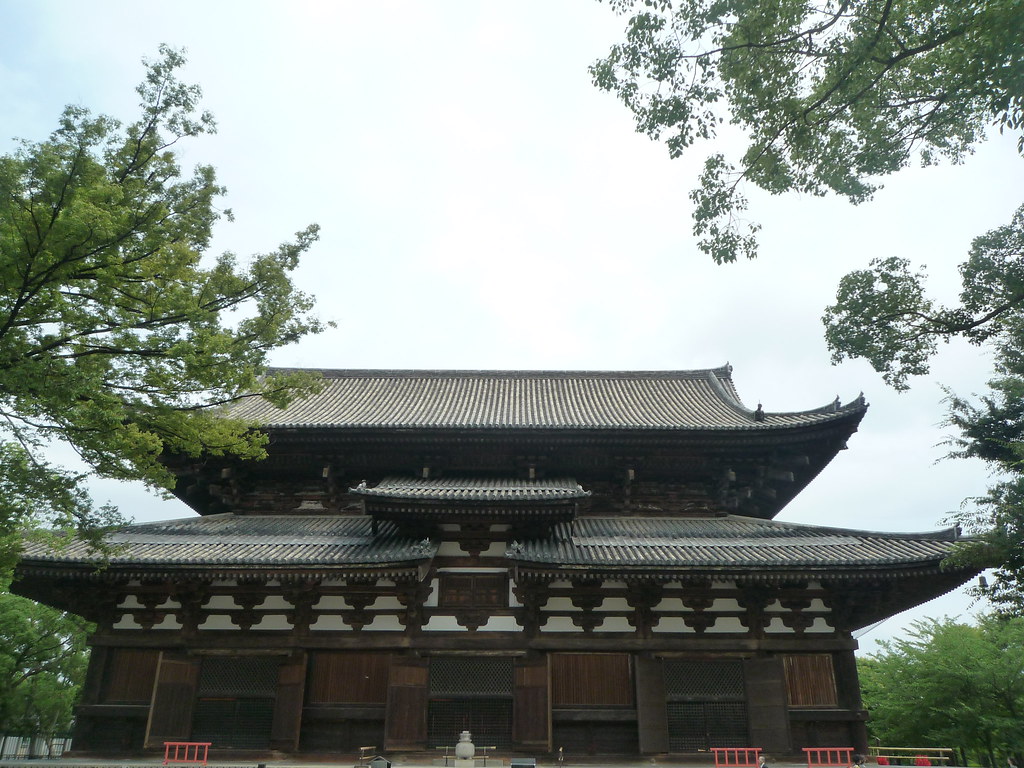

I felt reluctant to leave, and made an exception to my usual frantic pace to truly take my time and appreciate this impressive temple. It was one of my favorite sights in Japan.
Japan Day 4, Part 4: Arashiyama bamboo forest and surroundings

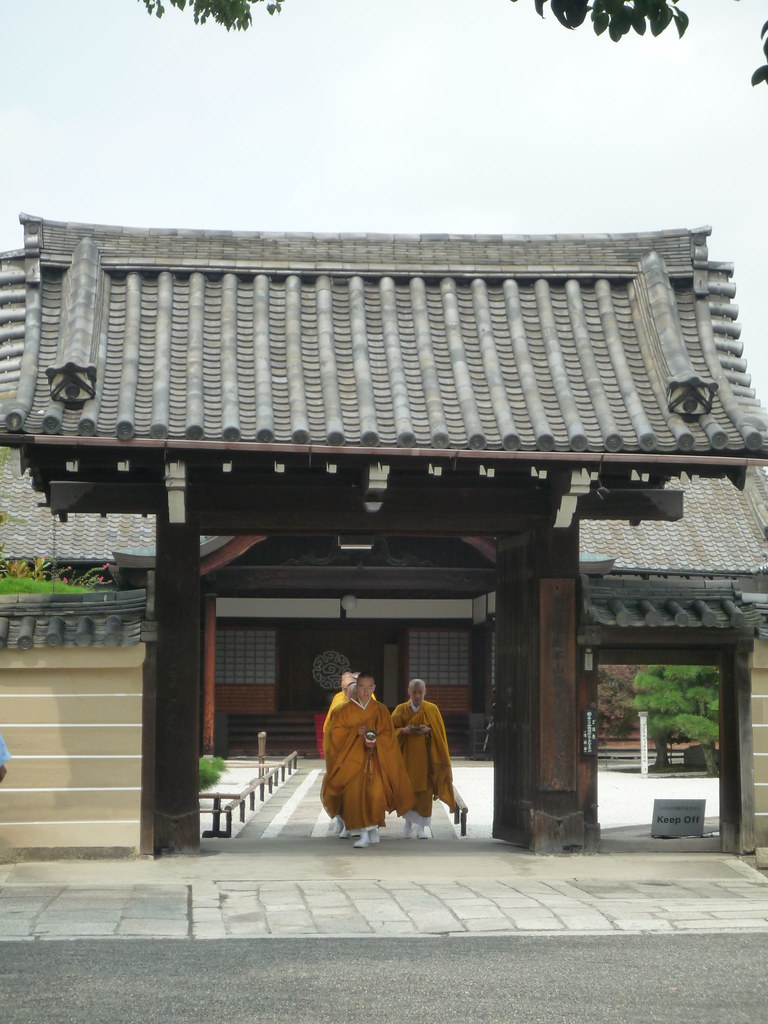
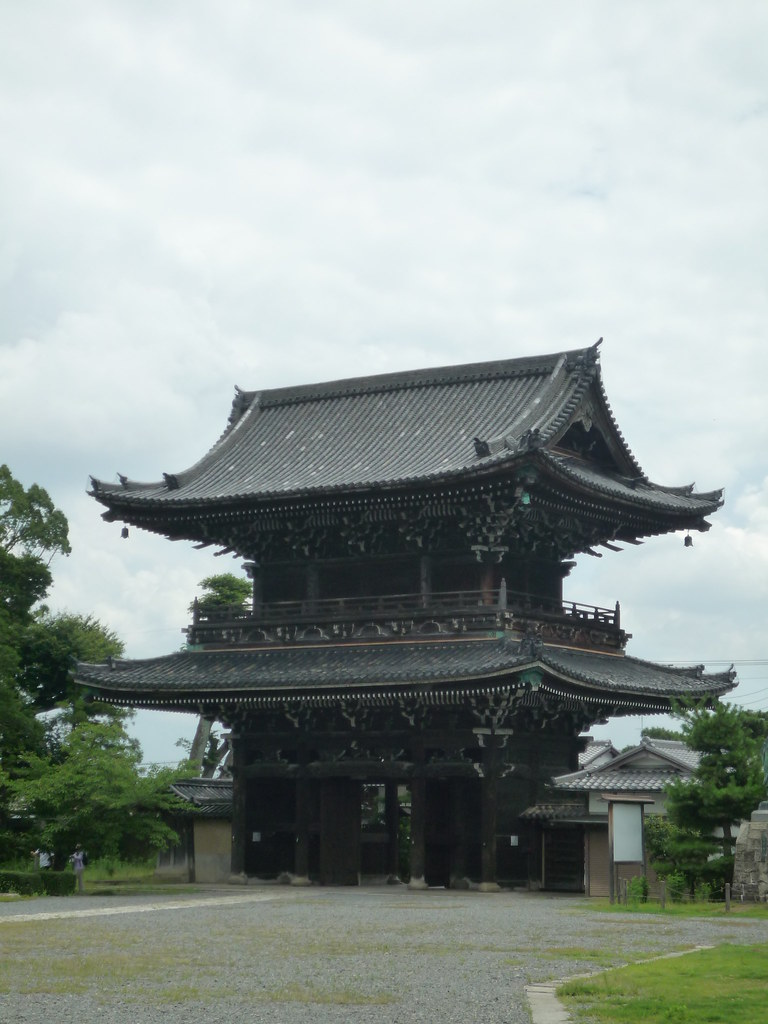
Seiryo-Ji was conveniently on the way between sites, so I walked my bike through the grounds. The gate was beautiful, and the whole temple was aesthetically pleasing.


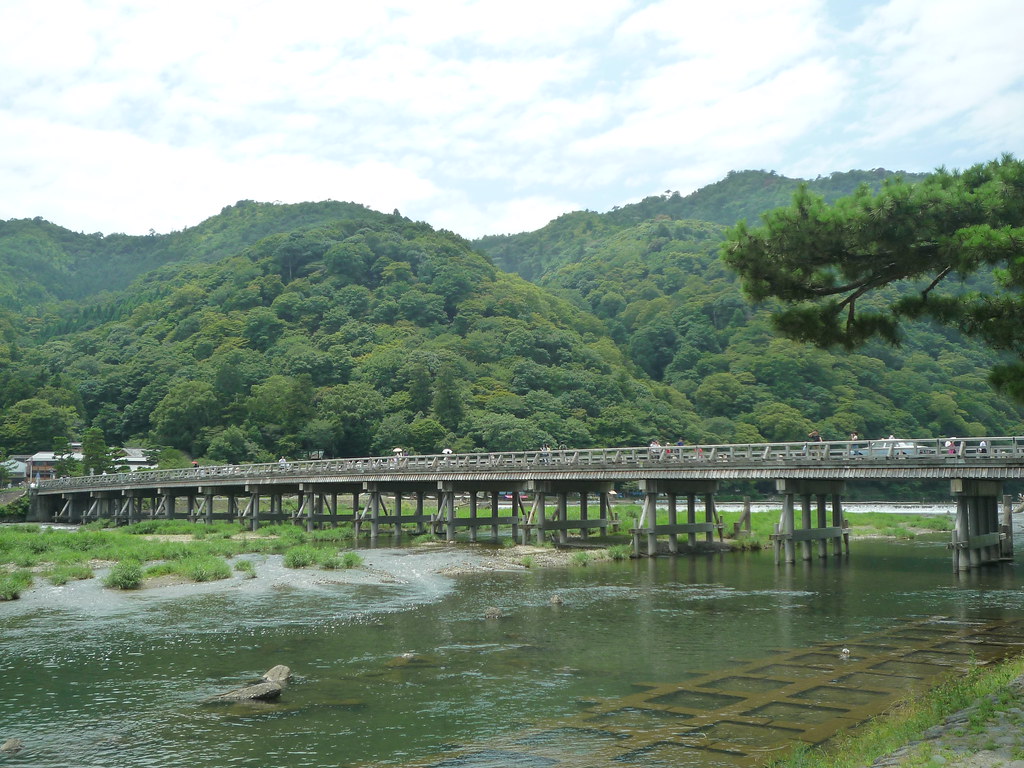
I stopped by Arashiyama for some lunch and ice cream to beat the notable heat. As I sat eating my ice cream and planning my next few stops, I admired the old wooden bridge that had been converted to motor vehicle use. 


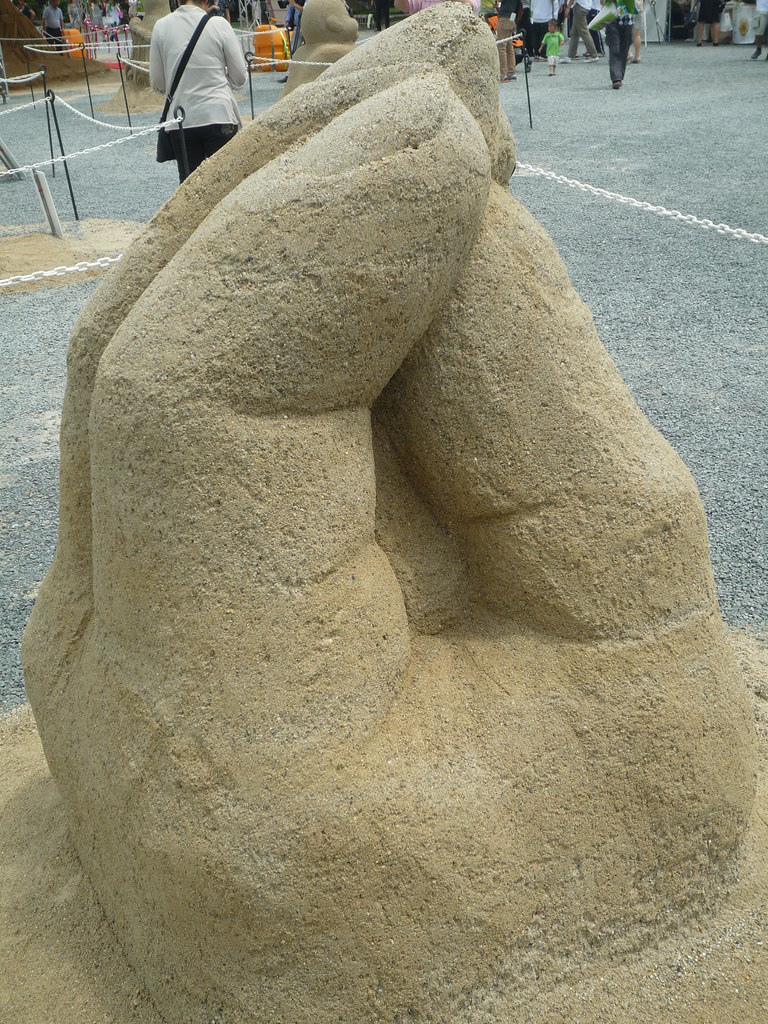
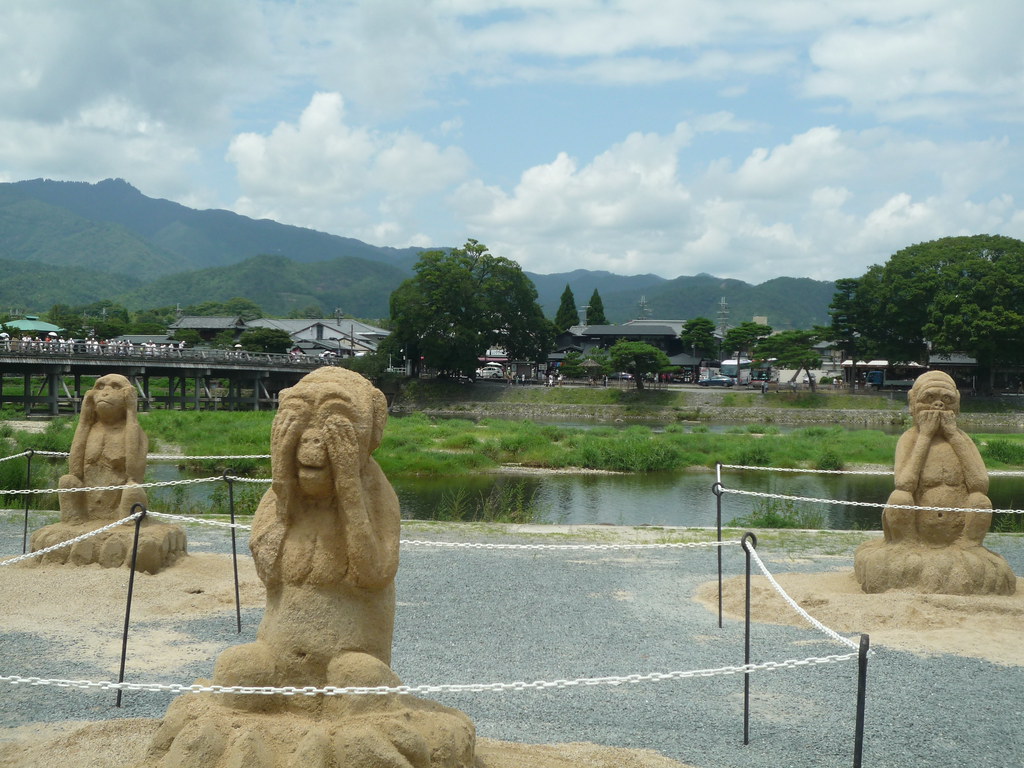
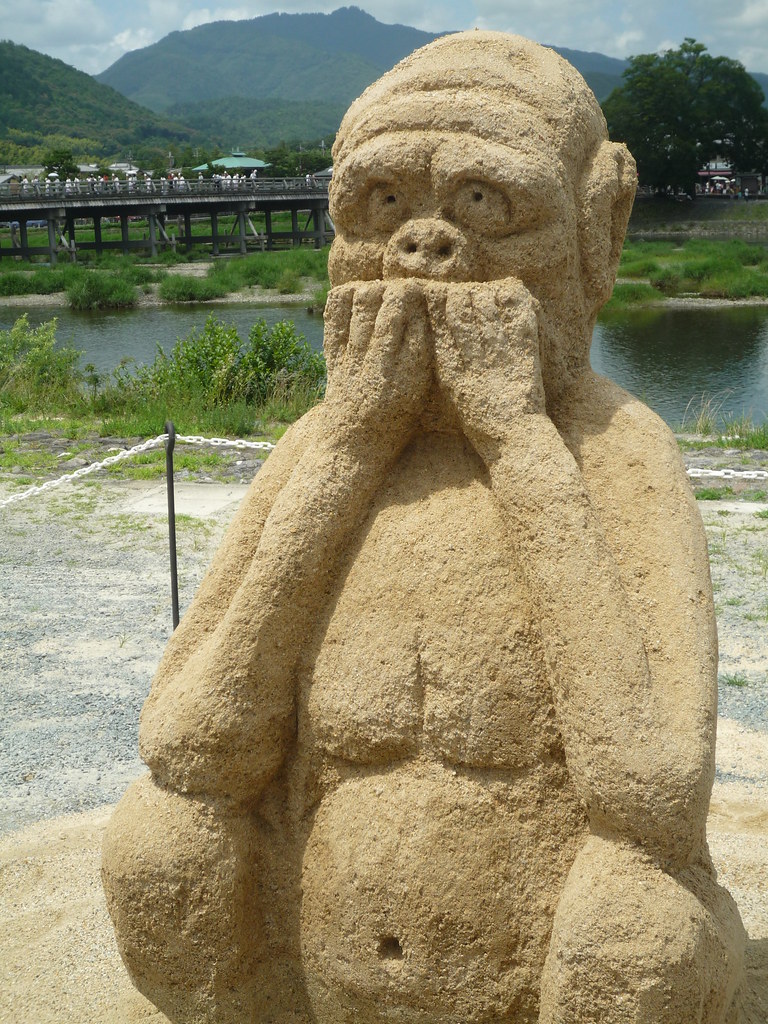
I also noticed some sand sculptures across the river, and cycled over to check them out. 


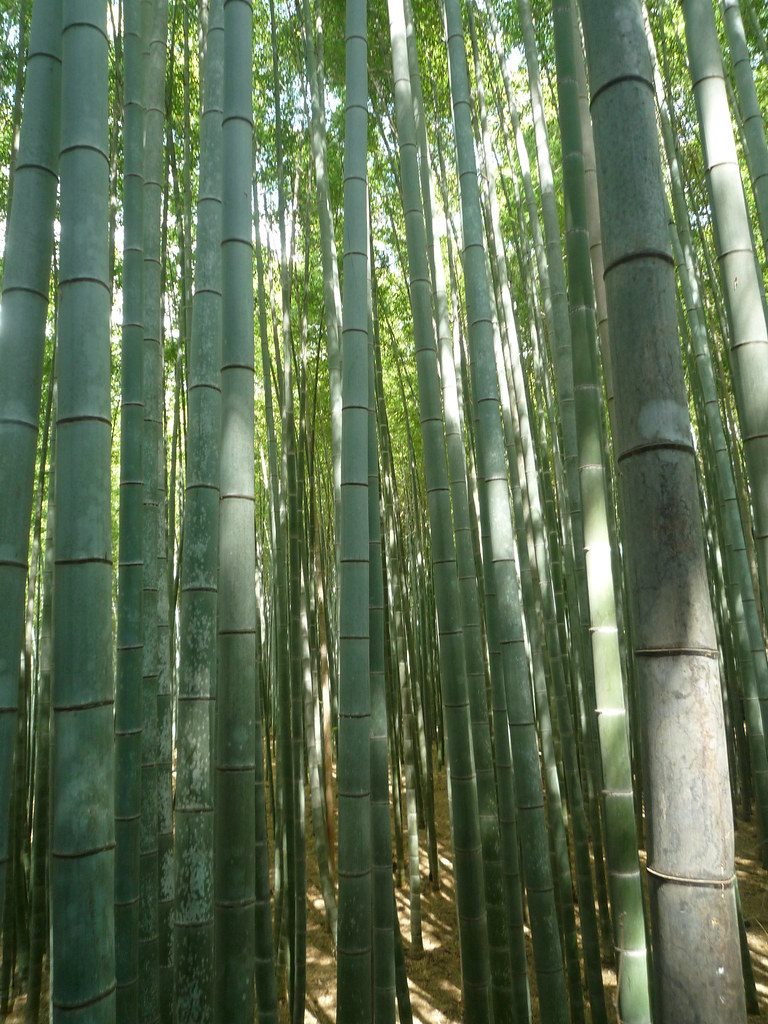
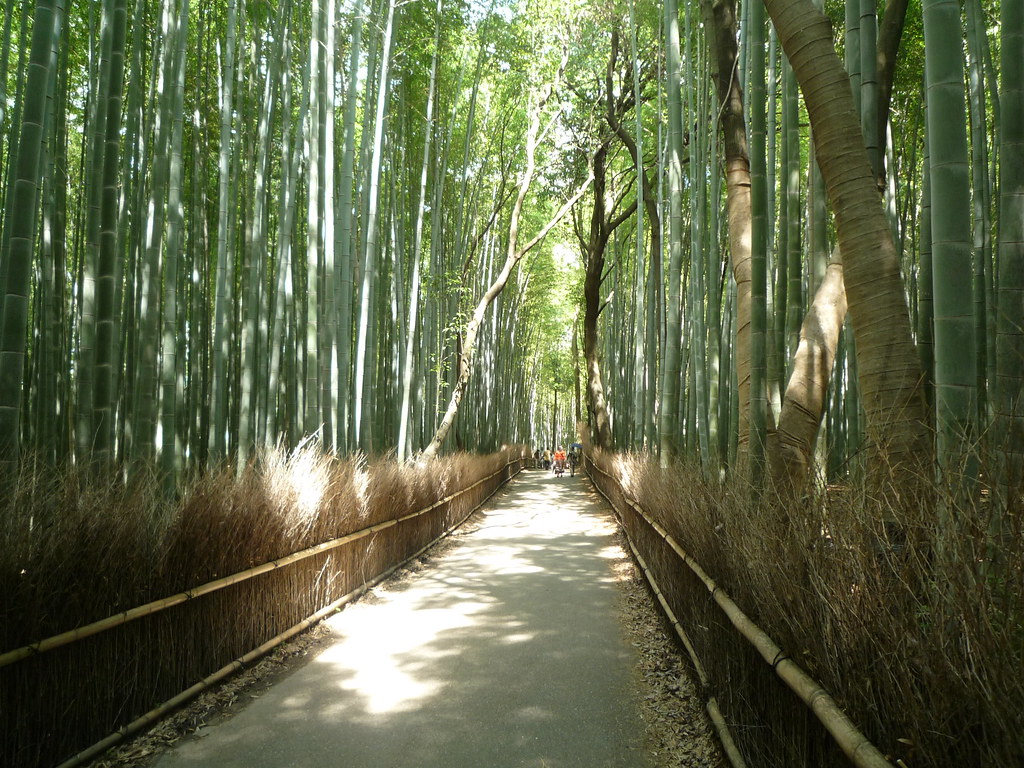
One of the biggest tourist attractions in Kyoto is the Arashiyama bamboo forest. 


I'll be honest: it didn't live up to the hype. The grove is not particularly extensive, and the single trail through it is incredibly crowded. It took me lagging behind for a while to get a shot of the trail with so few people in it. 


Vendors line the whole way in, and tourists buy a bunch of nonsense trinkets that they carry through the bamboo. That is to say, it wasn't exactly the peaceful and contemplative area I imagined. It was still rather pretty, even though wasn't not the extraordinary and magical place promised.


Nearby was Tenryu-ji, the temple of the heavenly dragon. 
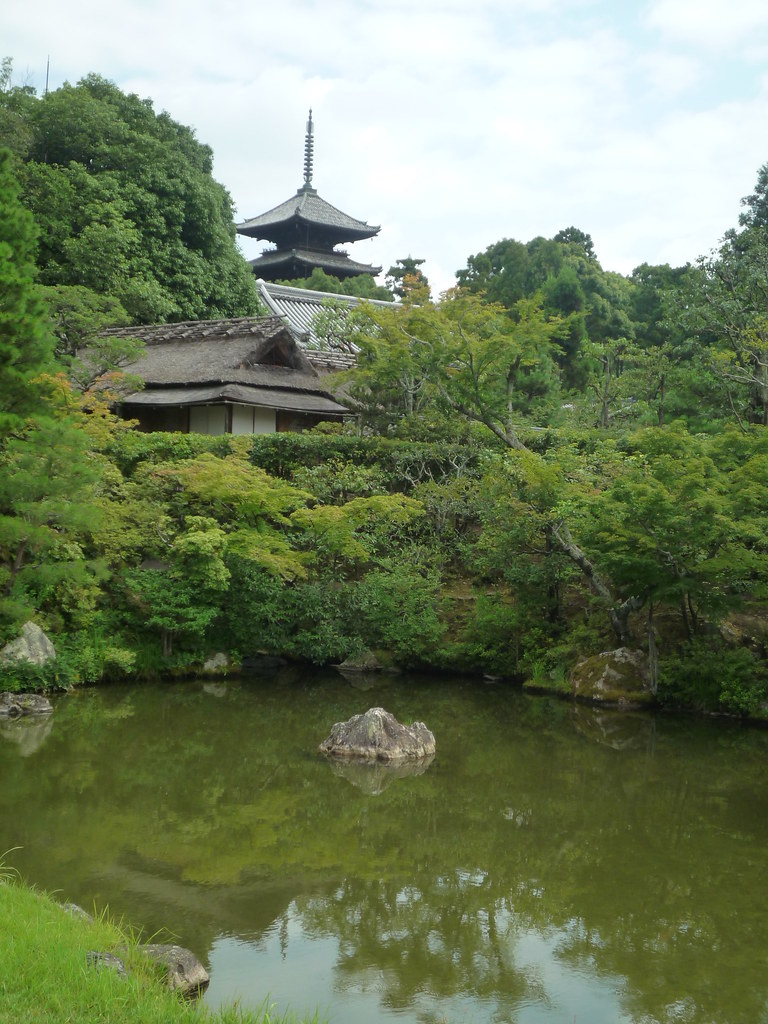

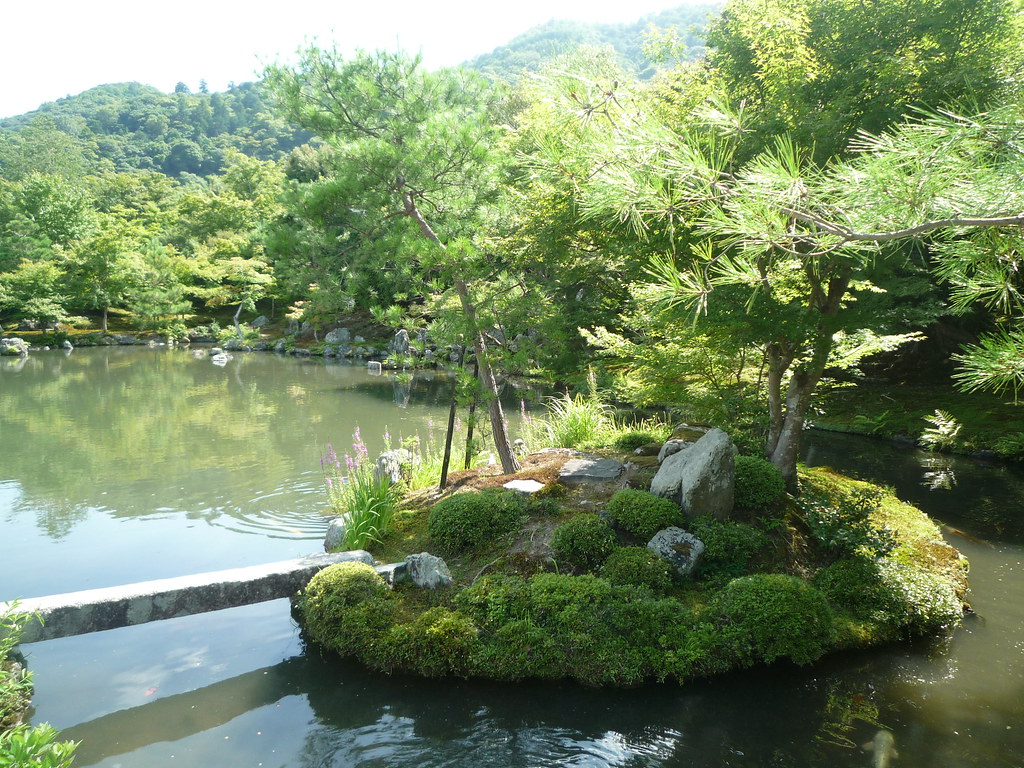
The gardens were impressive, if crowded.  

I remember being in a rotten mood that afternoon and having to take time to remind myself I was somewhere awesome. I managed to get away from both the press of humanity and the direct heat of the sun in some of the further out trails through the shady forest. Relaxing there helped my state of mind so I was able to appreciate the rest of my time in the temple grounds. 


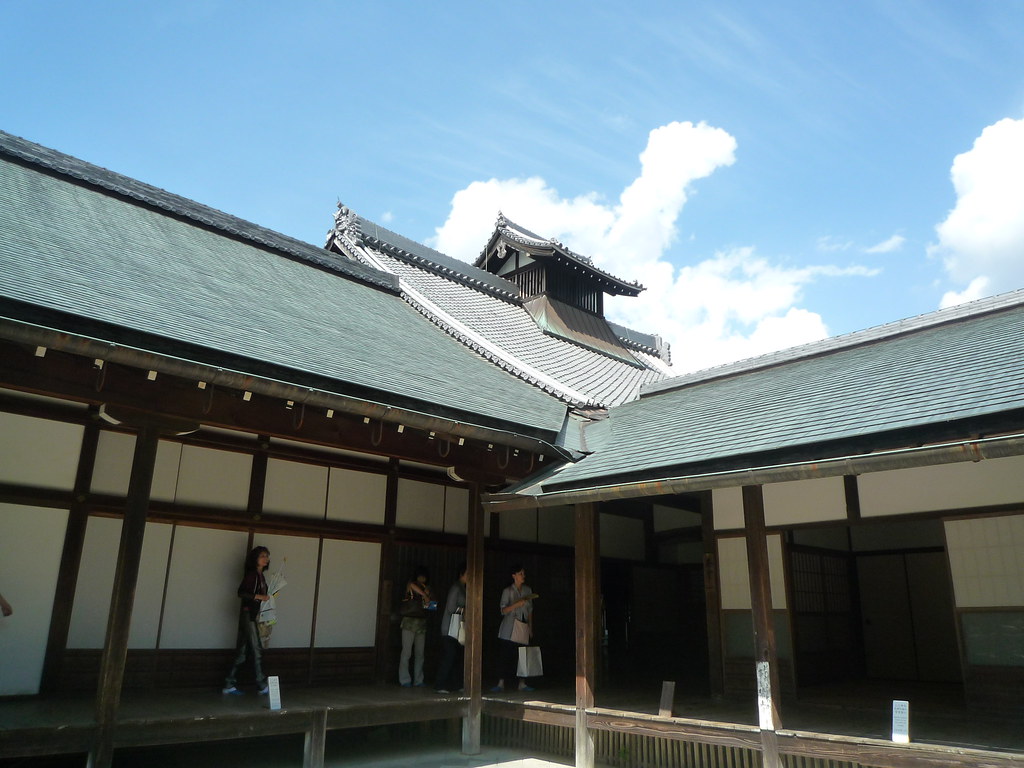
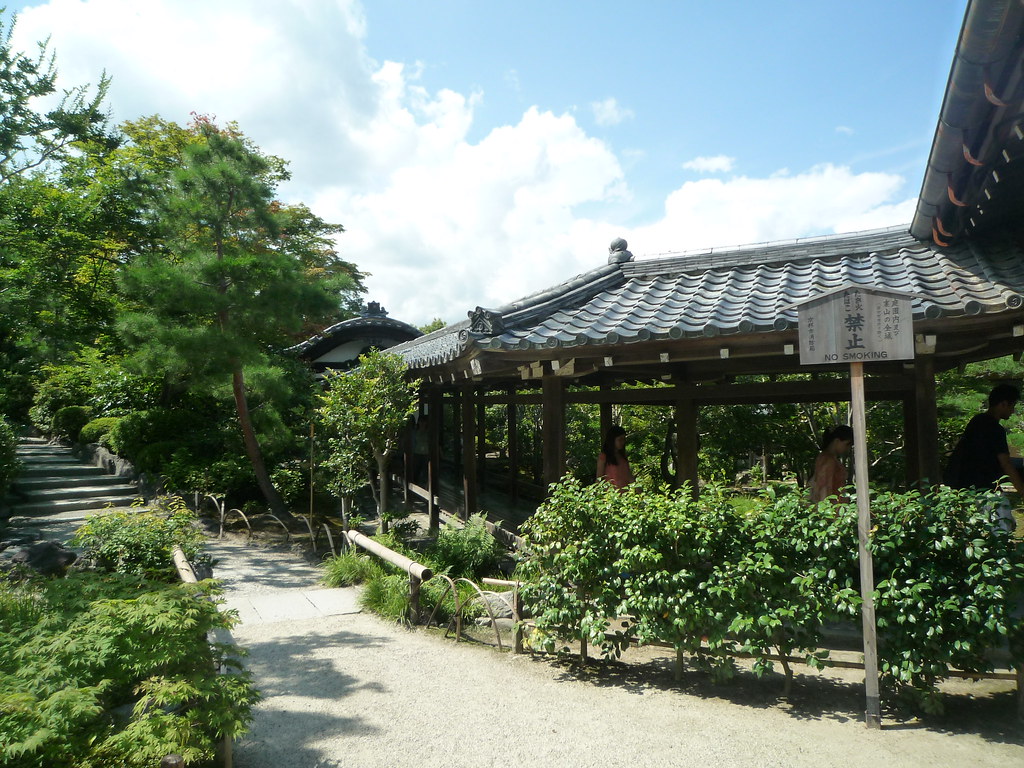
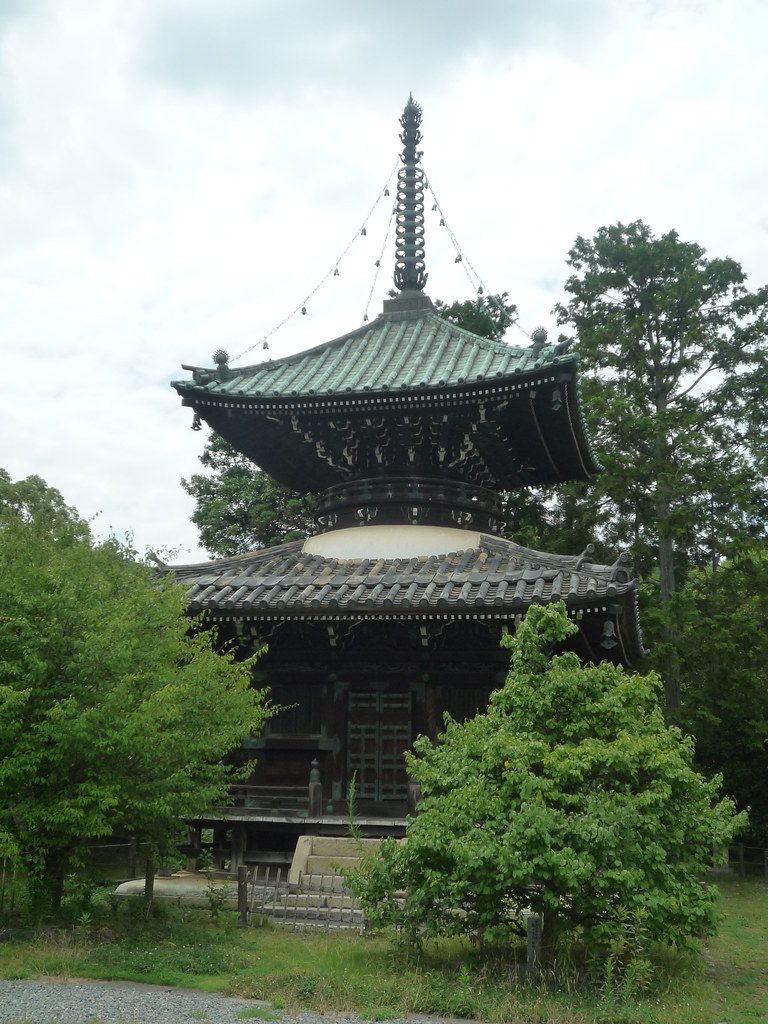
The top of this (relatively modern) temple building was rather captivating.


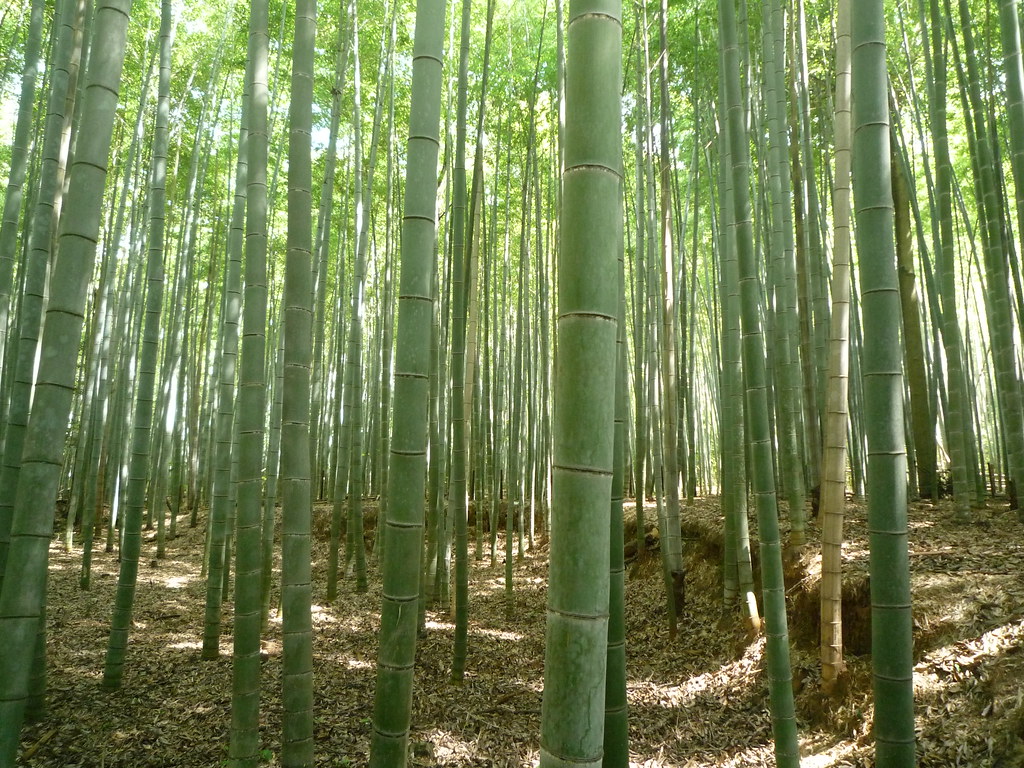
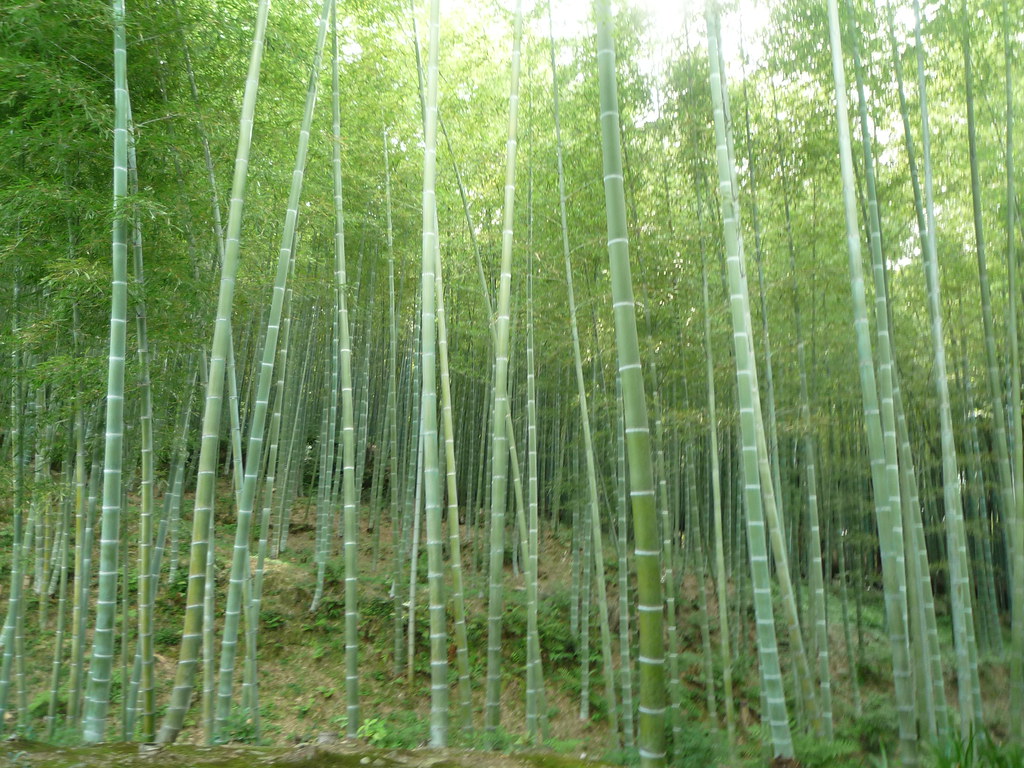
The bamboo grove in the temple grounds was smaller, but much more peaceful than its famous neighbor.


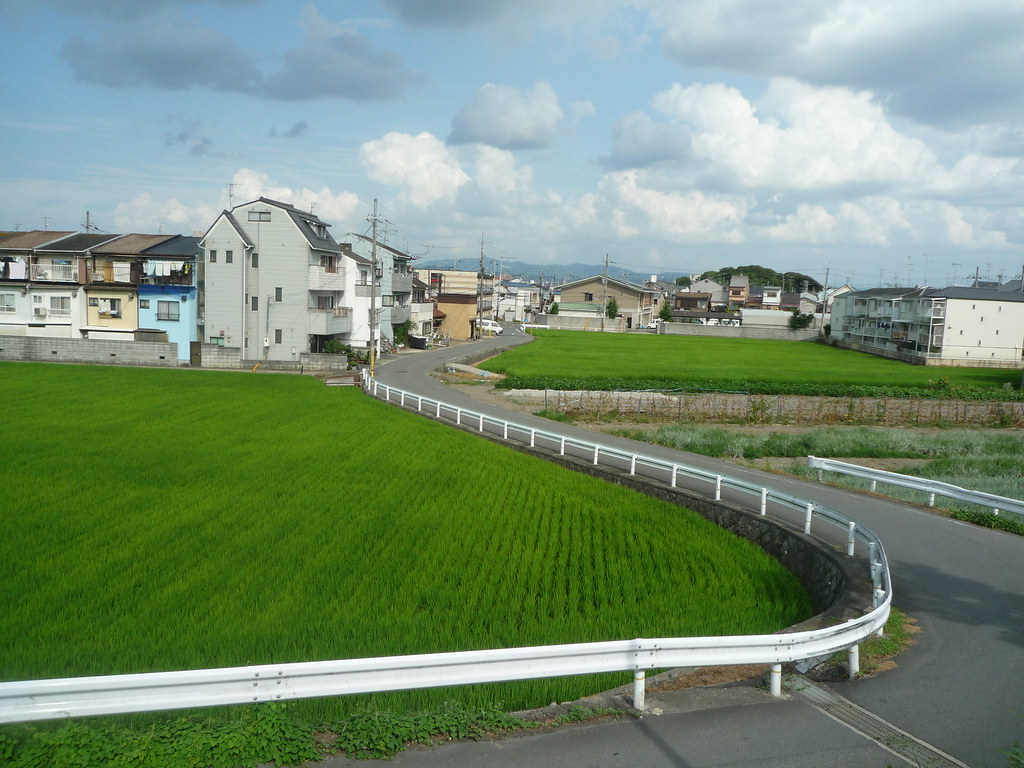
I had made much better time than I had anticipated that day, and I didn't want to cycle back on exposed road during the worst heat of the day, so I decided to wander around the area a bit. I cycled on a trail around an island in the river, then started back towards central Kyoto. The fields of rice between rows of houses would have fit in well in my neighborhood in Daejeon Korea.


Tuesday, July 1, 2014

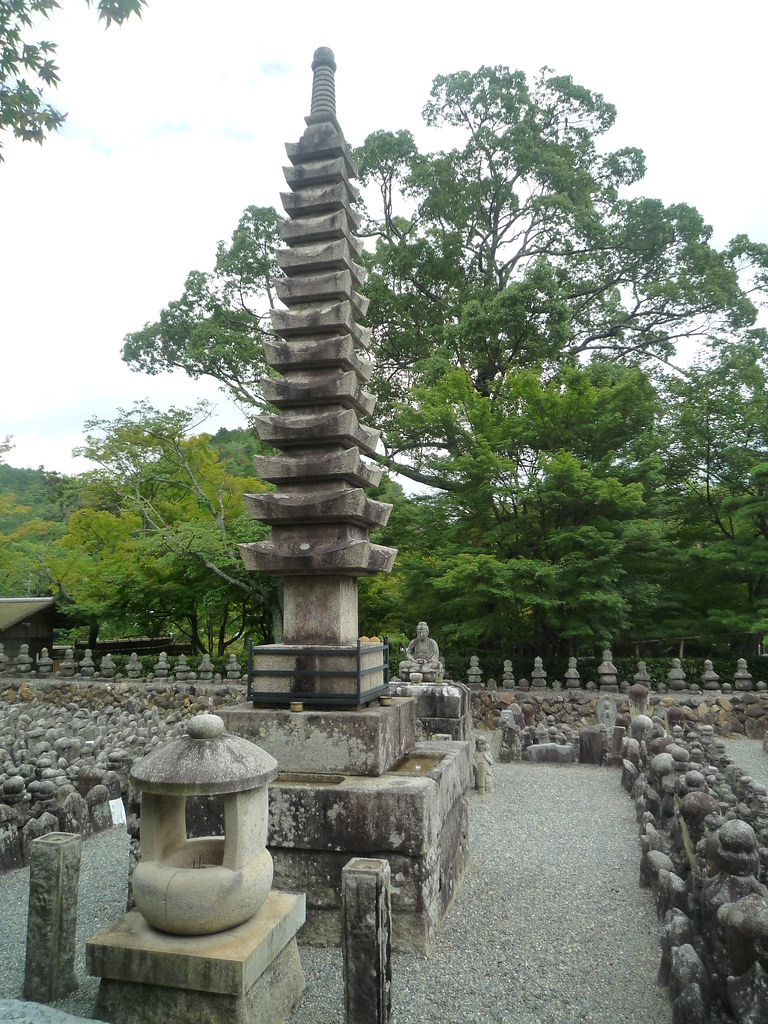
Japan Day 4, Part 3: The graves of the abandoned at Adashino Nembutsu-ji

I was proud of myself for navigating my way to the far West hills by means of the tiny and disjointed Lonely Planet maps, which were intended for people using buses, trains, or taxis to get to the further flung sites. I made better time than I had anticipated, though I lost some of that advantage on the last slog up the steep hill to Adashino Nembutsu-ji. 


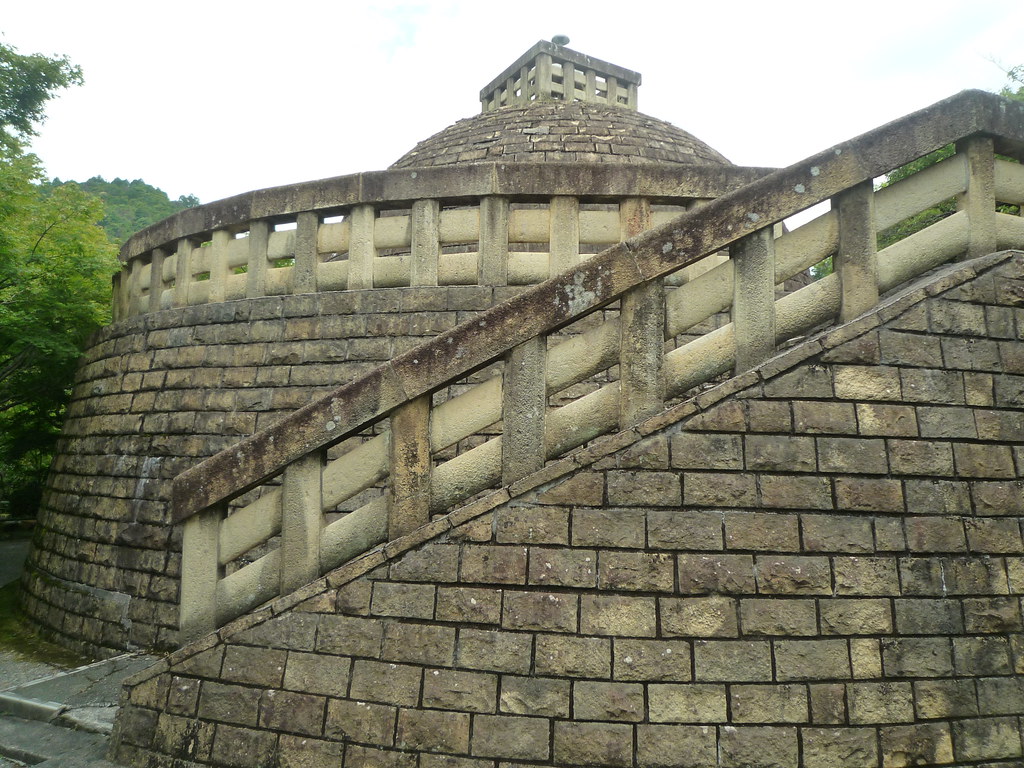
The temple had an interesting observatory...


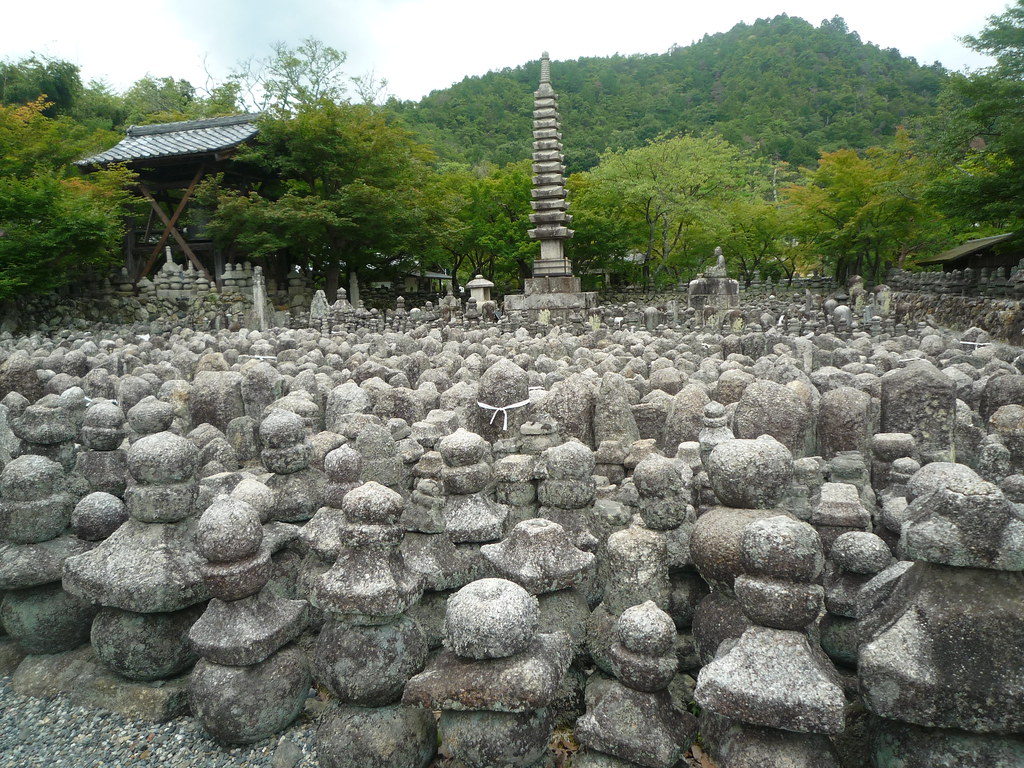
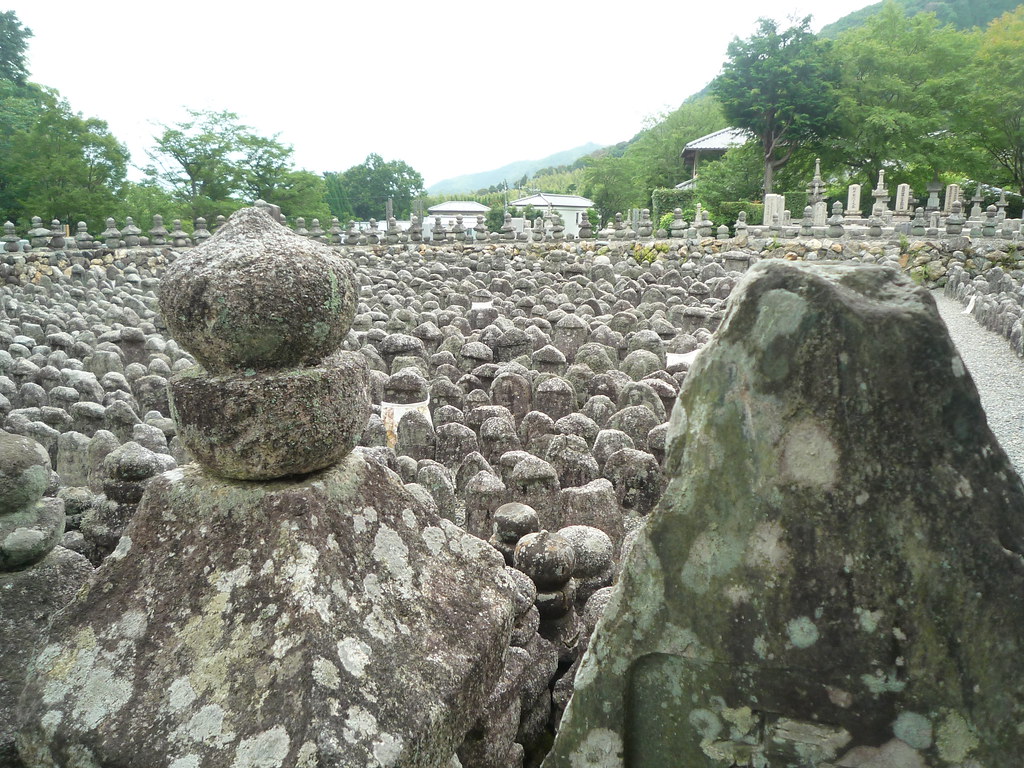
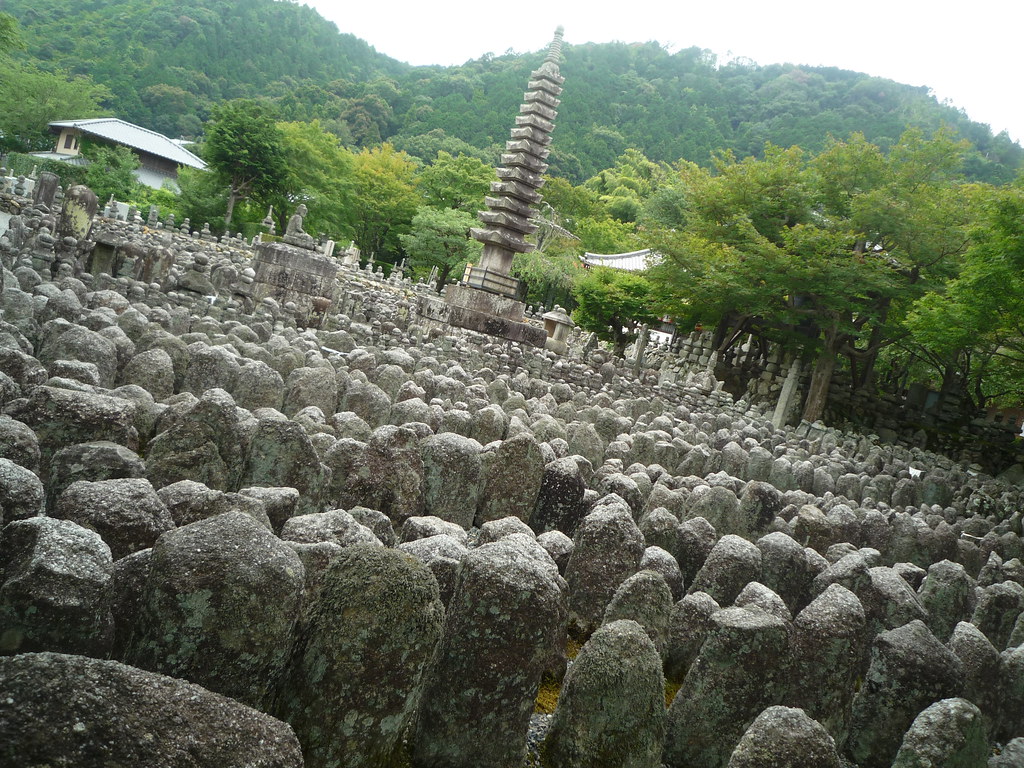
... but it's main reason for existing was as a monument to those so poor and alone as to be abandoned upon their death. Those who could not afford graves elsewhere or had no one to see to their burial had their bones placed here. 


As per Eurasian Hobo tradition, I took a self-portrait in the graveyard. 


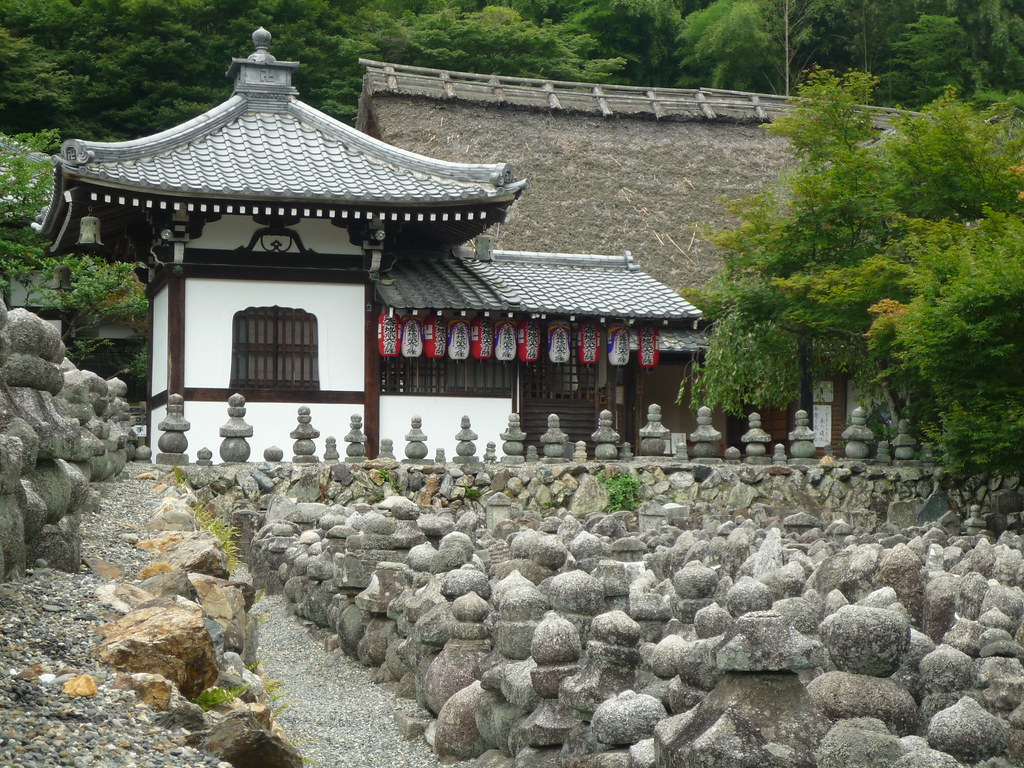
There is a yearly memorial service for the forgotten dead, but on this day it was empty of the living, 
other than me.


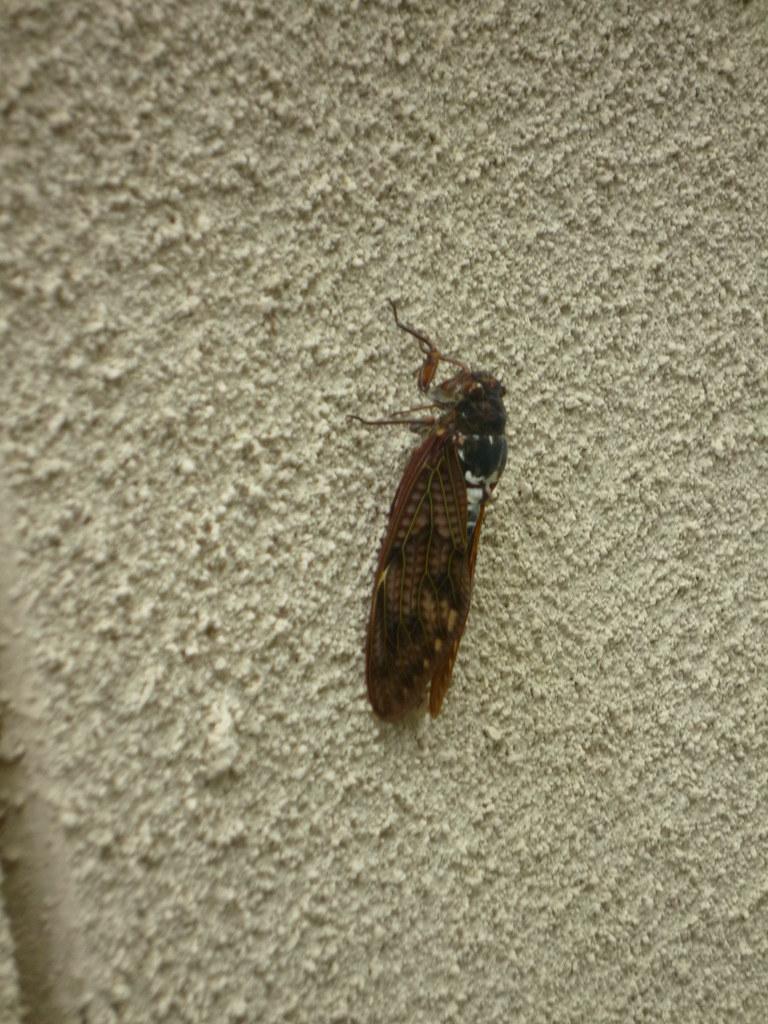
Upon leaving Adashino Nembutsu-ji, I saw a (relatively) large cicada back among the tiny cluster of buildings where I had parked my bicycle. 


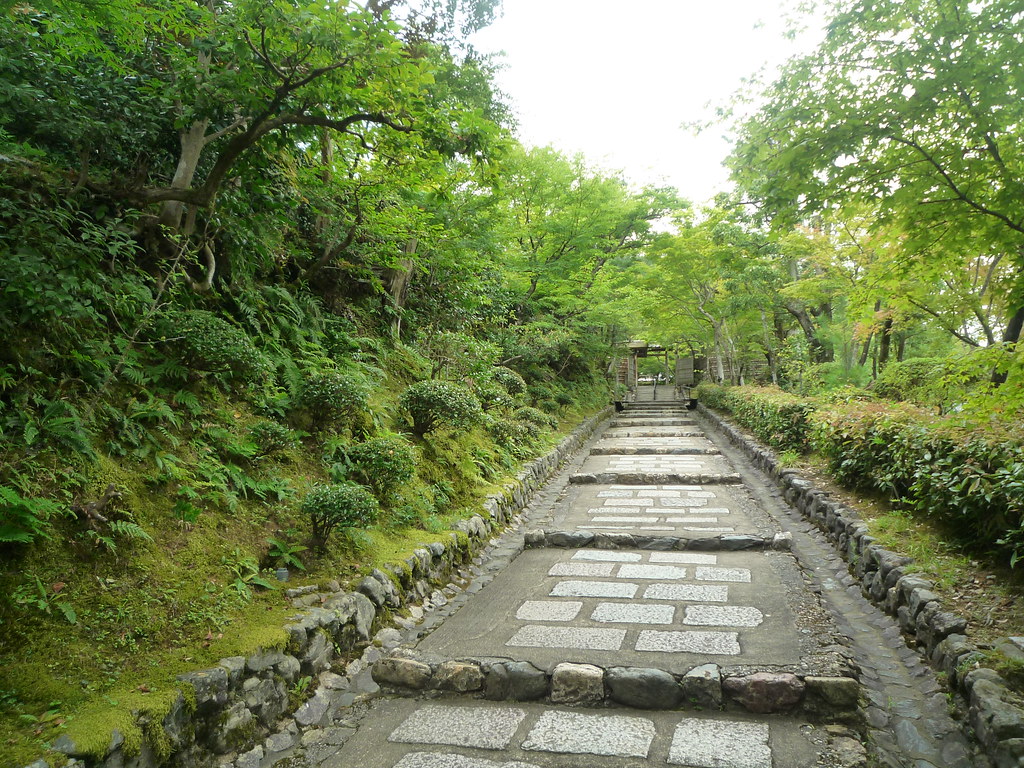
In the nearby hills sat the small temple of Gio-ji. It was so secluded that I was fairly certain for a little while that I had taken a wrong turn. 


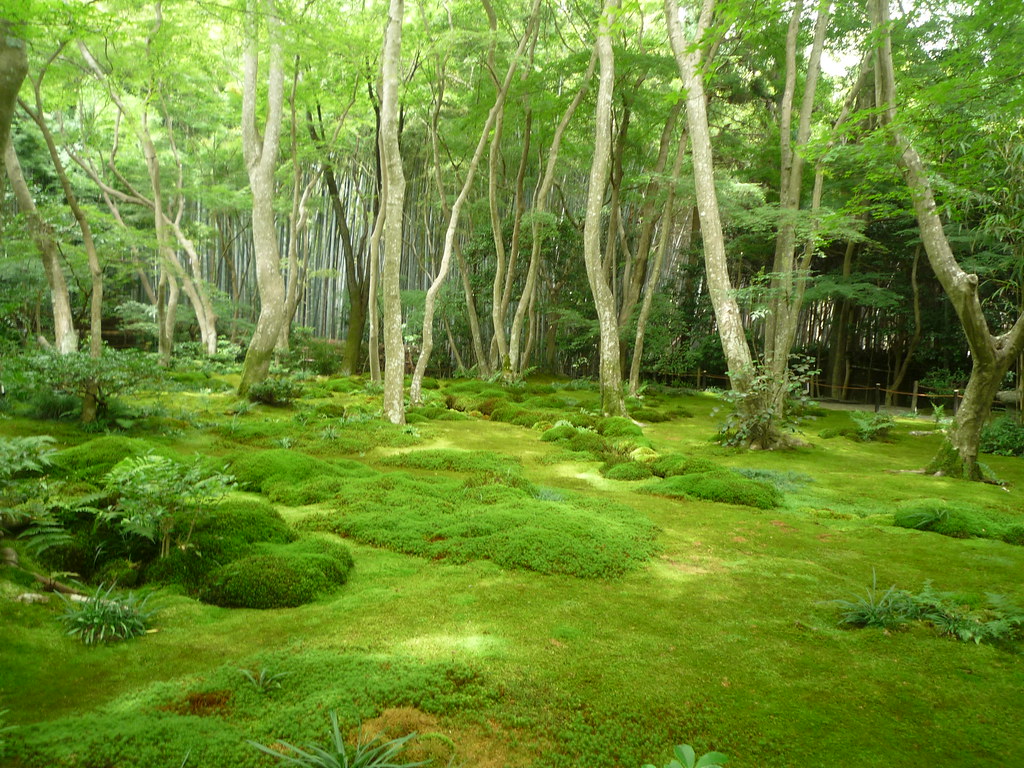
The moss in the gardens seemed to soak in all sound, leaving only the coolness of the shade and the pleasant view of the sculpted gardens.

Japan Day 4, Part 2: Ninna-ji pagoda and guardians

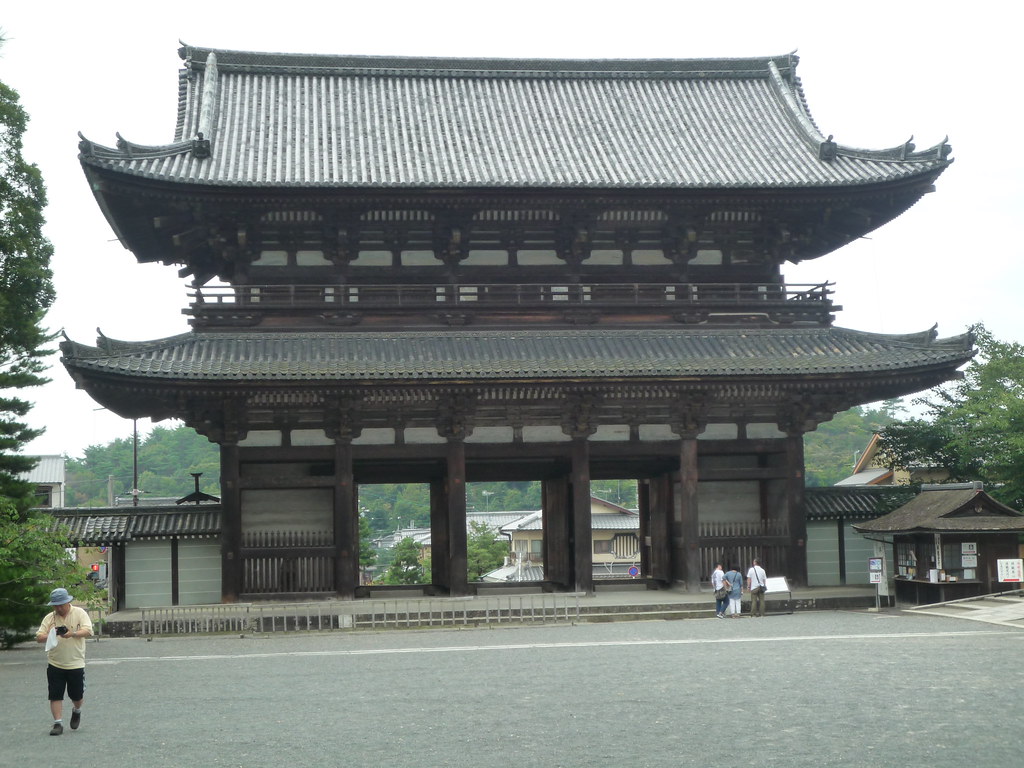
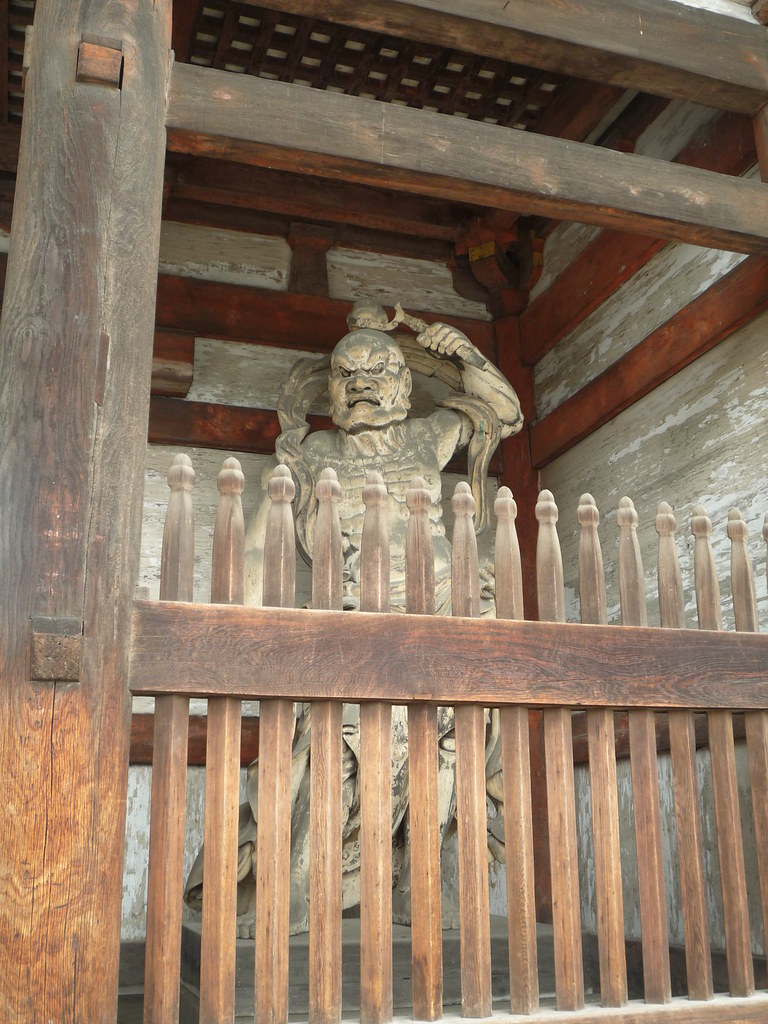
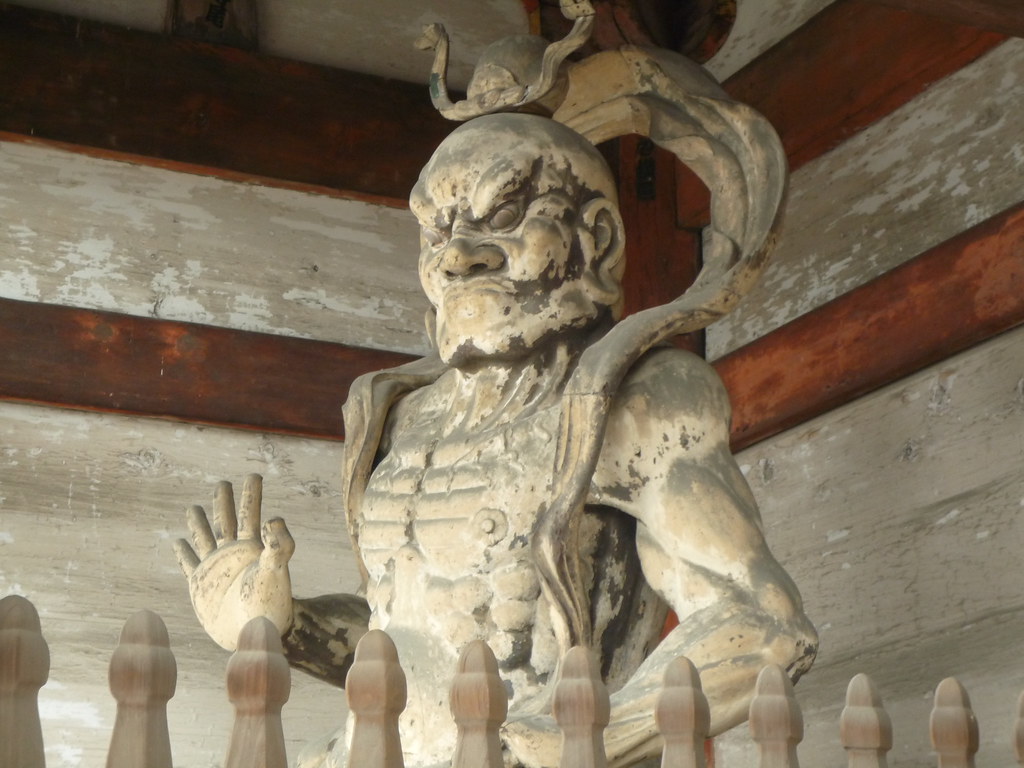
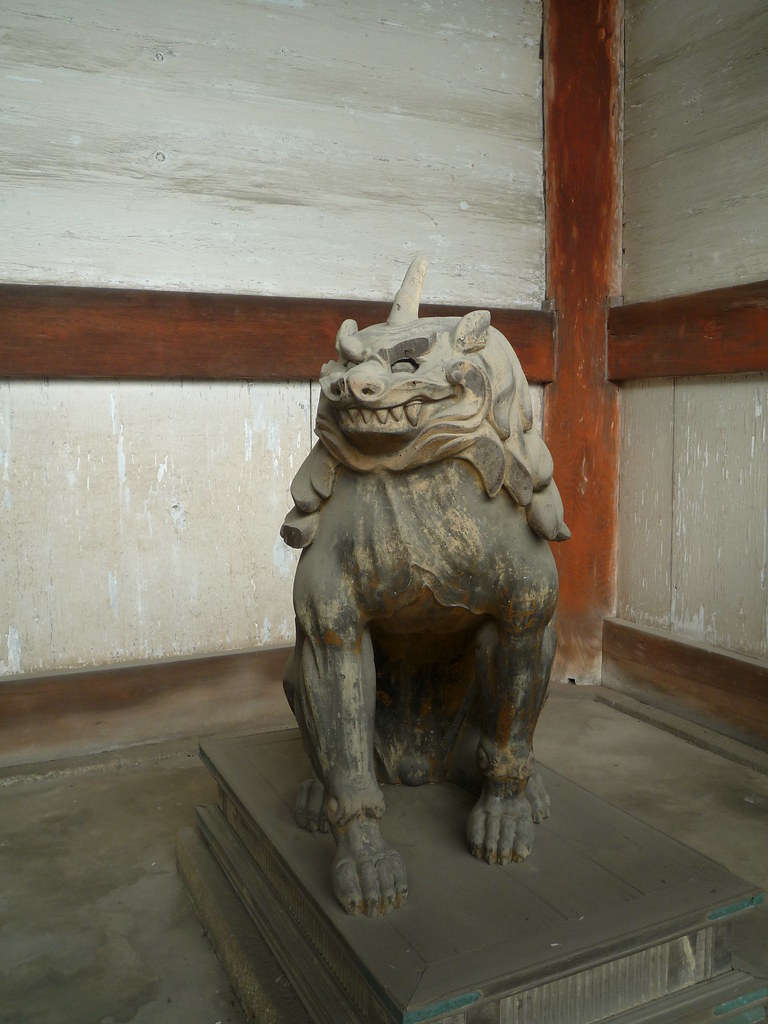
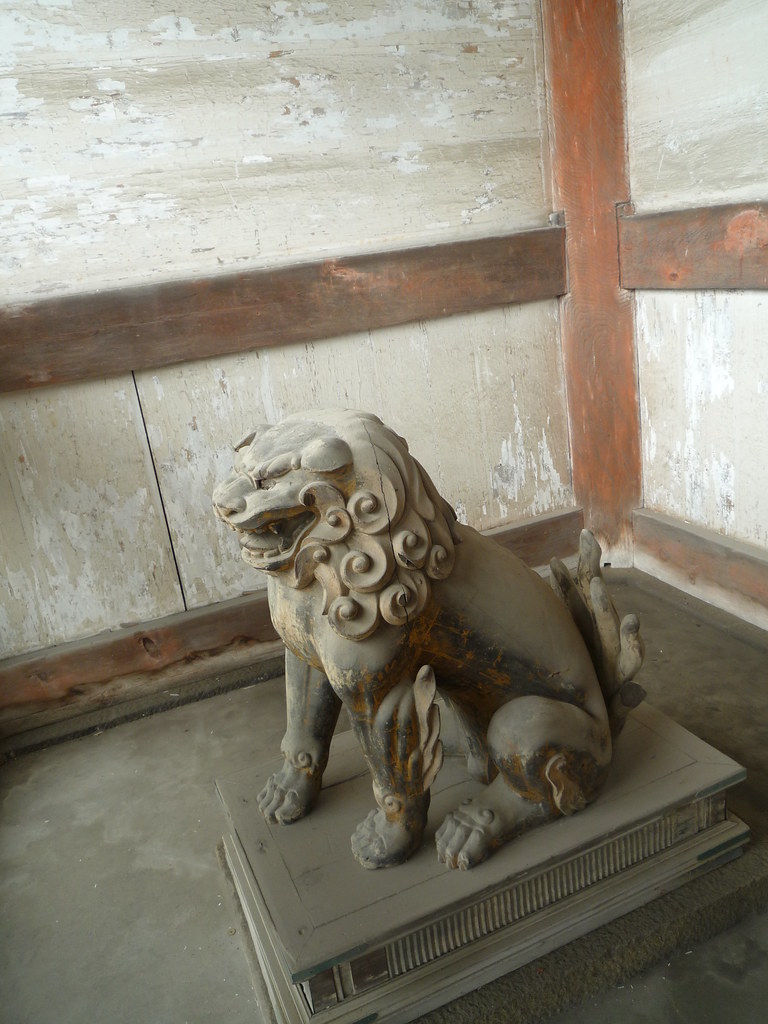
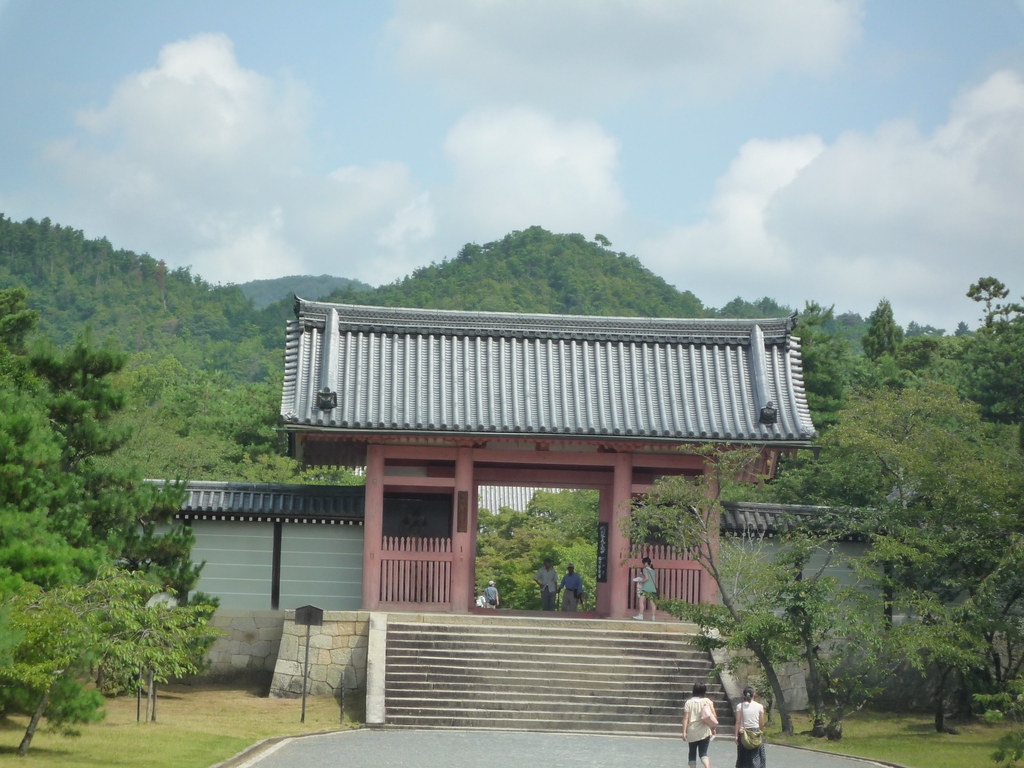
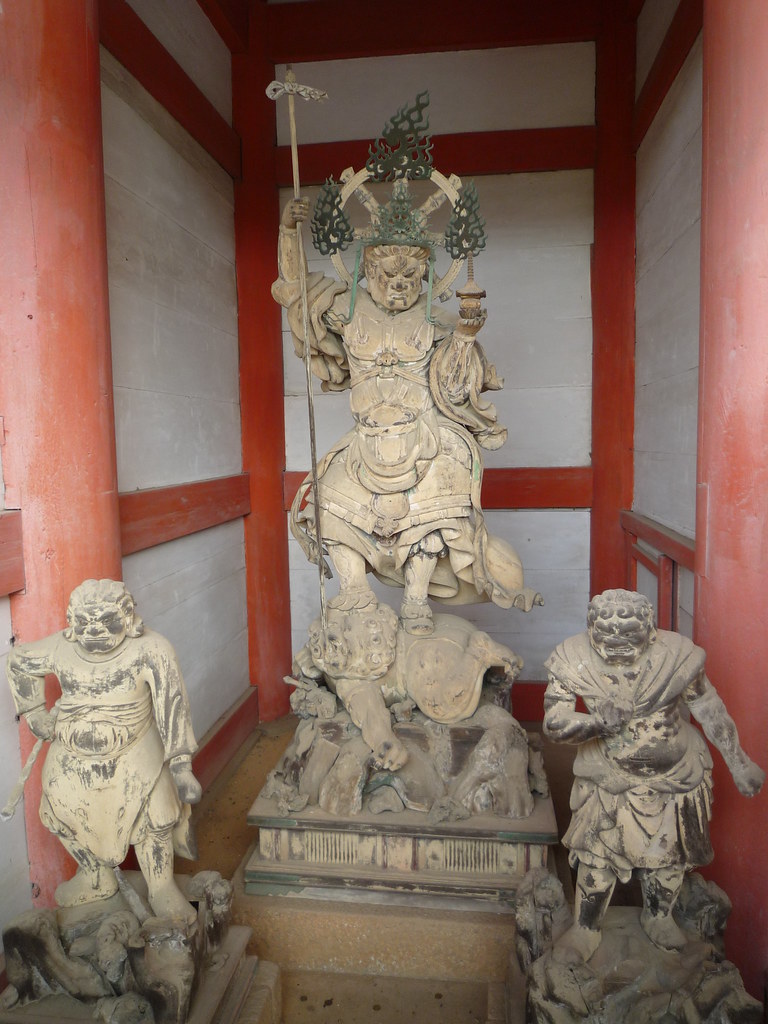
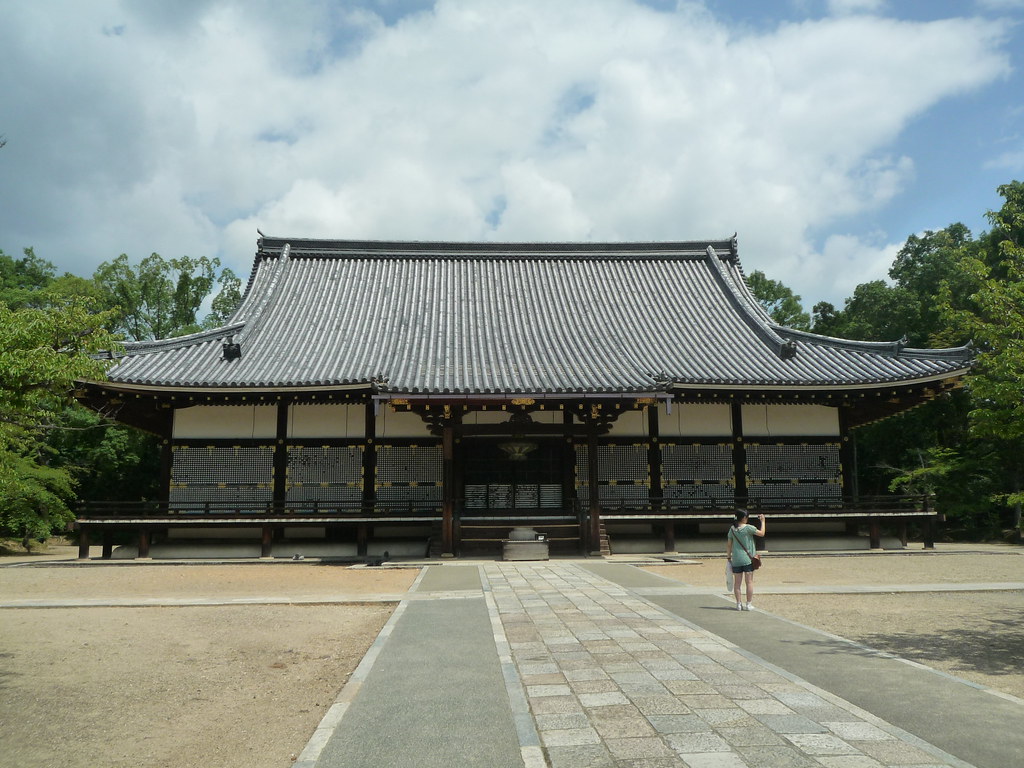
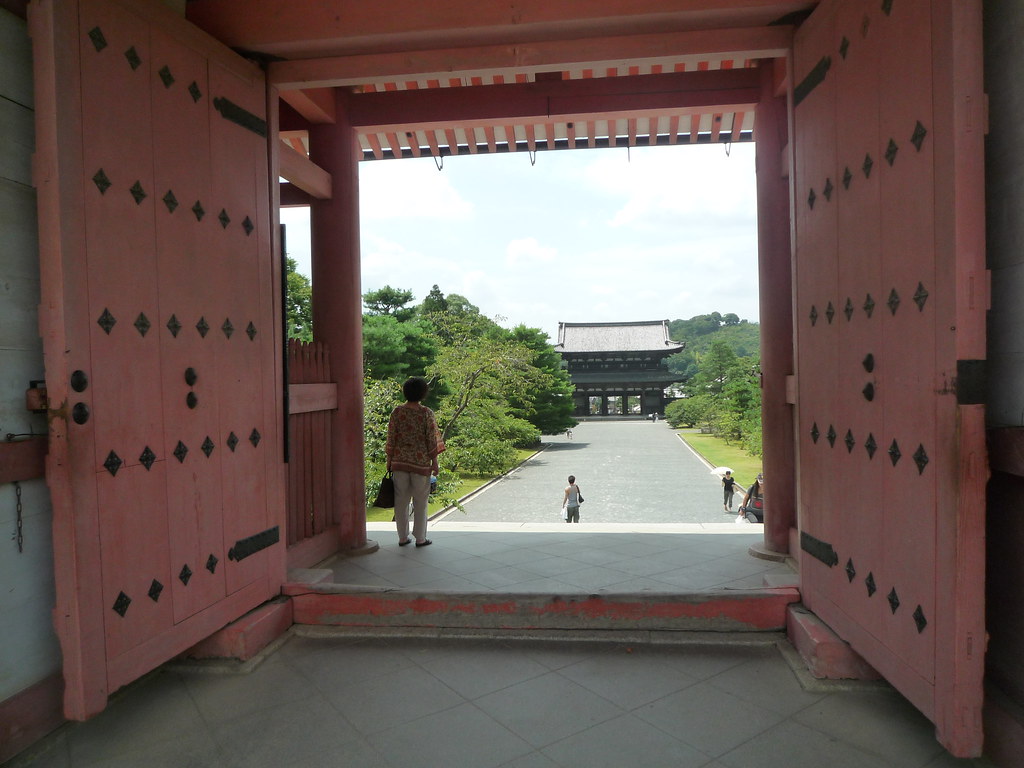
The grounds of the Ninna-ji temple complex are extensive, and even the outlying buildings were hardly small. The main gate was large, and contained enormous wooden statues of guardians. The temple felt as much a fortress as a place of worship.


The expressive statues were the size of fabled giants.


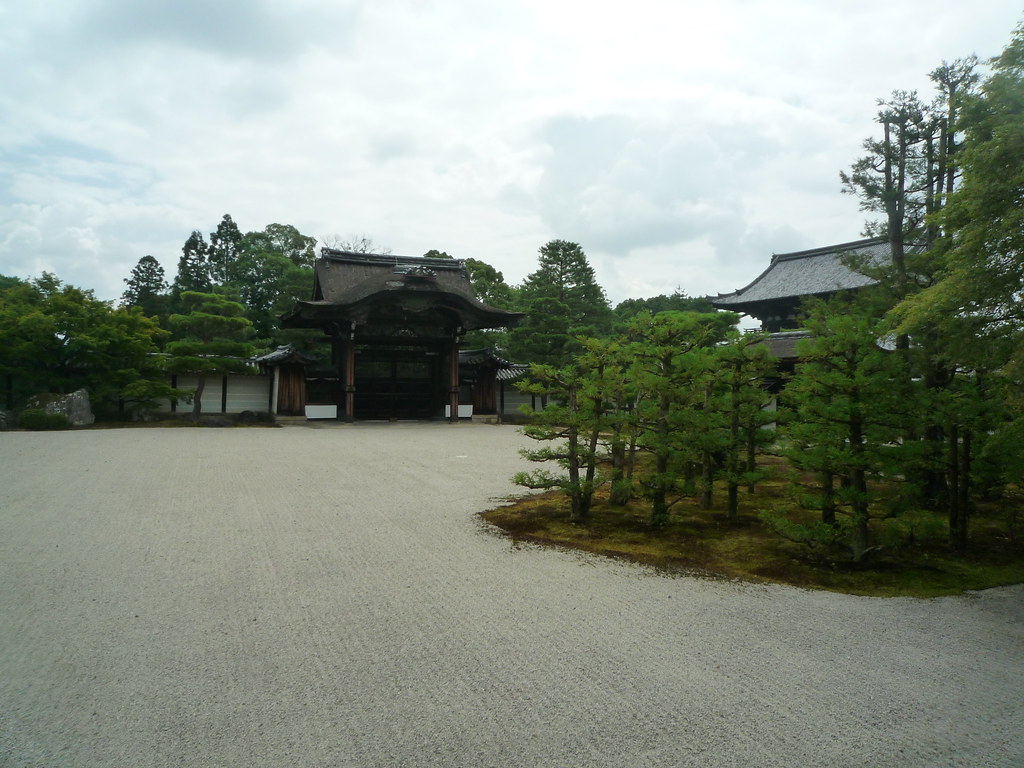
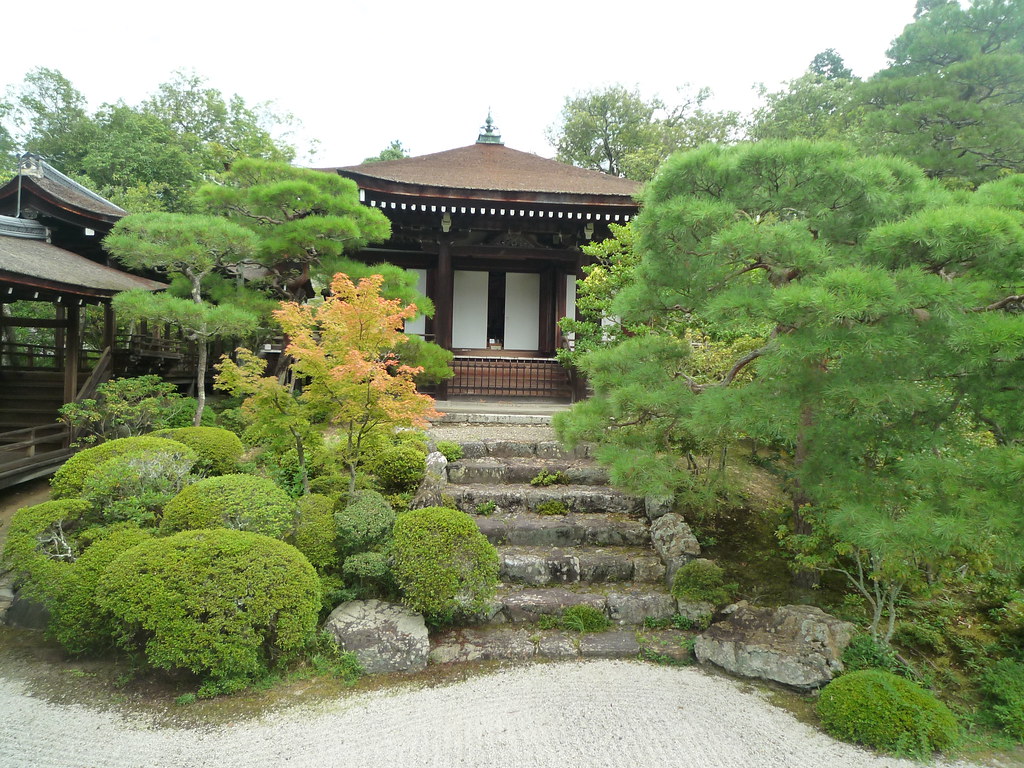
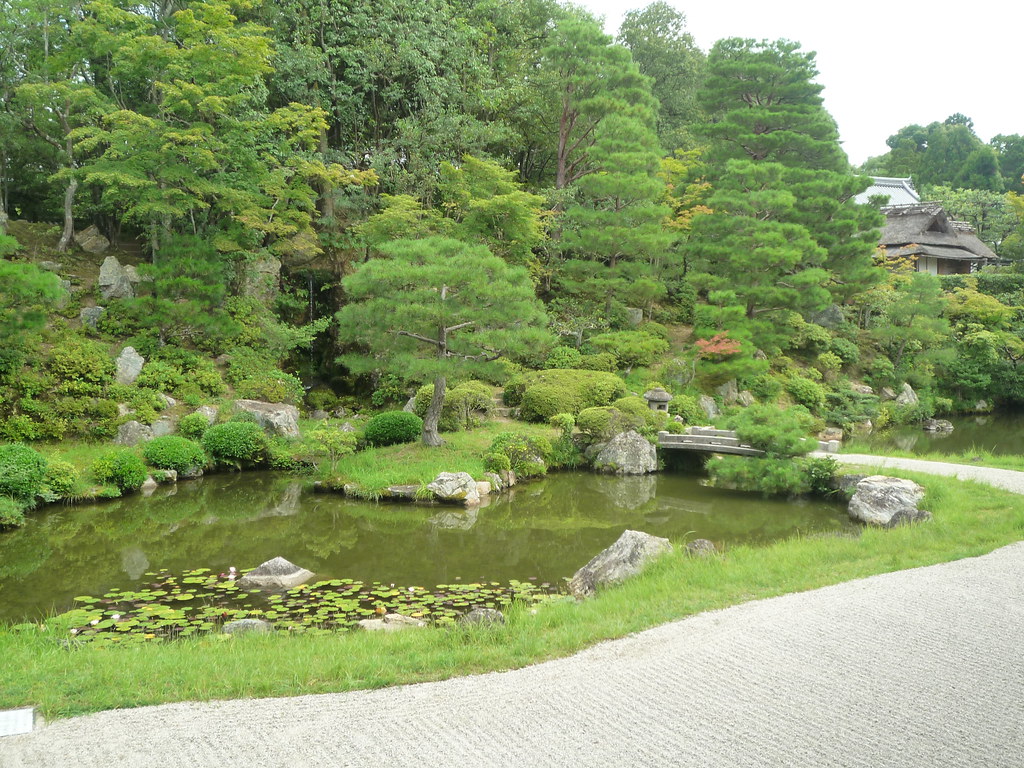
Uphill, further into the grounds, were gardens and small artful temple buildings.


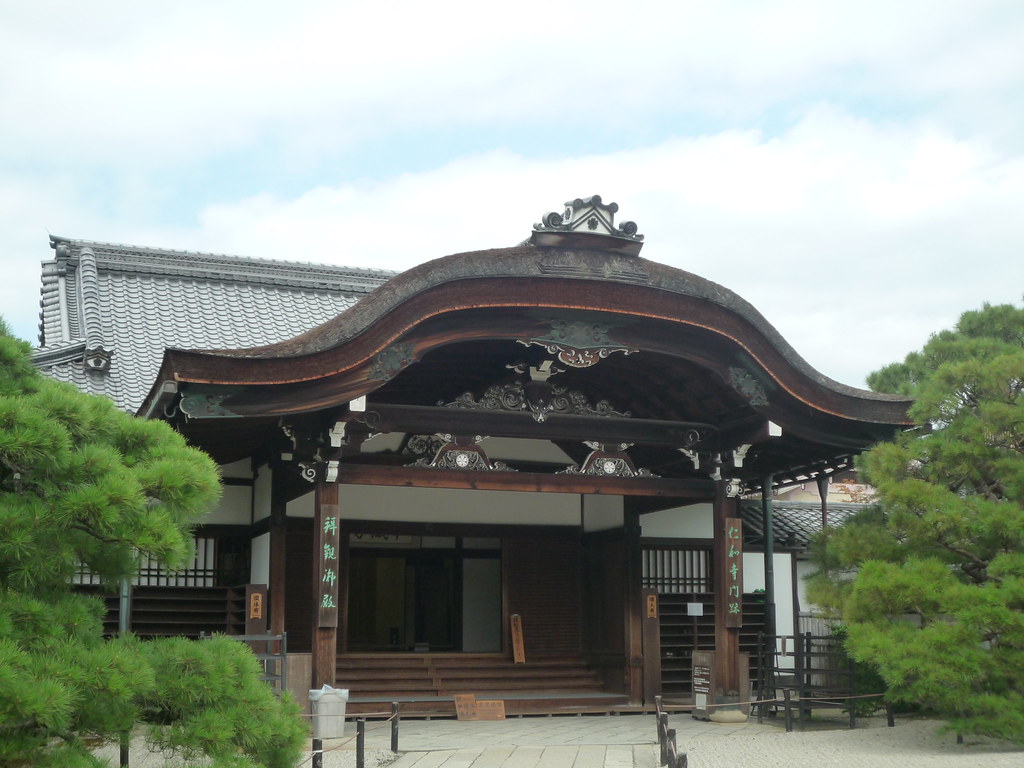
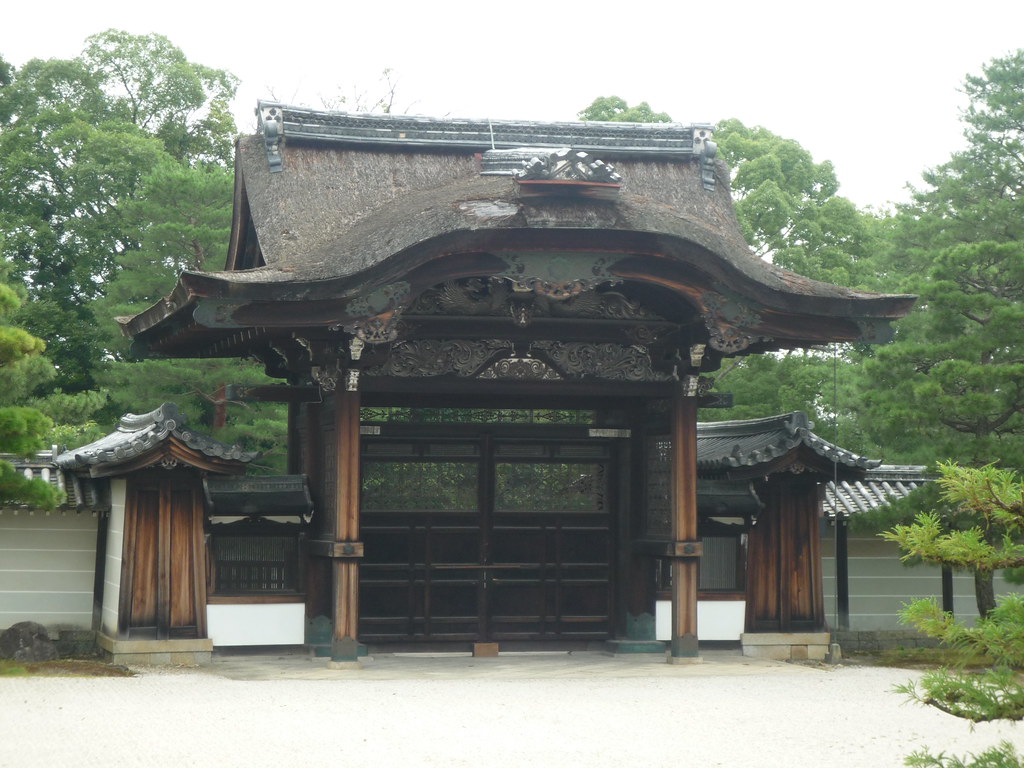
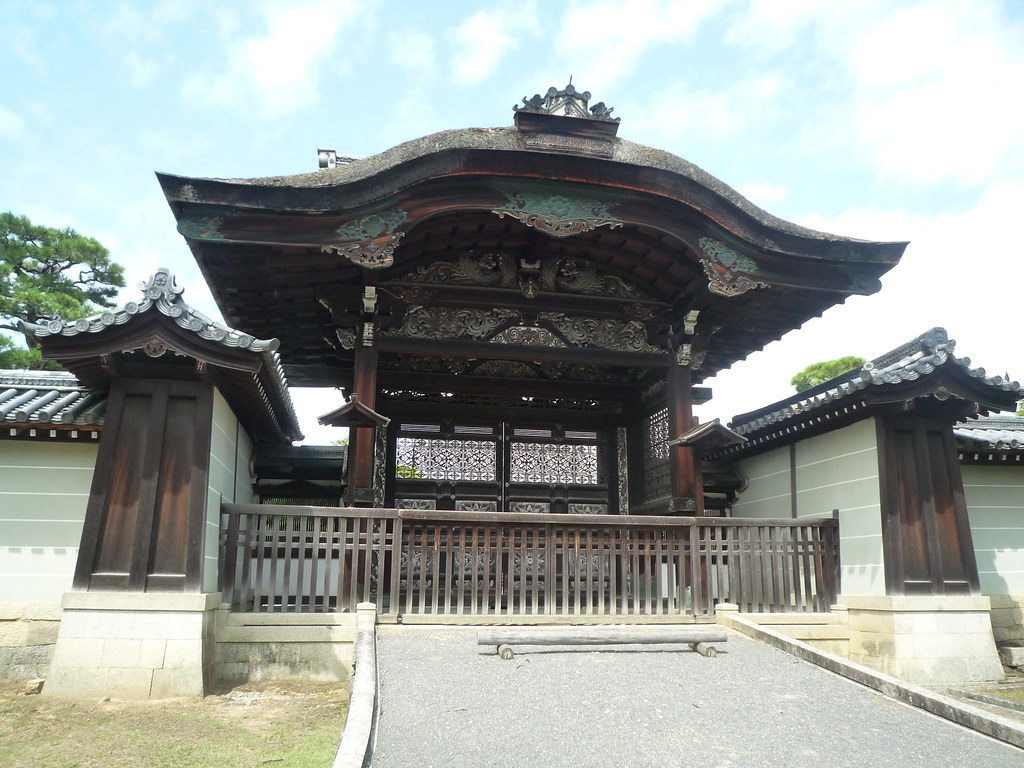
This small gate was ornately shaped.


The curve of the roof of some gates and buildings were designed to be visual continuations of the mountains behind them.


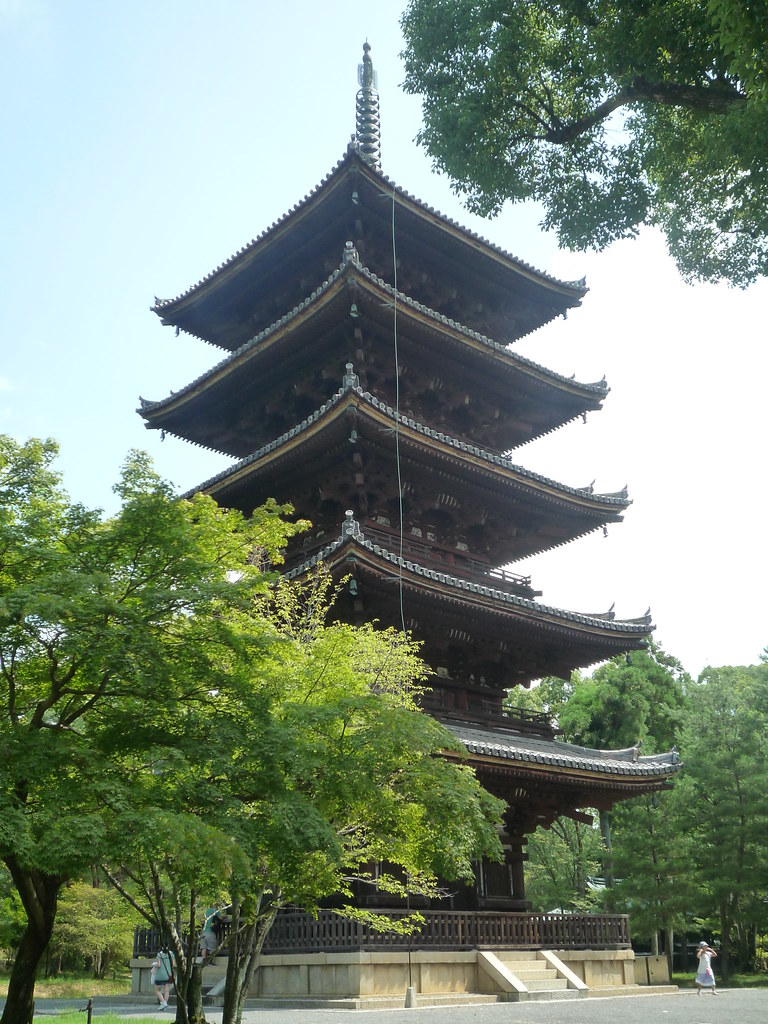
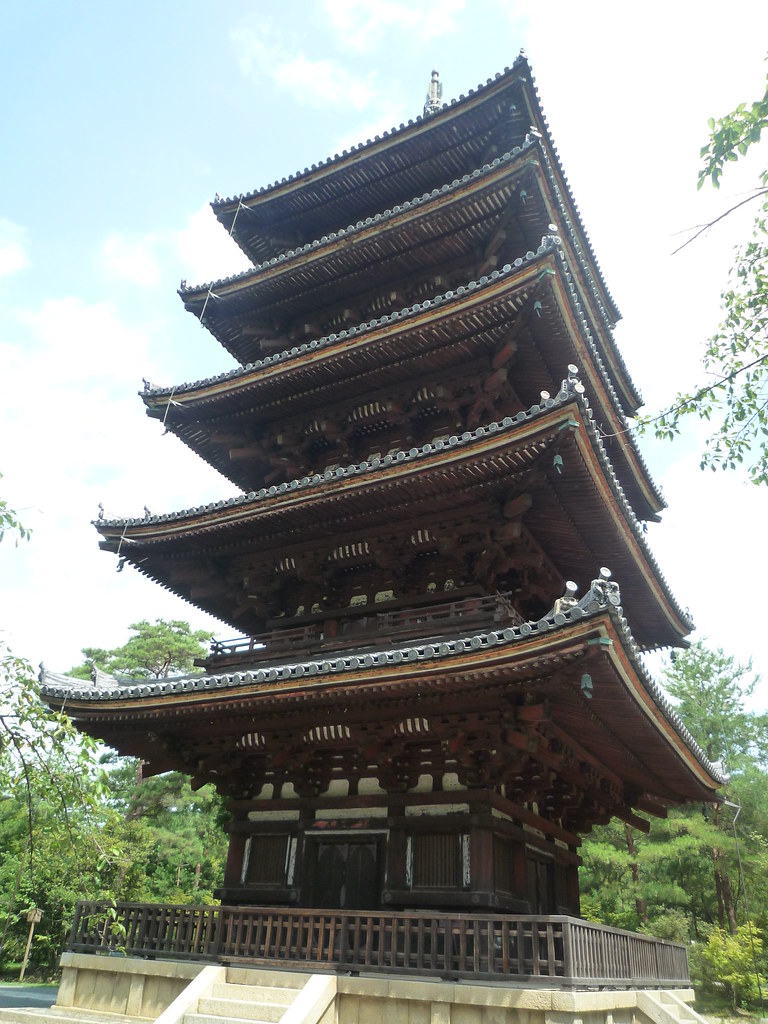
The most impressive point was a five story pagoda.


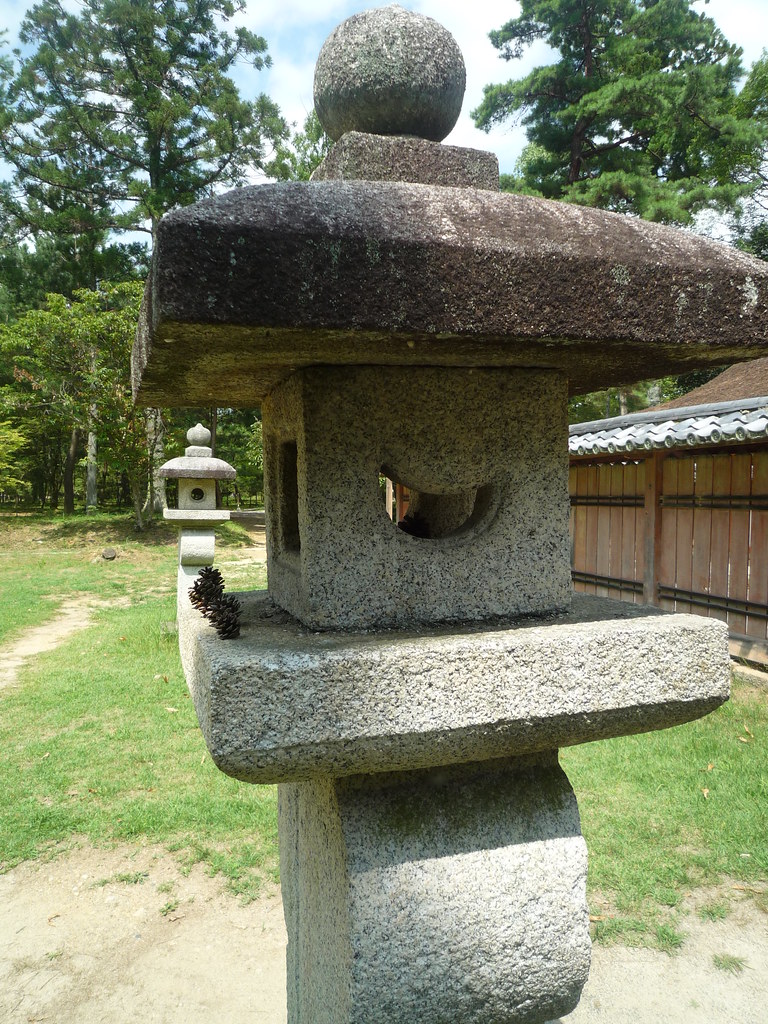
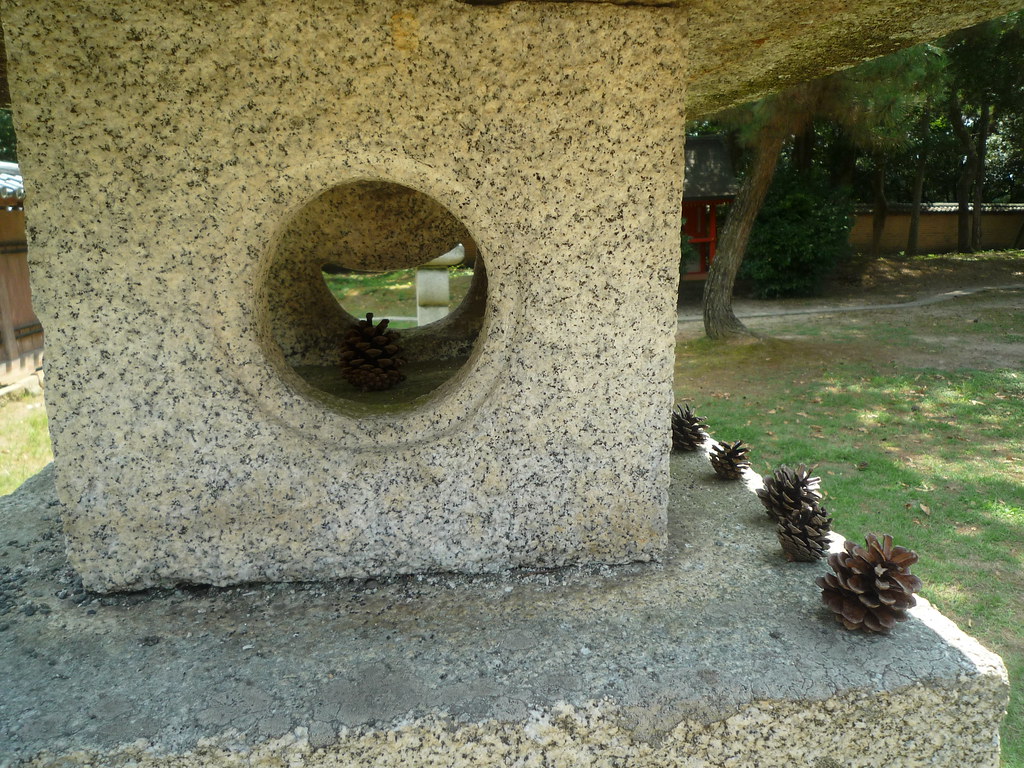
The stone lanterns around the pagoda housed carefully placed pine cones. 


  © Blogger template 'Minimalist G' by Ourblogtemplates.com 2008

Back to TOP