Sunday, January 30, 2011

Colchester: the First Capital of Roman Britain

London is a quick hop from Reykjavik. I think I spent more time waiting to get out of Heath Row (and I didn't even have checked baggage) and taking the train into London proper than I spent in the air. Of course, part of the delay was that I had to buy some wi-fi time to give an ETA to my couch surfing contact for that night. I had (finally, I don't know why I didn't do so years ago) signed up for Couchsurfing, and this was to be my first time trying it out. I spent some time trying to figure out the best means of transport in the UK, only to discover there wasn't one. I didn't really want to be so inefficient as to have a car to myself in a country with public transit (or to learn to drive on the left side of the road), the bus passes were useless since they only work for individual bus companies, which all operate different lines meaning that one can't go across the nation on one bus pass. The rail pass was for all the companies, but only covered fifteen days of travel out of two months, and cost as much as the two months unlimited use pass across the entirety of continental Europe. The buses and trains in the UK are so messed up because Thatcher, in her infinite wisdom, opted for a system that utilizes the worst aspects of monopolies and competitive markets: all of the price and quality of service of a monopoly combined with the cooperation and the simple unified system of competitors at each other's throats.

I ended up taking the full price train Northeast to Colchester, a little town in Essex, East Anglia, that has an unusual castle. The theme of my whole Britain trip was castles and cathedrals, so be prepared for far too many pictures of cornices and battlements, cloisters and dungeons.

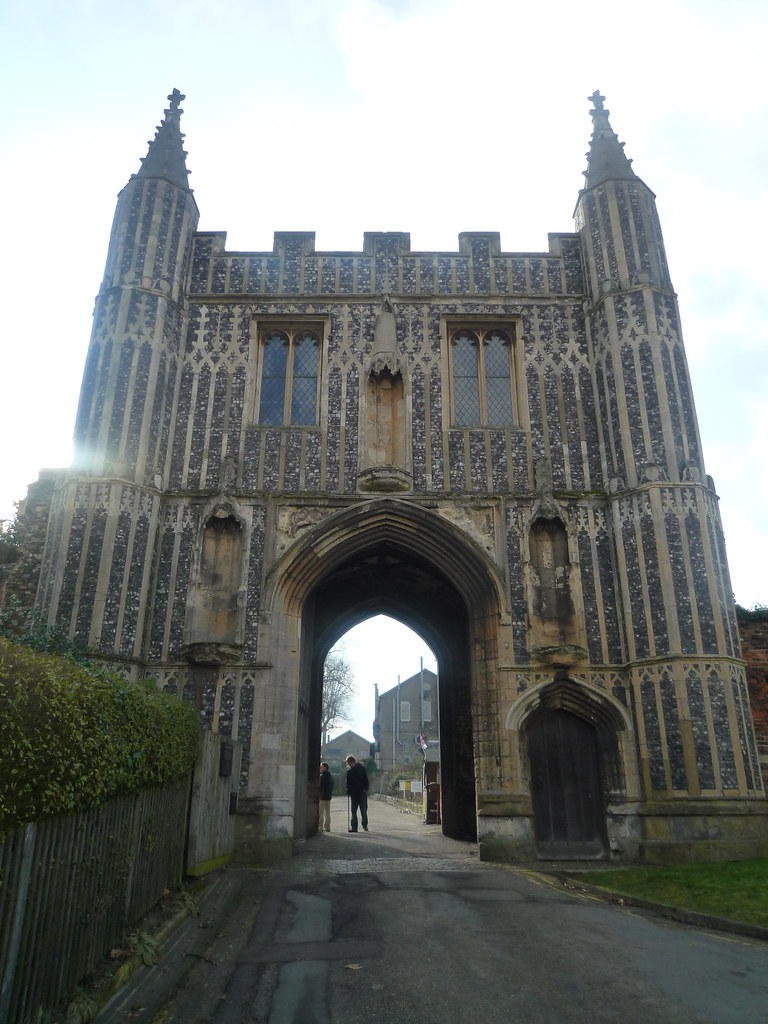
I managed to navigate my way to my hosts' house. I stayed with a family whose sons were both around my age. They treated me to a lovely dinner and I enjoyed discussing travel, philosophy, and maths with them. The next day the son who was visiting at the time and his friend took me on a walking tour of the town. Our first stop was the gate of St. John's Abbey. The rest of the Benedictine abbey is gone, but the gatehouse from the 1400s stands despite being bombarded by Parliamentarians during the English Civil War.

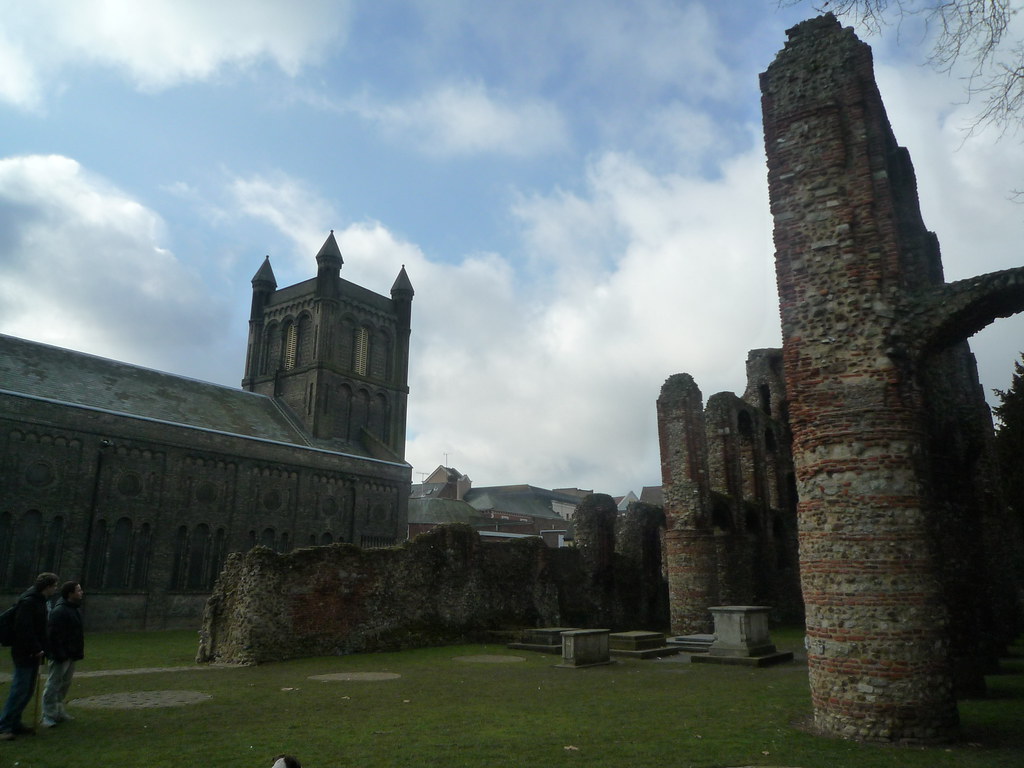
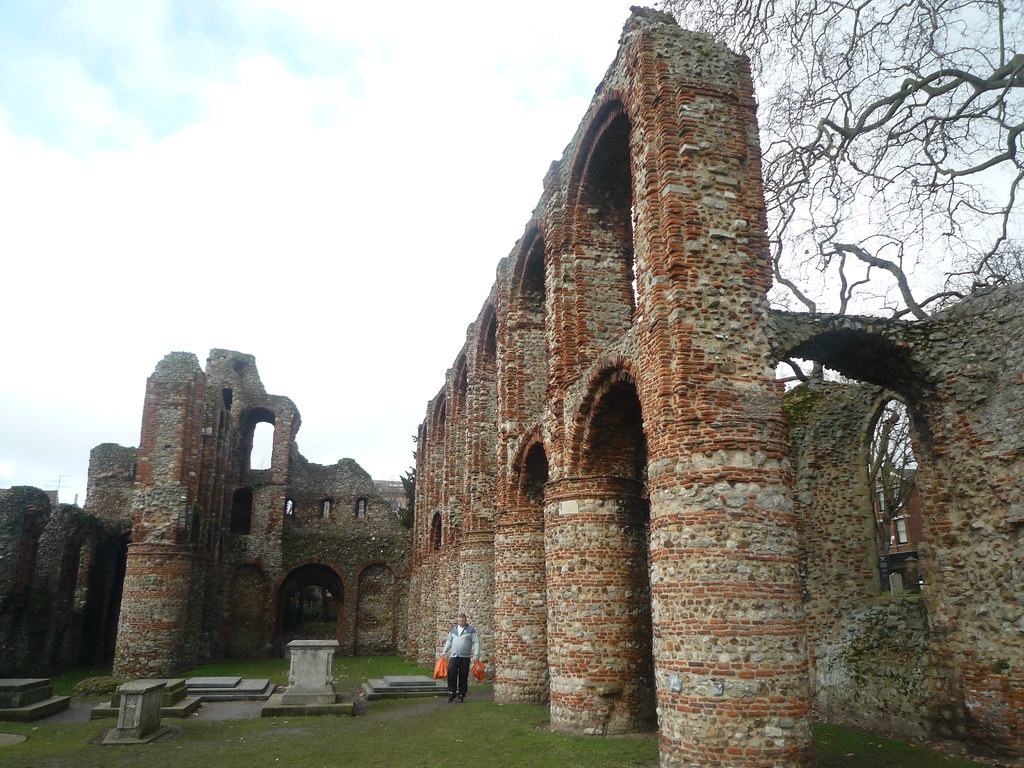
A short walk away lays the ruined nave of St. Botolph's priory. The recycled red Roman brick is quite distinctive.
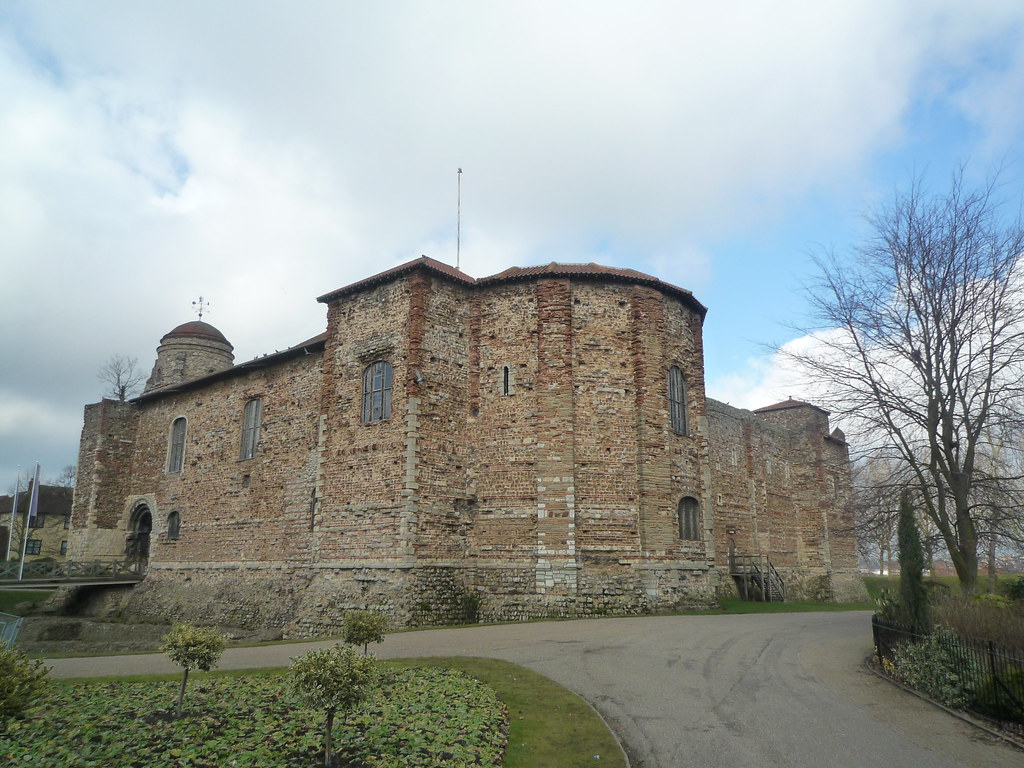
The same Roman brick is part of what gives the castle its unique look. The structure's history goes back millennia to when Colchester was the first capital of the Roman province of Britannia. The location was first a Roman temple to the deified emperor Claudius. The temple was burned down in 61 CE by Boudica, a tribal leader who spearheaded a revolt against the Roman occupation. Despite some early successes (such as burning London to the ground), she and her followers were defeated when they faced the bulk of the Roman army in Britain. 1000 years later the Normans built their widest castle on it, reusing the still rock solid temple foundation and bricks from the Roman town. The castle was used in the 1600s for a jail for imprisoning and interrogating witches. Shortly after that the battlements were torn down and sold as building material by an owner uninterested in history, who also began hauling out the sand from between the arches of the Roman foundation, apparently not realizing that the sand was structurally necessary. The castle was restored, in a sense, by Colchester's member of parliament who was gifted it by his mother-in-law for his wedding. He added the Italianate roof and domed tower, which - combined with the Roman brick - resulted in a structure that would look more at home in Italy than England:


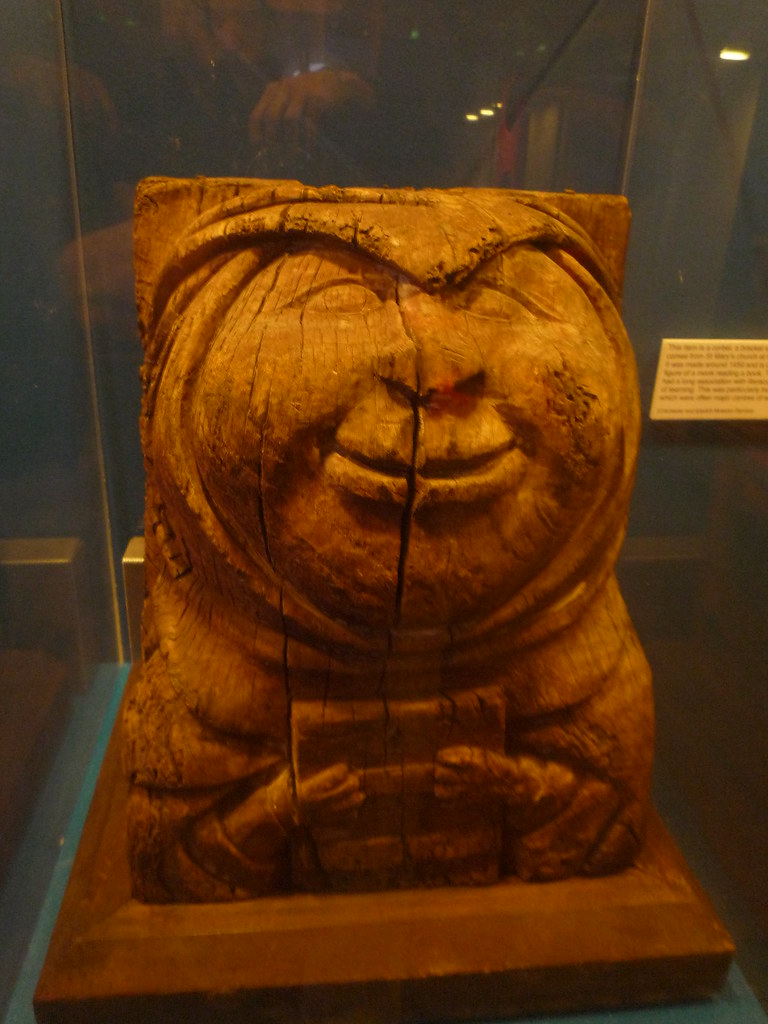
Colchester Castle is now a museum, which is very much worth the price of admission. It gives a clear and well-designed presentation of the history and is full of Roman and medieval artifacts.


The guided tour was highly informative as well, and it is the key to getting down into the vaults and up onto the roof. 
Saturday, January 29, 2011

The Convergence and Decentralization of TV and Film

I knew that broadcast TV was doomed, to be replaced by TV on the internet that can be viewed at any time (TiVo/DVR is a transition technology, like combination VCR/DVD players, that will be phased out). I didn't realize until recently the extent to which movies are going to be forever changed as well. The cost of shooting and editing high quality movies has radically decreased so that anyone with talent can make one, not just giant studios. And of course distribution is no problem on the internet. The term 'independent' may drop out from in front of music and movies, not due to a lack of independent art but due to the absence of anything against which to contrast it.

This realization came when watching short films that are better than almost anything that a production studio has ever put out. Projects like Future Shorts and films like these on Vimeo are creating shorts that have more beauty and power in each minute than the average Hollywood film has in the full two hours. Soon full length films of this kind will become common as well, or better yet, the idea of 'full length' will be lost altogether and stories will just be told in the length it takes to tell them, be that five minutes or fifty hours. Long form TV is becoming less episodic to the point where shows are only indistinguishable from absurdly long movies by the presence of theme song intros and the frequency of the credits rolling. The Wire, Rome, Mad Men, Boardwalk Empire, Band of Brothers, and the like may not simply be the future of television, but the future of audio-visual art.

I'm currently reading The Singularity is Near, by Ray Kurtz, which (appropriately) may be the last physical book I ever buy now that I have a Kindle. The central point of the book is that technology is advancing and growing exponentially, and we are just starting to enter the knee-bend of the parabola where it really begins to shoot upward. This will revolutionize every aspect of our lives, and we should remember that art is a part of that, which is all the more important since that new technology should also provide us with lots of time to pursue what we love.

Friday, January 21, 2011

Fractal Worlds: Awesomeness Beyond Words

Thursday, January 20, 2011

An Iceland Addendum

I'll leave you with Iceland's tourism campaign:


This video features another wonderful song by Emiliana Torrini. There was an absurdly long concert (at least 4 hours) titled Inspired by Iceland, which is fully documented on the eponymous Vimeo channel (for those who are unfortunate enough not to know, Vimeo is like youtube, but with standards and quality). The channel also has interviews with everyone from Viggo Mortensen to Terry Jones to Yoko Ono on how Iceland has inspired their work.

The Terry Jones interview lead me to the Monty Python sketch about an Icelandic Saga:


Update: Also, this is absolutely gorgeous:


Monday, January 17, 2011

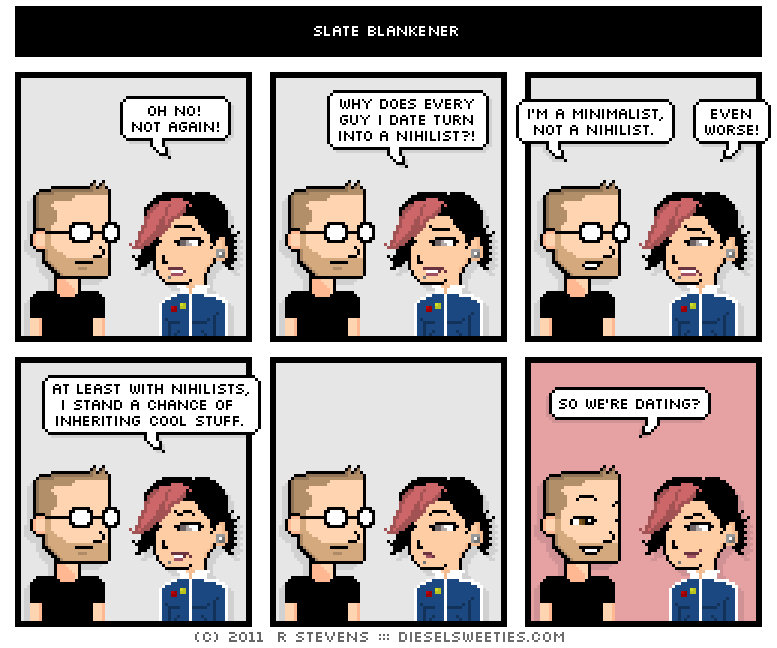
Shit, I'm a Nihilist AND a Minimalist


I regularly read Diesel Sweeties, but rarely does it fit my life this well. 

Sunday, January 16, 2011

The Blue Lagoon

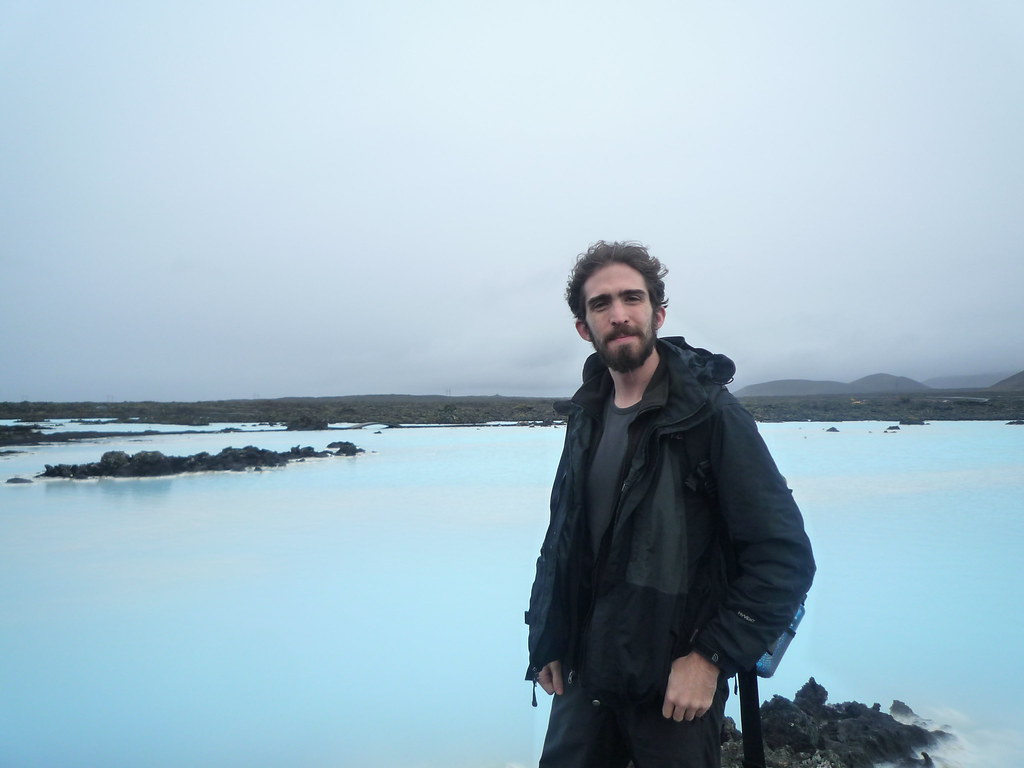
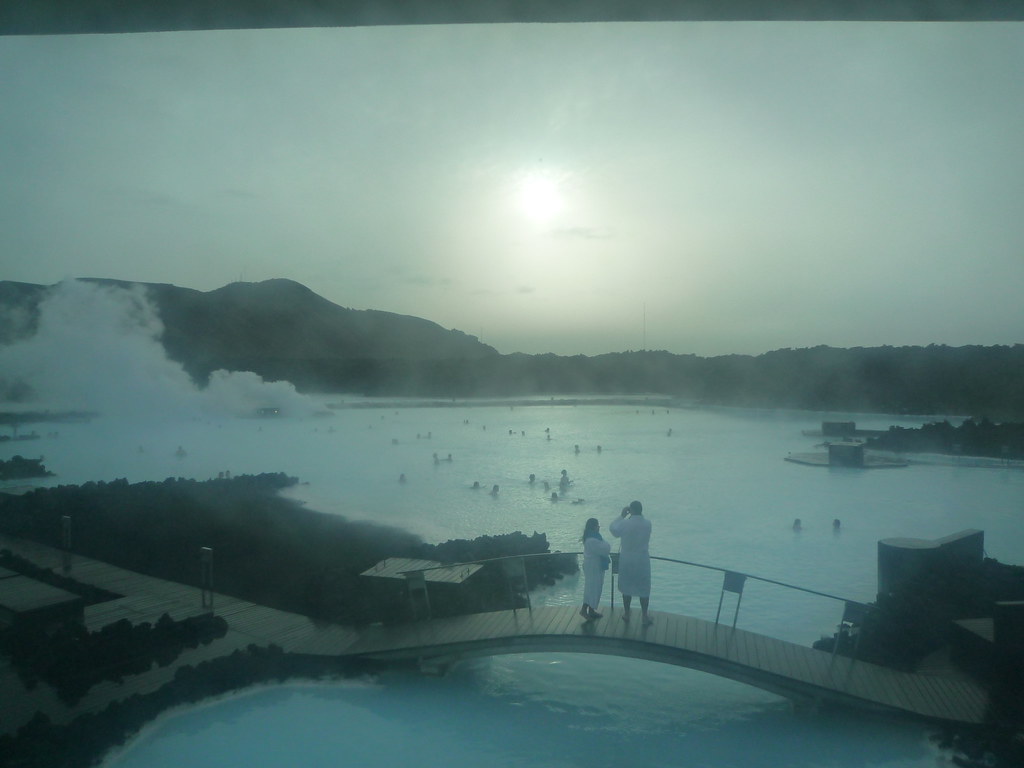
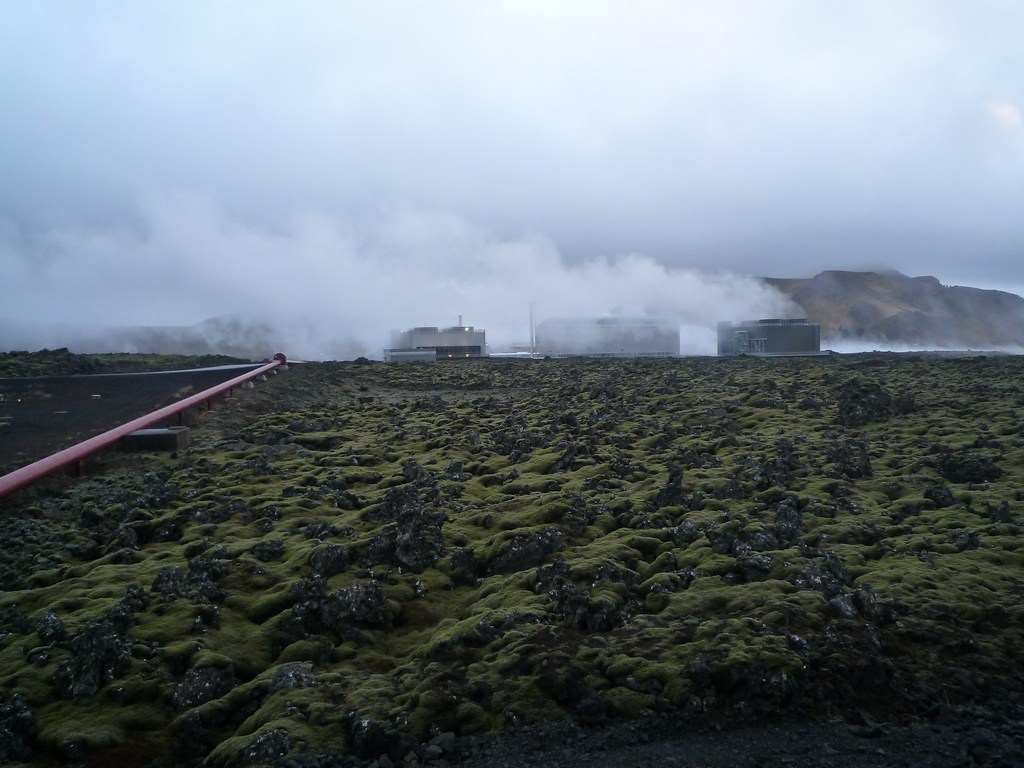
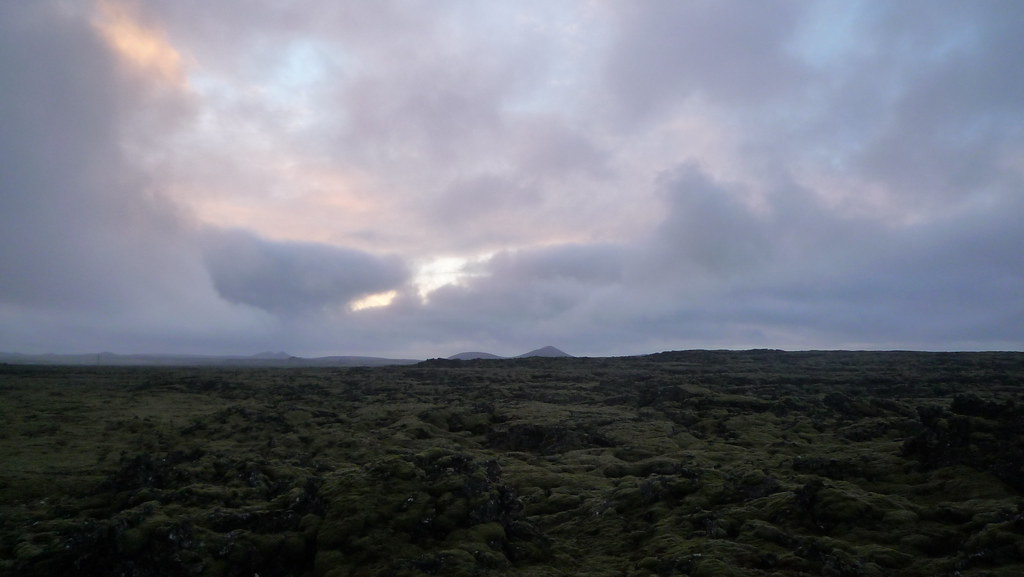
I spent my final day in Iceland at the famed Blue Lagoon. As I had read, it was both overly touristy, overly priced, yet still worth seeing. The water all around was a milky baby blue and looked rather surreal sitting in the lava fields.


I'm often asked if it was cheap to travel in Iceland. I thought it would have been since the entire country actually went bankrupt. However, while the currency fell in half, the prices doubled, which is of course terrible for the people living there and made it no cheaper to travel than it had ever been. The Blue Lagoon's prices had tripled in the three years since my Lonely Planet was published, and that's not even counting the bus ride out there.

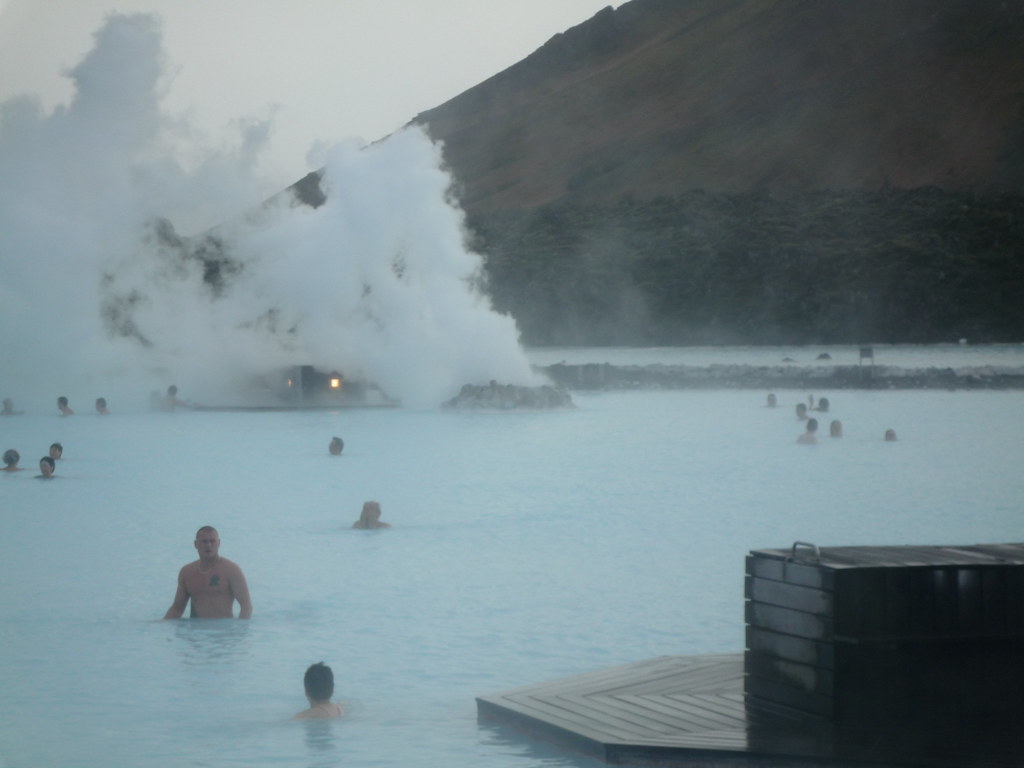
Inside the manicured swimming area there were steam rooms, mud-floored pools, and fake steam vents where even warmer water bubbled forth. The mud here purportedly helps people's skin due to the high mineral content (or something), and there were stations where gobs of the chalky white mud waited to be applied.


After a couple hours I felt that I had soaked enough and headed towards the airport. My plan was to walk the 26 kilometers to the airport. The bus ticket to the lagoon included a shuttle to the airport, but it only ran twice a day, once half an hour after I arrived and once far too late for me to catch my flight the next day. It actually worked out well since I had all night with nothing to do anyway before my early morning flight and, as my fellow European Hobos know, the cheapest way to the airport is to walk.


I had some nice views of the sunset over the lava fields. Before it was fully dark a man pulled over and offered me a ride. I thought it was rude and thickheaded to refuse (though I almost did out of a stubborn desire to avoid taking the easy way) and he sped me on to Keflavik International. I then of course had all night in a shut down airport without free internet. I first walked a few kilometers to the actual town of Keflavik where I had one last Icelandic style seafood dinner. On my walk back a woman offered me a ride and seemed concerned for my safety walking along the narrow road in the dark so again I assented despite the fact that I would have that much more time to kill in the airport. An airport worker said there was no sleeping at the airport so I spent the whole time making plans for Britain and doing non-internet things on my computer. In the morning the airport began to show signs of life and I was able to sleep on the hop over to London.

Reykjavik Night Museums

I had a few more days in Reykjavik before heading on to Britain, but I had seen nearly all there is to see in the small capital, so I spent quite a bit of time reading comics in the library, playing video games in an internet cafe, and updating this blog about the end of my time Korea to keep up appearances. Wow, I feel exceedingly dorky admitting that, but I'm pretty ok with my nerdiness. One day there was (oddly) a concert in the library where what looked like junior high or high school students rocked out in the normally quiet space.

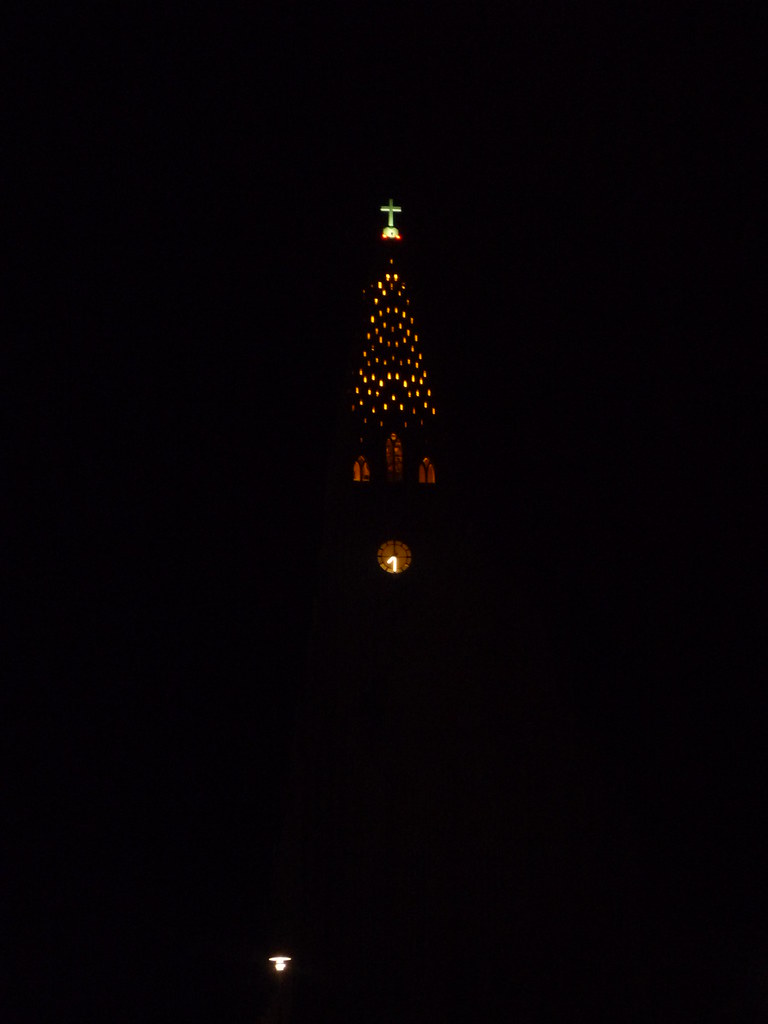
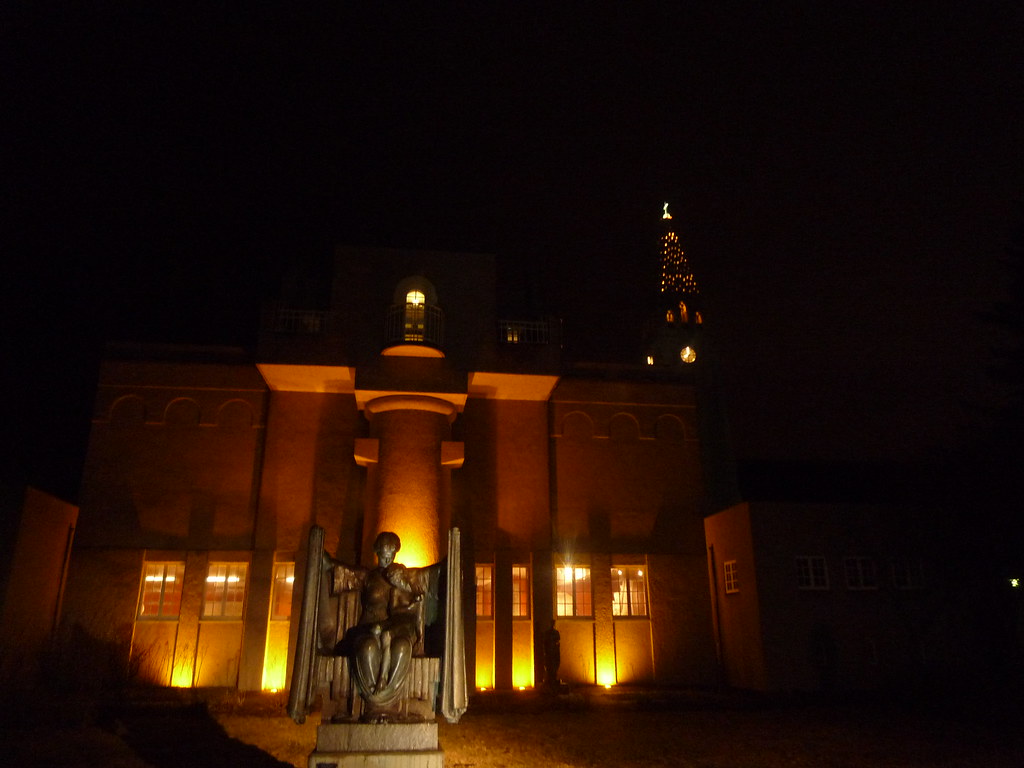
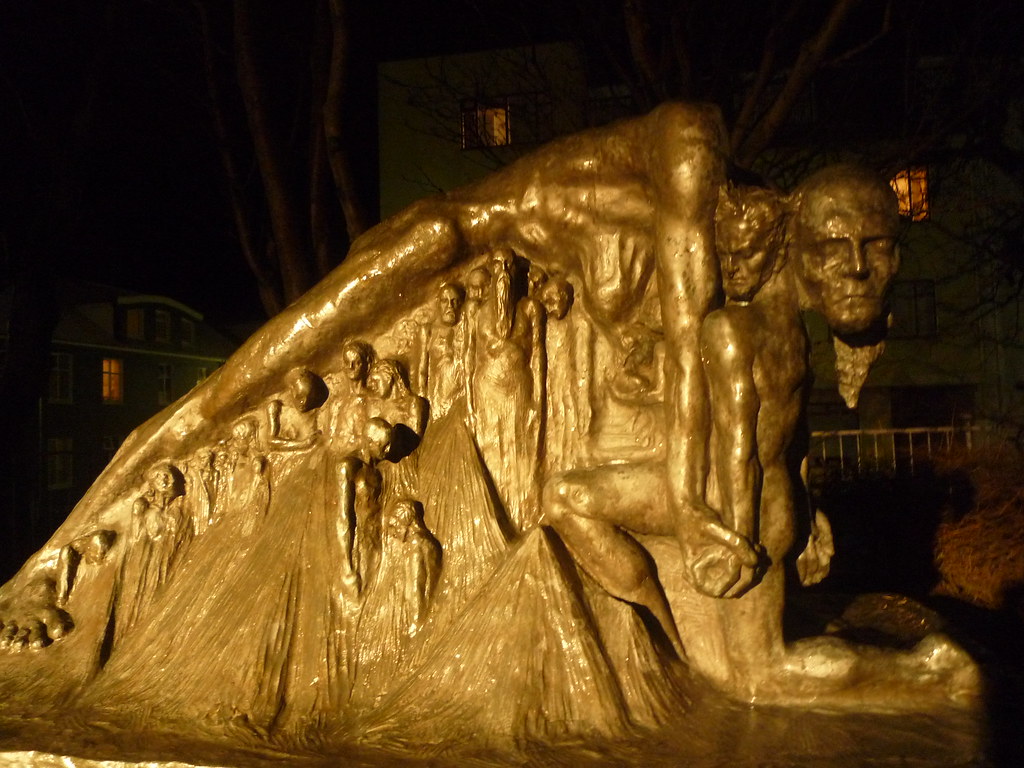
I was lucky enough to have the season's Night at the Museums fall during this time. All of the city museums and attractions were open well into the evening for free showings. I had been to most of them but had not yet managed to see the Einar Jónsson museum, which sits right next to the emblematic basalt-themed church I mentioned earlier. Jónsson presciently realized that this hill (which was completely undeveloped at the time) would become the center of Reykjavik and so picked it as the location for his museum. He donated his life's work to Iceland on the condition that the museum be built to house it. He designed the building and lived in it as he continued to work.


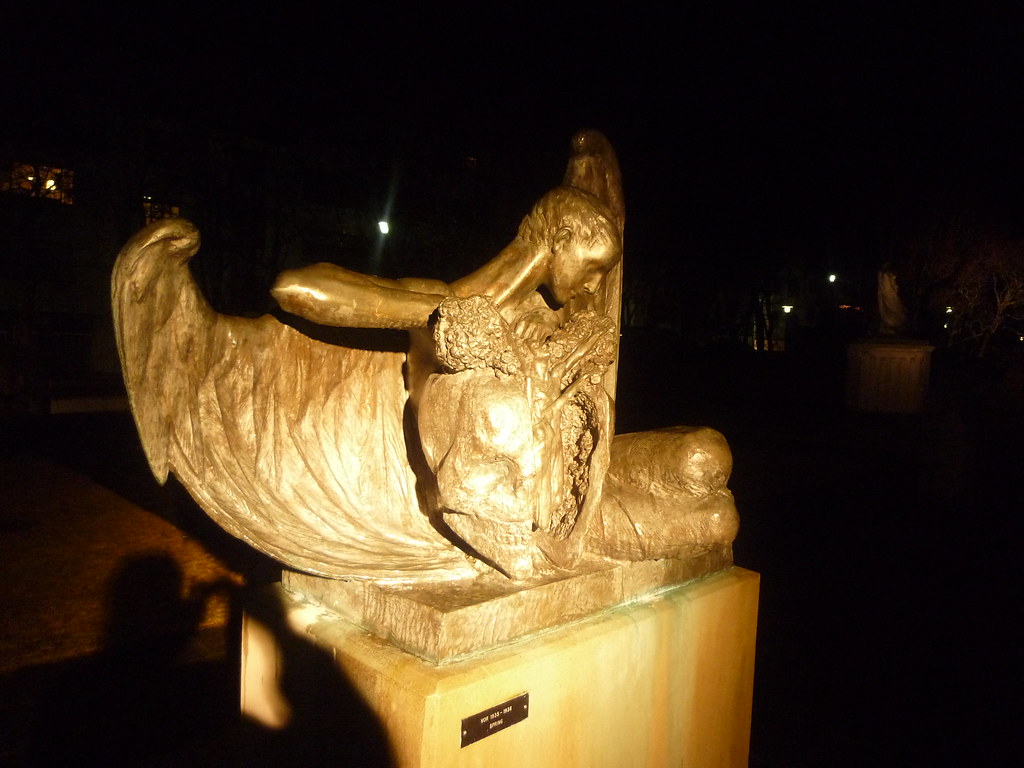
I had seen a few of Einar Jónsson's statues and correctly predicted that this would be my favorite collection of Icelandic art. I probably would have photographed all of the statues had it been permitted, so instead I only took pictures of the best lit of the ones outside.


The statues use powerful imagery to address topics such as death, relationships, and religion.


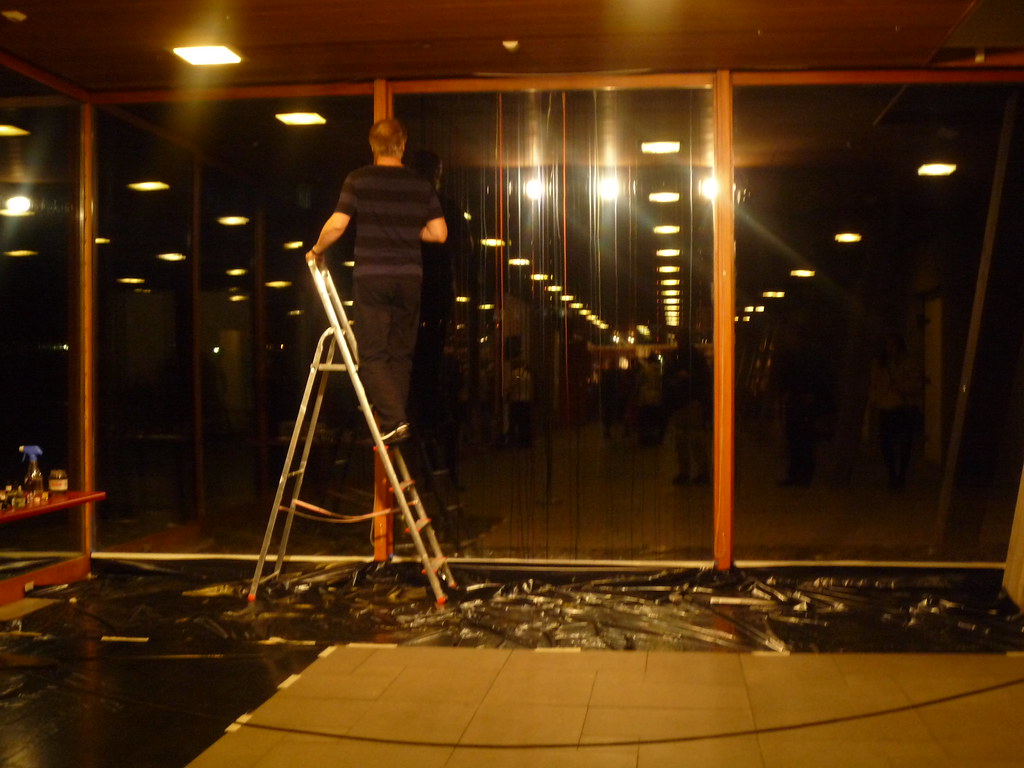
The other museums mostly had the same art up that I had seen earlier in my visit, though there were a few new exhibits, including one in process where the artist was dripping paint down the windows of the museum itself. 


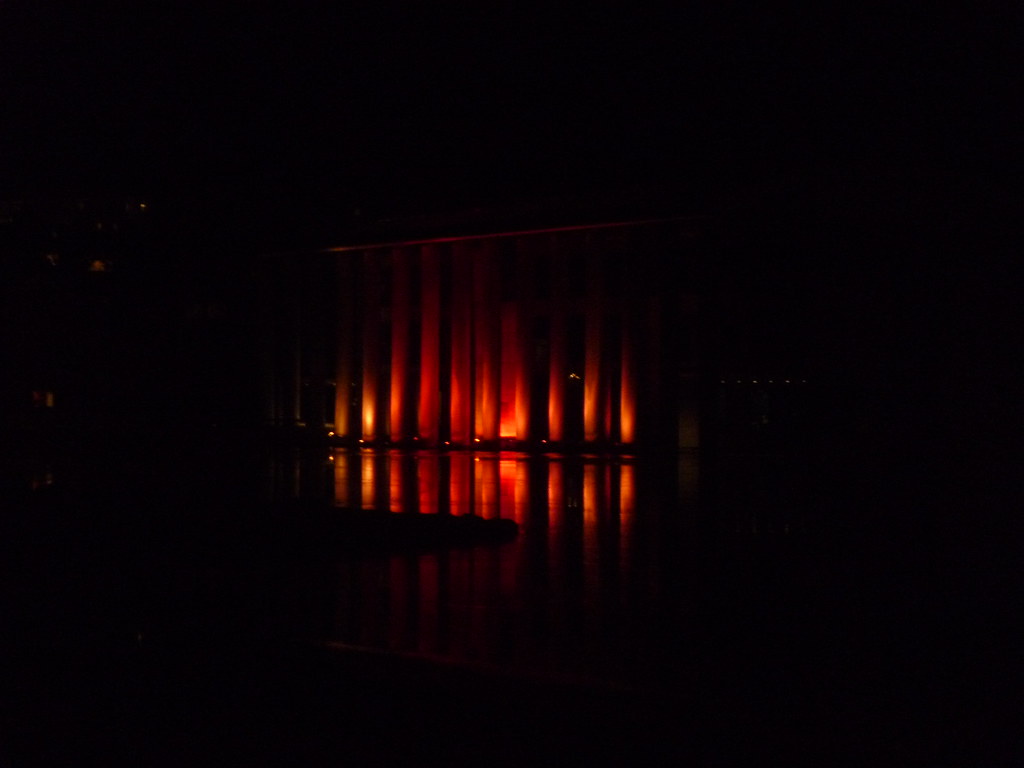
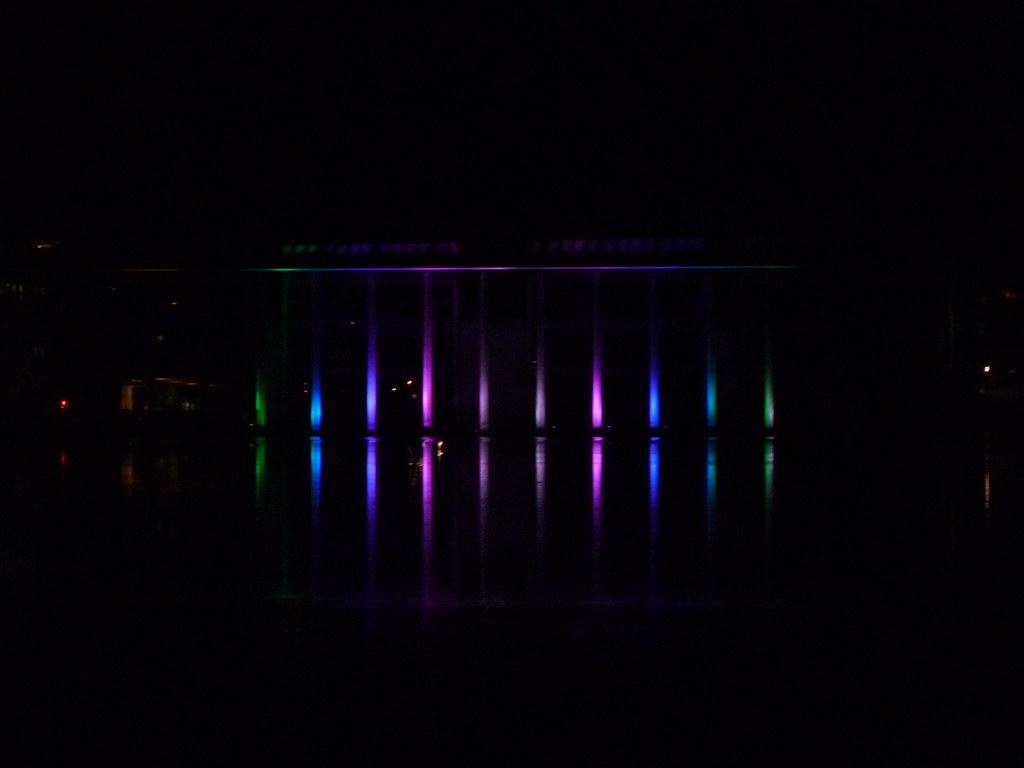
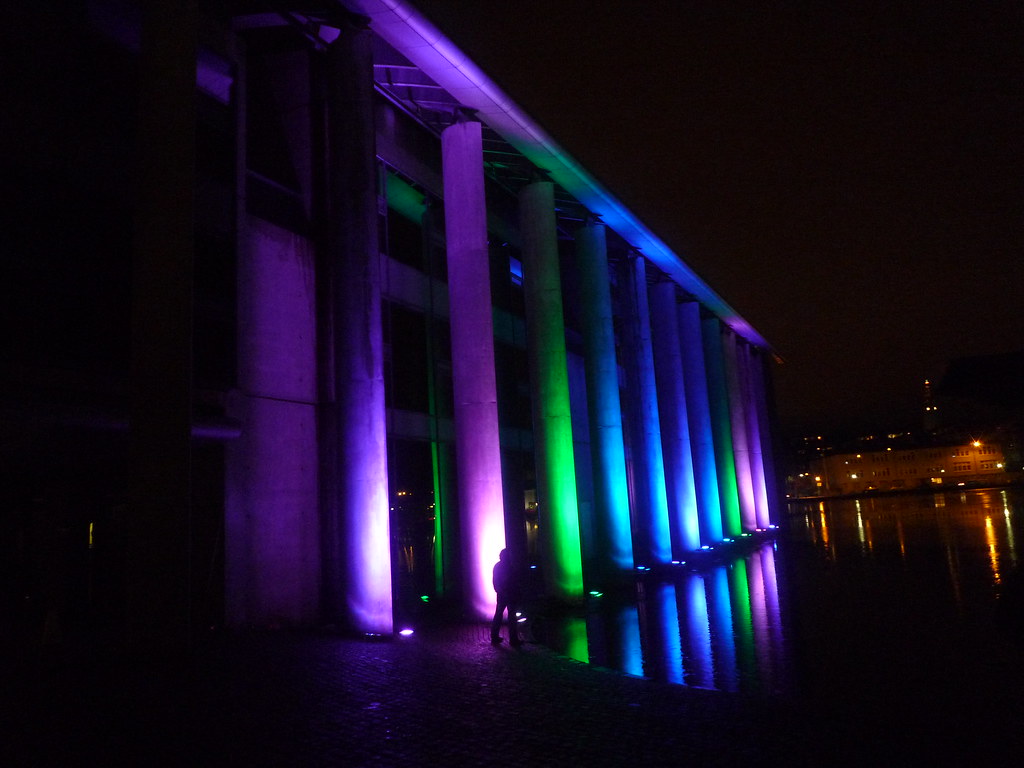
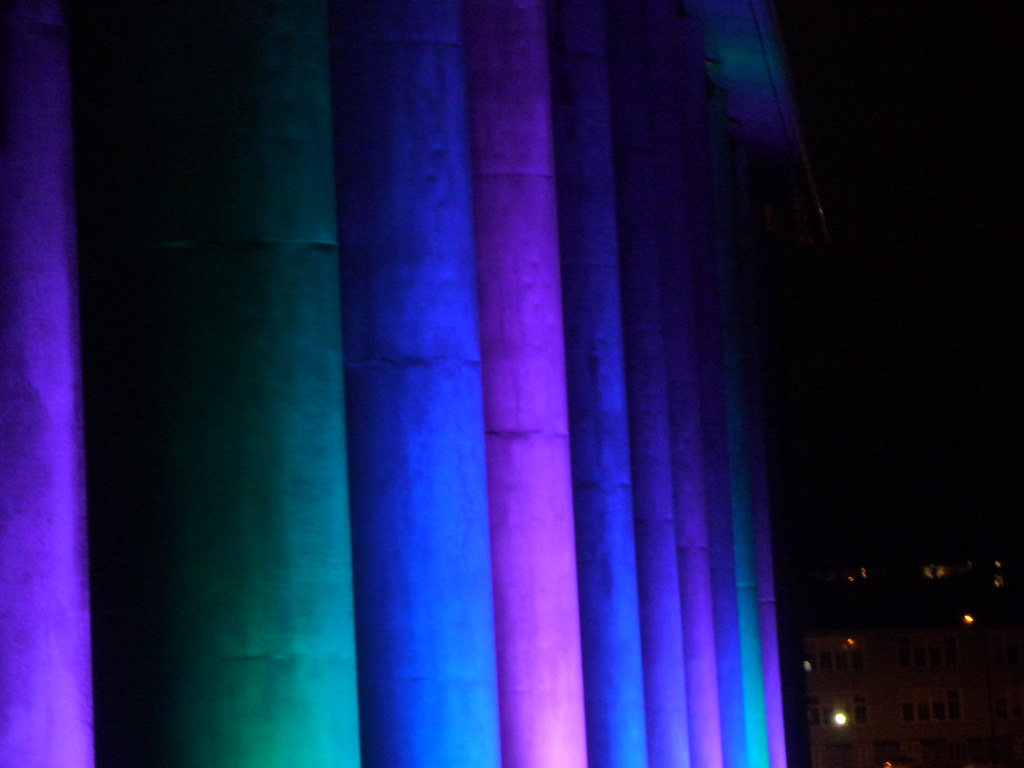
Another new work was a light sculpture on the pillars of the city hall. The changing lights reflected perfectly in the lake, doubling the length of the columns.


  © Blogger template 'Minimalist G' by Ourblogtemplates.com 2008

Back to TOP