Edinburgh is for Philosophers
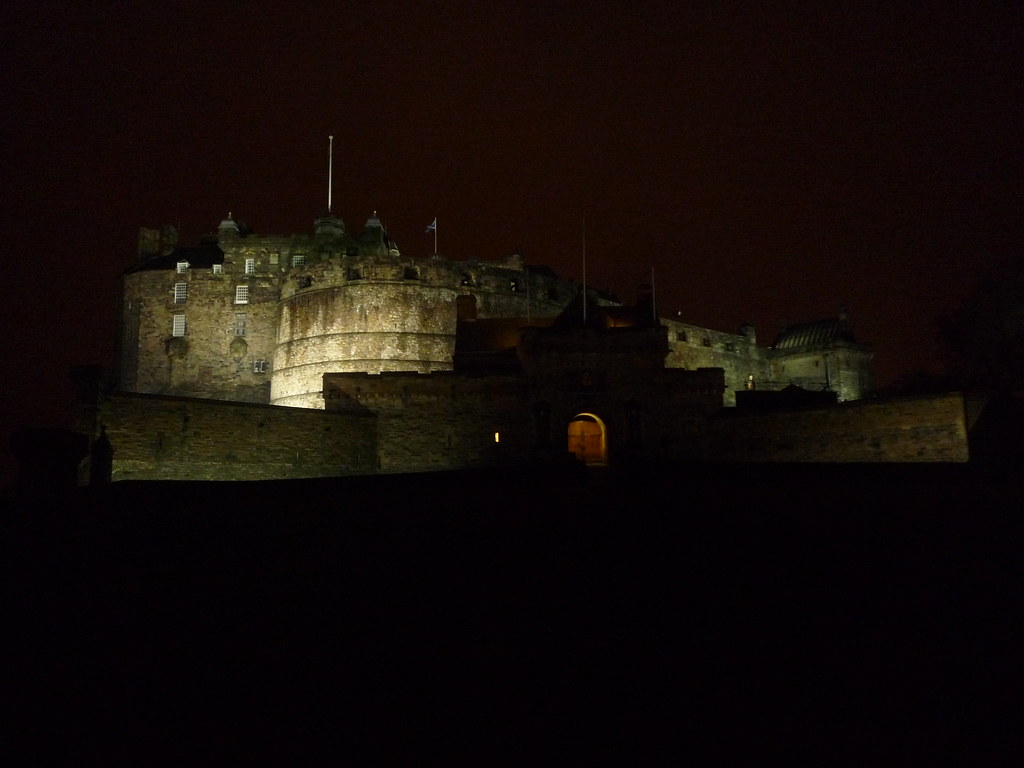
Edinburgh quickly became one of my favorite cities I've visited in the world. The first thing to love is how all the best buildings in the city are lit at night. I had a great view of Edinburgh castle on the way to the eponymous hostel, where I slept in the 'virgin' room, with beds named 'records' 'airlines' 'immaculate conception' 'Madonna' etc. Other room names on my floor included Scottish slang, Scottish songs, and underwear.
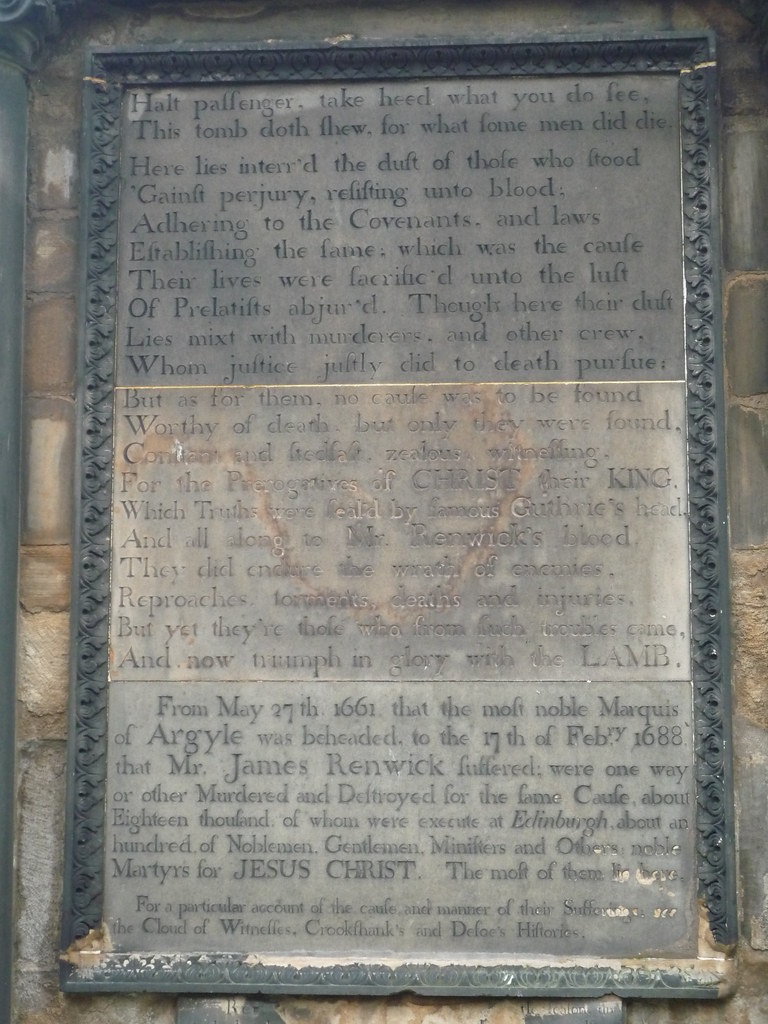
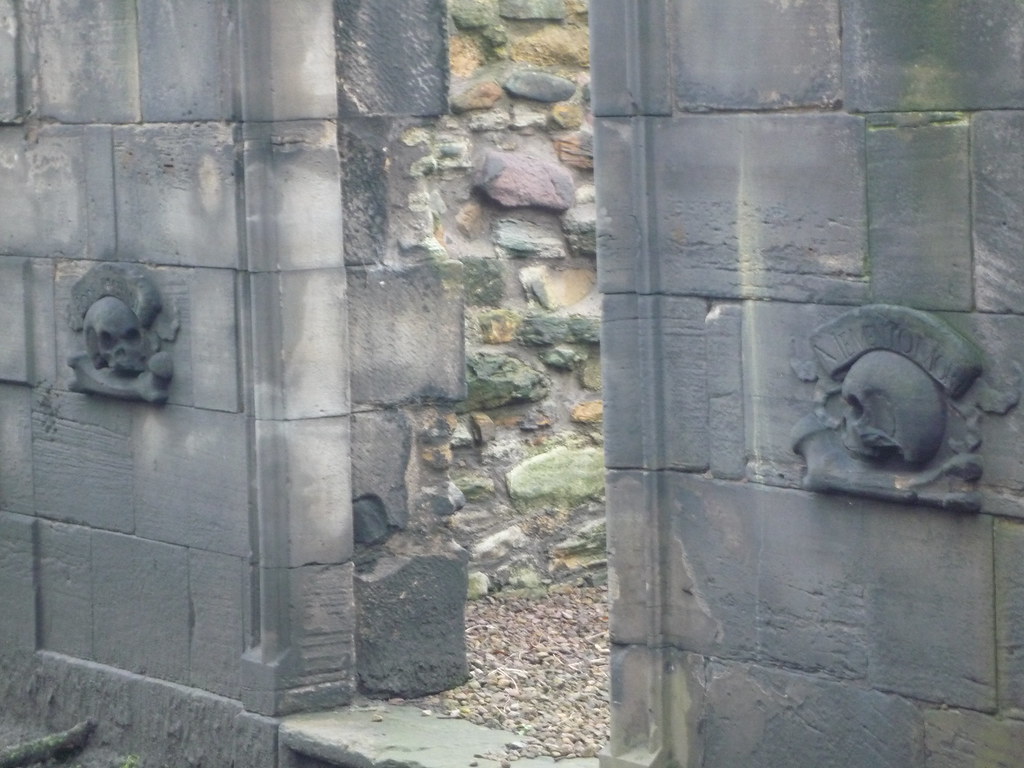
I started the next day's tour with a look at Greyfriars Kirkyard before anything else opened. There is a marker for those who were executed for trying to keep the Scottish Church independent and resisted Charles I's attempt to have Scotland join the CoE. Fun fact: when the queen is in England she is the head of and a member of the Church of England, but when in Scotland she is the head of and a member of the Church of Scotland. The marker in the Kirkyard is to commemorate the 1200 Covenanters (people who signed the 1638 National Covenant for Scottish Church independence) who were imprisoned in a corner of the graveyard under terrible conditions.
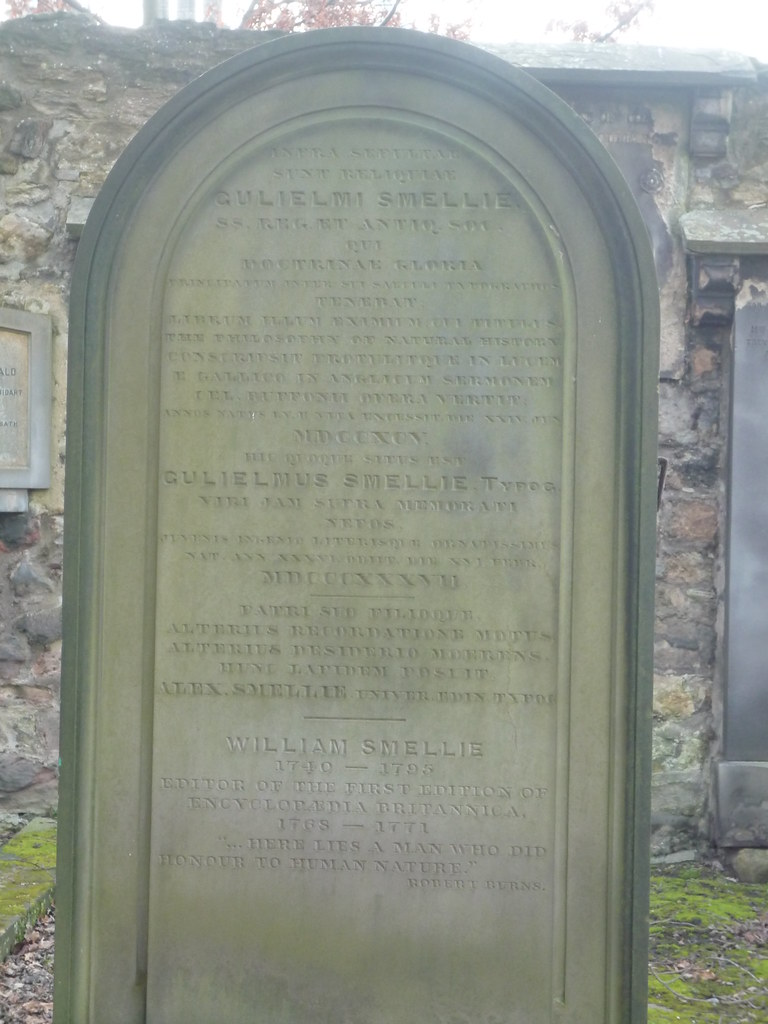
Another notable grave is that of William Smellie, the editor of the first edition of the Encyclopedia Britannica and source of jokes about how the yard contains a smelly grave.
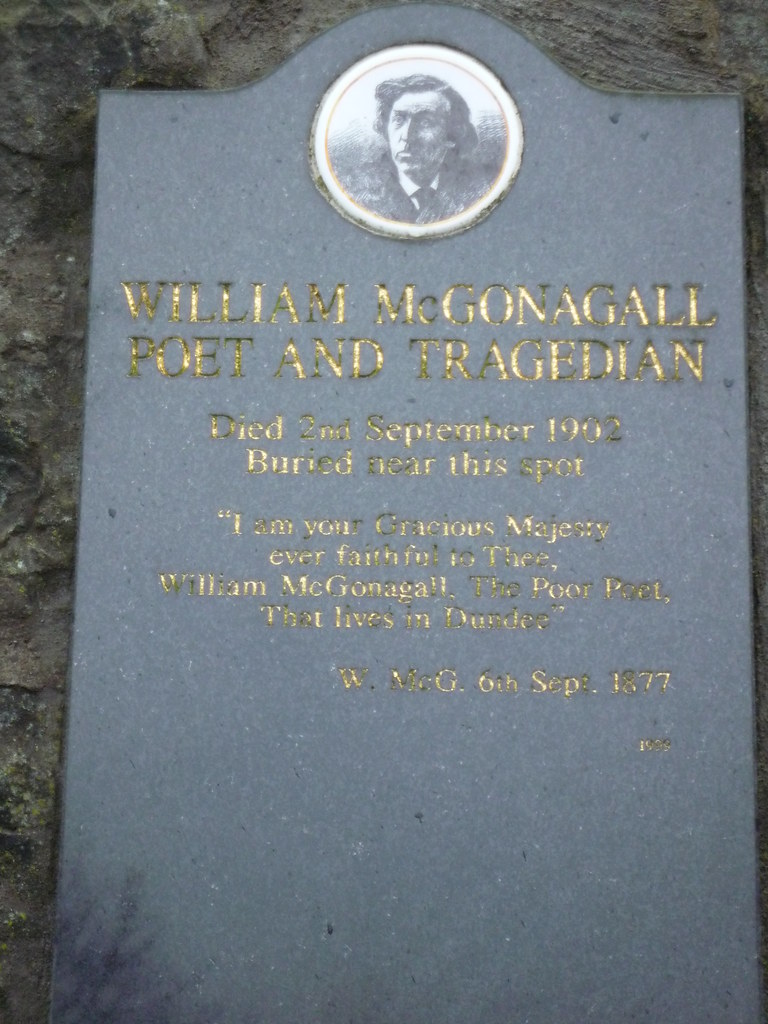
I also noticed the presence of a McGonagall. I don't know how prominent the name is in Scotland, but I do know that J.K. Rowling wrote a great deal of the first Harry Potter book from a (rather pleasant) cafe that overlooks the cemetery. (When I ate a Scottish breakfast in the cafe they were playing Phillip Glass music).
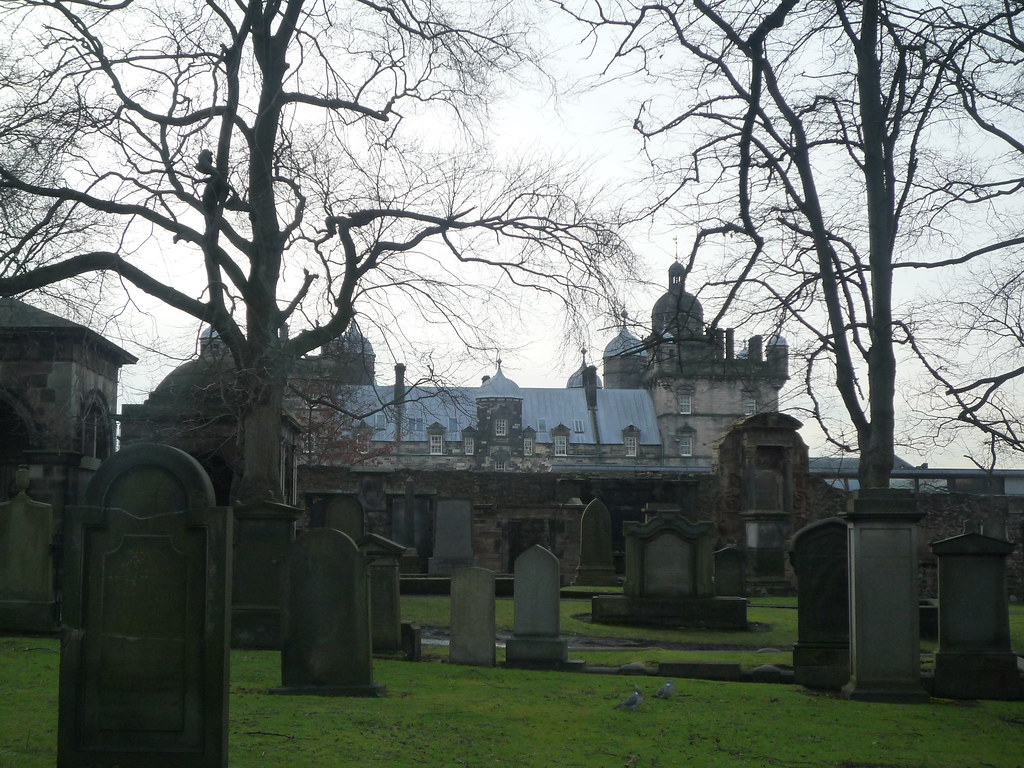
Visible from the grounds, George Heriot's School was an admitted influence for Hogwarts.
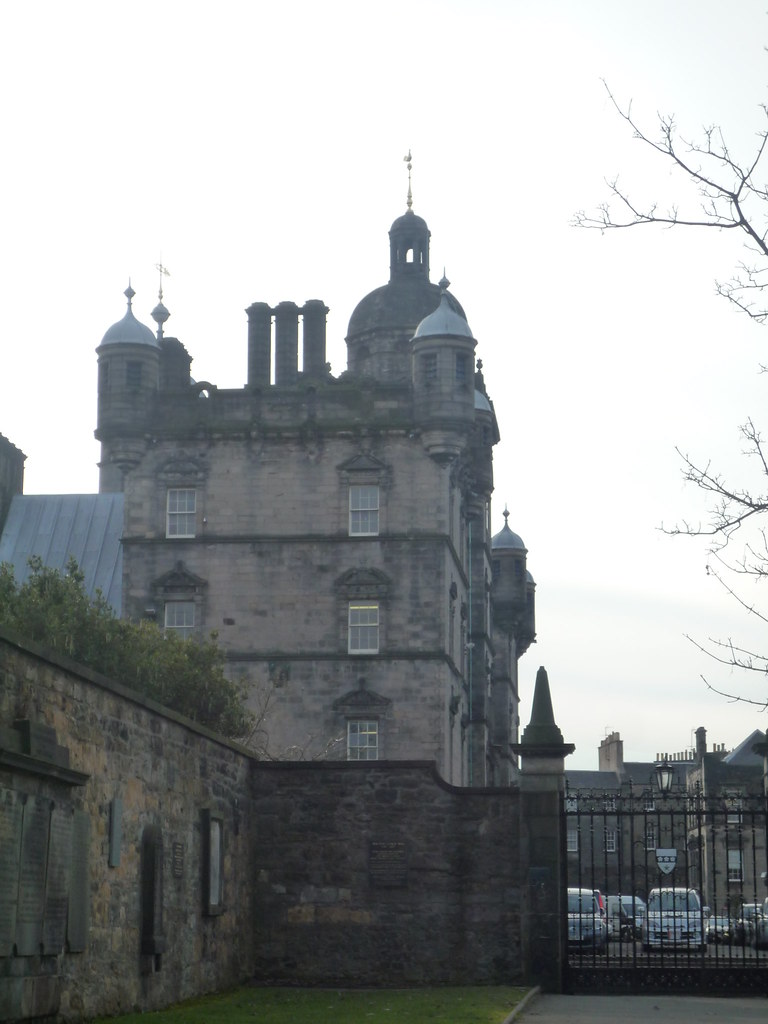
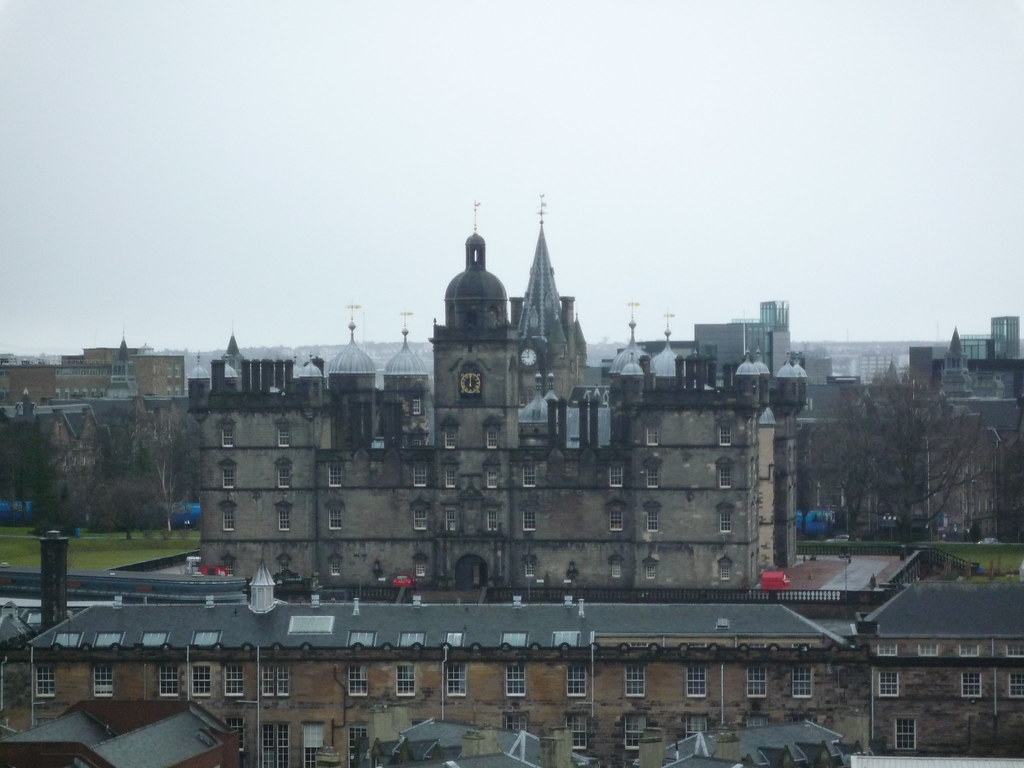
Many other landmarks can be seen from the cemetery green, including the Edinburgh Hub

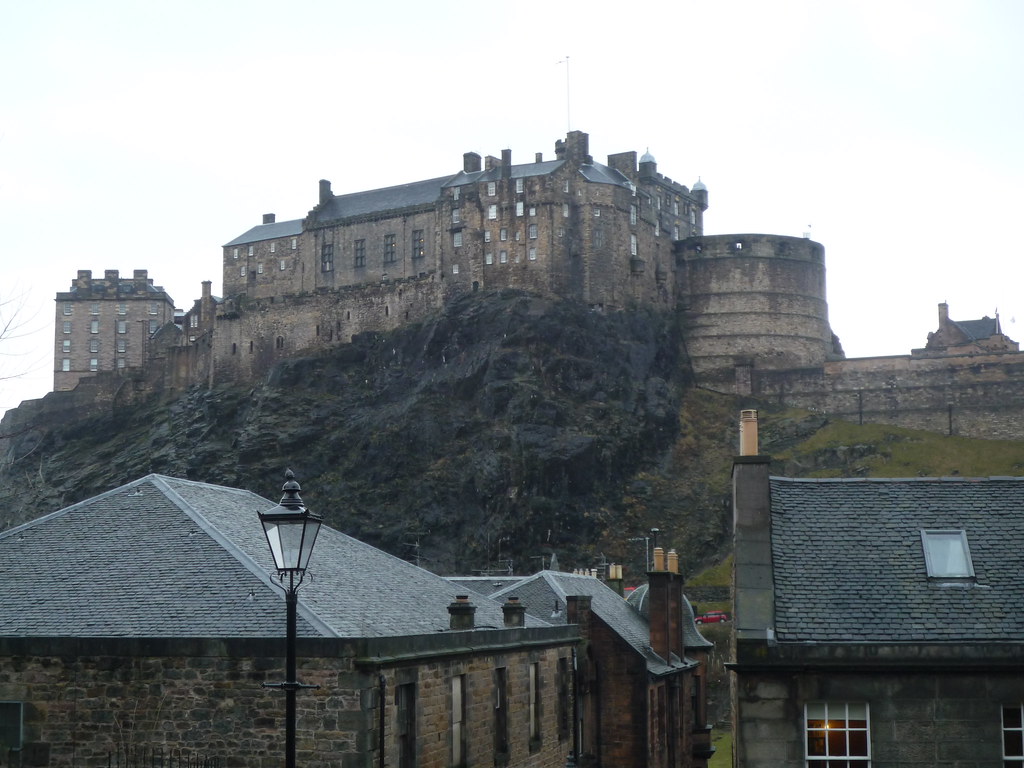
and Edinburgh castle

I continued my morning walk around old town Edinburgh for closer looks at these landmarks.
The Hub is a former church that is now the information center for Edinburgh festivals, especially the Edinburgh International Festival, which is actually an assortment of festivals across the summer.

I loved the views from the rocky outcropping of the highly defensible old town, and its narrow alleys.


I was excited to find a statue of David Hume, one of the clearest writing philosophers I've ever read who had many insight with which I agree, at least in part. When asked about my favorite philosopher, I usually respond that Hume is my favorite but that I think Wittgenstein is closest to right.
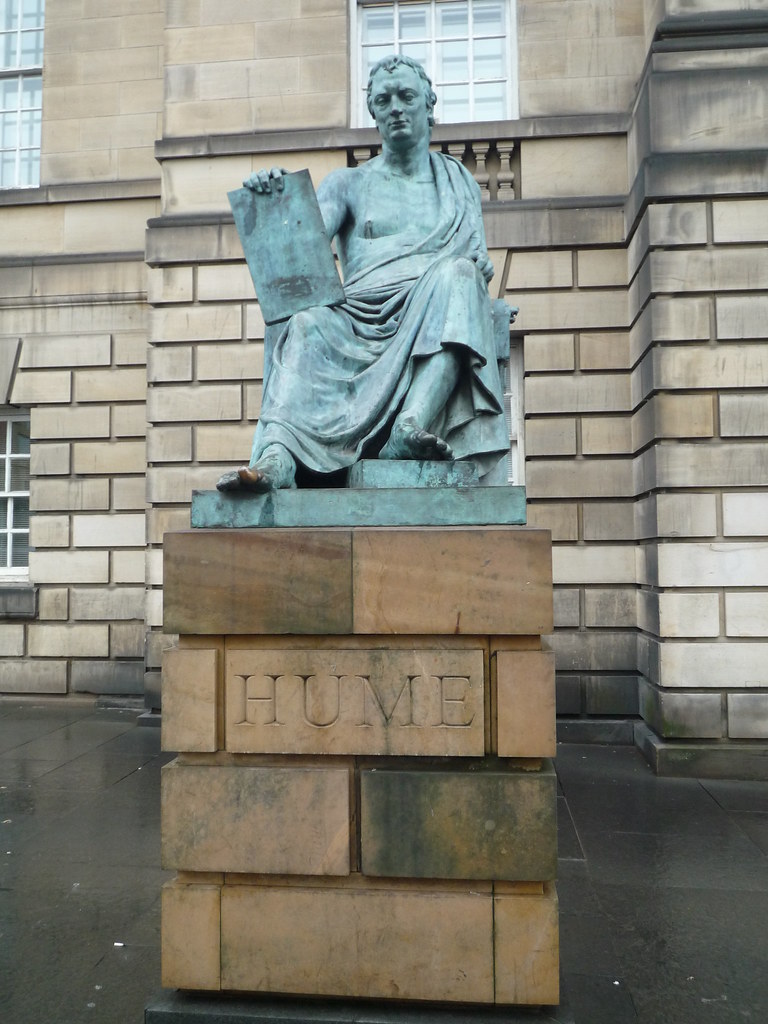
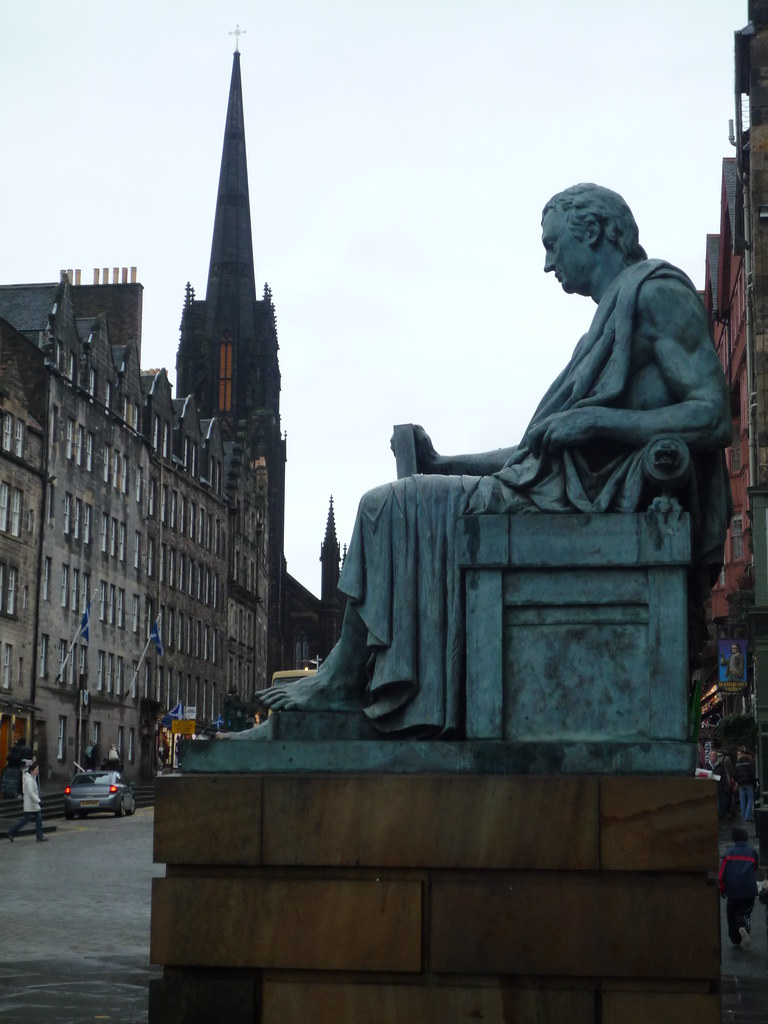
Behind Hume stands St. Giles Cathedral.
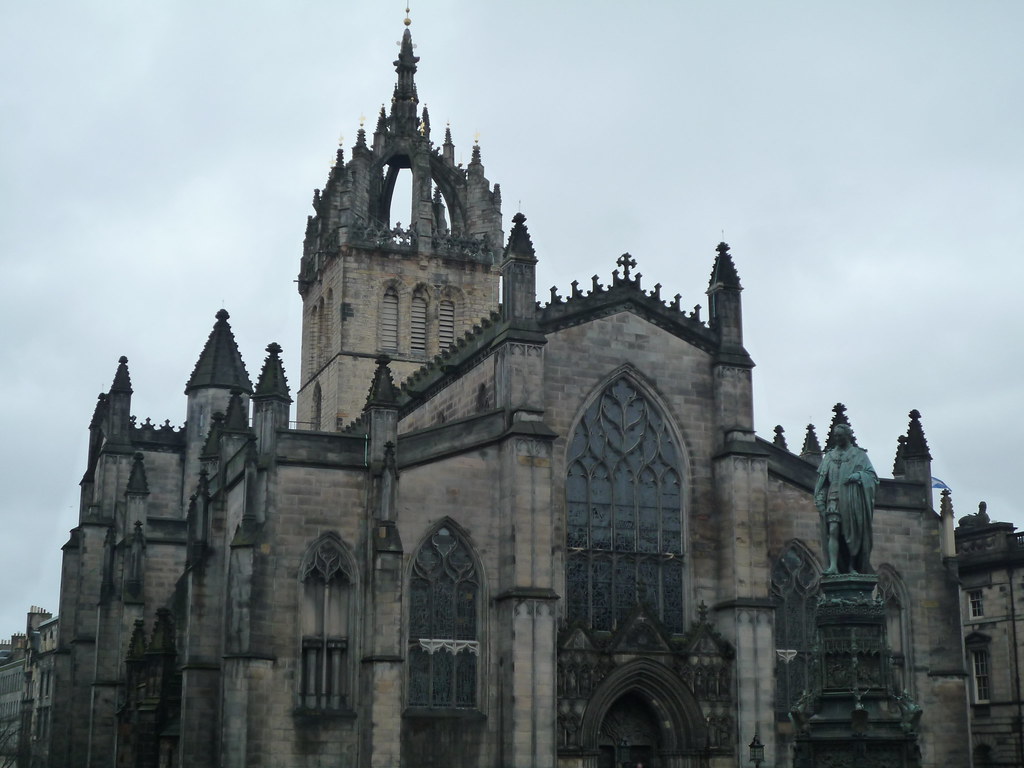
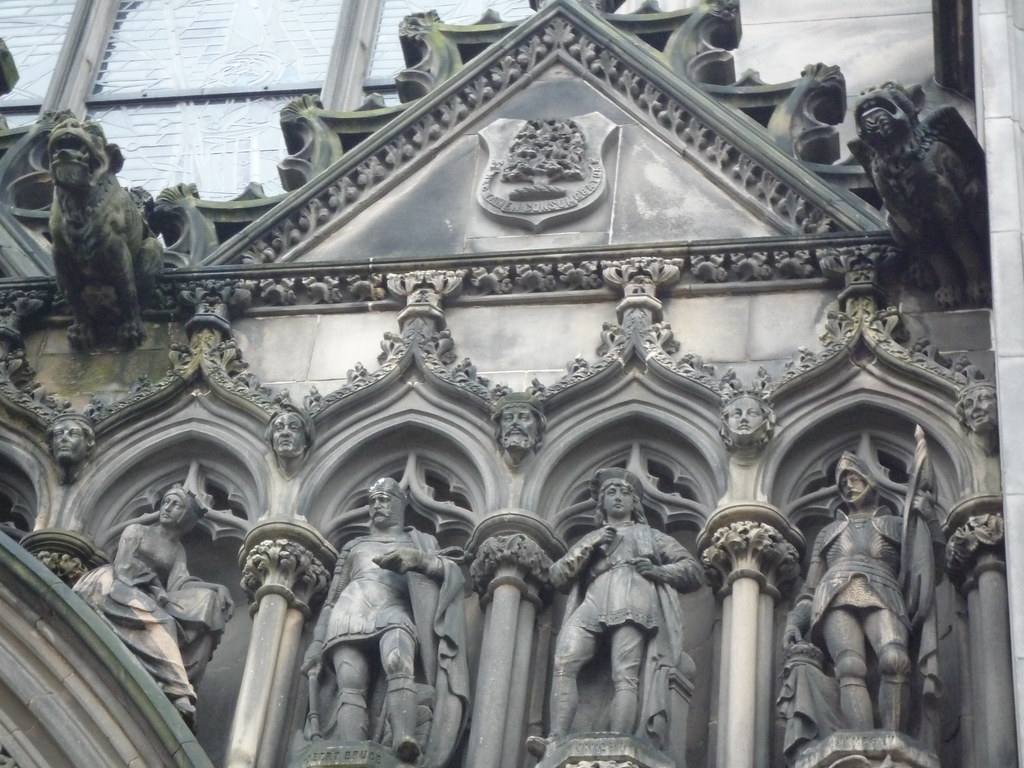
An Adam Smith statue is nearby, but my interest in economics is so far below that of philosophy that I took little notice (and didn't feel the need to photograph that statue in varying light levels whenever I passed it, the way I did - as you'll soon see- with Hume's).

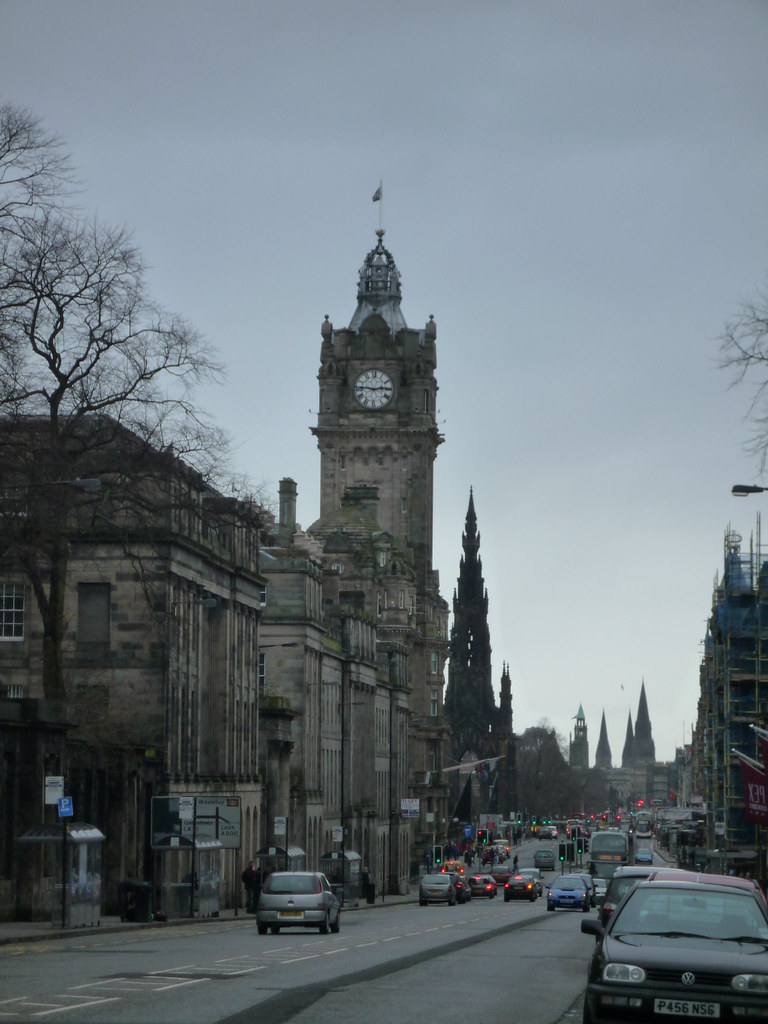
One of my favorite pieces of architecture in the city - and this is saying something - was the Gothic monument to Sir Walter Scott. I mostly know Scott as the author of the historical novel Waverley, not because I've read any of it or even know what it's about, but because a famous debate in the philosophy of language involves him as an example of how a unique description might not be identical to a name. When he was denying that he was the author of Waverley it seems that he was denying an act rather than a name. Umm... anyway, enough philosophy geeking out. Look at the pretty:
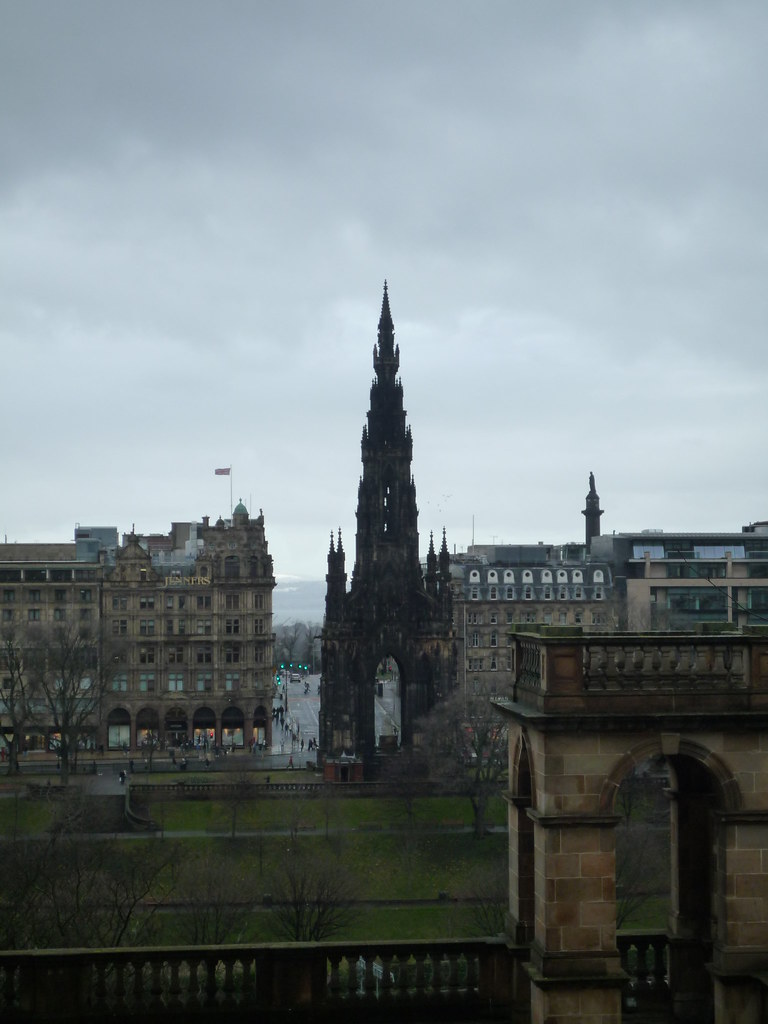
(if you don't care for this angle, fear not! I took about a million more pictures of it...)
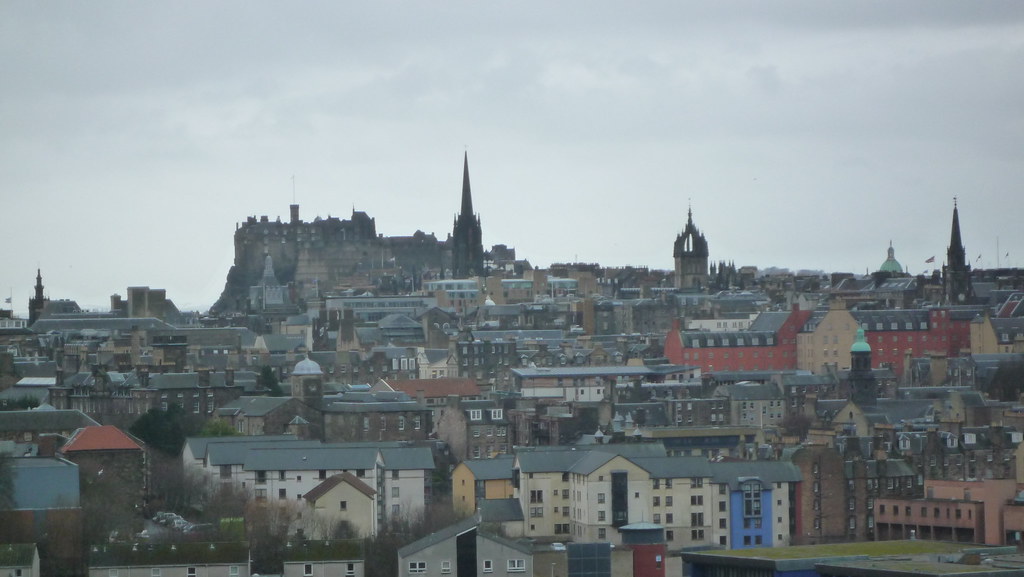
From the old town I walked down the Royal Mile, the (Scots) mile long road from the castle to Holyrood Abby. I got my first view of Calton Hill, but we'll get to that later.
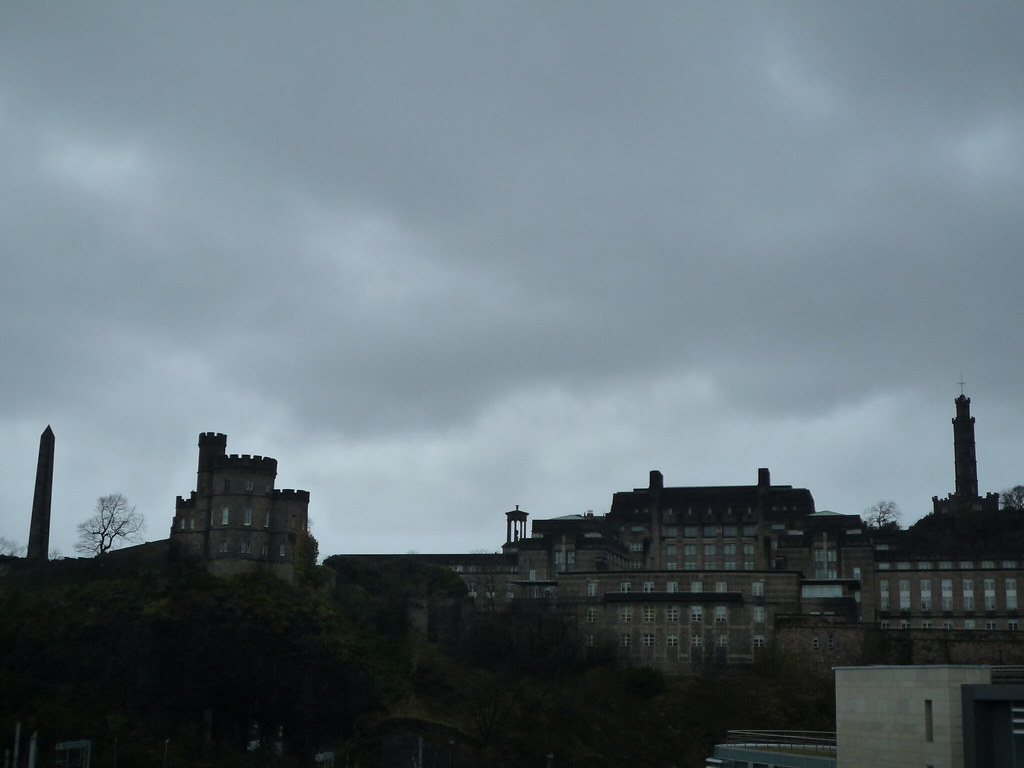
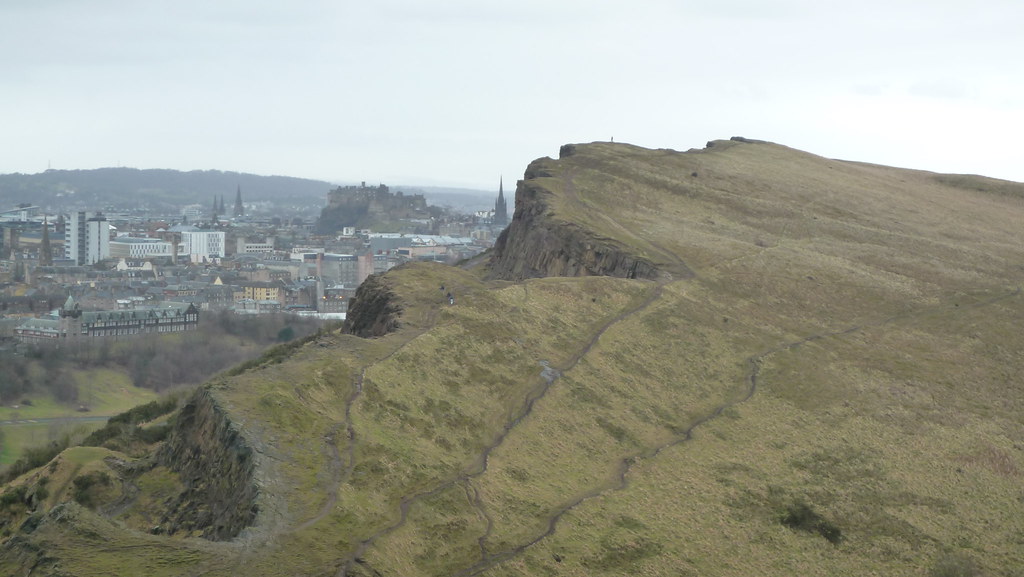
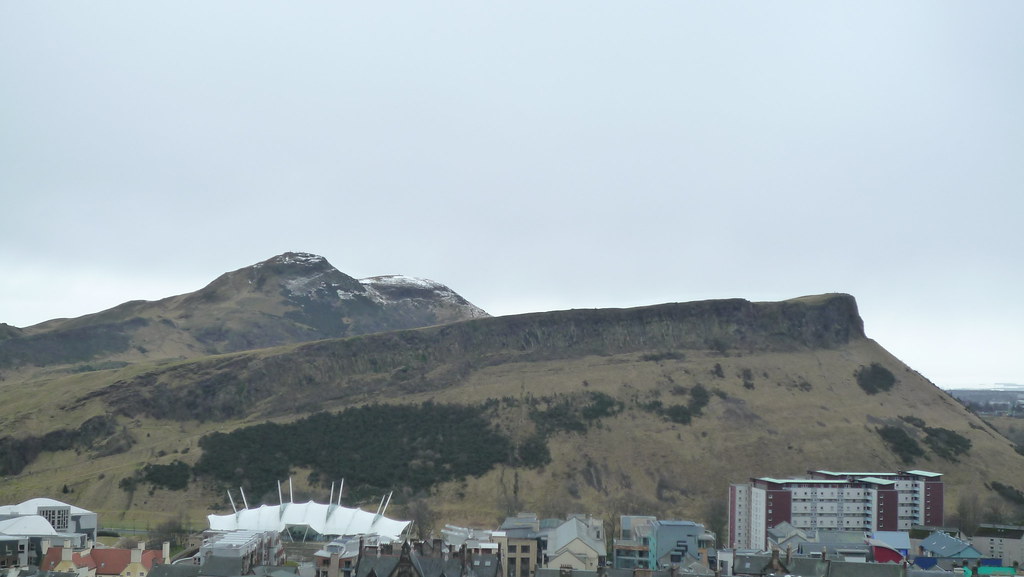
I was on my way to Arthur's seat, the other giant bluff of hard volcanic rock that remains in the area after the rest of the land around it eroded, and hence would have been the second best place to put a castle if the old Scots had felt the need for two.

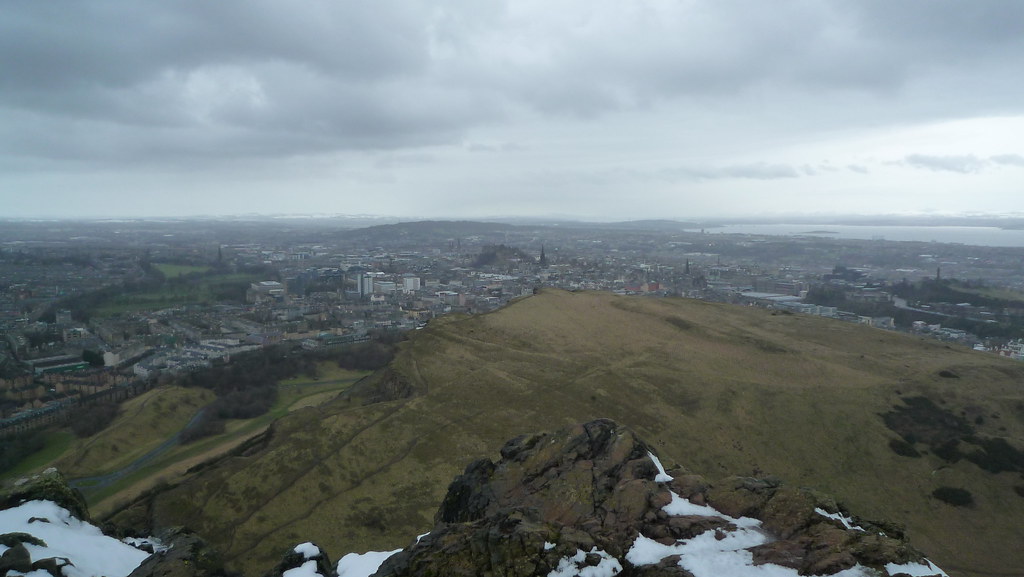
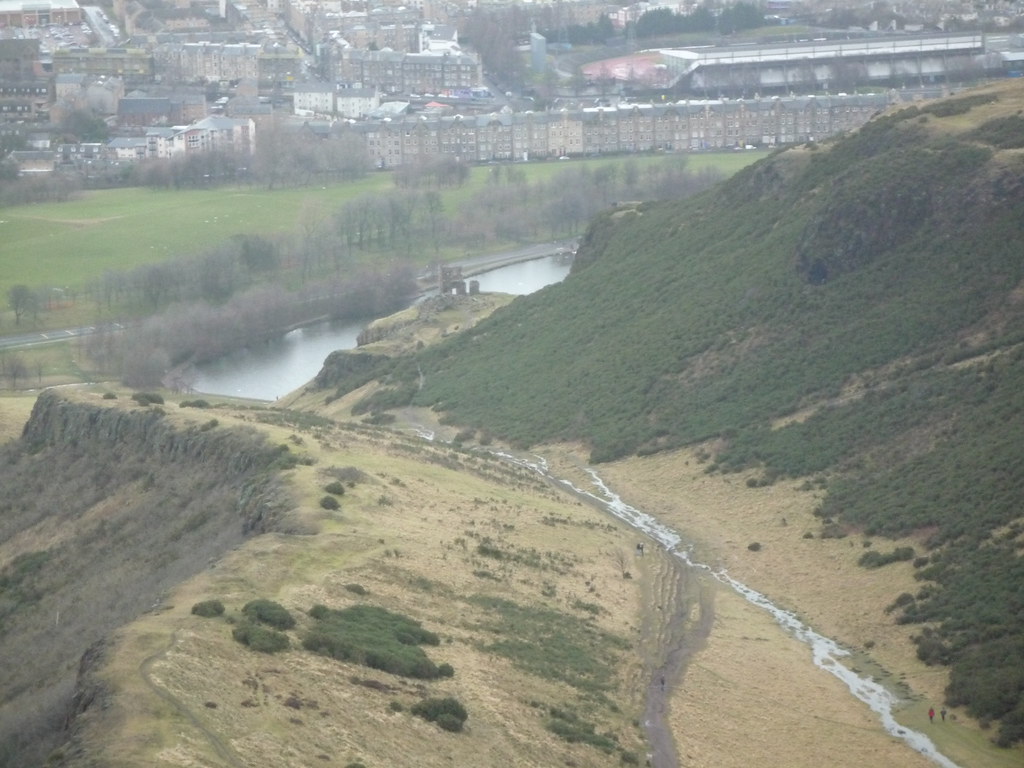
The view from the 'seat' (named for an old pronunciation of archer, not the king)
is unsurprisingly rather magnificent.

There's another cool Hogwarts-looking school nestled in the neighborhood below.

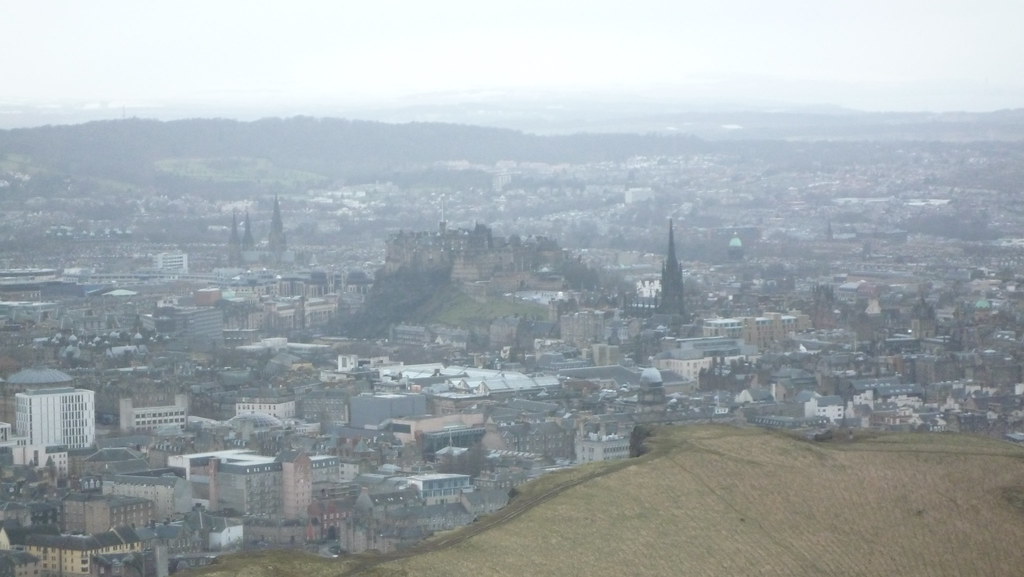




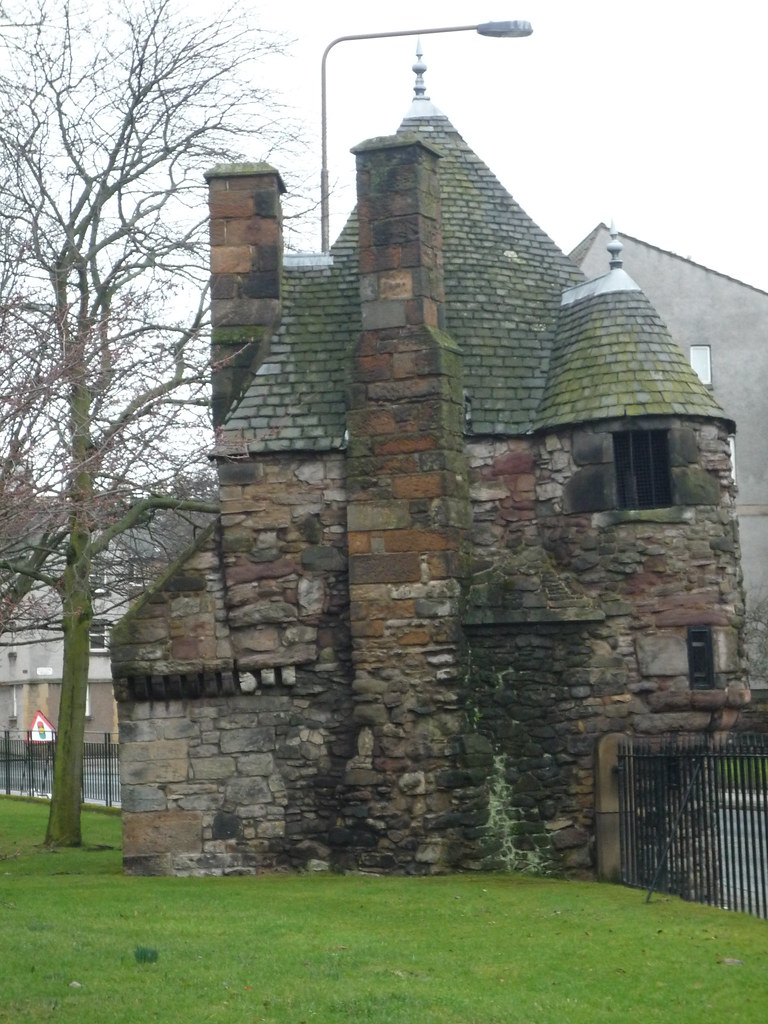
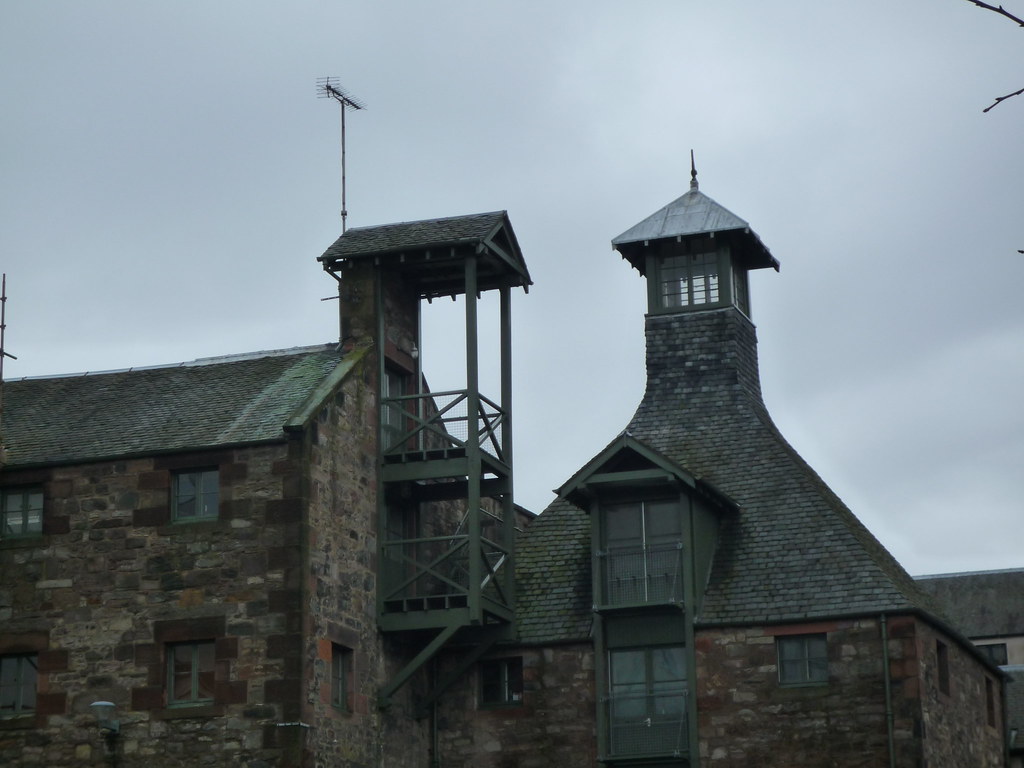
Once I wandered up one side and down another of the bluffs, it was time to explore the briefly mentioned Calton Hill that had captured my interest. On the way I fell in love with little architectural lovelies that were scattered about the area.
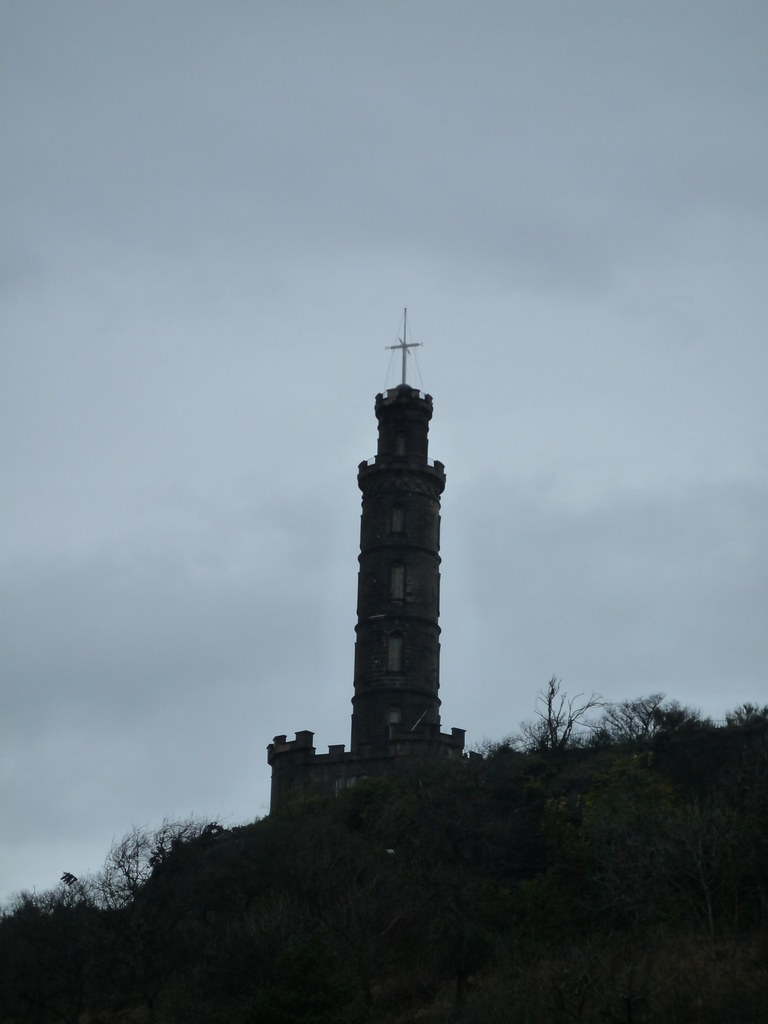
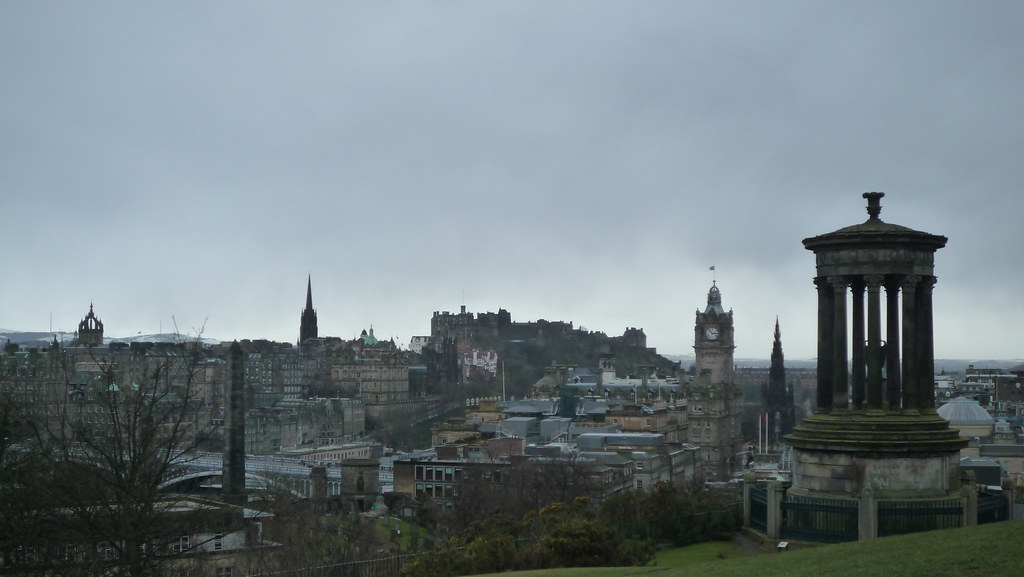
The hill is covered with monuments. Dugald Stewart was apparently another Scottish philosopher deemed worthy of a being remembered by a large stone memorial, despite the fact that I'd never heard of him.

I was amused to discover that the famously corpulent Hume was in part responsible for the existence of the walking paths in the park:

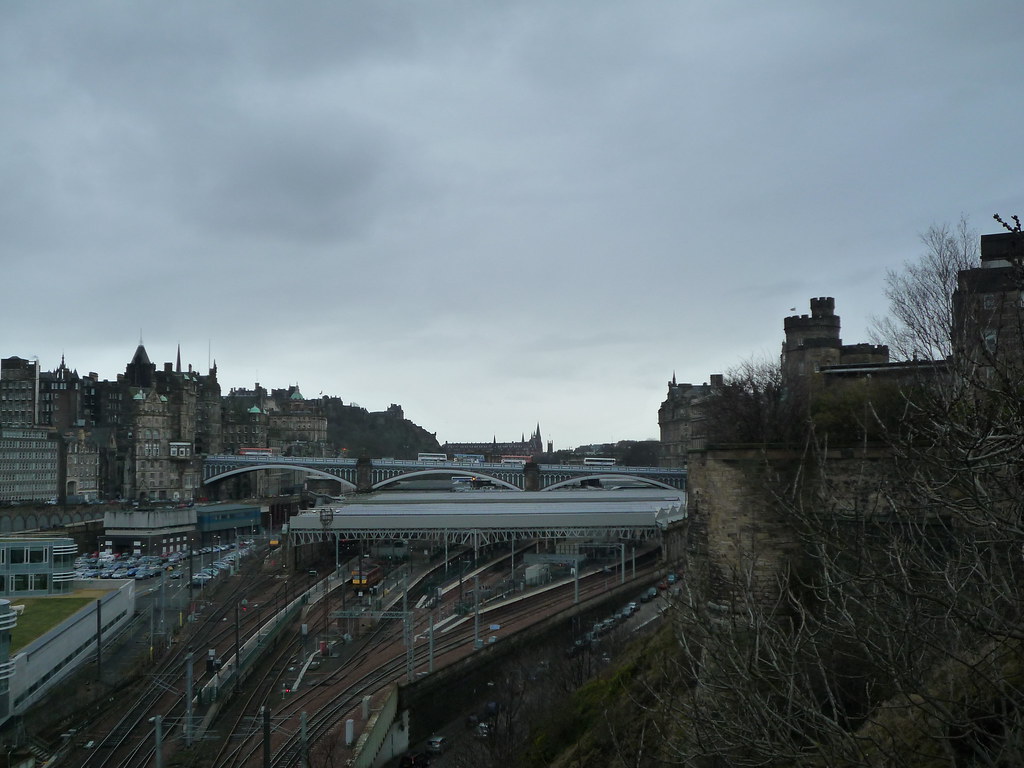
The views weren't bad from here either. Here's to cities with hill overlooks.

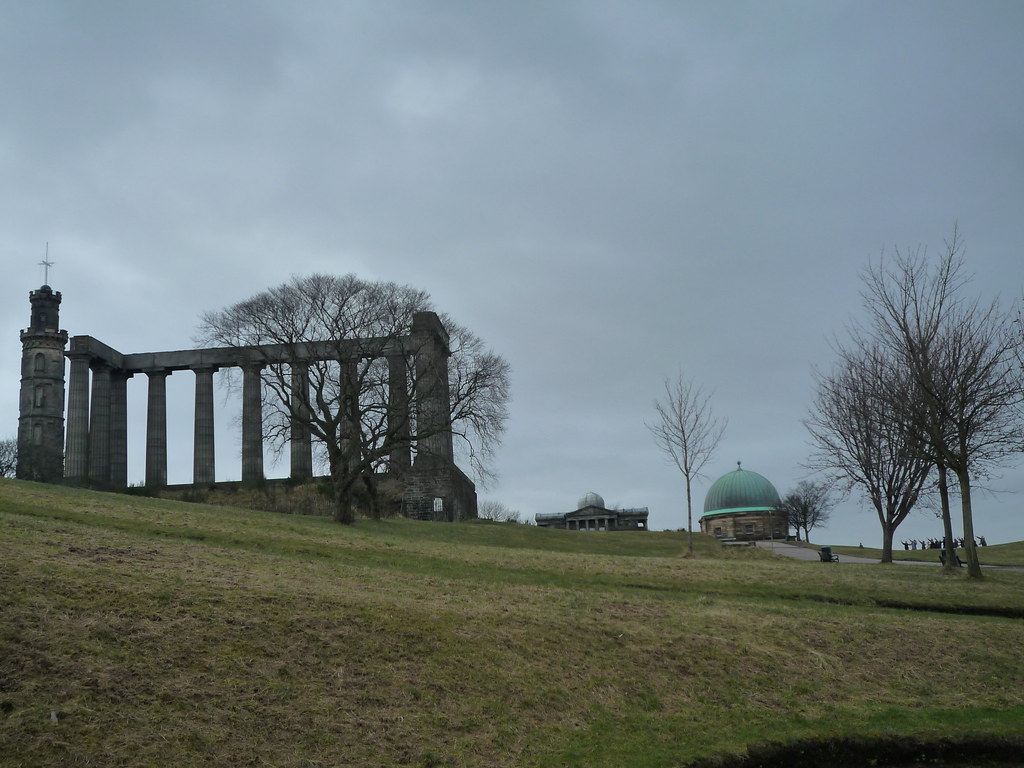
The National Monument is often seen as a national symbol of shame, long nicknamed Scotland's Disgrace. It was intended to be a full replica of Athens' Parthenon, but funding ran out. There's also an observatory.
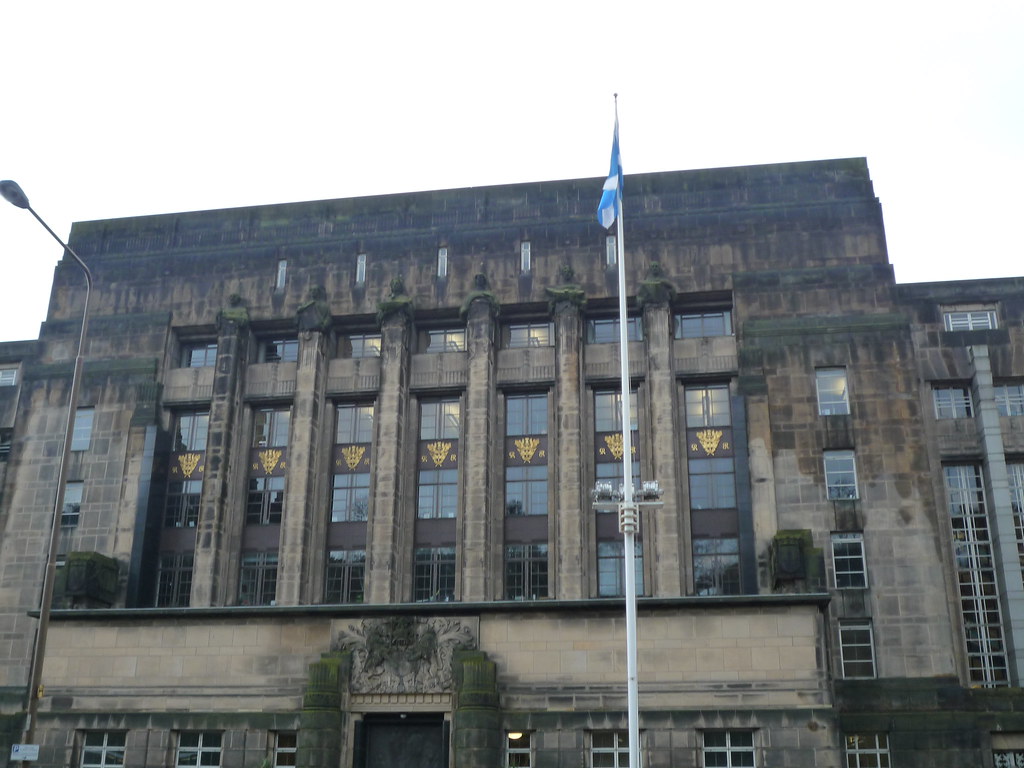
Just below the hill is St. Andrew's house, the headquarters of Scottish government. It has awesome figures representing different branches of workers on its facade, from farmers to shipwrights, etc, but my camera's zoom failed to live up to the task of capturing them.
Also on the hill is the Calton New Burial Ground, where David Hume was interred.
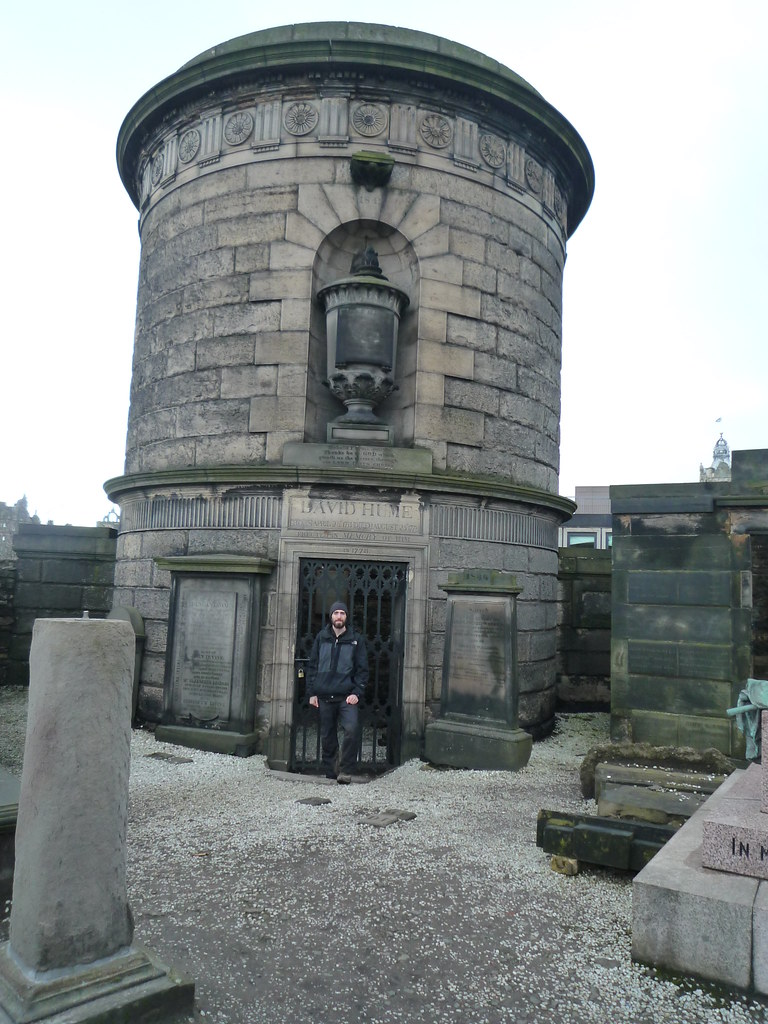

Next to Lincoln, it seems. Actually, it is a monument remembering Scottish Americans lost in the U.S. Civil War.

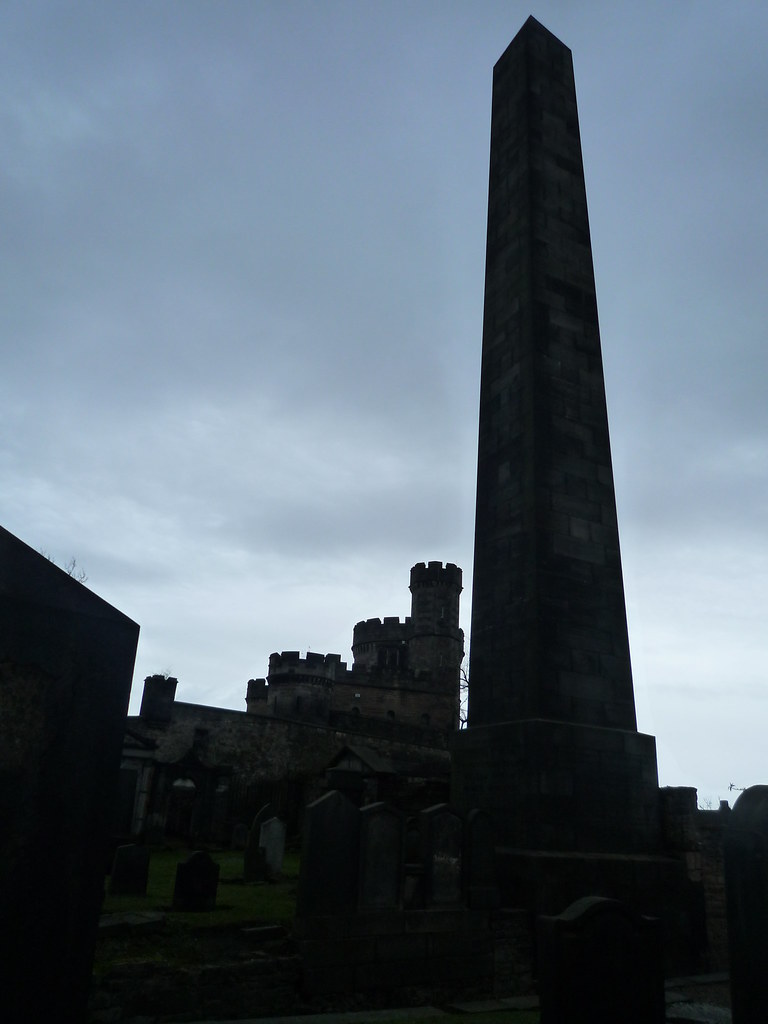

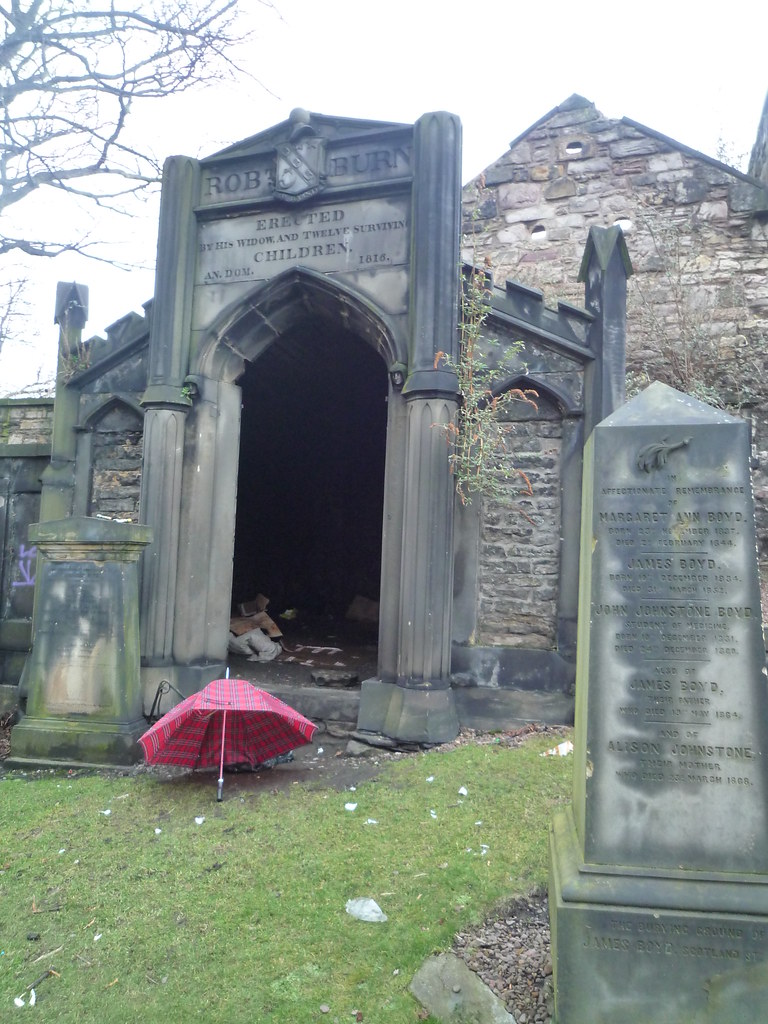
Living inside a tomb? Hobocore!
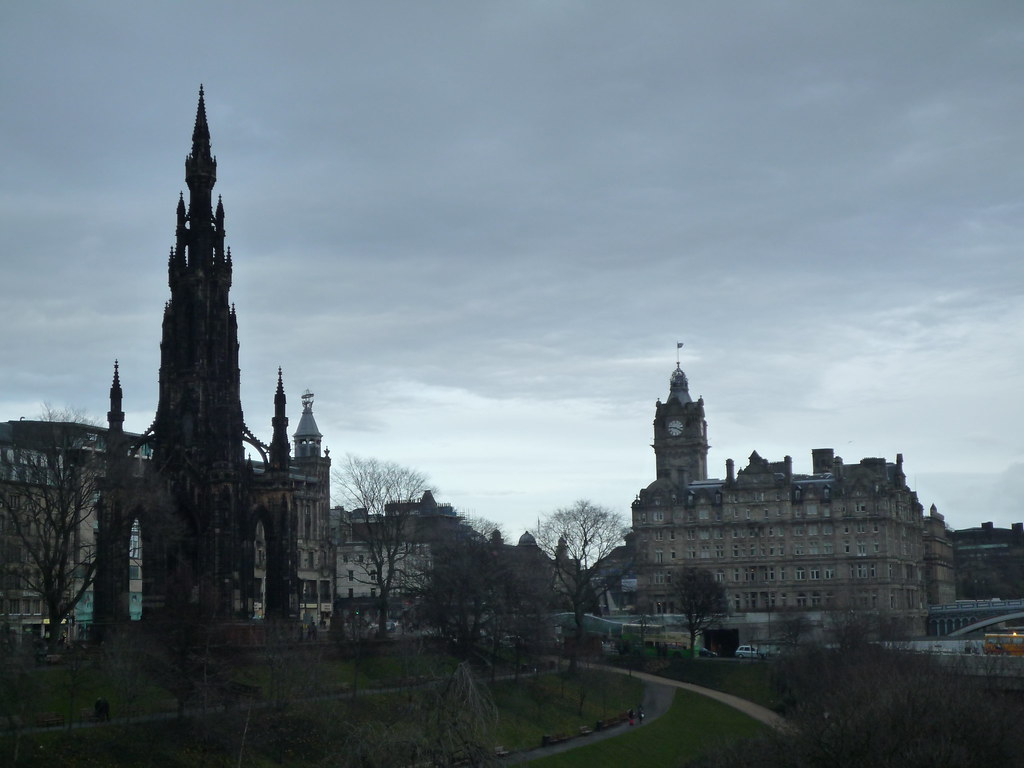
Look! Now I'm closer to the Scott Monument!


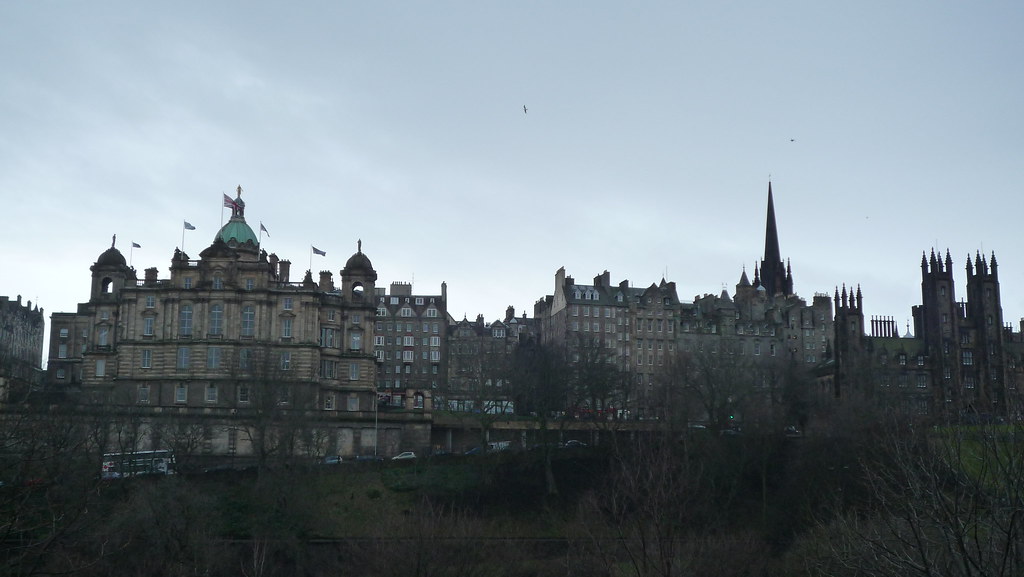
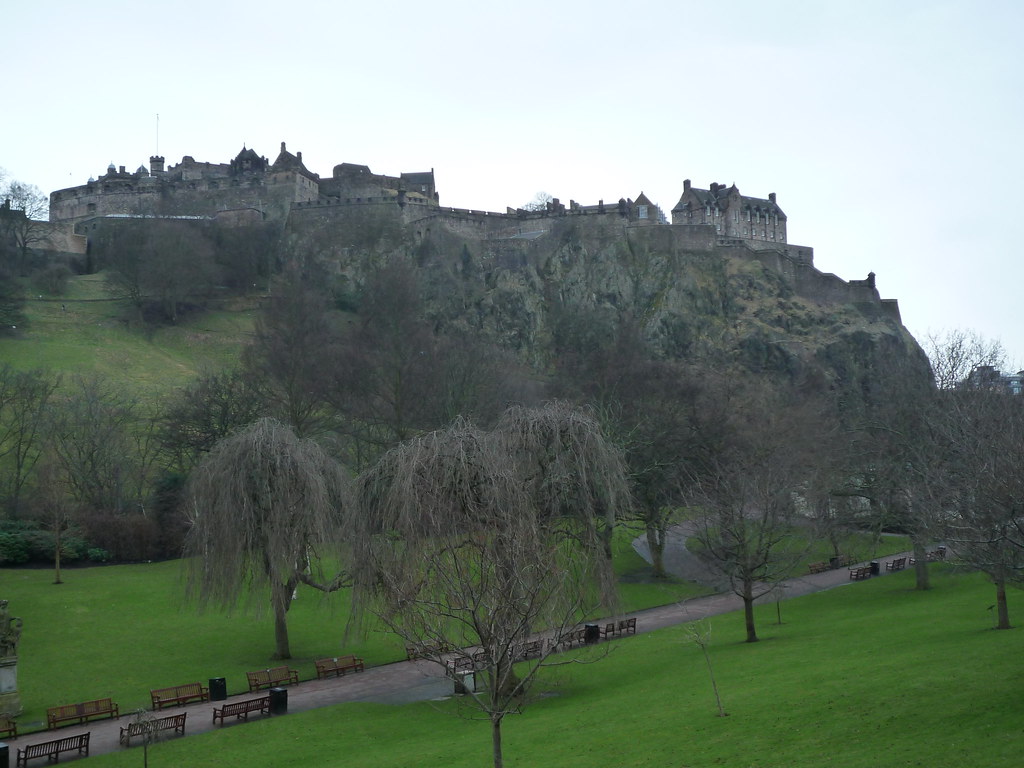

I walked up a famed shopping district (not that I care at all about shopping) to a restaurant and back in time to catch Charlotte's Square at sunset.
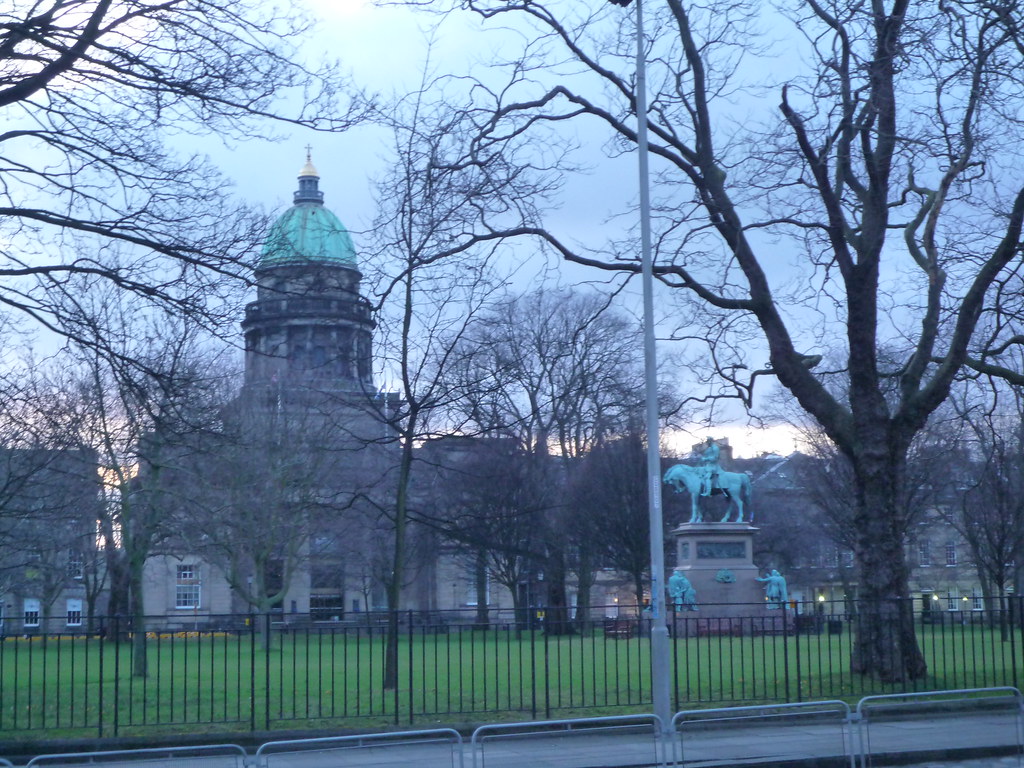
The sunset lasted until I reached St. Cuthbert's Church.
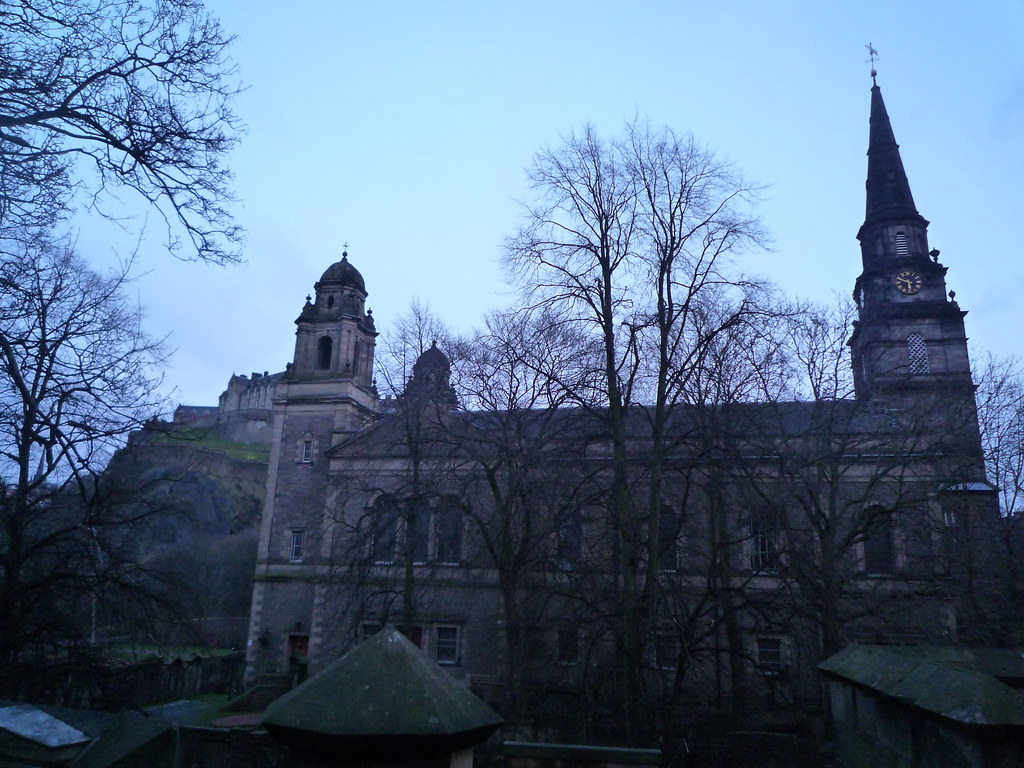
My third cemetery of the day also had a nice view of Edinburgh castle. (It's kind of hard not to, really. The castle is on a giant bluff that is the most defensible place on main route between England and Scotland.)
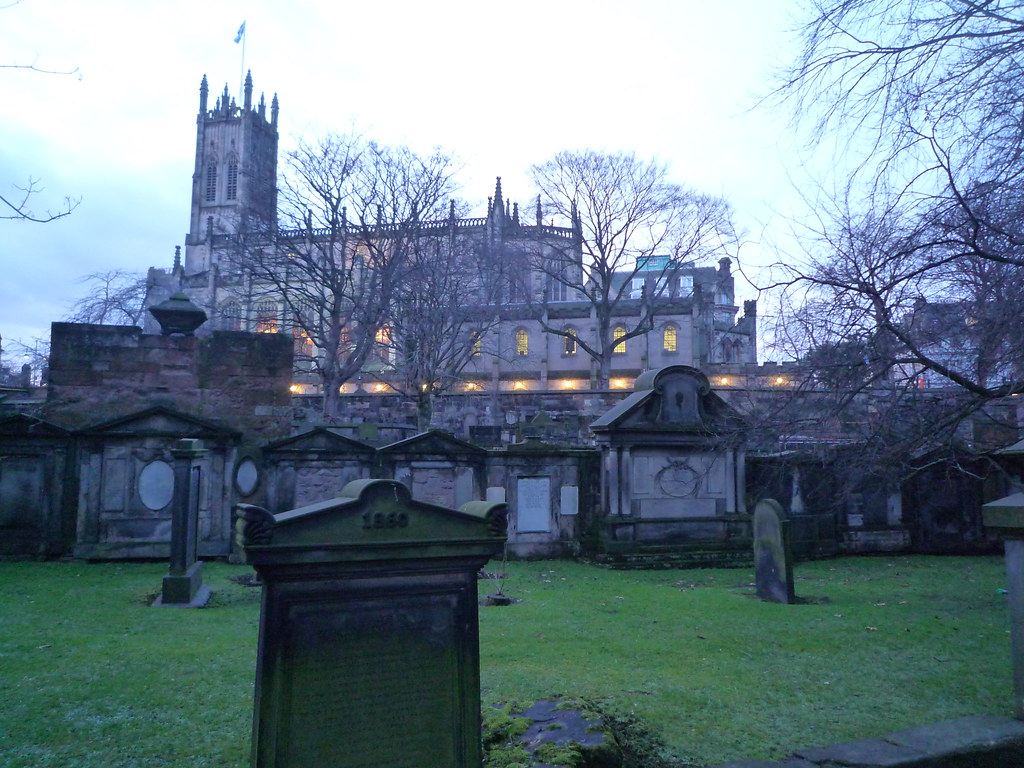

The city is pretty at night too.
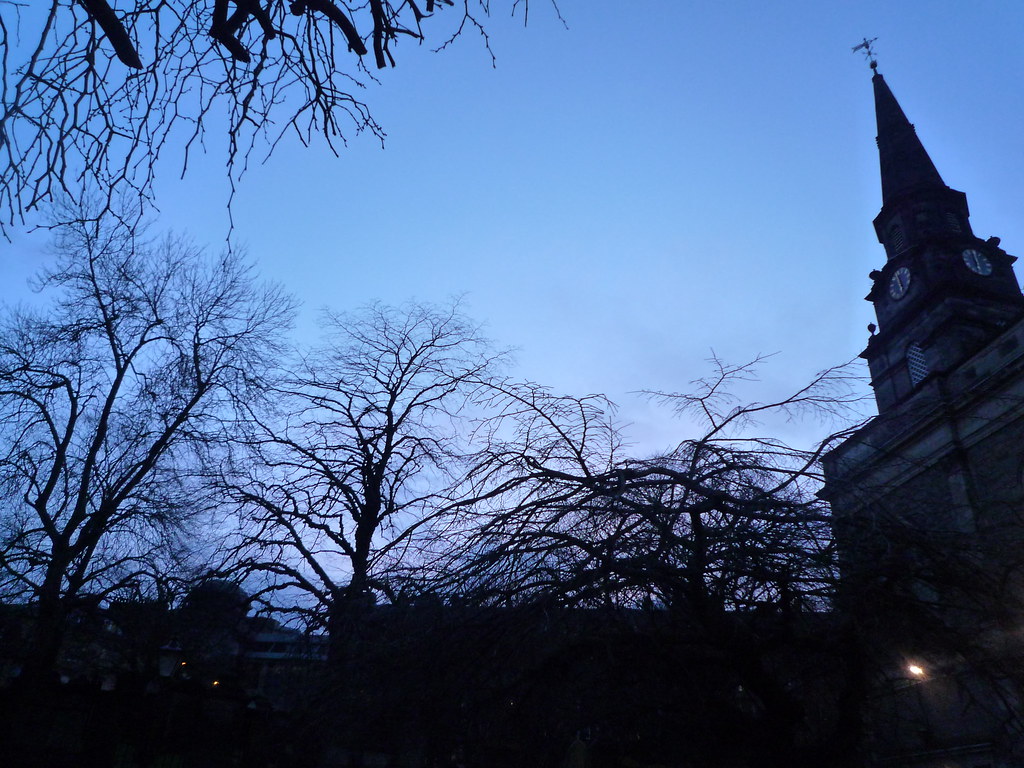
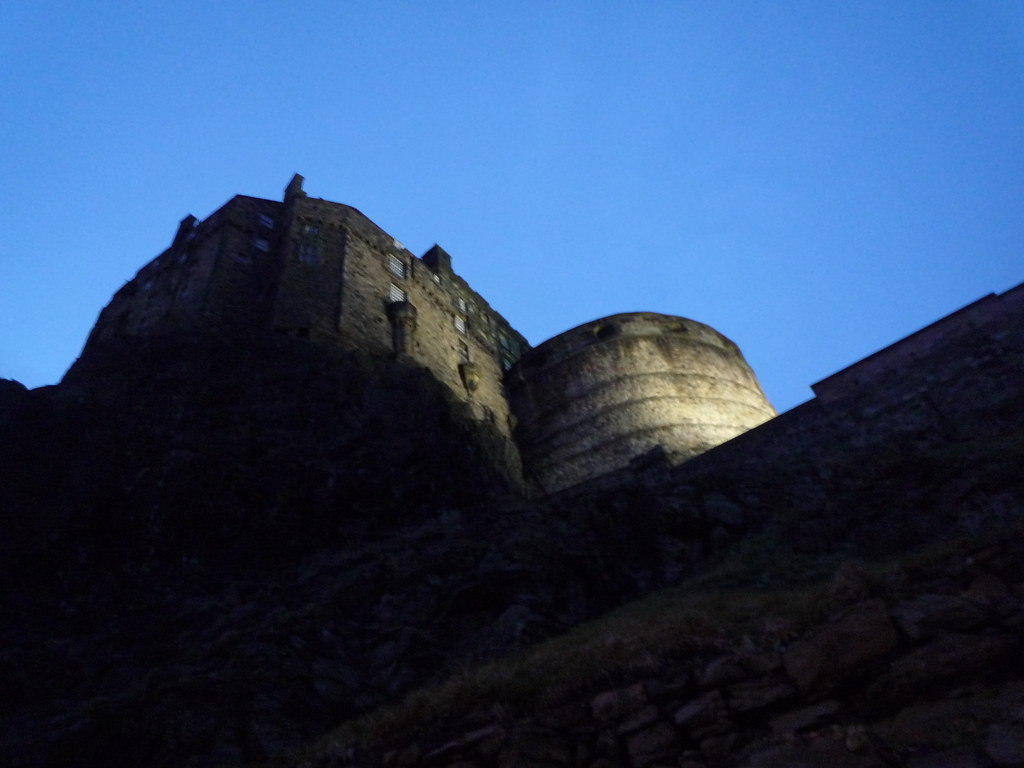
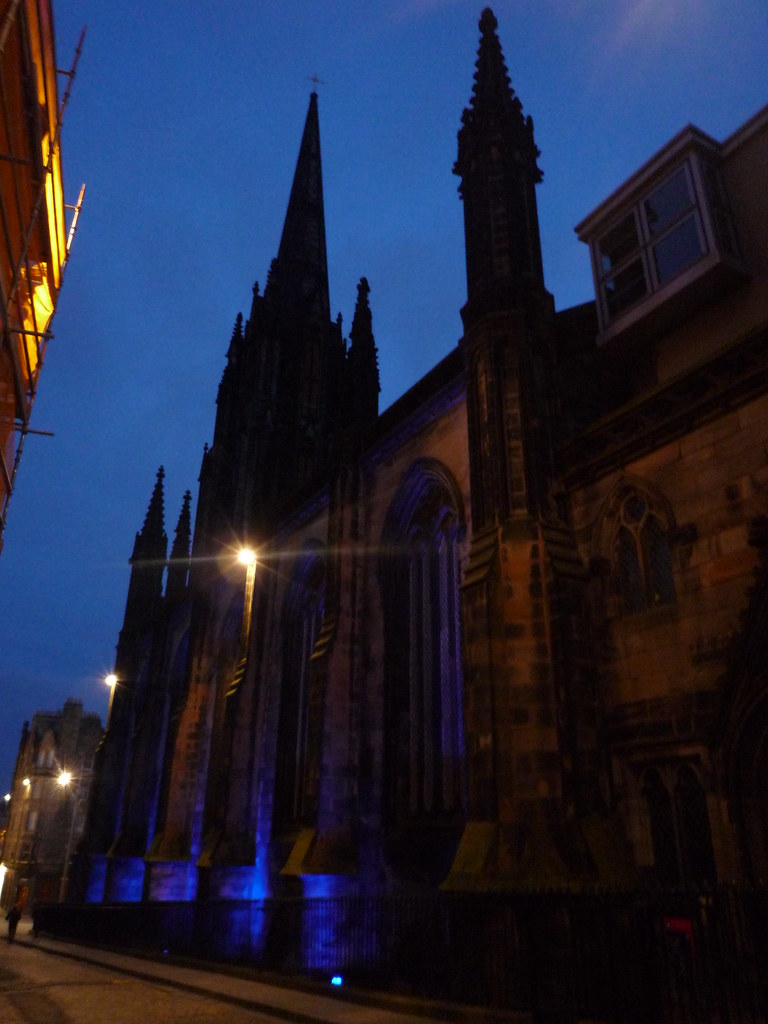
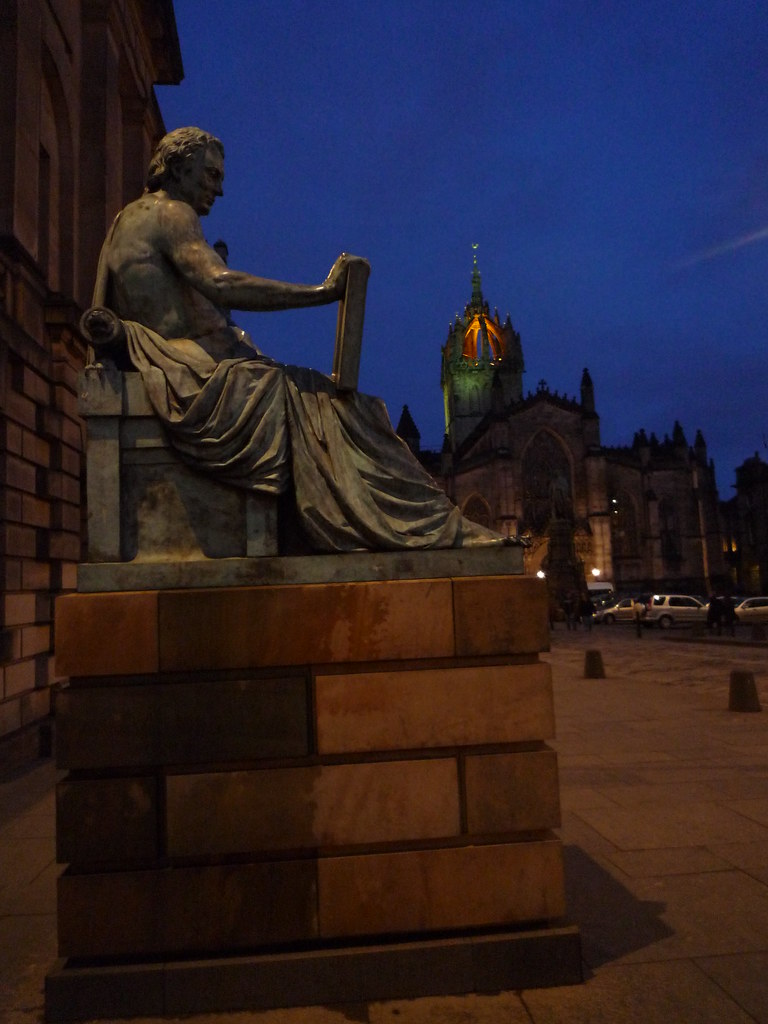
For the next few nights I stayed in an awesome international student house that was home to two Estonians, two Danes, one
Luxembourger, and someone from a combination of Ukraine and Finland. They were all great and truly made me feel at home. At some point while staying with them I Skyped with a friend back in Portland and managed to convince her that I was still in Korea, laying groundwork for my surprise appearance for Renn Fayre in April.
Given my purported goal of this whole trip, I'm sure none of you are surprised that in the morning I aimed myself towards the castle. On the way I walked by some of my favorite spots now that it was sunny.
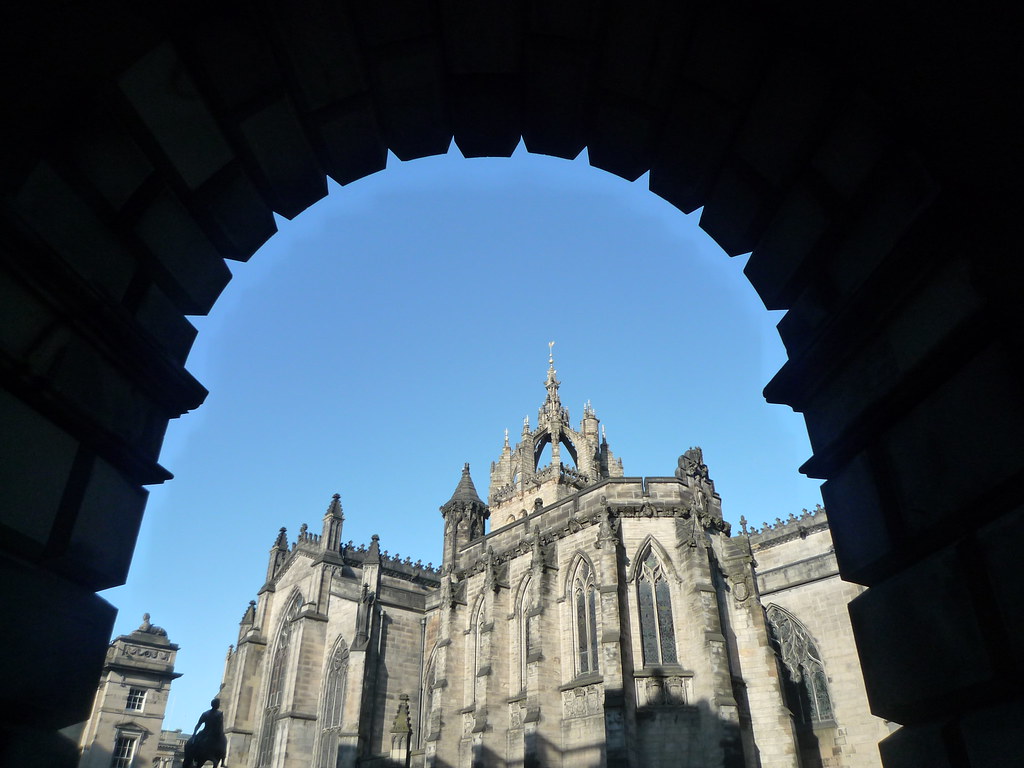
Believe it or not, I've cut a bunch of pictures of the Scot monument. Look, it's really awesome, okay?

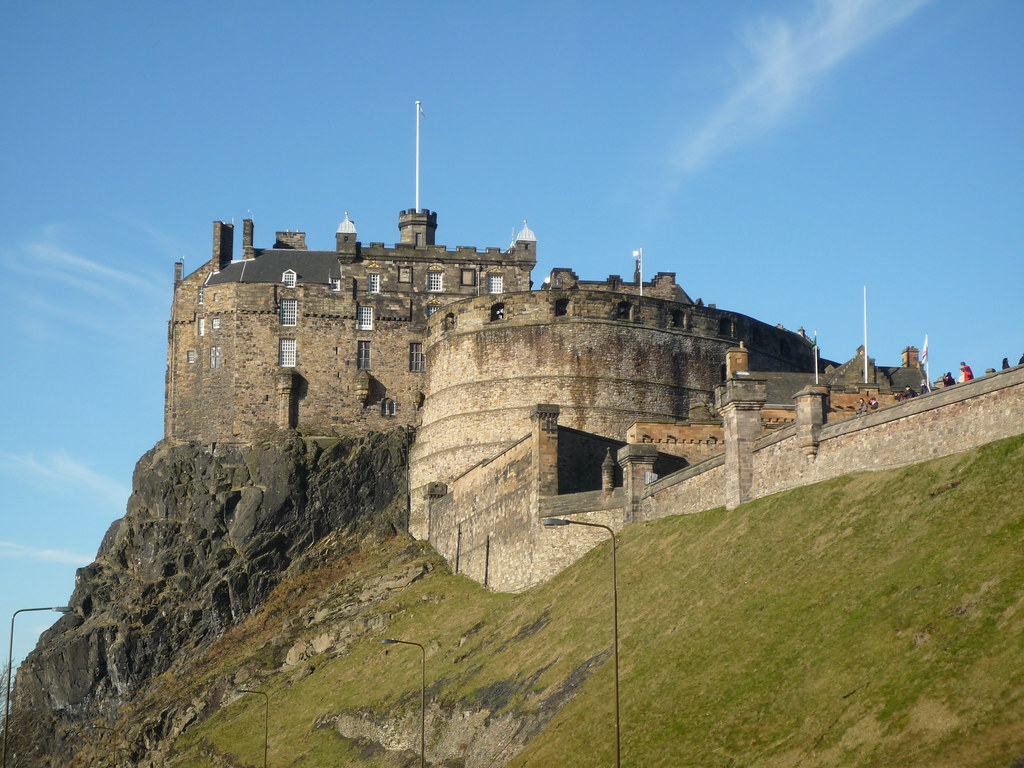
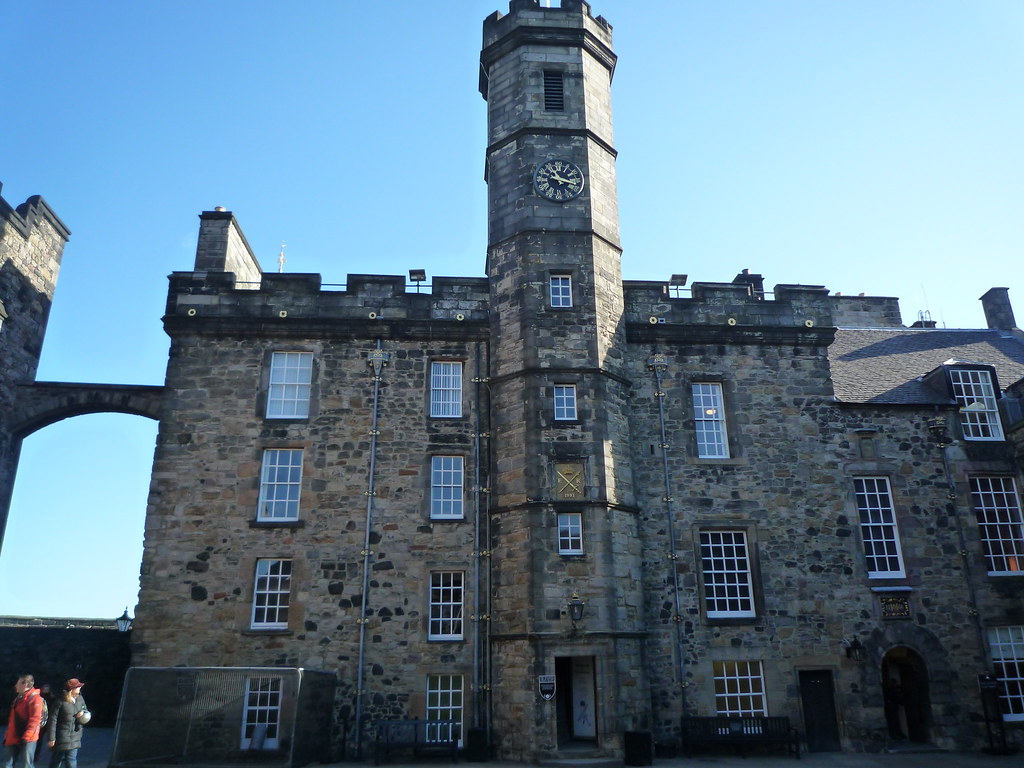
The castle was built in many stages. The outer walls were late additions meant to absorb cannon balls and hold cannons for returning fire.
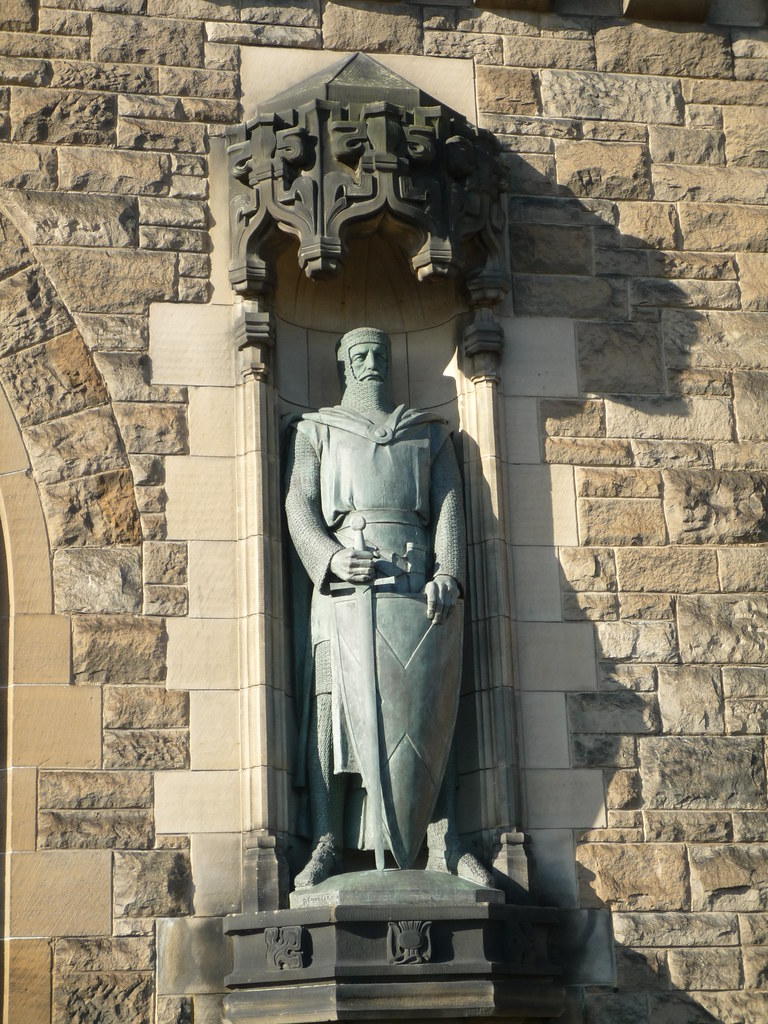
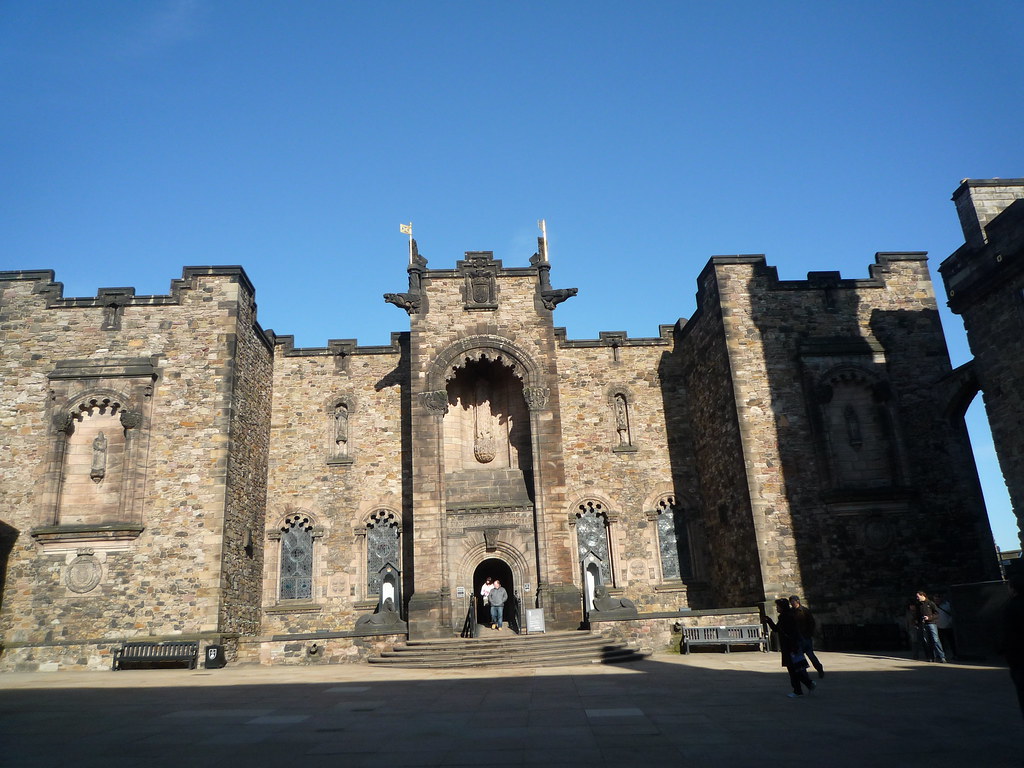
The castle houses the royal military museum, as well as the Scottish Crown Jewels, and the famed Stone of Destiny (more on the latter later).

Some of the cannons were big, and had ranges which I feel I can't be remembering correctly because it just seems outlandish.


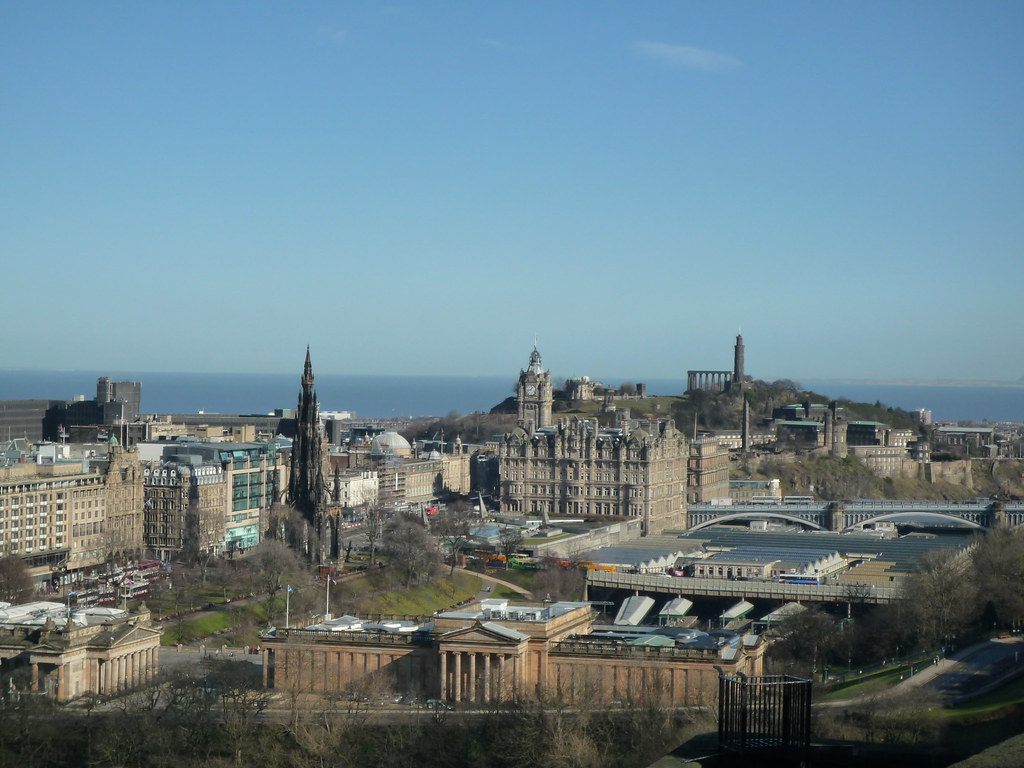
On the castle grounds lies St. Margaret's Chapel, the oldest building in Edinburgh.


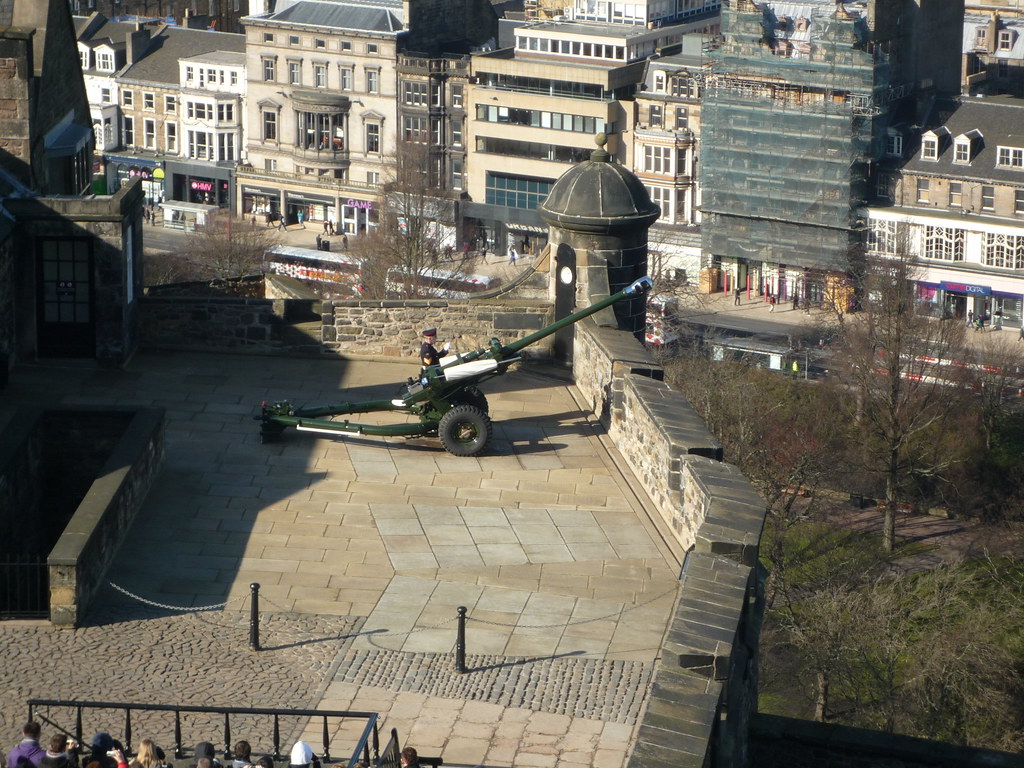
A cannon is fired every day at one o'clock.
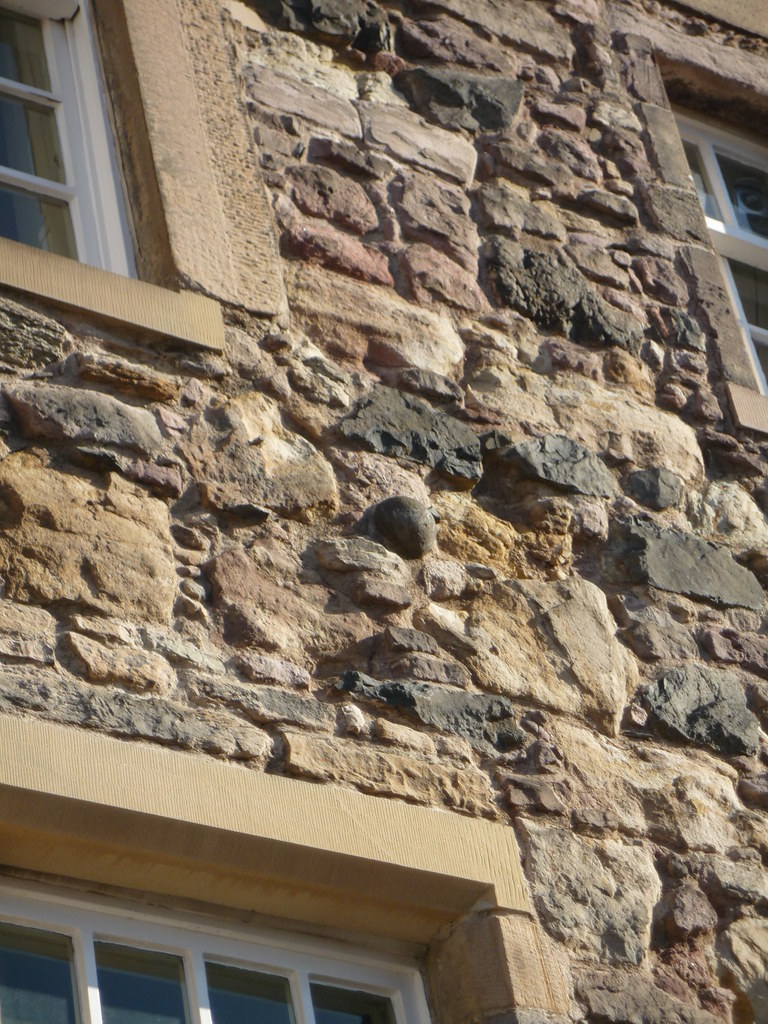
For obscure unrelated reasons, a neighboring building has a cannonball embedded in its stone.
Look! More pictures of stuff I've photographed before... but now with sunlight! And a different angle...

One castle is never enough, of course, so I took a bus to Craigmillar Castle. (I know, I know, not my usual travel style for something a mere two and a half miles away, but I didn't exactly know how to get there and it might have closed before I got there if I walked. I walked back. Have faith, readers.) This largely intact ruin was a refuge to Mary Queen of Scotts and she hatched the plot to murder her husband while there.
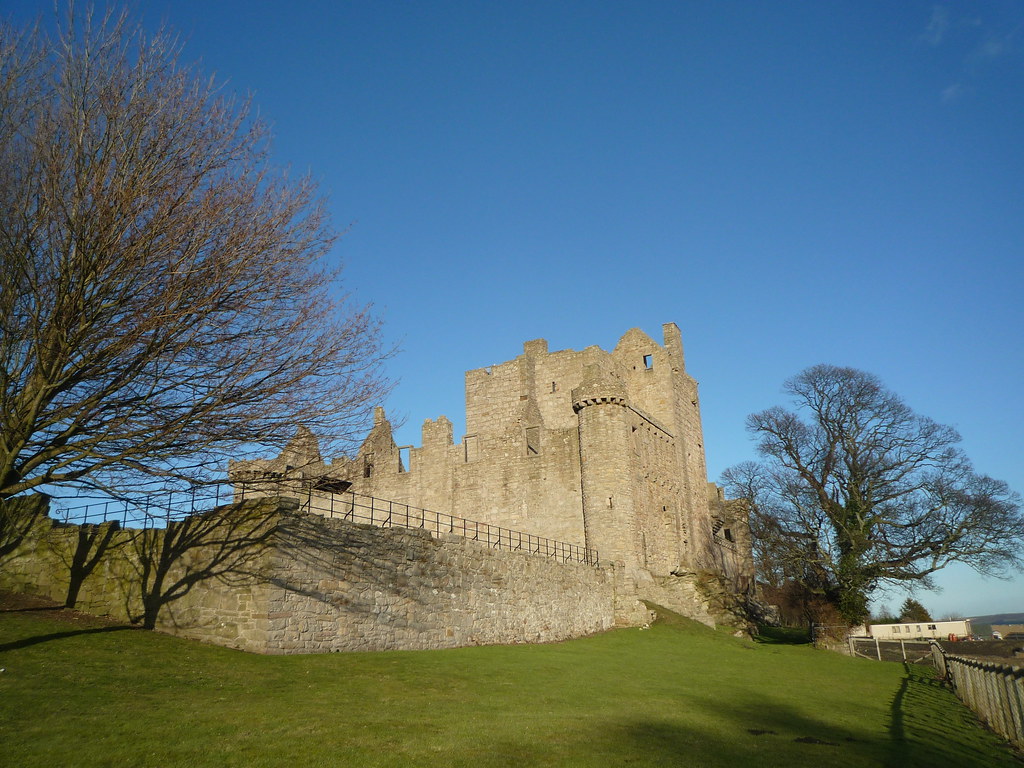
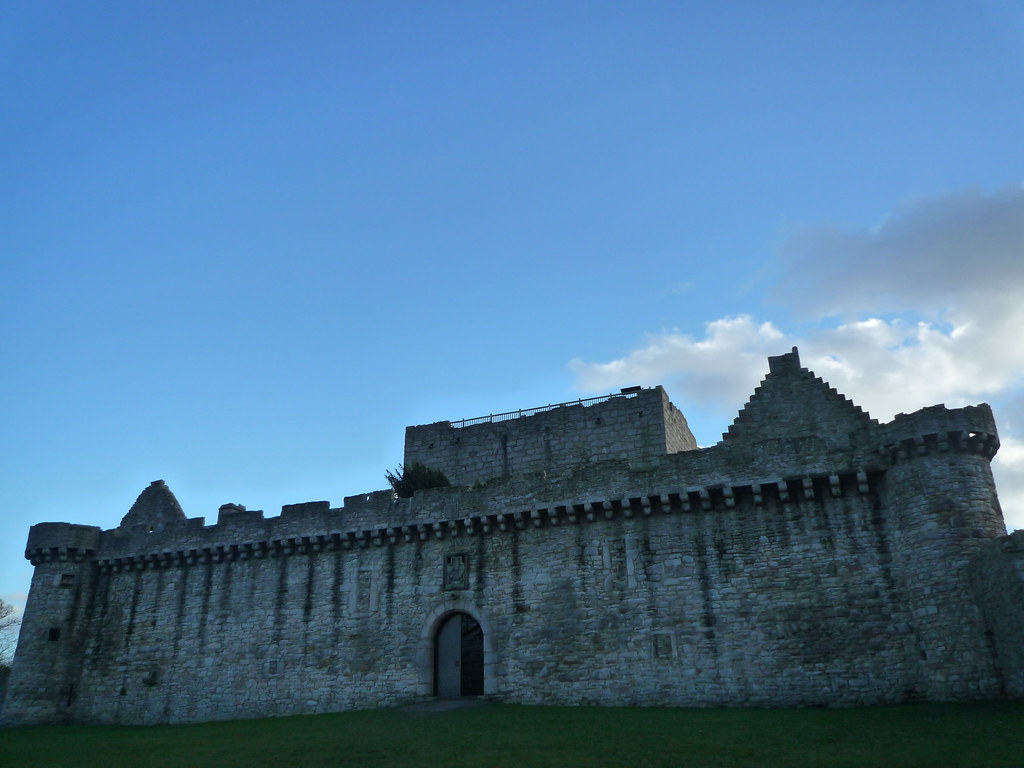
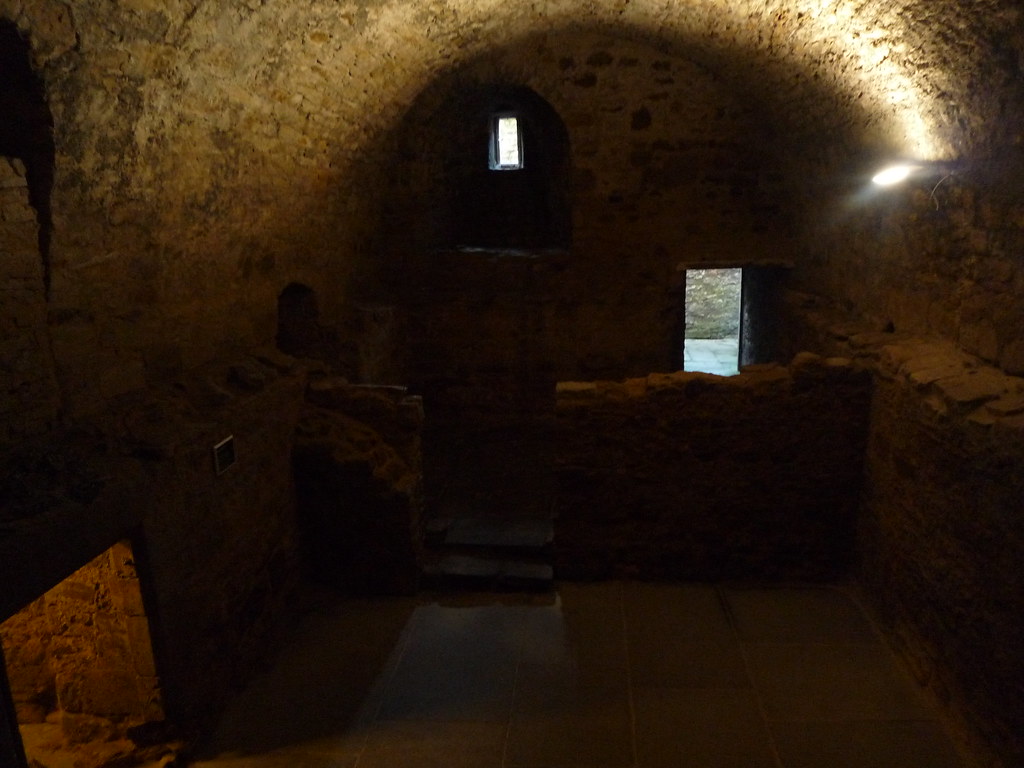

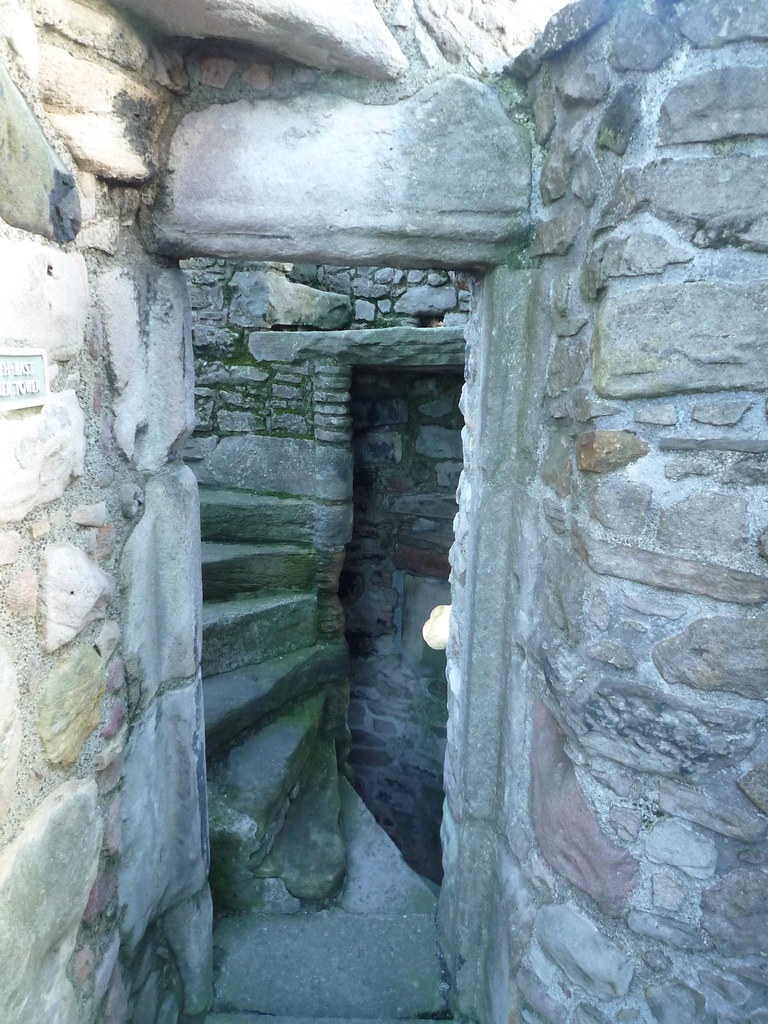


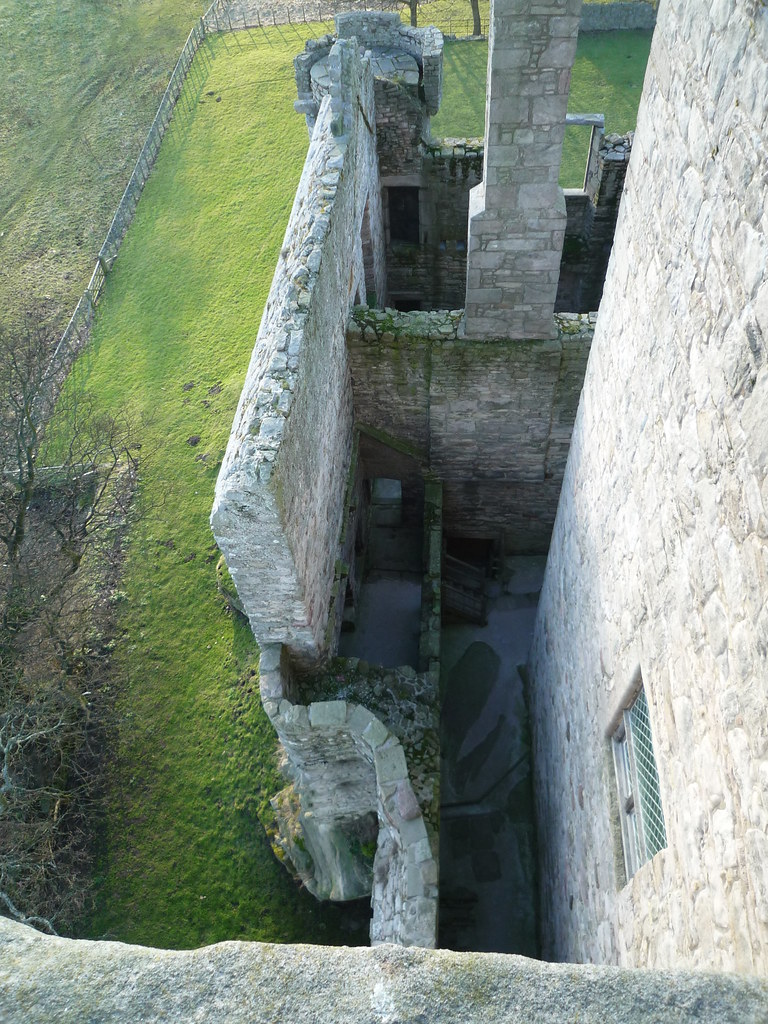

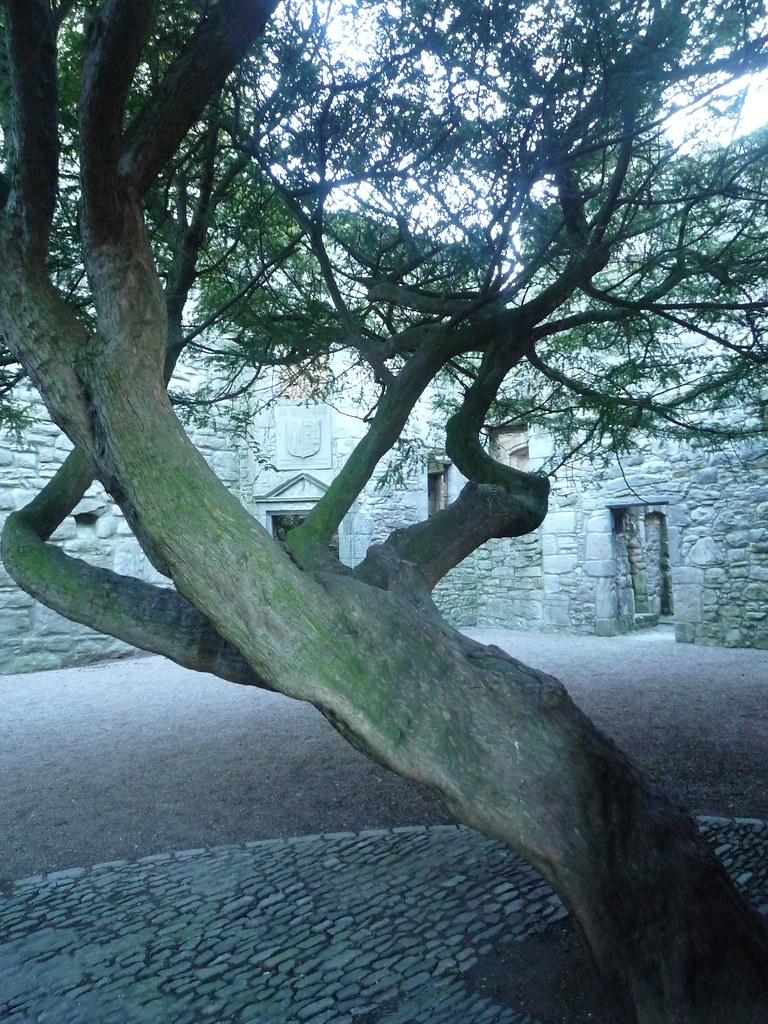
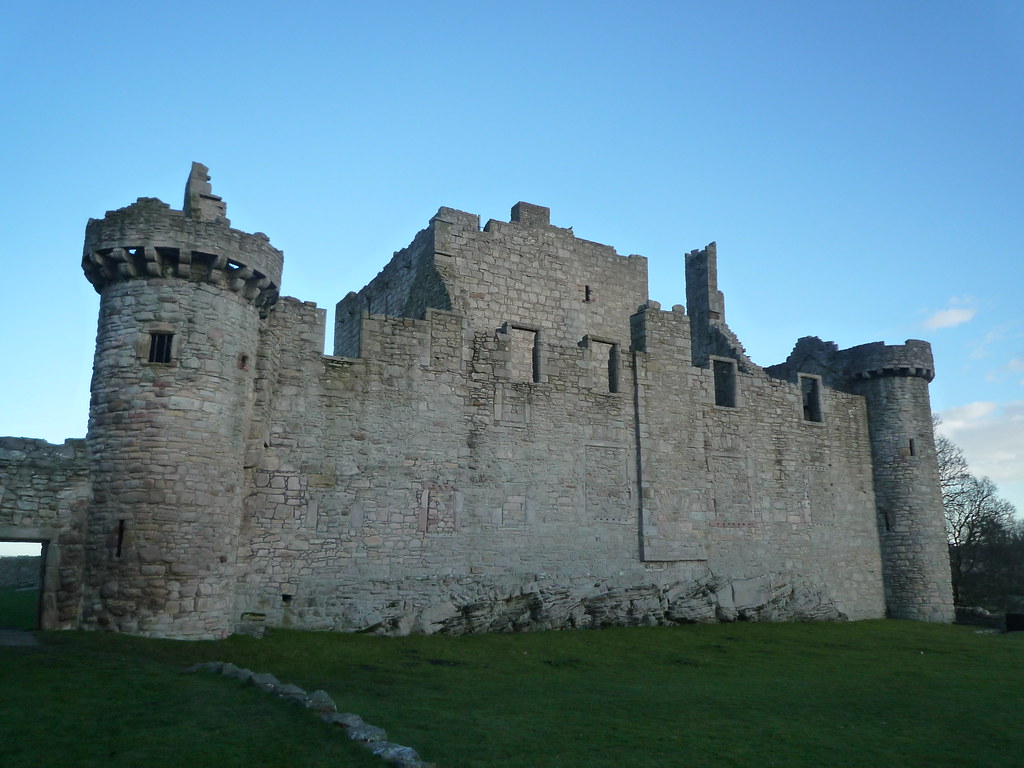

On my walk back I got a better look at that awesome school I'd seen from Arthur's Seat.

The next day I started at the Scottish National Museum, which held seven floors of exhibits. My favorites were blocky statues that were designed to displays ancient artifacts in glass cases that were the part of the statues where the object would be worn. The bracelets were in cases embedded in wrists, etc. I also enjoyed Pict stone art, a Scottish guillotine, the stuffed remains of Dolly the sheep, and Robert the Bruce's drinking cup. Also, there was a display of extinct megafauna of the region, including Irish elk and aurochs.
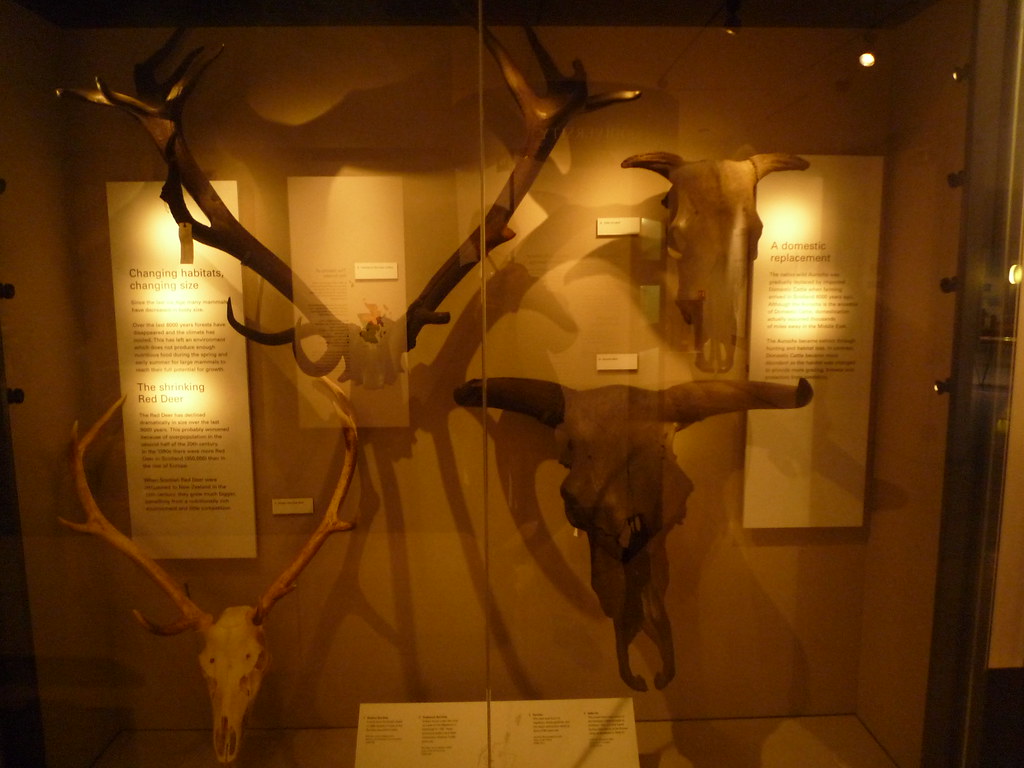
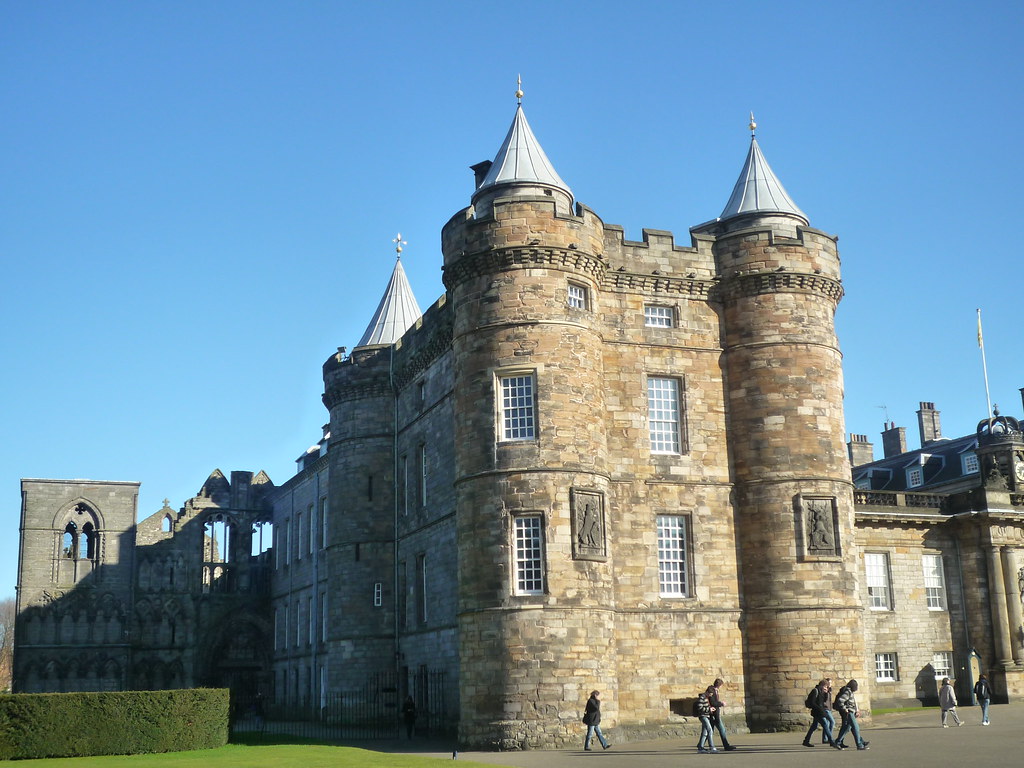
My next stop was Holyrood, a former Abbey and then palace. It is still the official residence of the royal family when they are in Scotland. There was an interesting display about the murder of Mary Queen of Scots' secretary, Rizzio, including a plaque that marks the spot he bled to death.
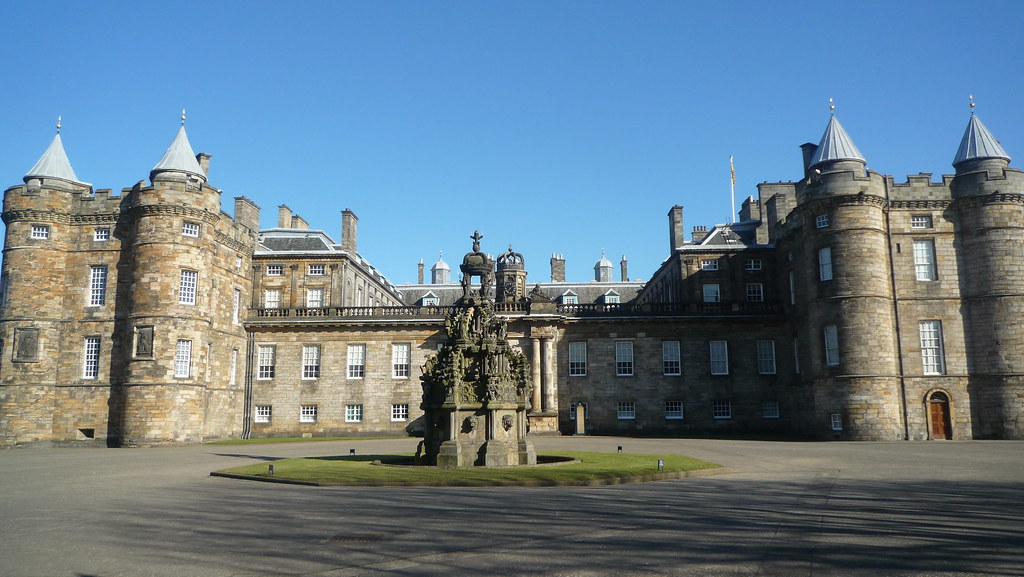

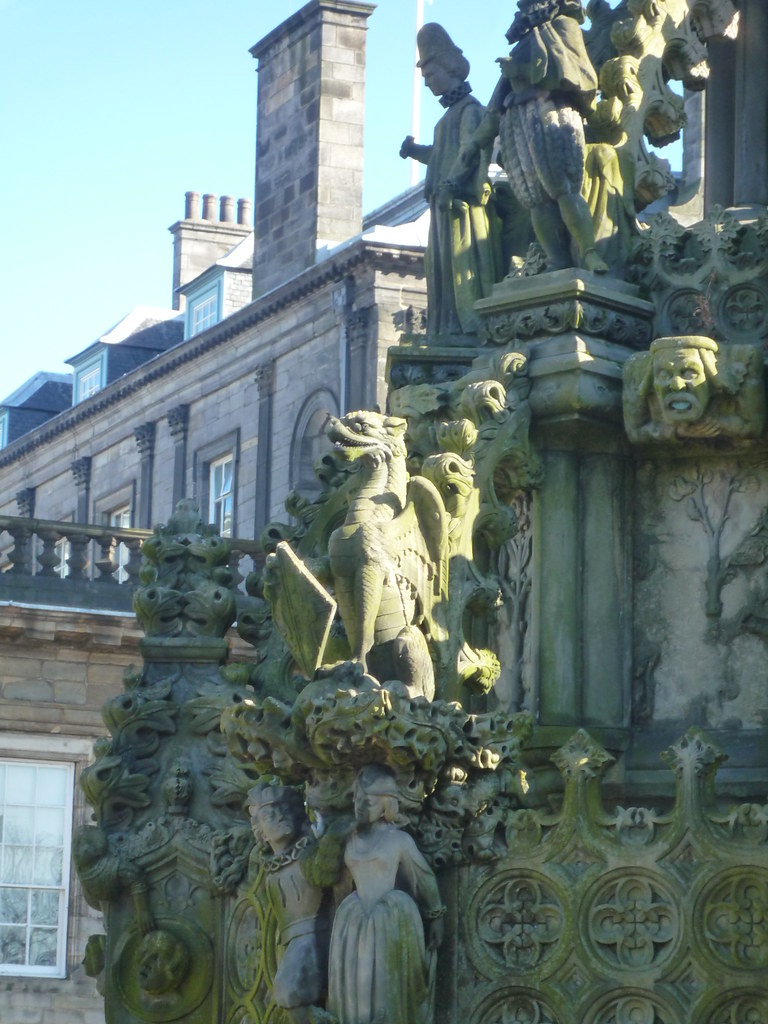

Opulence doesn't capture my imagination as much as defensive structures, so I was only mildly interested in the tapestries, silver, paintings, fine furniture, etc.

A portion of the old abbey still remains, with the palace grafted onto its side.
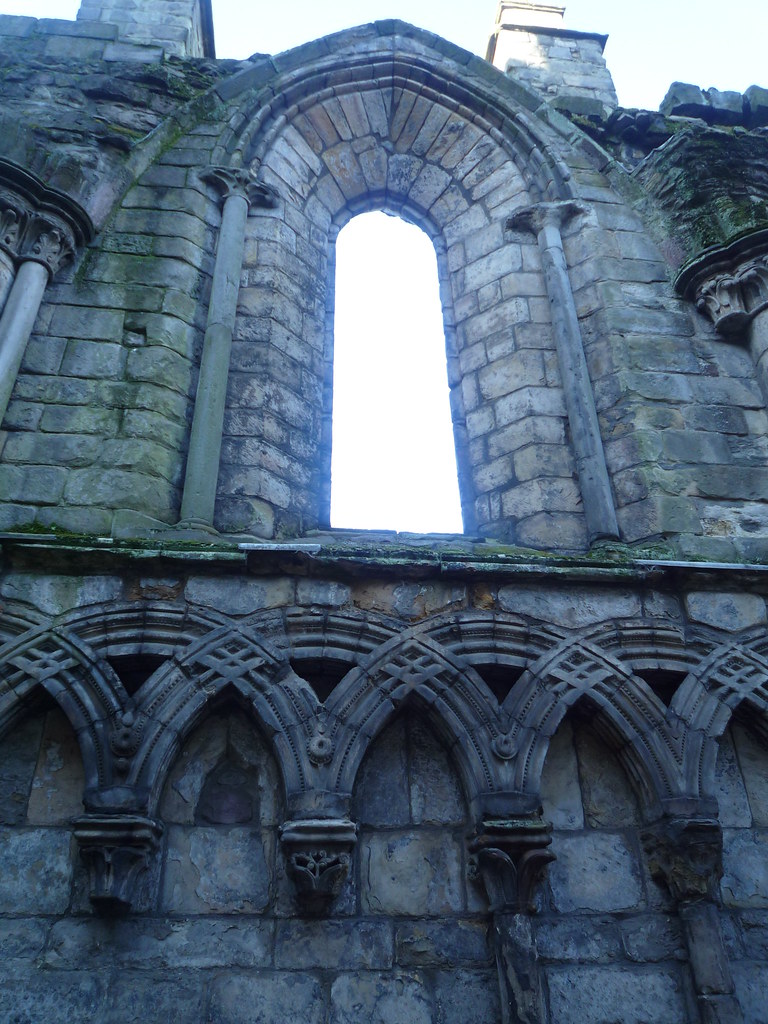
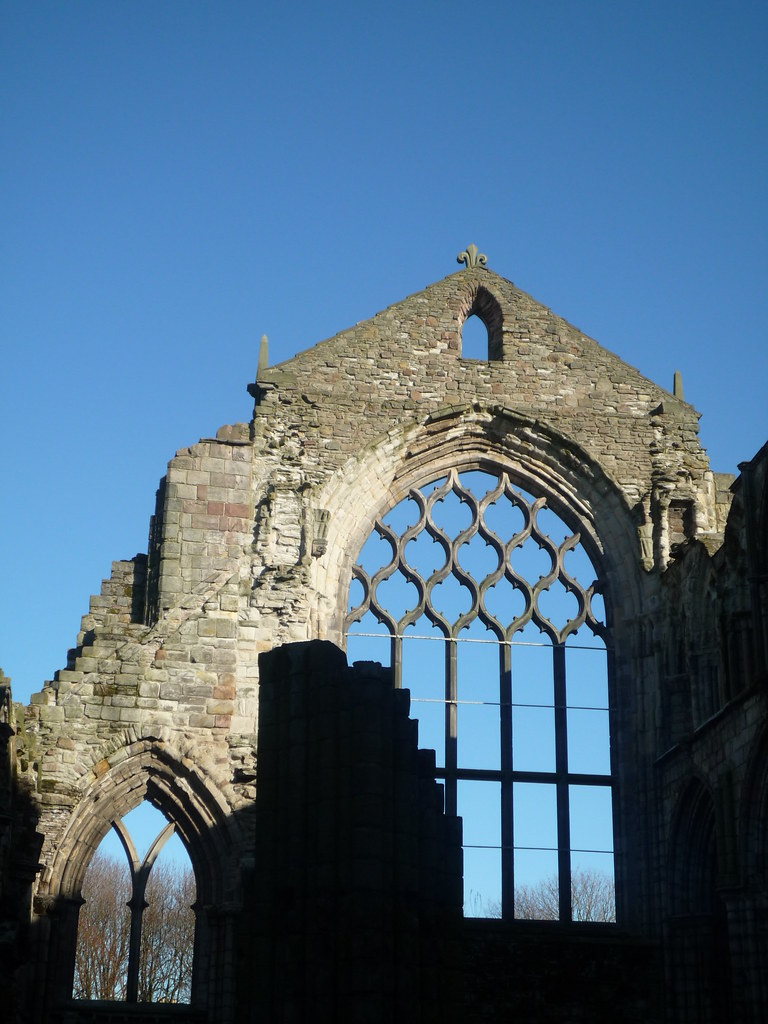
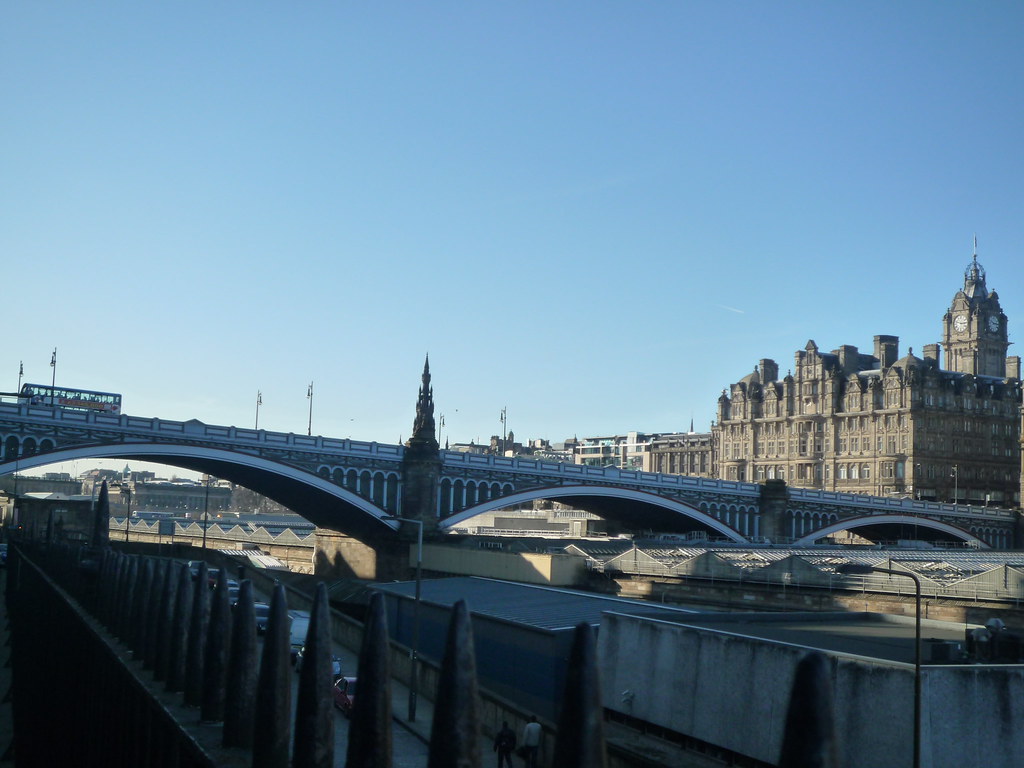
(Have I mentioned I like the bridge over the train station?)
After a bit of a walk away through pleasant neighborhoods and along a stream with the intense name of the Water of Leith, I arrived at the Scottish National Gallery of Modern Art. Favorites included incredibly honest and candid sketches of an artist's lovers, statues of
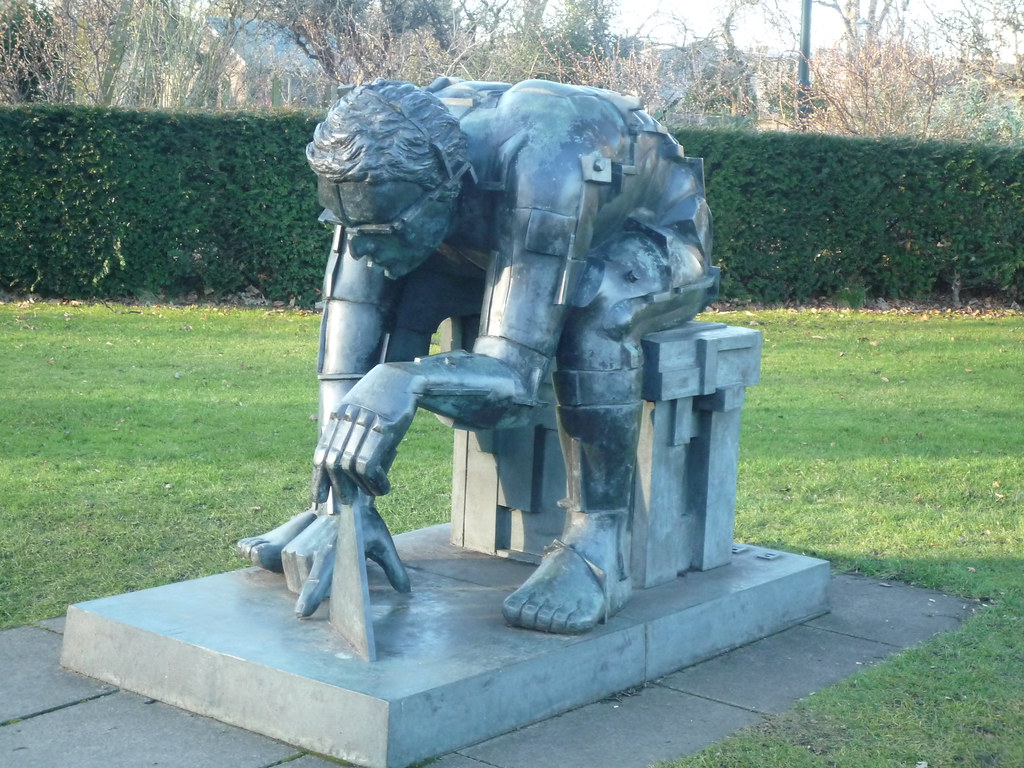
cyborg-like people such as three story Vulcan or Master of the
Universe (pictured below), and the cluttered studio workshop of a recently deceased artist who left the space to museum.
The grounds were sculptures in and of themselves.

I'm pretty sure this is the night I played Mapominoes with my hosts. The game is like the game of dominoes (the one where you match the pips, not the one where you knock them down), but you have to match countries to their adjacent neighbors. My hosts' knowledge of European geography exceeded my own, which isn't too much of a surprise since they were all from continental Europe. After games we went to the international student lounge for a movie.
My final day in Edinburgh began with a run up the Crags of Arthur's Seat. I don't know what possessed me to think I could keep pace with a bunch of Scandinavian guys who had been doing this jog several times a week all year, but I didn't disgrace myself. They did have to wait for me at the top, though.
The rest of the day was filled with museums and stories. The Royal Scottish Academy had modern art including a woman outline made of keys standing
as if on the prow of a ship, a table horse with piano keys on its back that had a handle visitors could pull handle and make the keys ripple, a bronze statue of a penguin making its nest in an inflated circular tube, and letters to companies to thank
for simple things like doing a good job collecting rubbish or making
a good toothpaste, along with the responses from the companies: some trying to market
more goods, some genuinely thankful and appreciative, and one that
assumed that any communication about their product must be a complaint and so gave a form letter response. The adjacent National gallery held more classic works from the likes of Rembrandt and Rubens. It also contained a painting of man saving the Scottish king from mad stag and a print of Jesus
made from a single spiraling line that varied in width.
I took a walking tour about Edinburgh stories. My favorite was the story of Burke and Hare, a pair of men who would collect recent corpses for an anatomy lecturer who needed a supply of cadavers for dissection. These two realized that it was easier to kill people for really fresh bodies rather than do all the work of keeping track of the recent dead and digging them back up. This story was told in a pub in the square where Burke was hanged. The guide also told of how the Scots under Robert the Bruce took Edinburgh castle back from the English army. Thirty men scaled the cliffs and walls under cover of darkness and let the English think the castle had been overrun, and hence that they should flee. The final tale of the tour was of the Stone of Scone, also popularly known as the Stone of Destiny. This rectangular block of sandstone was traditionally used for Scottish coronations. The stone was captured by English monarch Edward I in 1296. Edward had the stone built into a throne that most subsequent English monarchs have used during their coronations at Westminster Abbey. The Scots laugh at the chair since the Stone belongs under the king's feet, not his ass, but they don't laugh about much else with the story. It was a constant reminder of the indignity of foreign rule. The stone remained in English possession until 1950, when four Scottish students broke into Westminster Abbey on Christmas and stole the stone. The Stone was brought back to England, though it may have been a replica. Finally, in 1996 the Stone was officially moved to Scotland, to remain there except at coronations. The tour guide was much more humorous a tale spinner than I am, and I took his recommendation to go on a ghost tour with a guide he admired that night.
But first, I had other frightening tales to attend to that didn't even require waiting for the end of daylight since it is always dark underground. The wealthiest people in the city lived on the hilltops and didn't want to wade through the human filth below them to visit the other nice parts of town, so built bridges between the hills. Now these structures just look like roads since buildings went up around them. The cavities below the arches still remain, however, and were used for storage or living spaces, hidden away behind buildings. Further, Edinburgh was one of the first cities to have tall buildings and sections of the lower levels that never saw daylight. Early on, Edinburgh consisted of the old town, and there was a toll to pass through the gates, so most people never did, being too poor to leave or afford their way back in if they did. Thus the city grew upward to accommodate the masses, with townhouses fifteen stories tall. These structures eventually became unstable and were replaced, but often the lower levels remained sturdy and so were used as foundations. Mary King's Close is an excavated tenement building underneath more recent structures. There are tours of the space with some ghastly effects, but the most interesting thing to me was to get a glimpse of the preserved living spaces and to hear the detailed knowledge accumulated about the people who lived there in the 1500s and 1600s.
Finally, that night was the ghost tour. Beyond the stories I was enraptured with a Swedish woman my age who was as interesting as she was gorgeous, and the two of us talked as much as we could whenever the guide wasn't regaling us with horror. The tour began with the witch confessions, and the murder of supposed witches. A humorous interlude mentioned a building owned by a name that strikes terror into the hearts of many: Microsoft. Microsoft purchased a building in the old town for their regional headquarters. The company intended to tear down the structure and build a new one since all Microsoft regional headquarters are exactly the same, but they found out that the building was protected for historical reasons. Then it came to light that only the outside of the building was protected, so Microsoft gutted the whole thing and built their standard headquarters inside it, leaving a few feet of empty space between their building and the original's empty shell. It looks surreal. We were then introduced to the idea of baby farming. In the days before adoption agencies and when having a child out of wedlock was highly stigmatized, baby farmers would find homes for unwanted children for a fee. Some found it more economical to simply kill the children instead, collecting the fees from mothers who were hoping for their children to end up in loving homes. We also stopped by Hume's grave. Hume had anonymously published essays outlining why he was atheist. Atheism was illegal at the time. On his deathbed, he revealed to his friends that he had authored the tracts. His friends drew the only reasonable conclusion: Hume must have sold his soul to the devil. Why else would a man claim not to believe in god? They further believed that the devil would come to collect in the week after Hume's death, so they stood watch outside their friend's grave during this period to keep Hume's soul safe. The final story was told below the old stone home that was the home of a man who killed his housemate. They'd had an argument about the man's girlfriend and the man struck out in a rage, and further drank the housemate's blood. When questioned, he not only admitted to the deed but further claimed that he was a vampire. The house contained occult books. He claimed his girlfriend was a vampire too. Her name was Akasha. If the name sounds familiar it's probably because of the Anne Rice books that were the root of the man's lunacy. See, this murder occurred in 2004. The argument ensued because the housemate claimed that the man's girlfriend did not exist, that she was an imaginary character. Edinburgh's strange stories continue to the present.
Whew! It's over! Maybe if I'd split this post up I wouldn't have been so intimidated by it that I avoided my blog for months. Too late now. So it goes.